
Barack Obama Urges Voters to Say “Enough Is Enough,” Condemning Trump Administration Ahead of Midterms
October 29, 2026 | Cleveland, Ohio, and Detroit, Michigan, United States | U.S. Politics
Obama Delivers a Forceful Message to Voters
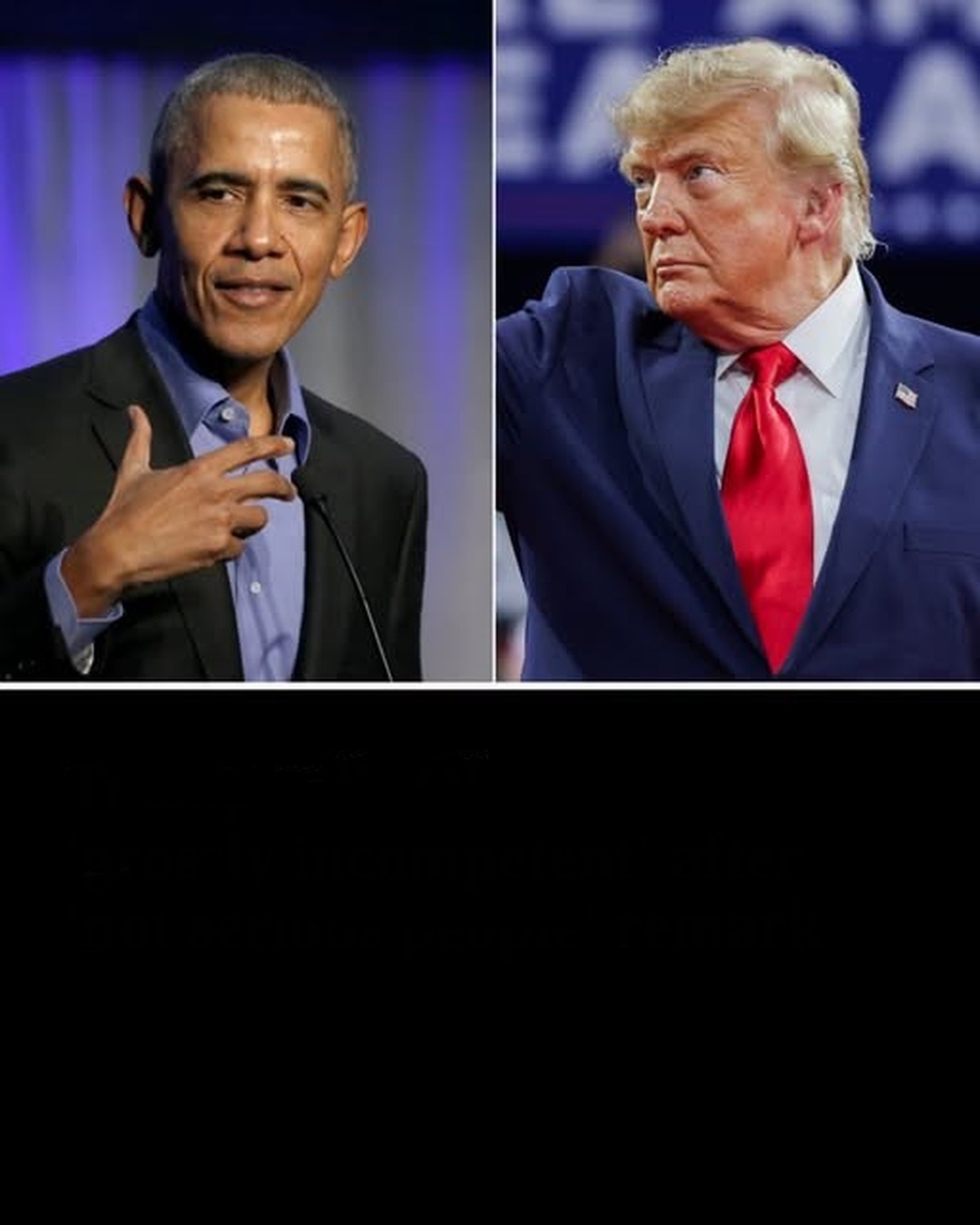
Former President Barack Obama has intensified his criticism of President Donald Trump’s administration, telling voters they have an opportunity to demand political change during the November 3 midterm elections.
Speaking at a Democratic campaign rally in Cleveland, Ohio, on October 24, Obama argued that Americans were increasingly frustrated with the country’s political direction. He urged voters to channel their dissatisfaction into electoral participation rather than allowing frustration to turn into disengagement.
“People are so ready for something new, so hungry for something better, so sick and tired of being sick and tired,” Obama said, describing what he believed was a growing appetite for change among voters.
He then delivered his sharpest assessment of the administration, declaring that after two years of “chaos and cruelty and corruption and incompetence,” Americans had an opportunity to say, “Enough is enough.”
The remarks formed part of Obama’s return to the campaign trail to support Democratic candidates seeking statewide offices and congressional seats. His appearances were intended to energize Democratic voters as both parties prepared for an election that could reshape the balance of power in Washington.
Obama’s language was deliberately forceful. Rather than presenting the midterms as an ordinary electoral contest, he portrayed them as an opportunity to impose accountability on an administration whose policies he believes have harmed working families and weakened public confidence.
From Cleveland to Detroit: A Coordinated Campaign Push

Obama spoke in Cleveland before traveling to Detroit, where he campaigned for Democratic Senate candidate Abdul El-Sayed and gubernatorial candidate Jocelyn Benson. The appearances placed him at the center of Democratic efforts to mobilize voters in two politically important Midwestern states.
In Ohio, Obama supported Senate candidate Sherrod Brown and gubernatorial candidate Amy Acton. Both campaigns faced the challenge of persuading voters that Democratic leadership could address economic concerns while offering a credible alternative to Republican policies.
His Detroit appearance carried particular significance because Michigan’s Senate contest could help determine which party controls the chamber. Obama urged supporters to vote for El-Sayed and other Democratic candidates, emphasizing the importance of participation across the ballot.
The former president also encouraged voters to support candidates for state offices, arguing that political change required more than replacing individual national leaders. State governments, he suggested, could influence healthcare access, economic opportunity, voting rights, and the everyday services that residents depend upon.
Economic Anxiety at the Center of Obama’s Criticism
Obama’s attack on the administration was closely connected to concerns about household affordability. He argued that Americans were struggling with rising expenses and that government decisions had contributed to pressures on paychecks, healthcare costs, and essential services.
He acknowledged that presidents cannot control every economic development, including international crises and broader market forces. However, he contended that policy decisions can still make a substantial difference in determining whether families experience greater financial security or additional hardship.
The former president called for policies that would lower living costs, make healthcare more affordable, improve housing affordability, and bring utility bills under control. He argued that Democrats needed to offer practical solutions rather than relying solely on criticism of Trump.
His message sought to connect national political disputes with everyday experiences. For voters deciding whether to support the administration, the cost of groceries, rent, medical treatment, electricity, and transportation may matter more immediately than ideological arguments or campaign rhetoric.
Criticism of Leadership and Government Accountability

Obama also criticized Republican lawmakers for what he described as their unwillingness to challenge the president. He argued that Congress should provide meaningful oversight rather than automatically supporting the administration’s decisions.
His comments reflected a broader Democratic argument that the midterms could serve as a check on presidential power. If Republicans lost control of either chamber, Democrats could gain greater influence over legislation, government spending, investigations, and the administration’s policy agenda.
Republicans, however, have defended their support for Trump by arguing that his policies advance conservative priorities, strengthen national security, and promote economic growth. They are campaigning to retain congressional majorities and prevent Democrats from reversing the administration’s agenda.
The competing arguments illustrate the central stakes of the election. Democrats are presenting the vote as an opportunity to restore accountability, while Republicans are urging voters to preserve the political mandate they believe Trump received.
A Call for Civic Responsibility
Obama’s speech went beyond criticism of Trump, emphasizing that political change also depends on the choices ordinary citizens make. He urged Americans to reject cynicism and division and to participate in shaping their communities and institutions.
He argued that the country needed a renewed commitment to honesty, kindness, fairness, and mutual responsibility. These values, he suggested, were essential to addressing economic hardship and political conflict rather than allowing disagreements to deepen existing divisions.
The former president also warned against expecting any single elected official to solve the country’s problems alone. Meaningful progress, he argued, requires sustained public participation, responsible leadership, and a willingness to work toward shared goals despite political differences.
That message offered a contrast to the highly personal and confrontational tone that often dominates American campaigning. Obama attempted to frame the election as a choice not only about policies, but also about the standards of conduct voters expect from their leaders.
What the Midterms Could Mean
With Election Day approaching, Obama’s appearances represented a significant effort to strengthen Democratic turnout. His popularity among many Democratic voters makes him an influential campaign surrogate, particularly in competitive races where enthusiasm and participation can affect the final result.
Nevertheless, the impact of his appearances remains uncertain. Campaign rallies can energize supporters, but election outcomes depend on a wider range of factors, including candidates’ local standing, economic conditions, voter preferences, and turnout across different communities.
For Democrats, the challenge is to convert anger toward the administration into votes while persuading voters that their candidates can deliver tangible improvements. Republicans, meanwhile, must convince voters that maintaining their congressional majorities will produce better results than returning power to the opposition.
Obama’s central message was unmistakable: voters dissatisfied with the country’s direction have an opportunity to express that dissatisfaction through the ballot box.
Whether his appeal translates into electoral gains will become clear on November 3. Until then, his remarks underscore how affordability, presidential accountability, and public frustration have become defining themes of the 2026 midterm campaign.
Comments (0)
Loading comments...
May You Like

FLORIDA AIRBNB NIGHTMARE — 50 TEENS, 7 SHOOTING VICTIMS LINKED TO “SHOTS AT THE DOOR”!

WWE BRONSON REED DEAD AT 38, STIMULANTS DETECTED, $10M INSURANCE PAYOUT FROZEN!

WWE BRONSON REED—STAR COLLAPSES AT COMPANY EVENT, FATAL DRUG REACTION SUSPECTED!









Popular Posts



