
EPA’S IOWA BLAST PERMIT SPARKS FURIOUS FIGHT OVER LEAD EXPOSURE
MIDDLETOWN, IOWA — NOV 21, 2026 — Families near an Army ammunition plant are seeking clearer information about a proposed hazardous-material operation and the communities that could be affected.
The issue has drawn attention across the Mississippi River as local officials, environmental advocates and military authorities assess the consequences of a plan whose timing remains uncertain.
Parents and school officials are watching for updated information about the proposal, including how any airborne material would be tracked and how residents would be notified.
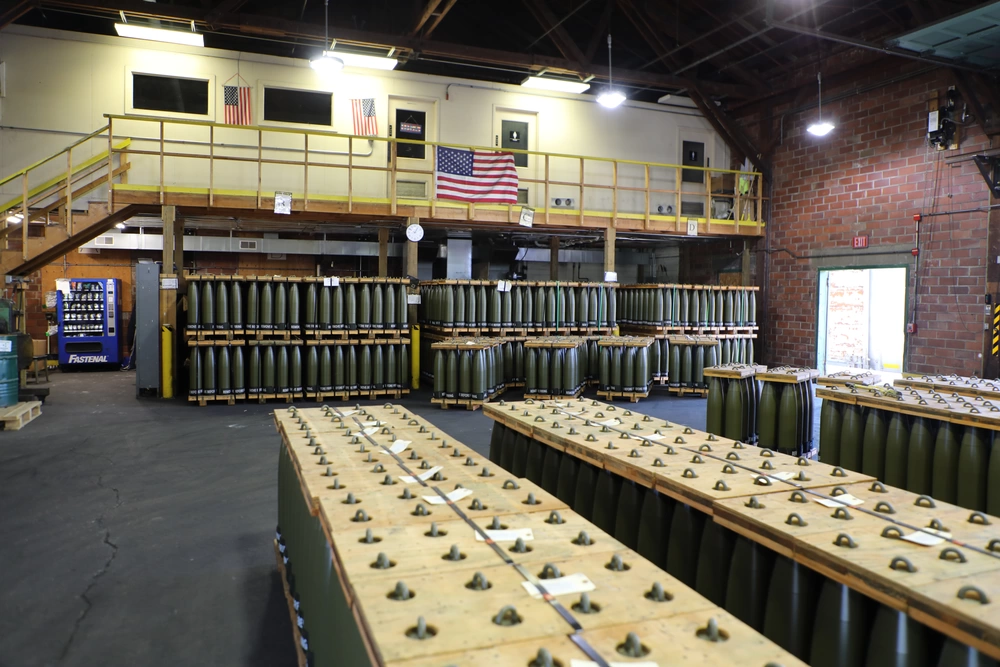
The Iowa Army Ammunition Plant near Burlington has stored lead azide, a sensitive explosive used to initiate ammunition, for approximately 20 years.
An Army safety review in March identified degradation and crystallization in the material, prompting officials to assemble specialists and consider ways to address the stockpile.
The Army says the 68 drums contain approximately 9,500 pounds of material and that handling or moving them could set off an unintended explosion.
Lead is toxic, and health authorities identify young children as especially vulnerable to its effects, making the prospect of airborne particles a concern for families.
Potential exposure depends on whether an operation occurs, how much material is released, where particles travel and whether people come into contact with them, including whether lead settles on surfaces that children or animals might later touch.
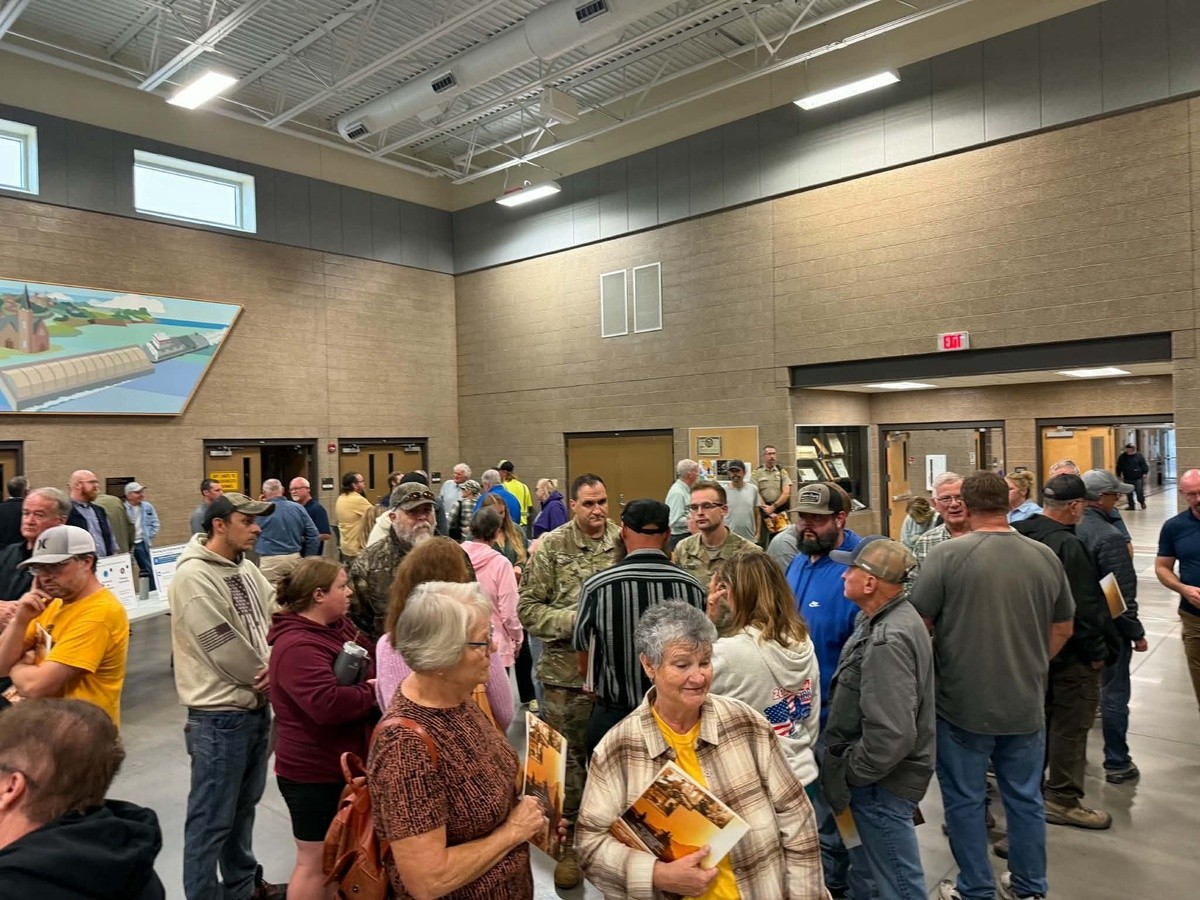
An October open house brought Army representatives and Middletown residents together, but environmental advocates say many other potentially affected communities received insufficient notice, and Illinois authorities have asked the federal government for additional monitoring details.
The Environmental Protection Agency issued an emergency permit on November 13 for the Army’s proposed disposal, subject to conditions including modeling and environmental monitoring.
The Army postponed its original November 20 operation to November 23 after objections from local officials and residents who sought additional time and information.
A federal appeals court then temporarily stayed the permit while it considered an emergency challenge brought by the Iowa Environmental Council and the Sierra Club’s Iowa chapter, without deciding the merits of the environmental groups’ claims.
Federal attorneys have also told the court that regulations may allow hazardous-waste treatment without a permit in a qualifying emergency, leaving the legal and operational path unsettled.
In a possible community review, parents could ask local officials to compare school notification plans with the latest federal forecasts before any operation is authorized.
The Army says it chose controlled detonations in place because chemical treatment or moving the deteriorating stockpile could require handling that increases the risk of an accidental blast.
Environmental groups argue that the government did not adequately evaluate alternatives or fully address the possibility that lead dust could reach homes, farmland and waterways.
The answer begins near Middletown and Burlington, where an earlier Army model showed a potential airborne corridor extending north past the Quad Cities under the conditions modeled at that time.
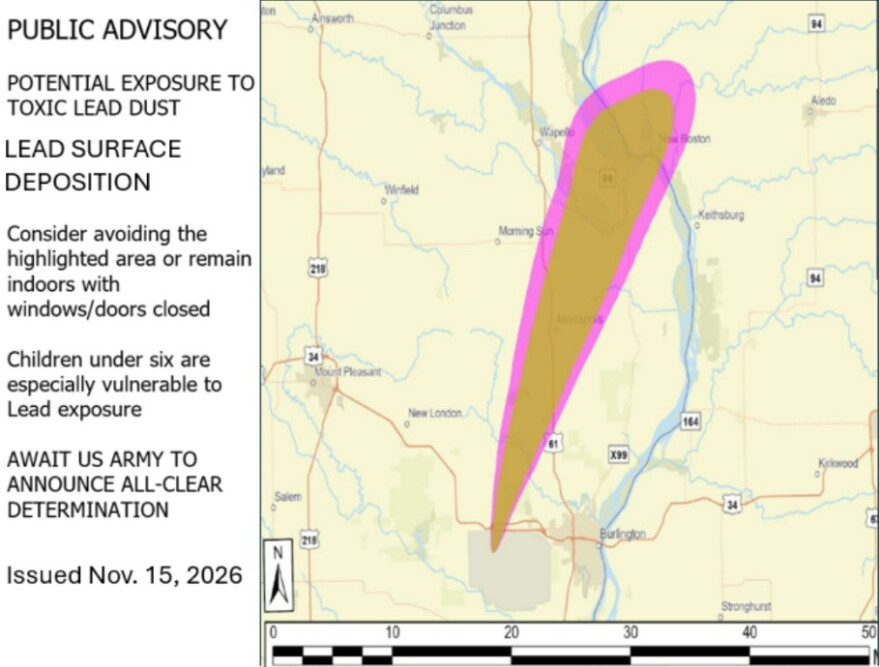
That earlier forecast also identified a narrower possible ground-deposition area stretching from near Burlington toward the area north of Wapello and New Boston, Illinois.
Illinois agencies said on November 20 that current weather information suggested potential effects in western and central Illinois, while requesting updated Army modeling and more monitoring details.
Those earlier maps are forecasts rather than a guarantee of exposure or a current evacuation boundary, and any future affected area will depend on the actual timing and wind conditions, so residents should follow updated information from local emergency management officials.
Comments (0)
Loading comments...
May You Like

PENTAGON'S PATRIOT MISSILE DELAY — A MAJOR SETBACK FOR UKRAINE'S AIR DEFENSE?

TRUMP'S NVIDIA STOCK DEALINGS — IS THERE ANY TRUTH TO THE $14 MILLION PROFIT CLAIM?

PACIFICA PIER IN CALIFORNIA COLLAPSE REVEALS MASSIVE CRACK BENEATH THE OCEANs!












