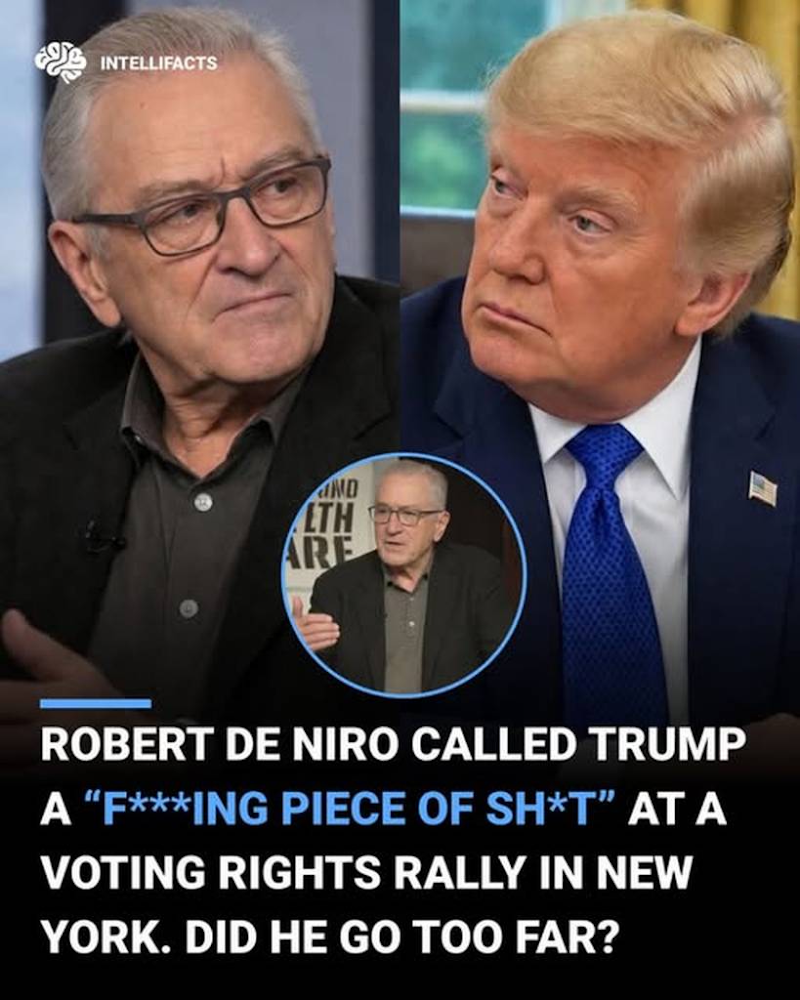
"FAKE POLLS"! ★ TRUMP REVEALS HIS REAL NUMBERS...


“FAKE POLLS!” TRUMP CLAIMS HIS REAL APPROVAL IS NEAR 60% AS NEW SURVEYS SHOW A DIFFERENT PICTURE
President Donald Trump is challenging unfavorable polling numbers ahead of the November midterm elections, dismissing recent surveys as inaccurate while claiming his actual approval rating is substantially higher.
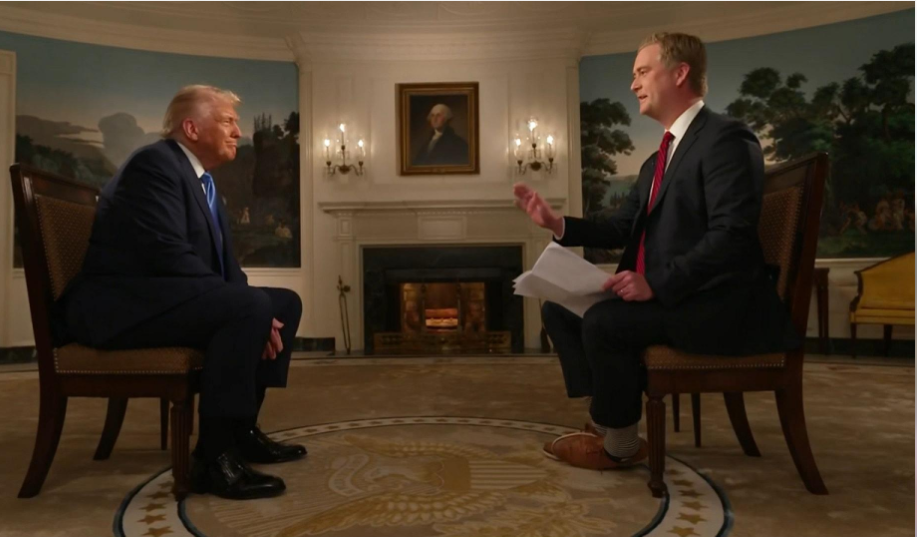
In an interview published October 25, Trump rejected figures showing his approval rating in the high 30s and suggested that his real level of support could be close to 60 percent.
When asked about polling averages showing more Americans disapproving of his performance than approving, Trump described the numbers as fake and questioned the reliability of the organizations producing them.
His comments have renewed attention to the gap between his public assessment of his popularity and the results reported by several national polling organizations.
Trump argued that his support among Republican voters and his political base demonstrates that unfavorable national surveys do not tell the complete story of his standing with Americans.
However, approval ratings measure different things from support among a party’s voters, and a president can remain popular within his political base while receiving lower ratings nationally.
A Reuters/Ipsos poll completed October 26 found that 32 percent of U.S. adults approved of Trump’s job performance, while 66 percent disapproved.
That survey included 1,679 U.S. adults and showed a one-point increase in approval from the previous measurement, although his overall rating remained low.
Other surveys conducted during October produced different figures, reflecting variations in polling dates, sample composition, methodology, and the wording of questions.
An Economist/YouGov survey conducted October 23–26 placed Trump’s approval at 39 percent among registered voters, while 58 percent disapproved.
A Morning Consult poll conducted October 23–25 recorded approval at approximately 41 percent among registered voters, illustrating how results can vary between pollsters.
Although the individual figures differ, multiple national surveys during the period showed disapproval exceeding approval among the broader public.
Trump has repeatedly attacked polling organizations when their results conflict with his own assessment, arguing that some surveys misrepresent public opinion or are designed to discourage Republican turnout.
In an interview earlier in October, he also called polls showing him trailing political opponents rigged, questioning surveys that suggested Republicans could face difficulties in the midterm elections.
Polling experts generally evaluate surveys through their sampling methods, weighting procedures, question wording, response rates, and records of accuracy rather than accepting or rejecting them solely because of their results.
No single poll can perfectly capture public opinion, and approval ratings can change as economic conditions, international events, and campaign developments influence voters’ views.
At the same time, a president’s assertion that his true approval rating is near 60 percent is not itself evidence that national polling estimates are wrong.
The political stakes are significant because the November 3 midterm elections will determine the balance of power in Congress and influence the administration’s ability to advance its agenda.
Recent polling has also shown Democrats leading Republicans on the generic congressional ballot, though the size of that advantage varies by survey and voter group.
Trump has urged Republican supporters to turn out, emphasizing that strong participation among his coalition could shape results even in an election in which he is not personally running.
His statements therefore serve both as a rejection of unfavorable polling and as a message encouraging supporters to remain engaged before Election Day.
The key question is whether actual voting results will align more closely with the president’s confidence or with the broader patterns reflected in national surveys.
Until voters cast their ballots, the most reliable approach is to distinguish Trump’s own claims from independently measured polling results and to examine the methodology behind each survey.
Comments (0)
Loading comments...
May You Like
“I DON’T KNOW OF A GREATER CRIMINAL IN HISTORY” — HARRISON FORD’S FIERY ATTACK ON TRUMP
Latest Posts



Popular Posts