
FBI CYBER BREACH: AI SECURITY FLAW OPENS NATIONAL CRIME DATABASE TO HACKERS!
FBI CYBER BREACH: AI SECURITY FLAW OPENS NATIONAL CRIME DATABASE TO HACKERS!
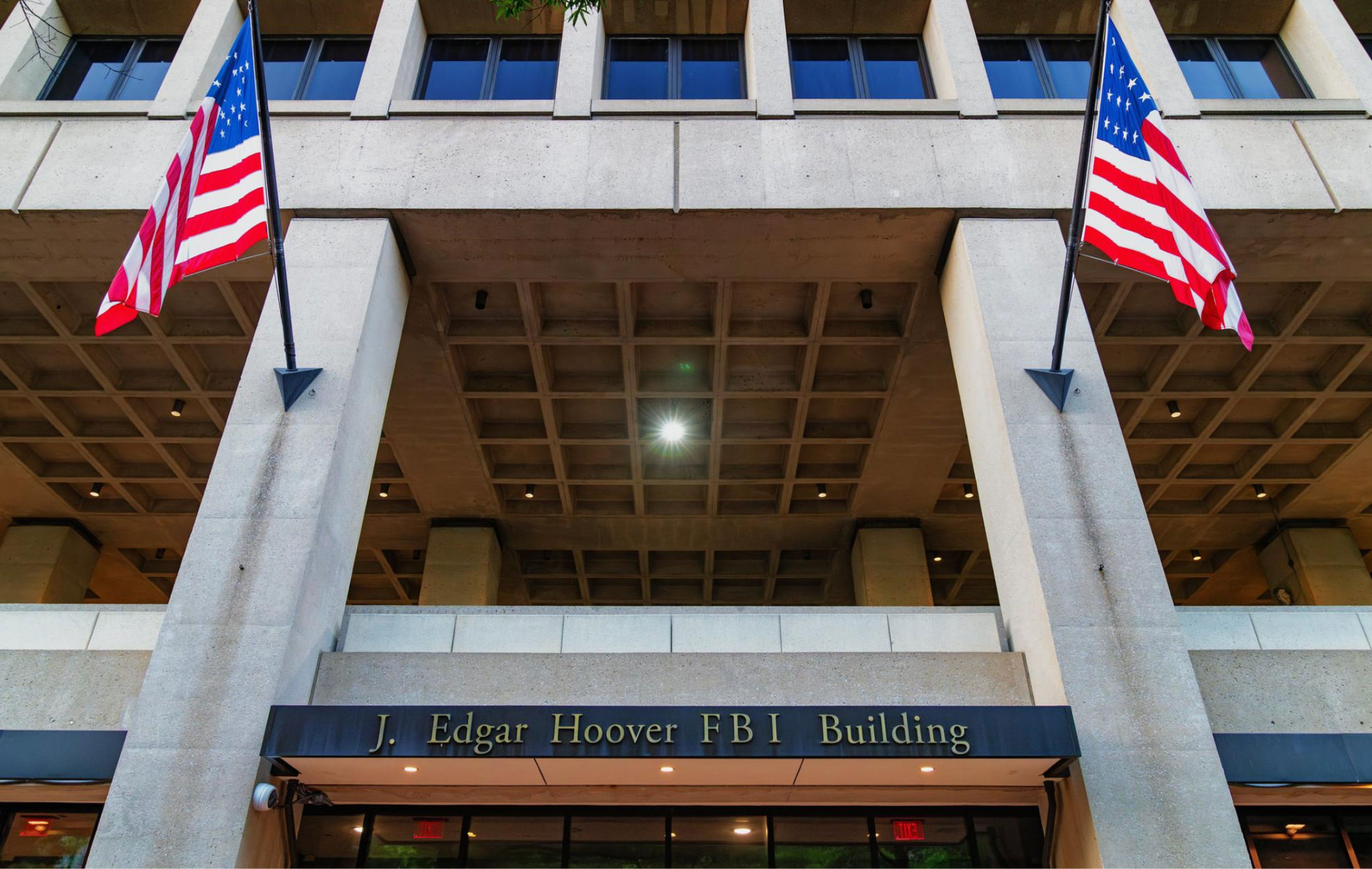
WASHINGTON — November 22, 2026 — The FBI is investigating an apparent cyber intrusion involving one of America's most important law-enforcement information systems, raising questions about whether sensitive records on fugitives, missing persons and criminal investigations were exposed.
The National Crime Information Center, known as NCIC, is used by police and federal agencies across the United States. Its databases help officers identify wanted individuals, verify warrants and locate missing people.
The investigation was first reported by CNN and subsequently confirmed to The Associated Press by a person familiar with the matter.
The FBI declined to comment on Saturday, November 21. The unanswered questions extend beyond cybersecurity. They concern the reliability and confidentiality of information that law-enforcement officers depend on during everyday operations.
It is a national information-sharing system that connects law-enforcement agencies across different jurisdictions.
Officers use it to check whether a person is wanted, whether a vehicle has been reported stolen or whether a missing-person report exists.
The system also supports investigations involving firearms, court orders and other criminal-justice matters.
Its value comes from the ability to make records available quickly to authorized users.
An officer in one state may need information originally entered by an agency hundreds of miles away.
That makes NCIC a central part of modern policing.
It also makes the system a significant cybersecurity target.
Reports about the apparent intrusion emerged on November 21.
CNN cited people briefed on the investigation.
The Associated Press independently confirmed that the FBI was examining the matter through a person familiar with the situation.
The source spoke anonymously because they were not authorized to discuss the investigation publicly.
The FBI declined to comment.
That left several important questions unresolved.
No official technical report accompanied the initial disclosures.
The investigation therefore began attracting attention before authorities had provided a detailed account of the incident.
The central development is the reported investigation of an apparent intrusion.
That does not automatically mean the entire NCIC database was compromised.
An attacker might attempt to reach a system without successfully opening protected records.
A compromise might affect one component rather than every connected service.
The distinction is important because NCIC contains several categories of sensitive records.
The consequences would depend on which systems were affected, what permissions were obtained and whether information was copied or changed.
Those details remain central to the investigation.
The National Crime Information Center contains records used in criminal-justice operations.
Its information includes entries involving wanted persons and missing persons.
It also contains records associated with stolen vehicles, firearms and other property.
Other categories involve protection orders, registered sex offenders and certain immigration or national-security matters.
These categories serve different purposes.
A missing-person record helps police locate someone.
A stolen-vehicle record helps officers identify property.
It includes information about victims, protected individuals and people whose whereabouts are unknown.
Missing-person information is among the most sensitive categories in NCIC.
Such records can help police identify children and adults who have disappeared.
They may contain identifying details used to distinguish one person from another.
Officers can consult the system when encountering someone who may be missing.
The purpose is to help reunite people with families or support investigations.
If such records were accessed without authorization, confidentiality concerns could arise.
However, no public evidence establishes that missing-person records were taken in this incident.
The possibility is important because of the database's contents.
It should not be confused with a confirmed disclosure involving missing children or their families.
Another major NCIC function involves information about people wanted by law enforcement.
An officer conducting a traffic stop may use the system to determine whether an outstanding warrant exists.
That information can affect how the encounter proceeds.
Records must therefore be accurate and current.
An outdated or incorrect entry could create serious problems.
An unauthorized alteration could also affect investigations if it went undetected.
But the current reporting does not establish that NCIC records were modified.
It also does not identify any false warrant or deleted fugitive entry resulting from the suspected intrusion.
The concern is about the potential consequences of compromised access to a system used in consequential decisions.
A central question is whose information could be affected.
It also supports records involving missing people and individuals protected by court orders.
That means some people whose information appears in the system may never have been arrested.
The distinction matters when assessing the potential reach of a cybersecurity incident.
A database holding criminal-justice information can contain information about people who are victims, witnesses or otherwise connected to law-enforcement records.
However, the categories stored in NCIC do not establish which records, if any, were accessed during the reported incident.
Protection-order records help officers determine whether a court has imposed restrictions involving particular individuals.
Those records may be important during domestic-violence calls or other encounters involving threats.
Accurate access can help officers understand legal restrictions relevant to a situation.
The confidentiality and integrity of such information are important.
Unauthorized disclosure could create privacy concerns.
Unauthorized modification could create a different kind of risk by affecting the information officers receive.
Neither outcome has been established in the current NCIC investigation.
The issue illustrates why investigators must determine not only whether someone entered a system, but also what they could see or change.
NCIC also helps law enforcement identify stolen property.
Officers may check vehicle identification numbers or other identifying information against national records.
Stolen firearms and certain other property can also be recorded.
This allows agencies to share information across state lines.
A vehicle stolen in one jurisdiction may be recovered in another.
The database helps connect those events.
If an attacker obtained access to such records, the consequences would depend on the data involved and whether it was merely viewed, copied or altered.
No verified evidence shows that stolen-vehicle or firearm records were extracted in the November incident.
Investigators have not publicly identified any affected property database.
The claim that a single AI flaw opened NCIC to hackers introduces a specific technical explanation.
Establishing that explanation would require evidence that an artificial intelligence system was involved in the intrusion.
Investigators would need to identify the affected software, the vulnerability and how it allowed unauthorized access.
No such technical finding has been publicly reported.
BleepingComputer also reported that the method of access remained unknown.
Artificial intelligence can be used in cybersecurity, including for detecting suspicious activity.
Attackers may also use automated tools.
But the use of automation does not establish that an AI vulnerability caused a breach.
For NCIC, the entry point remains one of the investigation's central questions.
Cybersecurity investigations often begin with unusual activity rather than a complete understanding of an attack.
Investigators may discover suspicious logins, unexpected network connections or attempts to access restricted resources.
They then examine records to determine whether the activity was authorized.
An initial warning can reveal an attempted intrusion, a limited compromise or a wider breach.
The distinction depends on evidence.
Investigators may need to reconstruct what happened over hours, days or longer.
They may also examine whether accounts were misused or software weaknesses were exploited.
These are general investigative possibilities, not confirmed explanations for the NCIC incident.
An important distinction concerns what attackers may have accomplished.
Unauthorized access means someone reached a system or resource without permission.
Data theft involves obtaining information, often by copying it outside the authorized environment.
A person might enter a system without reaching its most sensitive records.
Alternatively, an attacker might access a restricted dataset without removing a complete copy.
Investigators must examine logs and other evidence to determine what occurred.
In the NCIC case, no reliable public report establishes that the full database was downloaded.
The investigation's outcome could therefore differ significantly from the broadest claims circulating online.
Data confidentiality is only one concern.
For law-enforcement systems, the integrity of records is equally important.
An inaccurate entry could affect an officer's understanding of a person or situation.
Unauthorized deletion might interfere with an investigation.
An altered warrant or missing-person record could produce serious operational consequences.
These risks explain why investigators examine whether a suspected intruder had permission to modify data.
However, the current reporting does not identify any altered NCIC record.
No official has announced that warrants were deleted, criminal histories rewritten or missing-person entries changed.
Those outcomes remain hypothetical risks associated with a system of this kind.
Law-enforcement officers frequently make decisions with limited time and incomplete information.
A database response may help them determine whether a person is wanted or whether property has been reported stolen.
Those results can influence the next steps in an encounter.
The system must therefore provide information that is both available and reliable.
A cybersecurity incident can raise concerns even if no information is publicly leaked.
Investigators may need to verify that records remain accurate.
Agencies may also need to review access permissions or monitor unusual activity.
The NCIC investigation follows another reported cyber incident involving the FBI.
In September 2026, the hacking group ShinyHunters claimed to have obtained information associated with the bureau's recruitment systems.
The earlier incident involved the FBI's jobs portal, which handles information related to employees and applicants.
The group's claims raised concerns about personal data held by systems connected to federal agencies.
The FBI investigated that episode.
However, the recruitment portal and NCIC serve different functions.
The earlier incident concerned employment-related information.
NCIC is a nationwide criminal-justice information system.
The existence of both investigations does not establish that the same attackers were responsible.
Its name appeared in reporting about the September FBI jobs portal incident.
That history has prompted questions about whether the group could also be connected to NCIC.
BleepingComputer reported that no such connection had been established.
No identified attacker or group has been publicly confirmed as responsible for the latest incident.
Attribution in cyber investigations requires evidence.
Investigators may examine infrastructure, malware, account activity and other technical indicators.
A previous attack against the same organization is not enough to identify the perpetrator of a new incident.
For now, the identity of the suspected NCIC intruder remains unknown.
The FBI also disclosed an investigation into suspicious activity involving an internal system in March 2026.
According to the Associated Press, that system contained sensitive information related to surveillance operations and investigations.
The March disclosure concerned a different part of the bureau's information environment.
It was not identified as the NCIC system.
The distinction matters because the FBI operates multiple systems serving different purposes.
A security incident affecting one service does not necessarily establish access to another.
The March, September and November reports demonstrate the range of cybersecurity concerns facing the bureau.
The NCIC report also emerged during a period of technology disruptions affecting government and private-sector systems.
Administration officials had attributed several outages to routine upgrades and vulnerability repairs.
Those explanations differed from allegations of malicious intrusion.
The Associated Press reported no immediate indication that the NCIC incident was connected to the outages.
A service disruption and a cyberattack can sometimes occur together, but they are not interchangeable.
Systems may become unavailable because of maintenance, configuration errors, equipment problems or malicious activity.
Determining the cause requires technical evidence.
The available NCIC reporting does not establish that the suspected intrusion caused a nationwide outage.
President Donald Trump was asked about the reported incident during a Fox News Channel interview on November 21.
He said he had just learned about the matter and described the news as troubling.
His brief response did not identify the attackers or provide technical details.
It also did not establish how much information, if any, had been compromised.
The remarks demonstrated that the report had reached the White House.
They did not constitute a public finding by investigators.
The FBI's position remained limited: the bureau declined to comment on the apparent hack.
That left independent reporting and the investigation itself as the principal sources of information about the incident.
The FBI has not issued a detailed public explanation of the suspected NCIC compromise.
That absence limits what can be established about the event.
It also leaves law-enforcement agencies and the public without a complete picture of the potential impact.
There can be operational reasons for withholding details during a cybersecurity investigation.
Disclosing technical information too early could reveal defensive measures or investigative methods.
At the same time, the public has an interest in knowing whether sensitive records were affected.
The challenge is to provide accurate information without compromising an ongoing investigation.
If investigators determine that personal information was compromised, authorities would need to assess applicable notification obligations.
Those requirements can depend on the type of information, the responsible agency and the legal framework governing the records.
Some information may be particularly sensitive because it concerns victims, protected individuals or active investigations.
A confirmed breach could require coordination with other agencies that contributed data to the system.
However, no public notification list has been established for the NCIC incident.
There is also no verified process identifying particular individuals whose records were accessed.
The absence of a notification does not prove that a person's information was exposed or that it was unaffected.
The investigation must first establish the facts.
Cybersecurity incidents often attract opportunistic scams.
Messages may claim that personal records have been stolen and demand payment or sensitive information.
Criminals can use public concern about a reported breach to make such messages appear credible.
For people worried about NCIC, the most important distinction is between official communication and an unsolicited claim.
A message alleging access to an individual's FBI record should not be treated as proof of exposure.
Anyone receiving such a message can independently verify the claimed sender through an established official channel.
The current reporting does not establish that a specific NCIC-related scam campaign has begun.
The warning reflects a general risk that accompanies high-profile cybersecurity news.
Several questions will shape the outcome of the NCIC investigation.
The first concerns how the suspected intruder gained access.
The second concerns what systems or accounts were reached.
Investigators must then determine whether records were viewed, copied, altered or deleted.
They may also need to establish how long unauthorized activity continued.
Another question concerns whether the incident affected the availability of information to police.
Finally, authorities must determine who was responsible.
Each answer has different implications.
A limited intrusion into a peripheral service would differ from the theft of sensitive criminal-justice records.
The public evidence currently does not establish which outcome occurred.
NCIC is used by law-enforcement agencies throughout the United States.
Its importance comes from connecting information across jurisdictions.
A local officer may need records entered by a distant police department.
Federal investigators may rely on information contributed by state or local agencies.
That shared structure provides major operational benefits.
It also means cybersecurity concerns can extend beyond the FBI itself.
If an incident affected the confidentiality or accuracy of shared records, multiple agencies could have an interest in the findings.
However, the existence of a nationwide system does not mean every participating agency or record was compromised.
The scale of the incident remains an open question.

The next significant development would be an official account establishing the scope of the suspected intrusion.
That could clarify whether attackers obtained unauthorized access to NCIC records.
Investigators may also determine whether the incident involved a software vulnerability, compromised credentials or another entry method.
Any confirmed data exposure would raise additional questions about notification and remediation.
For law-enforcement agencies, the priority would be maintaining reliable access to accurate information.
For the public, the central concern is whether identifiable personal records were affected.
Neither question has been answered through a detailed public finding.
Until the investigation produces more information, the confirmed story remains narrower than claims of a nationwide theft.
That is the question at the center of the incident.
NCIC contains records concerning fugitives, missing persons, arrest warrants, protection orders and stolen property.
Some of those records concern people suspected of crimes.
Others concern victims, missing children and individuals protected by court orders.
The system's reach explains why a possible intrusion is significant.
Comments (0)
Loading comments...
May You Like

THANKSGIVING CRISIS: NYC PARADE POSTPONED AFTER FBI WARNING—$900 MILLION LOST!

CARIBBEAN PRINCESS: 5,000+ ABOARD, UNKNOWN VIRUS—CHINESE PASSENGER IS FIRST KNOWN CASE!

AMERICA'S LUCAS DRONE — A POTENTIAL GAME CHANGER IN THE SOUTH CHINA SEA?













