
FBI THREAT ALERT HALTS NYC THANKSGIVING PARADE—$900 MILLION IN LOSSES!
NEW YORK — November 26, 2026 — New York City has postponed the historic 100th Macy’s Thanksgiving Day Parade after officials determined that dangerous conditions forecast for Thanksgiving could threaten the safety of spectators, performers and emergency personnel. The decision marks the first weather-related postponement in the history of one of America's most recognizable holiday traditions.
Mayor Zohran Mamdani announced the decision Wednesday following consultations involving Macy’s, the New York Police Department and other municipal agencies. Authorities have rescheduled the celebration for Saturday, November 28, at 8:30 a.m. Eastern Time.
The announcement came as preparations were already underway in Manhattan, with workers inflating the parade's famous balloons and organizers completing arrangements for the centennial celebration.
For generations of American families, the Macy’s Thanksgiving Day Parade has represented the beginning of the holiday season. Giant balloons depicting famous fictional characters, elaborate floats, marching bands and musical performances have attracted enormous crowds to Manhattan while reaching television audiences nationwide.
The centennial celebration was expected to carry particular significance because of the parade's long history and its position within American popular culture. Hotels, restaurants, retailers and entertainment businesses had prepared for an influx of visitors during one of New York City's most important holiday periods.
A municipal planning document issued before the postponement projected that more than 3.5 million spectators would gather along the parade route. The estimate illustrates the scale of the public safety responsibilities associated with organizing the event.
Moving a celebration of this size requires more than changing its starting date. Transportation arrangements, employee schedules, television production, commercial operations and the availability of emergency personnel must all be reconsidered.
During a news conference Wednesday evening, Mamdani acknowledged the disappointment that the postponement would cause for New Yorkers and families around the country.
The mayor referred to generations of spectators who had watched SpongeBob, Spider-Man and Garfield travel through Manhattan's streets. He recognized that changing the schedule would disrupt plans that many families had made well in advance.
“Yet safety has to come first,” Mamdani said.
His remarks reflected the challenges facing city officials as they evaluated whether the parade could proceed under potentially dangerous conditions. The decision required authorities to consider not only the risks associated with the giant balloons but also the safety of performers, large crowds and thousands of workers responsible for supporting the celebration.
Mamdani subsequently encouraged New Yorkers to prepare for difficult travel conditions throughout Thanksgiving Day. City authorities warned that the storm could affect areas well beyond the streets associated with the parade.
The mayor's emphasis on public safety has raised questions about whether the decision involved security concerns beyond the approaching storm. Large public celebrations in New York routinely require coordination among law enforcement organizations because of the number of people attending and the international prominence of the events.
The official explanation, however, identifies severe weather as the reason for postponing Thursday's parade. The announcement followed an assessment of potentially dangerous winds, heavy rainfall and coastal flooding expected to affect New York City.
No publicly authenticated FBI alert has established that the Thanksgiving parade was postponed because of terrorism.
The city's official emergency management announcement provides further insight into the decision.
On November 25, Mamdani and New York City Emergency Management issued a Thanksgiving travel advisory describing the threat posed by an approaching coastal storm. The National Weather Service placed the city under high-wind and coastal-flood warnings.
Officials said wind gusts could reach 65 mph, approximately 105 kilometers per hour, while heavy rainfall and elevated tides could contribute to flooding. Conditions were expected to deteriorate throughout Thursday, with the most severe impacts anticipated later in the day.
Although the parade was originally scheduled for the morning, forecasts indicated that winds could become dangerous before the worst of the storm arrived.
For organizers responsible for enormous helium balloons, the potential for sudden gusts represents a particularly serious concern. Even relatively brief changes in wind conditions can affect the stability and movement of large airborne objects.
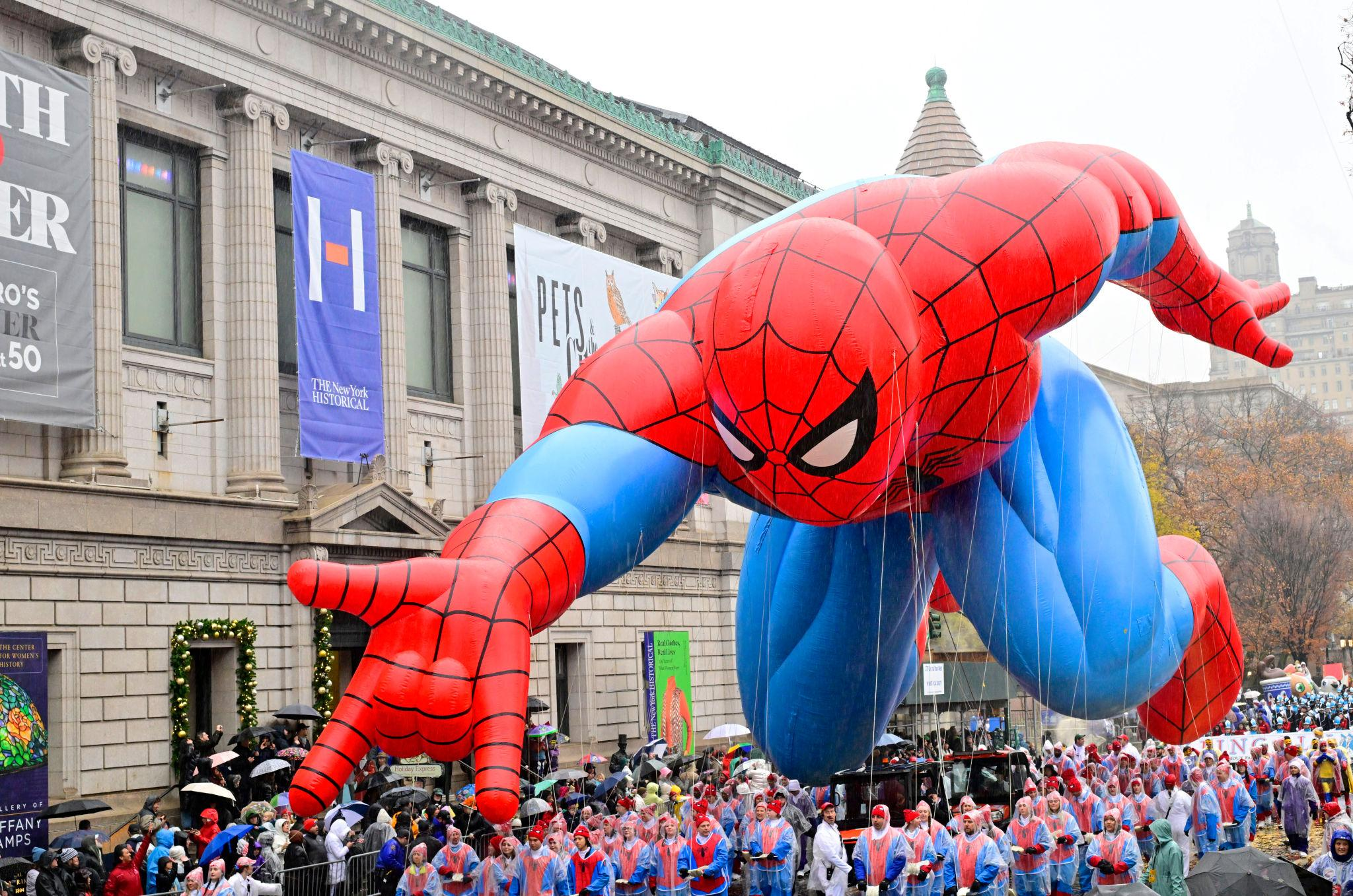
These restrictions are substantially below the strongest winds forecast for Thanksgiving. Meteorological projections indicated that gusts could exceed the permitted threshold during the morning, compromising one of the celebration's central attractions.
Manhattan's closely spaced buildings can further complicate wind conditions. Air moving between tall structures may produce localized changes that differ from measurements recorded elsewhere in the city.
For balloon handlers, those variations can make maintaining control more difficult. The concern is especially significant when large crowds are gathered near moving floats and other parade equipment.
Proceeding without the balloons was one possible alternative, but organizers ultimately selected a different date when conditions were expected to be more favorable.
The parade's current safety requirements have their origins in previous incidents that demonstrated the dangers associated with large inflatable displays.
During the 1997 Thanksgiving celebration, a Cat in the Hat balloon struck a lamppost amid difficult wind conditions. The accident injured spectators, including a woman who suffered critical injuries.
The incident led to increased scrutiny of balloon handling and changes intended to prevent similar accidents. Weather restrictions subsequently became an important part of the parade's operating procedures.
The historical experience helps explain why officials place considerable emphasis on forecasts before allowing the parade to proceed. The consequences of losing control of a massive balloon in a crowded urban environment can extend beyond the individuals directly responsible for handling it.
New York's decision to postpone the centennial celebration reflects an established approach to managing risks rather than waiting for a dangerous situation to develop while spectators are already assembled.
The postponement has also created substantial logistical challenges for the New York Police Department.
According to News 12, Commissioner Tisch said more than 1,000 officers who had been scheduled to be off duty would instead be called into work to support Saturday's celebration.
Large public events require coordination between multiple municipal services, including police, firefighters, emergency medical personnel and transportation agencies. Changing the date can affect staffing arrangements across those organizations.
The police department must also accommodate New York's other holiday activities. Thanksgiving weekend includes major shopping events and increased tourism, creating competing demands for personnel and public services.
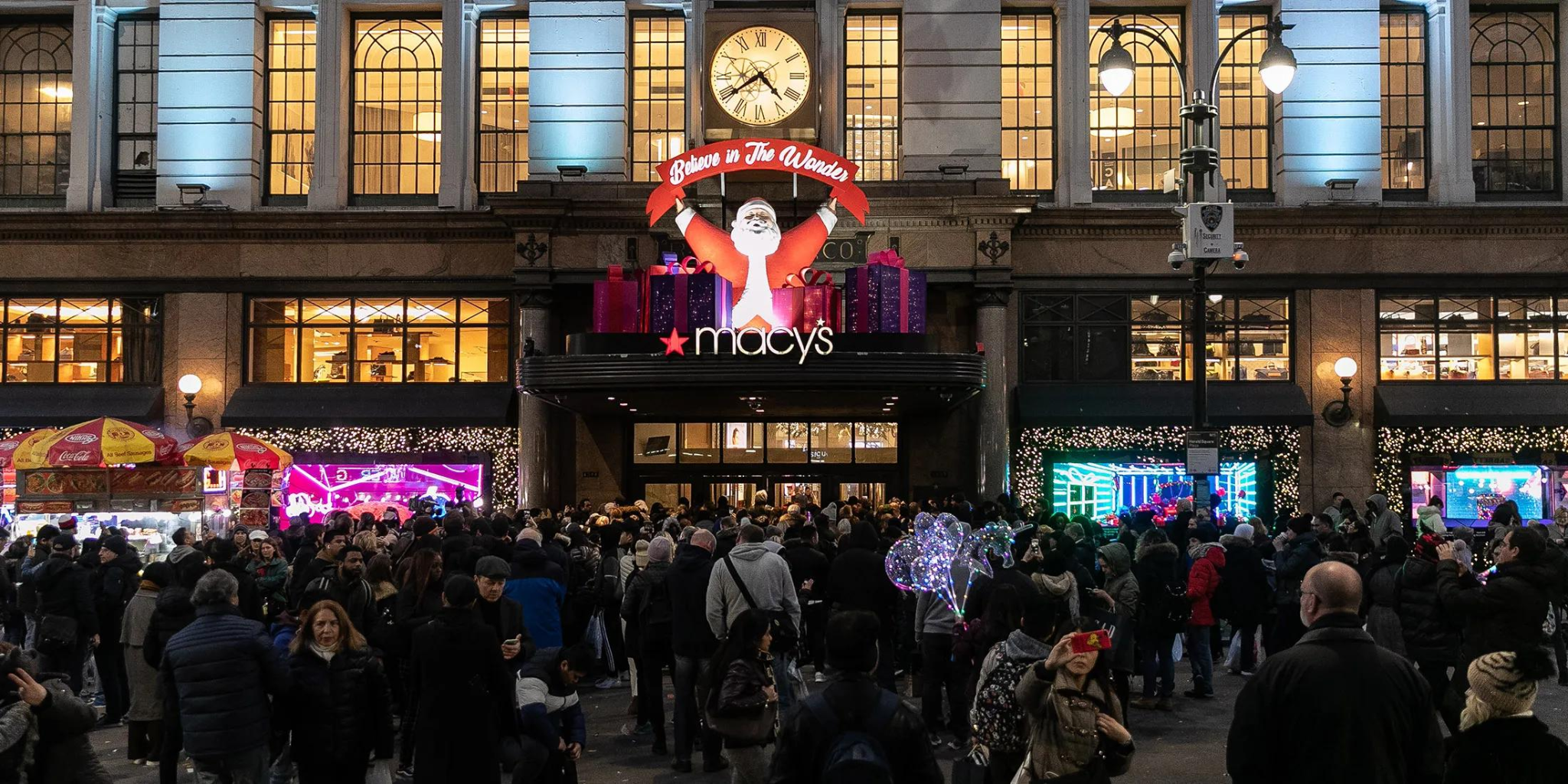
The postponement has introduced uncertainty for businesses that anticipated substantial Thanksgiving Day revenue. New York's hospitality and retail industries benefit from the large number of visitors attracted by the parade, particularly those who travel from outside the region.
Hotels may face reservation changes, restaurants could experience reduced attendance at scheduled meals and transportation providers may need to adjust their operations. Vendors, event contractors and entertainment businesses could also encounter unexpected expenses.
However, determining the overall financial impact requires a distinction between lost revenue and economic activity transferred to another date. Unlike a complete cancellation, the postponement allows many visitors and businesses to participate in the celebration on Saturday.
A projected loss of $900 million would require evidence from hotel reservation data, business revenue reports, advertising agreements, event expenditures and broader tourism statistics. No such comprehensive financial assessment has been publicly established in the reporting surrounding the postponement.
The ultimate economic consequences may therefore depend on how many visitors remain in New York through Saturday and how successfully businesses adapt to the revised schedule.
The decision required crews to reverse substantial portions of their work. Reuters reported that the balloons would need to be deflated, transported back to New Jersey and prepared again for the rescheduled parade.
Reuters
The process creates additional demands on personnel, transportation arrangements and equipment. It also requires organizers to coordinate the availability of performers and participants who originally planned to complete their responsibilities on Thanksgiving Day.
For many spectators, the traditional public balloon-inflation event represents an important part of the holiday experience. Organizers have indicated that a second public viewing of balloon inflation will not be held on Friday.
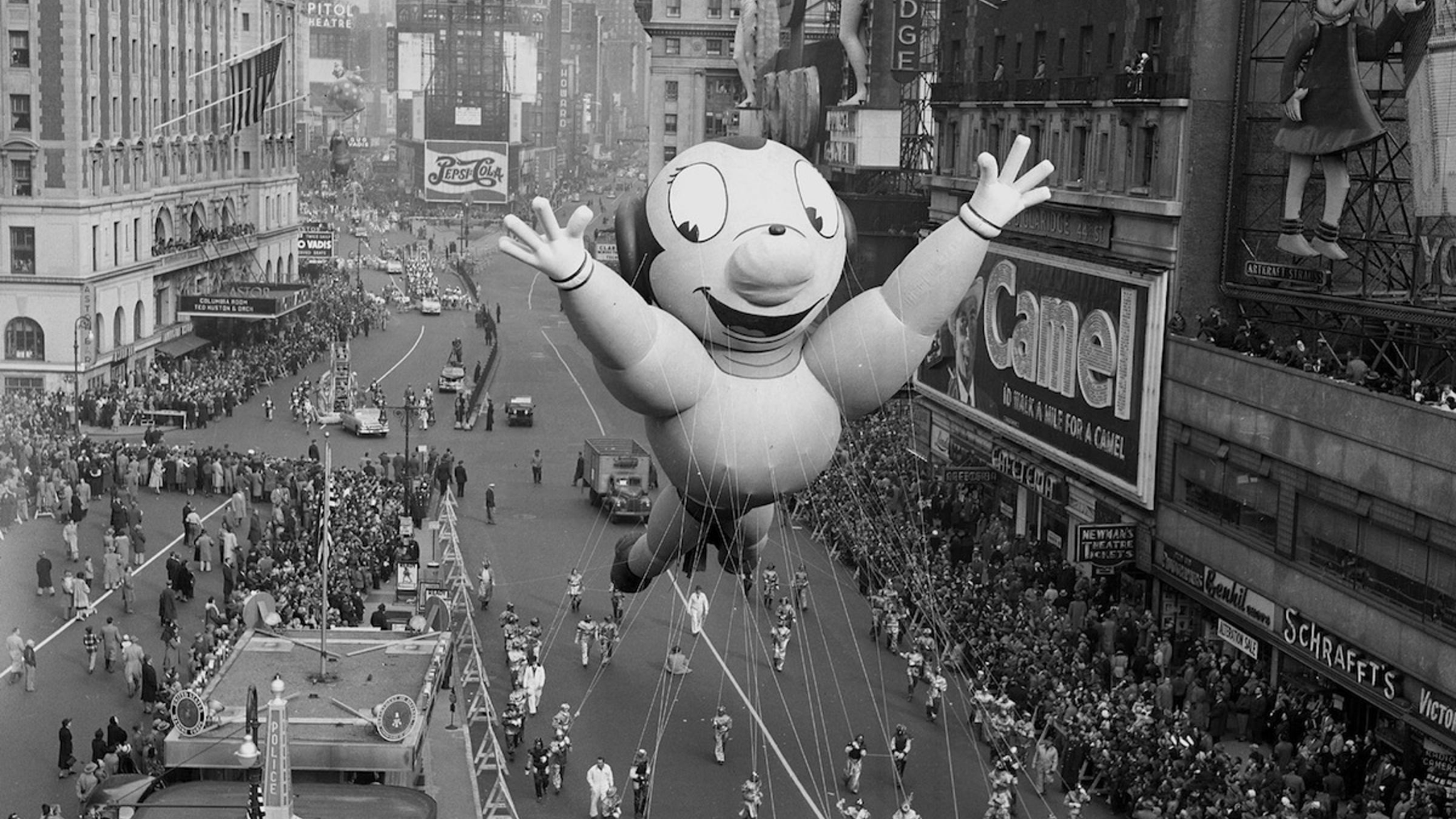 New York officials warned residents to anticipate delays and reconsider unnecessary travel during the most dangerous conditions. The possibility of flooding, falling branches and power interruptions introduces concerns for communities throughout the region.
Travelers visiting New York for the holiday may face difficult decisions about whether to extend their stays until Saturday. Those holding return transportation reservations may be unable to attend the rescheduled celebration without making additional arrangements.
The broader economic consequences of the storm should therefore be distinguished from those attributable specifically to the parade's postponement.
Major public celebrations in the United States may involve cooperation between local police departments and federal law enforcement agencies. The FBI has responsibilities concerning national security threats and could participate in investigations involving possible terrorism.
In general, federal agencies may evaluate intelligence, investigate suspicious activity and communicate relevant findings to local authorities. However, the presence of federal law enforcement personnel or routine security coordination does not necessarily indicate that a specific threat has been discovered.
Establishing that an FBI warning caused the postponement would require credible evidence directly connecting such a warning to the city's decision.
The available official explanation instead identifies a coastal storm and dangerous winds as the basis for rescheduling the event. Police statements concerning the absence of known credible threats further distinguish the circumstances from a confirmed terrorism emergency.
The Thanksgiving parade has experienced numerous changes throughout its long history. Its displays, musical performances and television broadcasts have evolved alongside changes in American entertainment and popular culture.
The parade was suspended during World War II, when restrictions on materials affected the availability of supplies. Weather has also disrupted its signature balloon displays during previous celebrations.
For a tradition so closely associated with Thanksgiving morning, that represents an unusual departure from its established identity.
Nevertheless, rescheduling rather than cancelling the celebration provides an opportunity for organizers to preserve much of the planned centennial event.
The evidence surrounding New York's decision points toward a combination of dangerous weather forecasts, established balloon safety restrictions and concerns about protecting enormous crowds.
Mamdani's remarks emphasized the importance of public safety, while the city's emergency management announcement identified high winds, heavy rainfall and coastal flooding as the principal hazards. Police authorities separately addressed security arrangements and reported no known specific threat against the celebration.
The immediate priority for New York remains managing Thursday's coastal storm and completing preparations for the rescheduled event.
If weather conditions improve as anticipated, the 100th Macy’s Thanksgiving Day Parade is scheduled to begin Saturday morning, allowing one of America's most enduring holiday traditions to continue despite an unprecedented interruption.
Comments (0)
Loading comments...
May You Like

PACIFICA PIER IN CALIFORNIA COLLAPSE REVEALS MASSIVE CRACK BENEATH THE OCEANs!

TRUMP CALLED FOR KIMMEL’S FIRING—THE FCC ACTED THE VERY NEXT DAY

IOWA NIGHTMARE: SECOND ARMY BLAST, 10,000 EVACUATED, 201+ HOSPITALIZED!









Popular Posts



