
FCC CLEARS SPACEX FOR ONE MILLION AI SATELLITES AS ASTRONOMERS SOUND ALARM
WASHINGTON — NOV 27, 2026 — A major satellite project has brought new attention to the systems that connect people, businesses and scientific observatories across the planet.
The proposal comes as technology companies seek more computing capacity to support artificial intelligence and handle increasing amounts of digital information.
Its development also raises questions about how new spacecraft might share the space and radio spectrum used by communications networks and researchers.
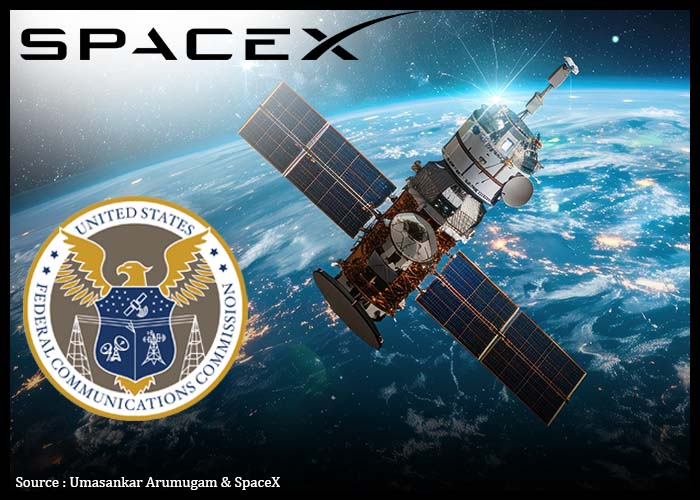
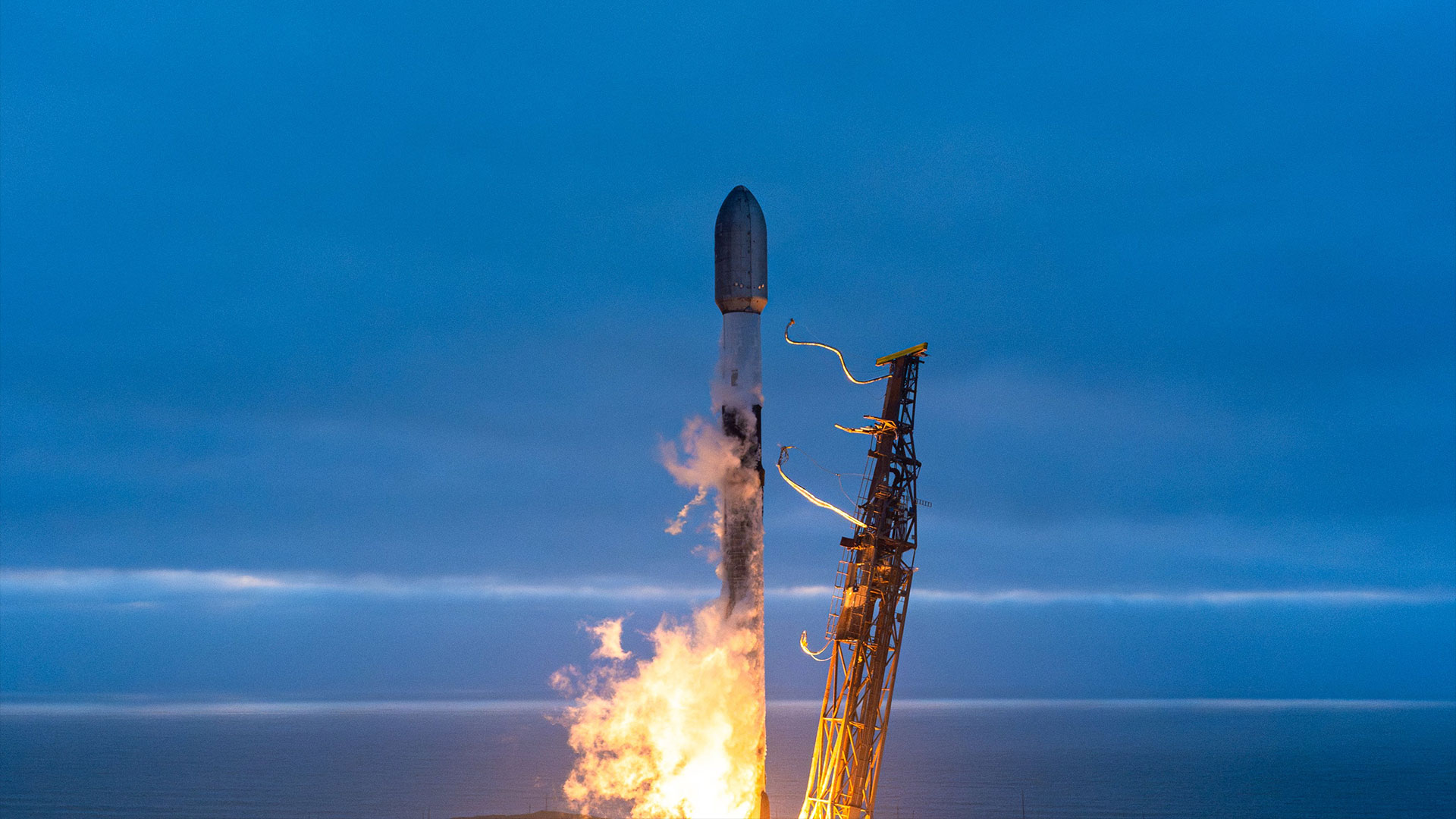
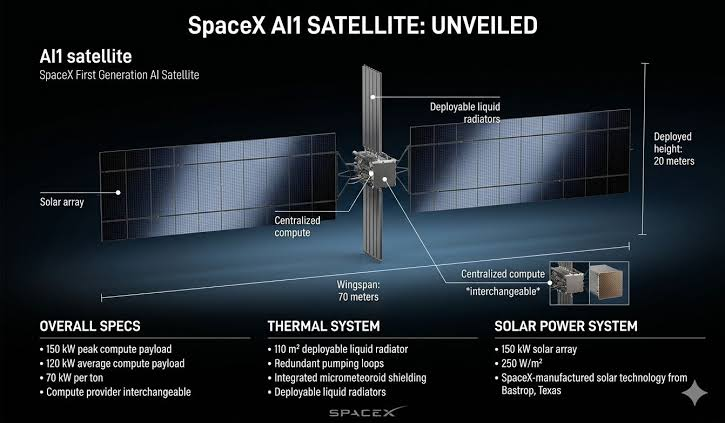
SpaceX calls the proposed system Starmind and envisions a network of computing satellites operating in low Earth orbit, where they could process information for customers on the ground.
The company has pointed to solar energy in space as an advantage for its plans, which would involve building and operating an extensive constellation of spacecraft over a period of years, with each satellite forming part of a larger network intended to process and transfer data.
On Nov 25, the Federal Communications Commission granted conditional authorization for up to 1 million satellites, subject to requirements governing deployment and radio operations.
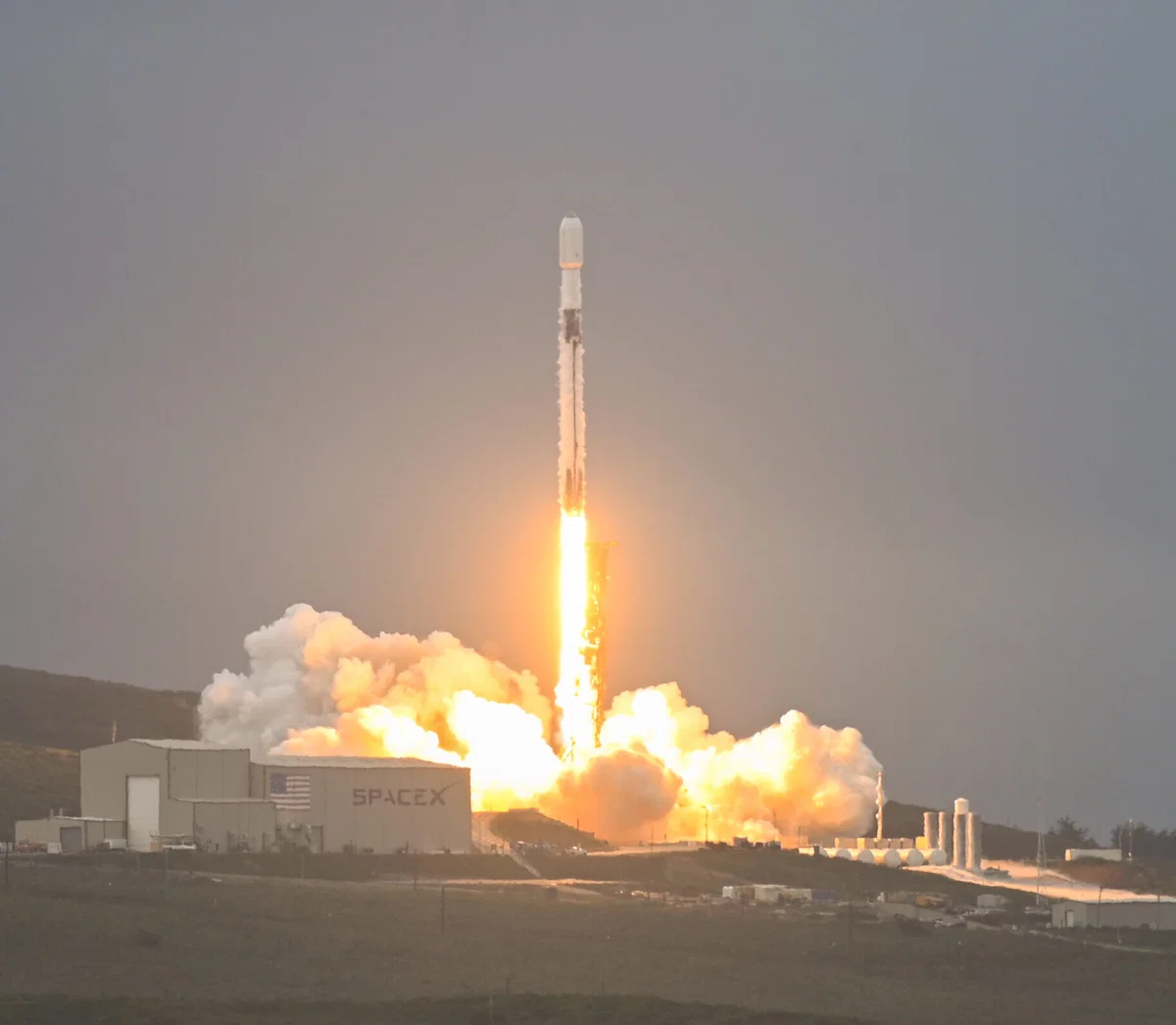
The authorization sets milestones over several years, including a requirement for the first authorized satellite to be operating by November 2033 under the terms of the order.
SpaceX plans optical links between satellites, while the radio frequencies covered by the authorization are intended for backup and emergency control, tracking and telemetry.
Those radio operations must comply with conditions intended to prevent harmful interference, and SpaceX cannot claim protection from other users of those particular frequencies.
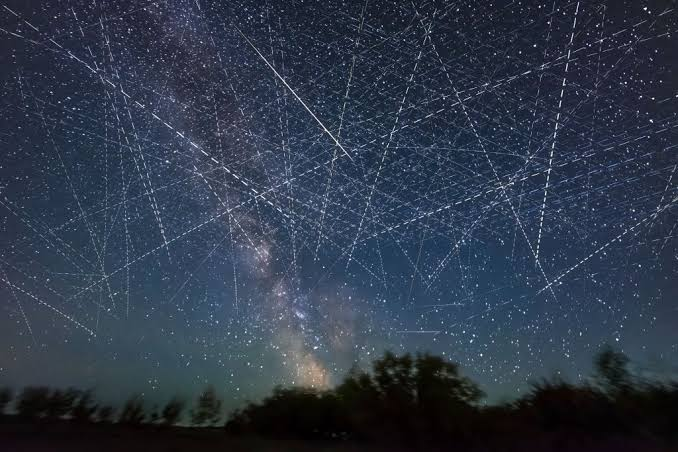
Astronomers have focused on the possibility that additional bright objects could cross telescope images and make some observations more difficult to collect and analyze.
The American Astronomical Society has also raised concerns about unwanted radio emissions, which could mask faint signals that researchers rely on to study distant objects and could make observations harder for facilities that depend on detecting exceptionally weak signals from space.
The European Southern Observatory has warned that a network of this scale could add to concerns about collisions, the night sky and effects on the atmosphere.
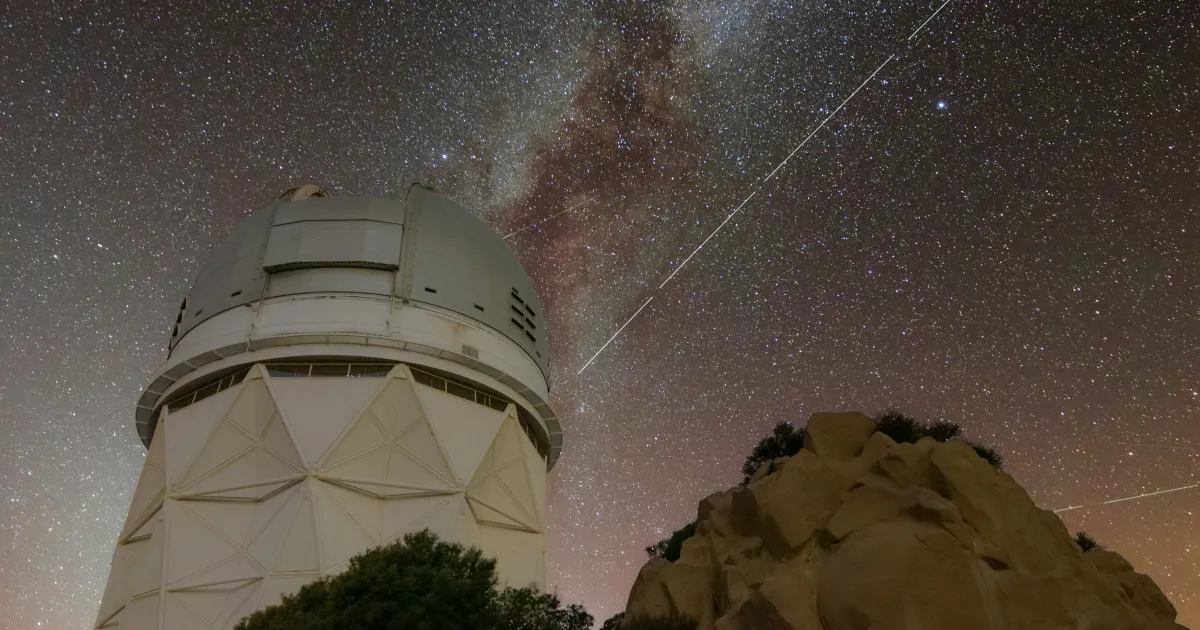
Such concerns reach beyond individual observatories because public institutions support research that depends on long observations and access to sensitive instruments around the world.
Communications companies have raised separate questions about radio interference, putting the relationship between a proposed space system and other spectrum users before regulators.
For a household, interference affecting a provider’s satellite link could interrupt a connection or reduce its quality until the source of the problem is identified and resolved.
The effect would depend on the frequencies and equipment involved, where the interference occurs and whether the customer’s phone or internet service relies on the affected link, since different providers use different networks and many ordinary connections travel through ground-based infrastructure.
A disruption to a satellite connection could mean slower data, an interrupted call or a temporary loss of access for customers whose service depends on that connection.
The agency’s authorization covers backup and emergency communications for the planned satellites, with operating conditions intended to protect other users of the same radio spectrum.
For astronomers, the principal concerns involve satellite brightness and unwanted radio emissions, which can complicate observations rather than describe a specific effect on household devices.
The project’s eventual scale and its effects on communications and scientific observations will depend on deployment, operating conditions and how the network performs alongside existing systems.
Comments (0)
Loading comments...
May You Like

NYC EMERGENCY—MILLIONS FACE EVACUATION RISKS, MACY'S GIANT BALLOONS REMOVED FOR SAFETY!

IOWA CRISIS — 150+ WITH LEAD AND MERCURY POISONING, 69 CRITICAL!

PENTAGON'S DECLASSIFIED UFO FILES — THE MYSTERY OF AN UNDERGROUND STORAGE PROJECT!

Latest Posts








Popular Posts



