
FIONA DEATH TWIST: PETA SUES; LEAKED REPORT REVEALS 12 SAFETY FAILURES AT CINCINNATI ZOO!
Fiona’s Death Raises Questions Over Cincinnati Zoo’s Safety Standards as Attention Turns to Mother Bibi
New protective measures at Hippo Cove have brought renewed scrutiny to the circumstances surrounding Fiona’s death, raising questions about enclosure design, institutional accountability and the welfare of the surviving hippos.
CINCINNATI, Ohio — November 25, 2026 — The death of Fiona, Cincinnati Zoo’s internationally beloved hippopotamus, has expanded into a broader discussion about animal protection and institutional responsibility after the zoo introduced significant safety modifications to the habitat where a visitor’s knitted hat entered the enclosure, triggering a fatal medical emergency.
The Cincinnati Zoo & Botanical Garden reopened Hippo Cove on November 23, four days after announcing Fiona’s death. The facility installed protective netting above its viewing windows and removed ceiling fans from the surrounding area.
The modifications have drawn attention to the physical conditions that allowed the accident to occur, prompting questions about whether existing industry standards adequately address the risks posed by foreign objects entering animal habitats.
Meanwhile, public concern has shifted toward Fiona’s 27-year-old mother, Bibi, whose welfare has become an important part of the zoo’s ongoing response to the tragedy.
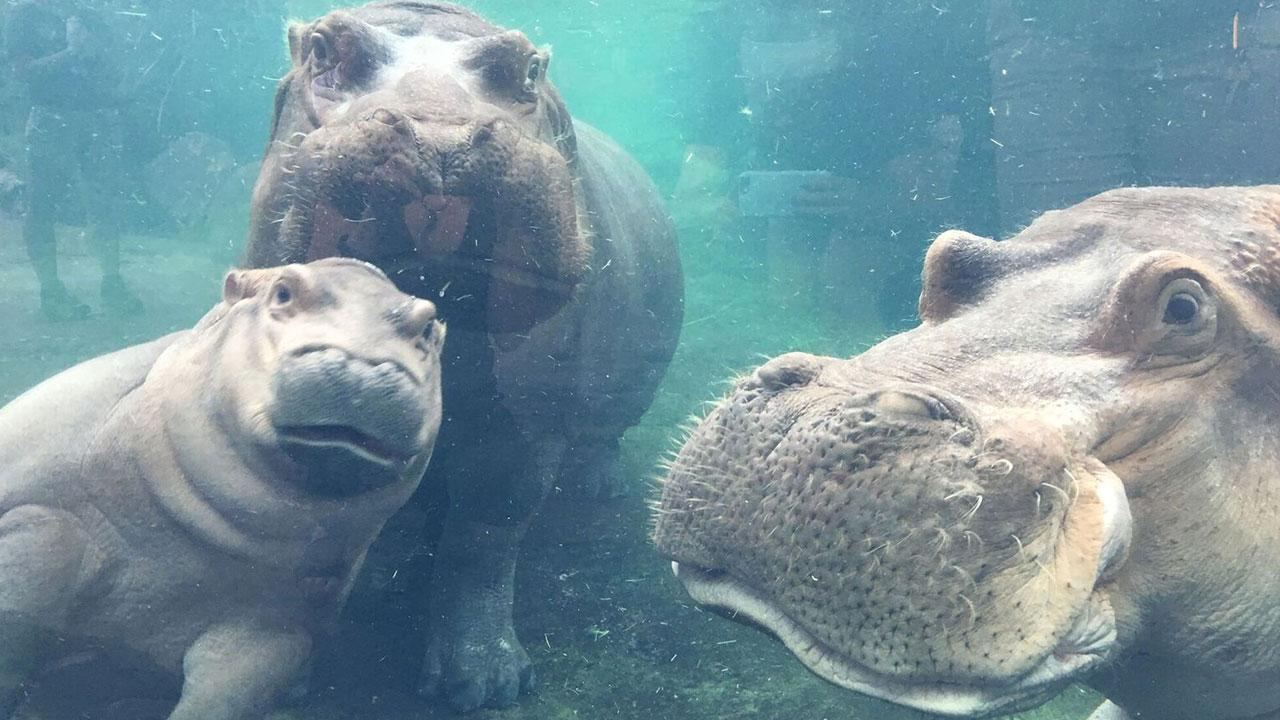
The emergency began on November 8, when a visitor’s knitted hat entered Fiona’s enclosure under unusual circumstances.
According to CNN, the hat was tossed into the air near the habitat before being caught by a ceiling fan. The fan propelled it through an approximately 1-foot opening above the exhibit’s viewing windows.
Fiona swallowed the object, initiating a medical emergency that would continue for 11 days.
The circumstances surrounding the accident have become particularly important because they involved several elements of the zoo’s physical environment rather than a direct interaction between the visitor and the animal.
The viewing barrier, the open space above it and the presence of operating ceiling fans collectively created a route through which a foreign object could reach the enclosure.
Each component may have served an ordinary operational purpose. Their combined effect, however, resulted in circumstances that proved fatal for one of the zoo’s most celebrated residents.
On November 20, Cincinnati Zoo published the results of Fiona’s necropsy, providing additional information about why veterinary intervention had been unsuccessful.
The examination located the knitted hat deep inside her digestive tract, approximately 25 feet beyond her final stomach compartment and another 50 feet from the end of her intestines.
Dr. Mike Wenninger, the zoo’s director of animal health, explained that the object's location placed it beyond the reach of available endoscopic procedures. Fiona’s anatomy also prevented minimally invasive surgical removal.
These conclusions help explain why enclosure safety has become such an important part of the discussion. In circumstances involving large, specialized animals, preventing a medical emergency may be substantially easier than treating one after it occurs.
One of the most consequential questions surrounding Fiona’s death concerns the fact that Cincinnati Zoo had already undergone an accreditation inspection in 2025.
The Association of Zoos and Aquariums, commonly known as AZA, provides accreditation to institutions that meet established standards covering animal welfare, veterinary care, safety and operational management.
Cincinnati Zoo has maintained AZA accreditation since 1978.
Nevertheless, the zoo subsequently changed the habitat.
The distinction between meeting established standards and eliminating every possible safety risk has become central to the discussion.
Fiona’s death therefore raises a broader question about whether inspection procedures should evolve when an unexpected accident exposes a previously overlooked hazard.
The circumstances surrounding Fiona’s death provide a basis for examining a series of specific safety questions that could be relevant to an independent review.
The first concerns the design of the viewing barrier, including whether its dimensions offered adequate protection against objects entering the enclosure from public areas.
A second involves the opening above the viewing windows. A third concerns whether the positioning and operation of ceiling fans created an identifiable risk.
A fourth question involves the zoo’s previous assessment of foreign-object hazards, while a fifth concerns whether earlier incidents involving misplaced visitor belongings had been recorded.
The sixth relates to inspection documentation and whether the habitat’s safety features were evaluated together rather than individually.
Additional questions concern visitor warnings, employee supervision and the procedures available for responding when an object enters an animal habitat.
The remaining issues involve emergency veterinary planning, access to specialized medical resources and the process for communicating significant incidents to accreditation or regulatory organizations.
Together, these 12 areas provide a framework for examining the accident and identifying opportunities for prevention.
The answers would depend on access to inspection reports, facility designs, incident records, veterinary documentation and relevant institutional policies.
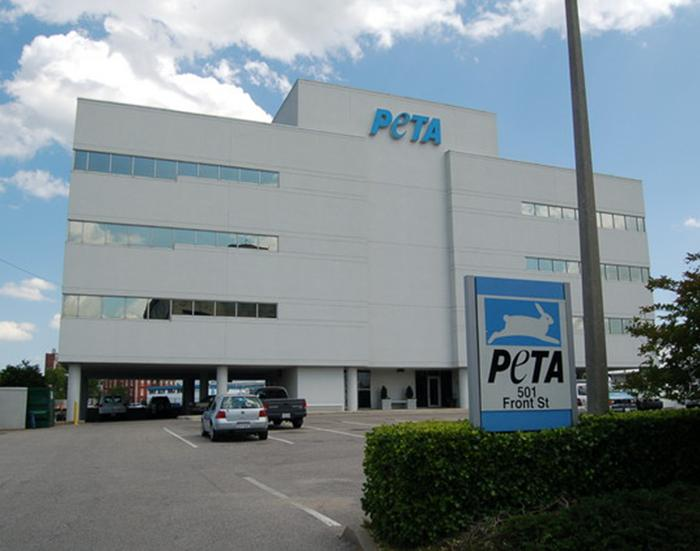
The circumstances of Fiona’s death also raise questions about the potential role of organizations such as People for the Ethical Treatment of Animals, widely known as PETA.
Animal advocacy organizations frequently examine incidents involving animals kept in captivity, particularly when questions arise about habitat conditions, institutional practices or preventable injuries.
Their activities may include public campaigns, requests for regulatory investigations, administrative complaints and litigation where an appropriate legal basis exists.
However, these actions represent different legal processes.
Any lawsuit concerning Fiona’s death would require an identifiable plaintiff, a defendant, a legal basis for the claim and supporting factual allegations.
No authenticated court filing establishing that PETA has sued Cincinnati Zoo over 12 safety failures was identified in the reporting reviewed for this article.
The broader accountability questions nevertheless remain relevant regardless of whether an advocacy organization pursues formal legal action.
An internal examination of the accident could provide information extending beyond the circumstances already described in public statements.
Such a review might assess whether the facility had previously identified the possibility of foreign objects passing above the viewing barriers.
It could also examine how operational decisions concerning ventilation, visitor access and exhibit supervision affected the overall safety of the habitat.
Maintenance documentation might establish when ceiling fans were installed, how frequently they were inspected and whether their positioning had previously raised concerns.
Incident records could help determine whether other objects had entered the enclosure before November 8.
However, there is an important distinction between identifying documents that would be useful in a safety investigation and establishing that those documents contain evidence of misconduct.
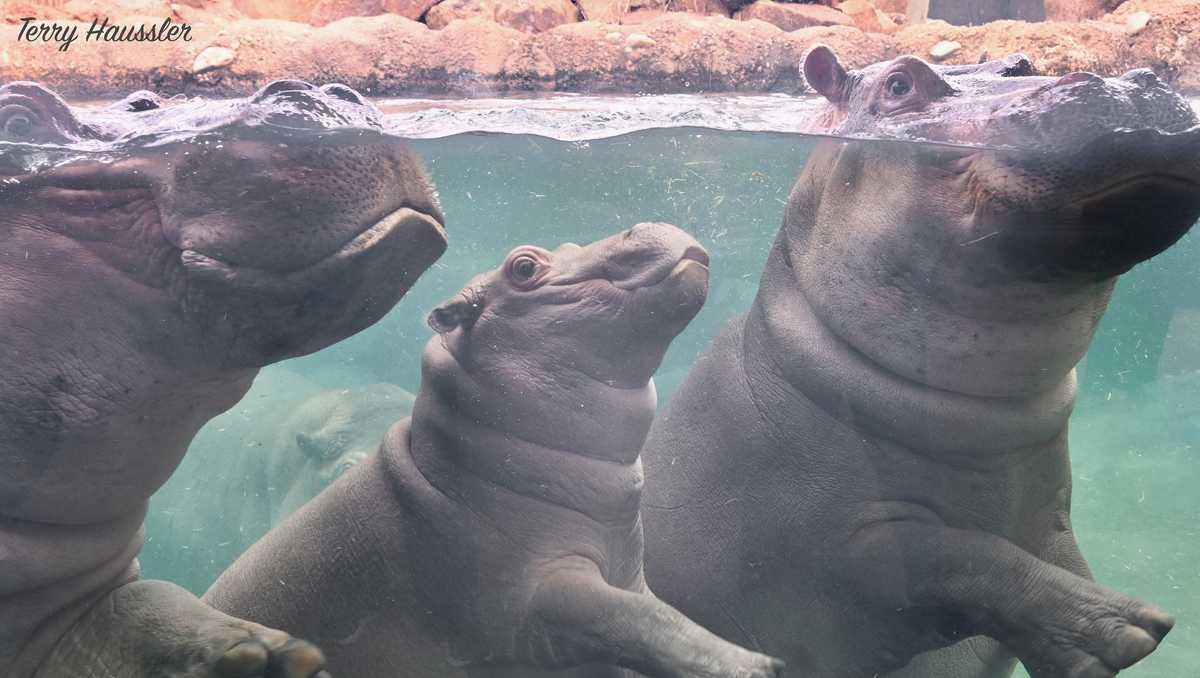 The zoo's decision to install additional netting and remove ceiling fans addressed two physical conditions involved in the accident.
The netting provides another barrier between visitors and the animals. Removing the fans eliminates the mechanism that propelled the hat into the enclosure.
From a safety-management perspective, physical safeguards can offer protection even when visitors behave unexpectedly.
Written instructions and warning signs remain important, but they depend on individuals noticing, understanding and following the guidance.
The changes at Hippo Cove could also encourage other animal institutions to examine similar features within their facilities, particularly where overhead openings exist near public viewing areas.
Whether comparable modifications are necessary elsewhere would depend on the design and operational conditions of individual habitats.
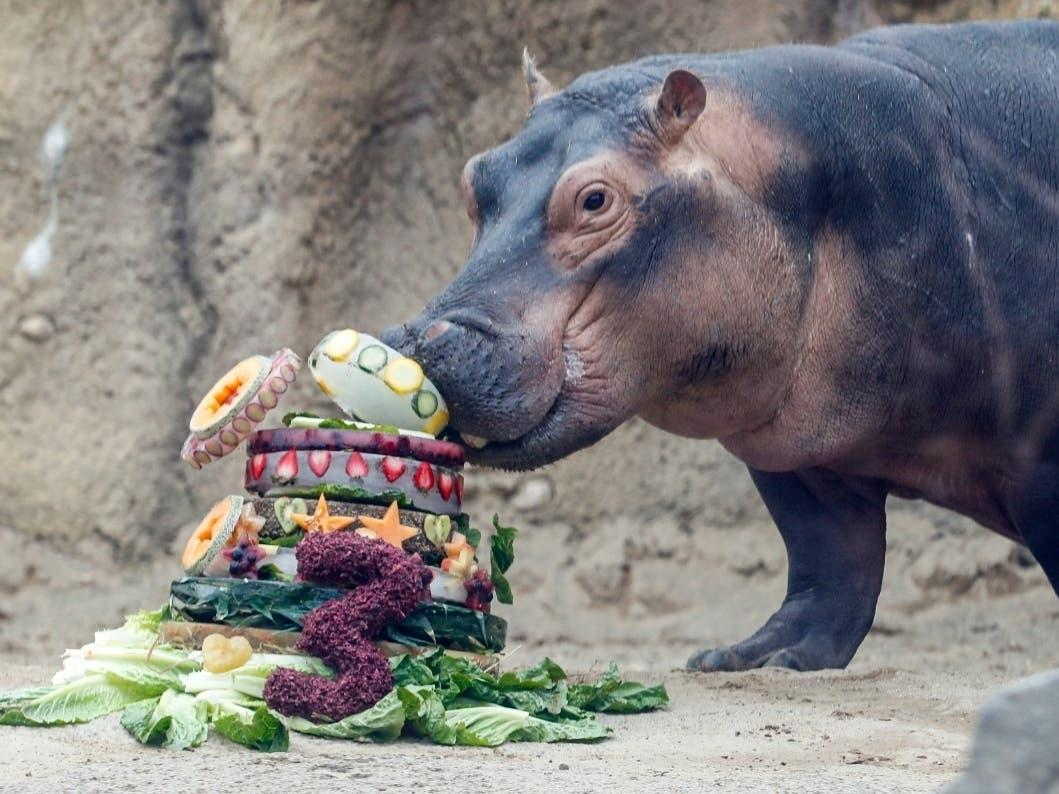
For many people who followed Fiona’s life from her premature birth in 2017, the immediate concern after her death was the welfare of Bibi.
Fiona’s relationship with her mother had become a recognizable part of the zoo’s public identity, with photographs and videos documenting their interactions throughout the years.
Hippopotamuses are social animals, and changes within their groups can influence daily routines and behavior.
Animal caregivers may therefore pay particular attention to appetite, activity, communication and social interactions after the loss of a familiar companion.
In its November 20 update, Cincinnati Zoo reported that Bibi, Tucker and Fritz continued to eat and behave normally.
Christina Gorsuch, the institution’s director of animal care, acknowledged the difficulty of determining precisely how the animals were experiencing Fiona’s absence.
The November 23 reopening announcement also reported that the remaining hippos continued to receive additional attention from their caregivers.
Those observations provide the most relevant published assessment of Bibi’s condition following Fiona’s death.
Although the remaining hippos have continued their normal routines, monitoring their condition remains important.
Veterinary specialists generally assess animal welfare through multiple indicators rather than relying on an isolated observation.
A significant change in appetite may warrant further evaluation, especially when accompanied by reduced activity or abnormal physical symptoms.
Changes in social interaction can also help caregivers identify whether an animal is responding to alterations in its familiar environment.
For an adult hippopotamus, direct medical assessment presents additional challenges because of the animal’s size, strength and specialized anatomy.
For Bibi, reliable conclusions about her health depend on continuing observations and veterinary findings.
The dangers associated with foreign objects entering animal enclosures have previously affected other zoological institutions.
People magazine reported that a 25-year-old polar bear named Anton died at a German zoo in 2014 after ingesting belongings that had fallen into his habitat.
In 2024, a rare antelope at Tennessee’s Brights Zoo died after swallowing a plastic cap associated with a food pouch.
The incidents involved different species and different circumstances, but each demonstrated the potentially serious consequences of animals gaining access to objects that originated in public areas.
Such cases could offer useful information for developing broader preventive strategies across zoological institutions.
They also illustrate why enclosure safety involves protecting animals from visitors as well as protecting visitors from animals.
The suggestion that major news organizations have overlooked the policies surrounding Fiona’s death is contradicted by several published reports.
The Associated Press examined the new safeguards introduced at Hippo Cove and addressed the enclosure’s accreditation history.
CNN reported on the design of the opening through which the hat entered the habitat.
Local Ohio news organizations also covered the safety modifications and the discussion surrounding institutional accountability.
What remains less visible in public reporting is the complete documentation behind the zoo’s previous safety assessments.
A comprehensive analysis of internal inspection records and operational policies would provide a different level of information from news coverage based on official statements.
Determining legal responsibility for an accident at a zoological institution requires consideration of several factors.
These may include whether the institution owed an applicable legal duty, whether it complied with relevant regulations and whether reasonable protective measures could have prevented the incident.
The foreseeability of the hazard may also be significant.
Any formal determination would depend on the relevant legal framework and the evidence presented through an appropriate proceeding.
Fiona’s death generated an extraordinary public response in Cincinnati and beyond.
Her survival following a premature birth had become a story of perseverance that attracted international attention. Her death, nearly a decade later, has brought together people who followed her development throughout much of her life.
The loss has also prompted a difficult discussion about the responsibilities associated with caring for animals in public institutions.
For the zoo’s employees, that discussion comes alongside the personal experience of losing an animal they had cared for over many years.
For visitors and animal advocates, the focus increasingly concerns what can be learned from the circumstances of her death.
Cincinnati Zoo has already implemented visible changes intended to prevent another similar accident. Further examination of enclosure design, safety procedures and emergency planning could help determine whether additional safeguards are appropriate.
Meanwhile, Bibi, Fritz and Tucker remain the focus of continuing animal care.
The central issue raised by Fiona’s death extends beyond a single knitted hat. It concerns how zoological institutions identify unexpected hazards, evaluate existing protections and respond when an accident reveals limitations in those safeguards.
The legacy of Fiona’s life may ultimately include changes in how animal habitats are designed and maintained, providing greater protection for the animals that remain.
Comments (0)
Loading comments...
May You Like

TRUMP CALLED FOR KIMMEL’S FIRING—THE FCC ACTED THE VERY NEXT DAY

CHICAGO DISASTER: 12 FIREFIGHTERS HOSPITALIZED, 4 CRITICAL—MYSTERY CHEMICALS FOUND IN BASEMENT!

IOWA MILITARY EMERGENCY: 51 TONS OF UNSTABLE SUSPECTED BIOWEAPON WASTE FOUND AFTER 5-TON BLAST!








Popular Posts




