
FIONA HEARTBREAK: PREGNANT HIPPO DIES JUST 30 DAYS BEFORE HER DUE DATE—TWO LIVES LOST!
FIONA HEARTBREAK: PREGNANT HIPPO DIES JUST 30 DAYS BEFORE HER DUE DATE—TWO LIVES LOST!
CINCINNATI, Ohio — November 25, 2026 — Nearly a week after the death of Fiona, the Cincinnati Zoo's internationally celebrated Nile hippopotamus, details surrounding her reproductive history have brought another dimension to a tragedy that has devastated animal lovers around the world.
Fiona, who died on November 19 at the age of 9 following complications from swallowing a knitted hat, had previously displayed breeding behavior with Tucker, the adult male hippopotamus living at Cincinnati Zoo's Hippo Cove.
According to Cincinnati television station WLWT, animal caregivers had described Fiona and Tucker as genetically compatible breeding partners, raising the possibility that Fiona could eventually have produced offspring of her own.
wlwt.com
Her death brought that possibility to an abrupt end. For a hippopotamus whose own premature birth became an international story of survival, the prospect of motherhood represented another potential chapter in an extraordinary life.
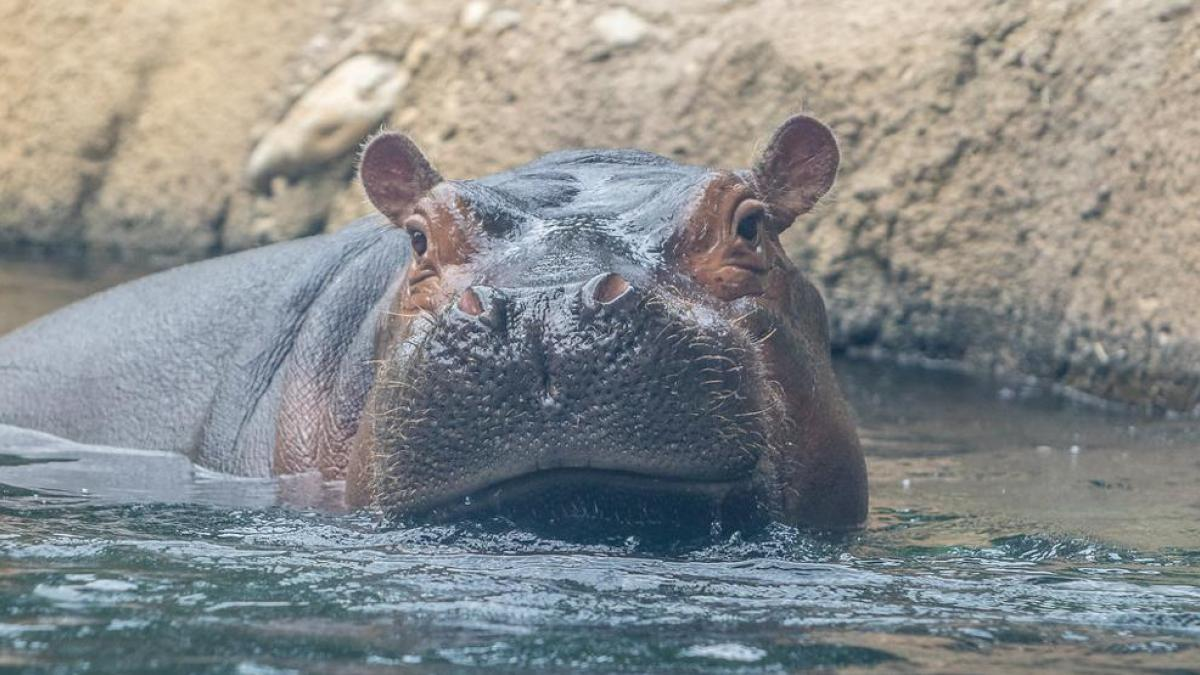
The medical emergency that claimed Fiona's life began on November 8, when a visitor's knitted hat accidentally entered her enclosure.
A ceiling fan propelled the hat through an opening above the protective viewing windows. Fiona swallowed the material, creating an emergency that required increasingly intensive veterinary intervention.
Although her caregivers initially hoped the object would pass naturally through her digestive system, her appetite subsequently declined and her condition deteriorated.
Veterinary specialists attempted several procedures to locate the obstruction and support her recovery. Despite those efforts, Fiona died 11 days after swallowing the object.
Tucker arrived at Cincinnati Zoo in September 2021, introducing a new chapter in the history of its hippopotamus population.
The adult male was initially paired with Bibi under a breeding recommendation intended to maintain genetic diversity among Nile hippopotamuses living in accredited North American institutions.
As Fiona matured, her relationship with Tucker also became an important consideration for the animal care team.
For zoological institutions, decisions concerning breeding involve more than simply bringing two compatible animals together. Specialists must consider genetic relationships, reproductive maturity, physical health and the long-term management of animal populations.
Fiona's potential to produce offspring therefore represented both a personal milestone for an internationally recognized animal and a possible contribution to the wider hippopotamus conservation program.
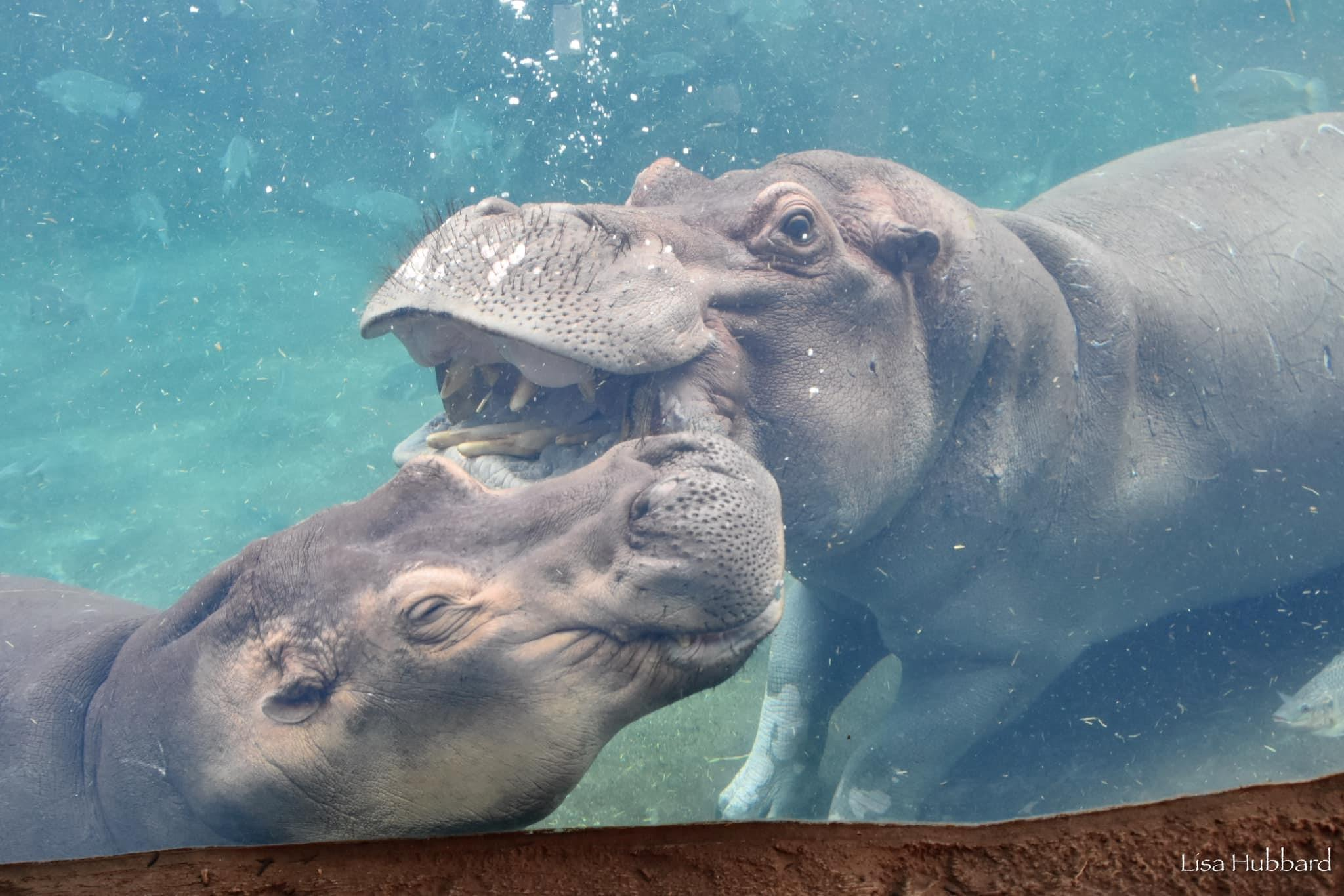 The suggestion that Fiona was only 30 days away from giving birth raises questions about what reproductive information was available before her death.
A confirmed pregnancy of that duration would ordinarily require veterinary evidence, such as diagnostic imaging, reproductive hormone assessments or documented observations of fetal development.
Establishing an approximate delivery date would also require information about when conception occurred or measurements indicating how far the pregnancy had progressed.
The Cincinnati Zoo's publicly released medical findings concerning Fiona's death focused on the intestinal obstruction and the unsuccessful efforts to remove it.
Neither its November 19 death announcement nor its November 20 summary of the postmortem examination identified a pregnancy, a developing calf or an expected delivery date.
That distinction is essential to understanding the reproductive chapter of Fiona's life.
There is another remarkable pregnancy-related detail in Fiona's history that began before the public had ever seen her.
During Bibi's first pregnancy, reproductive scientists at Cincinnati Zoo's Center for Conservation and Research of Endangered Wildlife, known as CREW, achieved an important scientific breakthrough.
Using ultrasound technology, researchers successfully obtained images of a developing Nile hippopotamus fetus inside Bibi's body.
That fetus was Fiona.
The achievement was particularly significant because the size and physical characteristics of hippopotamuses make diagnostic imaging more challenging than examinations involving smaller mammals.
Animal caregivers had trained Bibi to cooperate voluntarily with ultrasound examinations, allowing researchers to study her reproductive development without unnecessarily disrupting her normal activities.
The discovery demonstrated that pregnancy in Nile hippopotamuses could be monitored through techniques that had previously presented substantial practical difficulties.
Ironically, Fiona's own life began with reproductive research that could help veterinarians monitor future generations of hippopotamuses.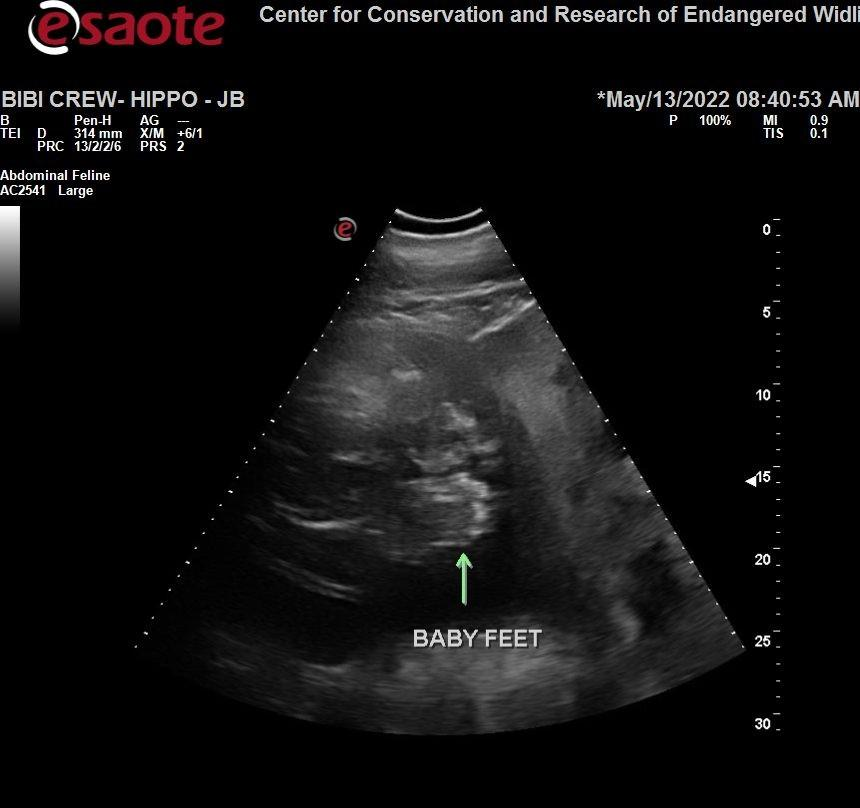
Researchers and animal caregivers had anticipated that Bibi would deliver her calf around March 2017. Hippopotamus pregnancies generally last approximately eight months, providing specialists with an estimated period during which preparations for delivery can be completed.
Instead, Bibi began showing signs of labor in late January.
Fiona was born on January 24, 2017, approximately six weeks before her expected arrival. She weighed only 29 pounds and was unable to stand and nurse independently.
The circumstances required immediate intervention from animal caregivers.
Her survival depended on specialized nutritional support, temperature management and close medical supervision during the earliest stages of her development.
The experience provided Cincinnati Zoo with firsthand knowledge of the uncertainties surrounding hippopotamus pregnancies, including the fact that an anticipated delivery date does not guarantee when an animal will actually give birth.
That history became especially relevant as the zoo continued developing its hippopotamus breeding program.
Unlike pregnancy examinations involving humans or smaller domestic animals, reproductive monitoring in hippopotamuses requires specialized techniques adapted to their anatomy.
An adult female may weigh several thousand pounds. Her body shape can also make external changes difficult to interpret, particularly without established measurements from earlier examinations.
Ultrasound technology can allow specialists to identify fetal structures when imaging conditions are suitable. Hormone monitoring may provide additional information about reproductive activity.
Veterinarians must consider these findings together to determine whether an animal has conceived and whether a pregnancy is progressing normally.
Cincinnati Zoo's experience with Bibi demonstrated the value of voluntary medical training, which allows caregivers to conduct examinations while maintaining appropriate protections for both animals and personnel.
Five years after Fiona's birth, another unexpected reproductive development occurred at Hippo Cove.
In April 2022, Cincinnati Zoo announced that Bibi was pregnant again.
The discovery surprised animal caregivers because Bibi had been receiving contraception. The pregnancy occurred despite measures intended to prevent conception at that particular time.
Following confirmation of her condition, the zoo's reproductive specialists introduced hormonal support and planned regular ultrasound examinations to assess fetal development.
The circumstances were particularly important because of Bibi's previous experience delivering Fiona prematurely.
Animal caregivers hoped that her second pregnancy would reach full term, reducing the likelihood that another newborn would require the extensive intervention Fiona had needed.
Unlike the questions surrounding Fiona's reproductive status before her death, Bibi's pregnancy was publicly announced several months before delivery.
The zoo discussed the unexpected conception, the medical preparations and the anticipated arrival of another hippopotamus calf.
On August 3, 2022, Bibi delivered a healthy male hippopotamus who would later be named Fritz.
The newborn was considerably larger than Fiona had been at birth and demonstrated the ability to walk much sooner.
For caregivers, the differences between the two births were significant. Fiona had required intensive human intervention, while Fritz was able to remain with Bibi during the important initial bonding period.
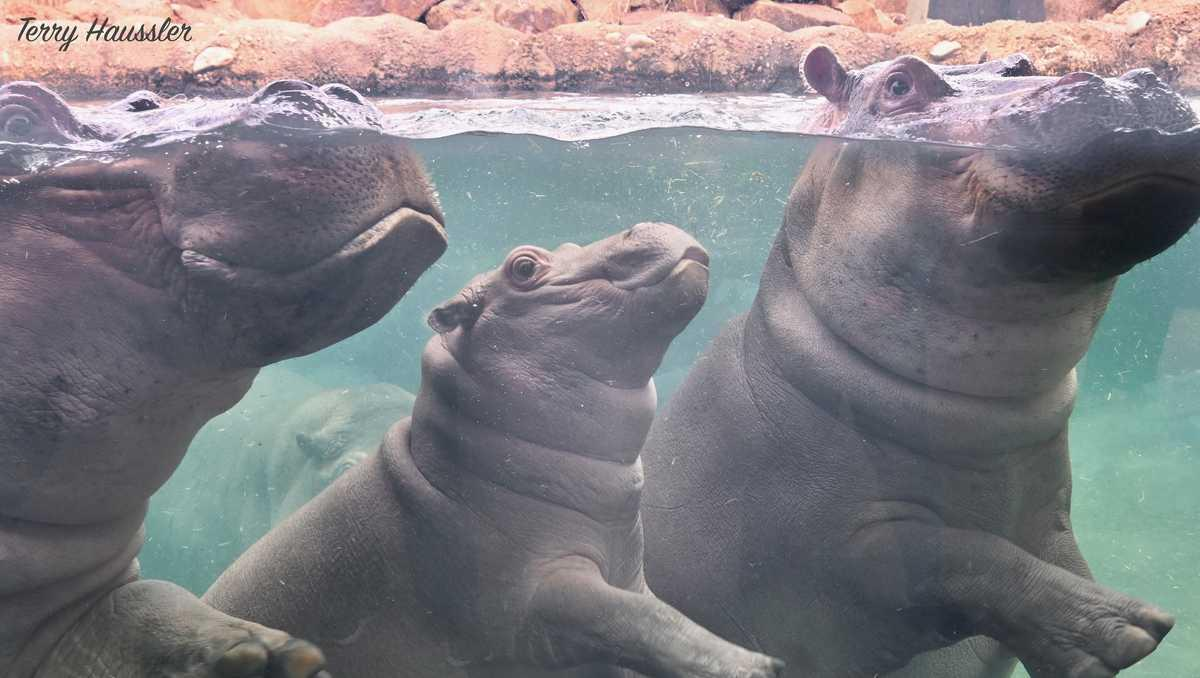
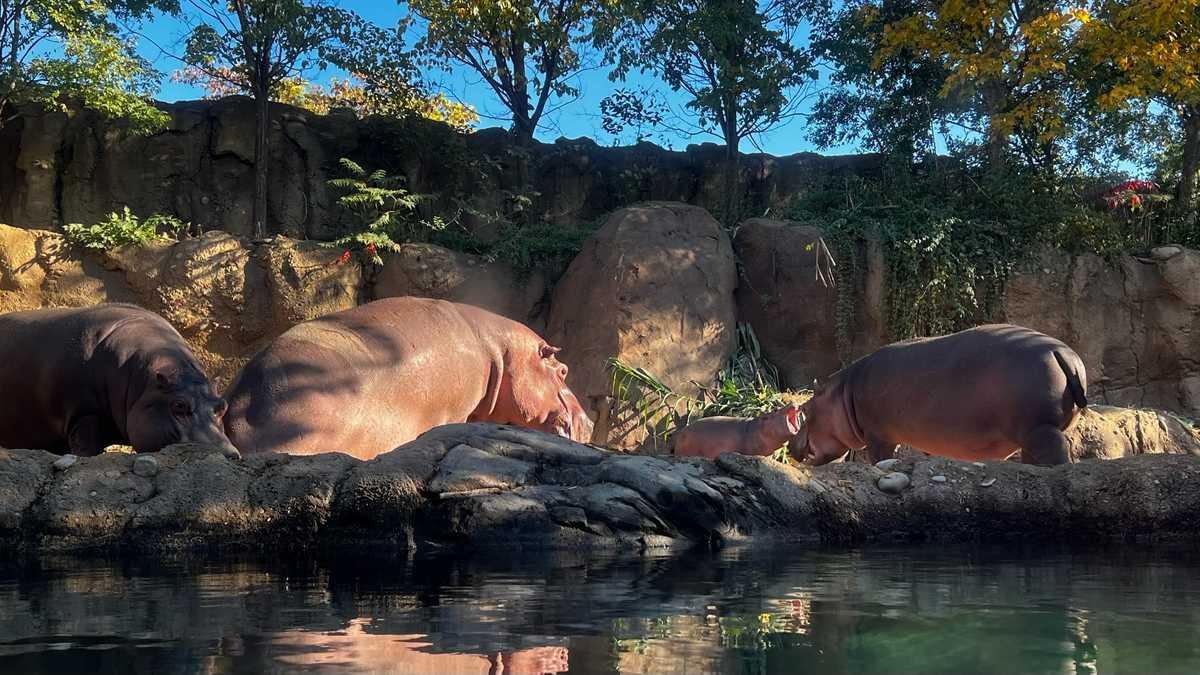
The arrival also changed Fiona's position within the group. After spending years as its youngest member, she became an older sibling.
Over time, the two developed a familiar social relationship that became another popular part of Cincinnati Zoo's photographs and videos.
Fiona's interactions with Fritz offered visitors an opportunity to observe the development of relationships among hippopotamuses.
Fiona's progression from a premature newborn into a mature adult represented an extraordinary transformation.
By February 2025, Cincinnati Zoo reported that the once-fragile calf had reached approximately 2,500 pounds.
Her physical development and subsequent breeding behavior suggested that the possibility of producing offspring had become relevant to the management of the hippo group.
This means that any future successful pregnancy would have represented her first experience of motherhood.
For animal caregivers, a first pregnancy can introduce particular considerations, including monitoring the mother's condition and preparing for potential complications during delivery or nursing.
Fiona's unusual birth history would also have made a future calf especially meaningful to the many people who had followed her development since 2017.
The medical findings published after Fiona's death identified the swallowed hat approximately 25 feet beyond her final stomach compartment and 50 feet from the end of her intestines.
The object's position prevented veterinarians from reaching it through examinations performed from either direction.
According to Dr. Mike Wenninger, Cincinnati Zoo's director of animal health, the location of the obstruction and Fiona's anatomy made minimally invasive surgical removal impossible.
The medical findings established why supportive treatment had been unsuccessful.
For questions concerning reproductive status, a comprehensive postmortem examination could potentially provide important additional information. A pregnancy at an advanced stage would be a significant anatomical finding.
However, the published summary focused on the cause of death rather than providing a complete inventory of every organ examined.
The distinction between a public summary and a comprehensive medical record is relevant when assessing precisely what information is available about Fiona's final condition.
For institutions responsible for wildlife conservation, announcing a pregnancy may therefore depend on the availability of reliable diagnostic information.
Specialists may need repeated examinations to determine whether conception has occurred and whether fetal development is progressing as expected.
Potential complications can also influence when an institution communicates reproductive developments to the public.
Cincinnati Zoo's previous experience illustrates how such information can be released at different stages of an animal's pregnancy.
The announcement of Bibi's second pregnancy in April 2022 included information about her expected delivery period and the veterinary monitoring planned for the following months.
Later updates documented the birth and the early development of Fritz.
That public history demonstrates a distinction between ordinary breeding activity and a confirmed pregnancy that can be announced with supporting medical information.
Cincinnati Zoo reopened Hippo Cove on November 23 after temporarily closing the area following Fiona's death.
The remaining group consists of Bibi, now 27 years old, Tucker, 23, and Fritz, 4.
The zoo reported that all three animals continued displaying normal behavior while receiving additional attention from their caregivers.
The institution also introduced protective netting above the viewing windows and removed overhead fans to reduce the likelihood of another foreign object entering the habitat under similar circumstances.
For reproductive specialists, the loss of a mature female also changes the composition of the population available for future breeding decisions.
Any subsequent breeding recommendations would depend on the health, age and genetic relationships of the remaining animals.
On November 24, Cincinnati Zoo released further details about plans to commemorate Fiona.
Director Dave Jenike said the institution was considering a permanent memorial, most likely a statue, and intended to involve the hippopotamus care team in its development.
The zoo also held a private gathering for employees following her death.
Additional community commemorations are planned, including a memorial register at Spring Grove Cemetery and a tribute during FC Cincinnati's November 28 playoff game.
The announcements demonstrate how Fiona's significance extended beyond the institution that cared for her.
Fiona's life began with a scientific breakthrough, continued through an extraordinary struggle for survival and eventually reached a stage when she could have contributed to another generation of hippopotamuses.
Her breeding history with Tucker makes the possibility of motherhood particularly poignant.
The prospect of Fiona becoming a mother was one of the chapters that remained open before the accident abruptly ended her life.
As Cincinnati Zoo prepares a permanent memorial and continues caring for Bibi, Tucker and Fritz, Fiona's contribution to reproductive science and public awareness of her species will remain part of her legacy.
Comments (0)
Loading comments...
May You Like

AMERICA’S NEW-GENERATION AIRCRAFT CARRIERS — MILITARY MIGHT BUILT AT THE EXPENSE OF THE PEOPLE

IOWA MILITARY EMERGENCY: 51 TONS OF UNSTABLE SUSPECTED BIOWEAPON WASTE FOUND AFTER 5-TON BLAST!

PACIFICA PIER COLLAPSES AFTER MYSTERIOUS UNDERWATER MOVEMENT IN CALIFORNIA!









Popular Posts



