
FIONA TRAGEDY: MOTHER BIBI IN CRITICAL CONDITION—JUST 24 HOURS TO SAVE HER!
After Fiona’s Death, Cincinnati Zoo Faces New Questions About the Health of Her Mother Bibi
CINCINNATI, Ohio — November 25, 2026 — Nearly a week after the death of Fiona, the hippopotamus whose remarkable survival following a premature birth captured the hearts of millions, attention has increasingly turned toward her mother, Bibi, and the emotional and physical consequences that the loss of a longtime companion could have on the Cincinnati Zoo's remaining hippos.
Fiona died on November 19 following complications from swallowing a knitted hat that accidentally entered her habitat. Despite extensive veterinary intervention, specialists were unable to remove the object, which had become lodged deep within her digestive system.
The tragedy brought an abrupt end to nearly a decade of public fascination with the hippo family. For many longtime followers, however, the greatest concern now centers on Bibi, who raised Fiona and shared her habitat throughout much of her daughter's life.
In an official update released on November 20, Cincinnati Zoo's director of animal care, Christina Gorsuch, reported that Bibi and the two remaining hippos were maintaining their normal eating habits and behavior. A subsequent announcement on November 23 confirmed that the animals were receiving additional attention from their caregivers.
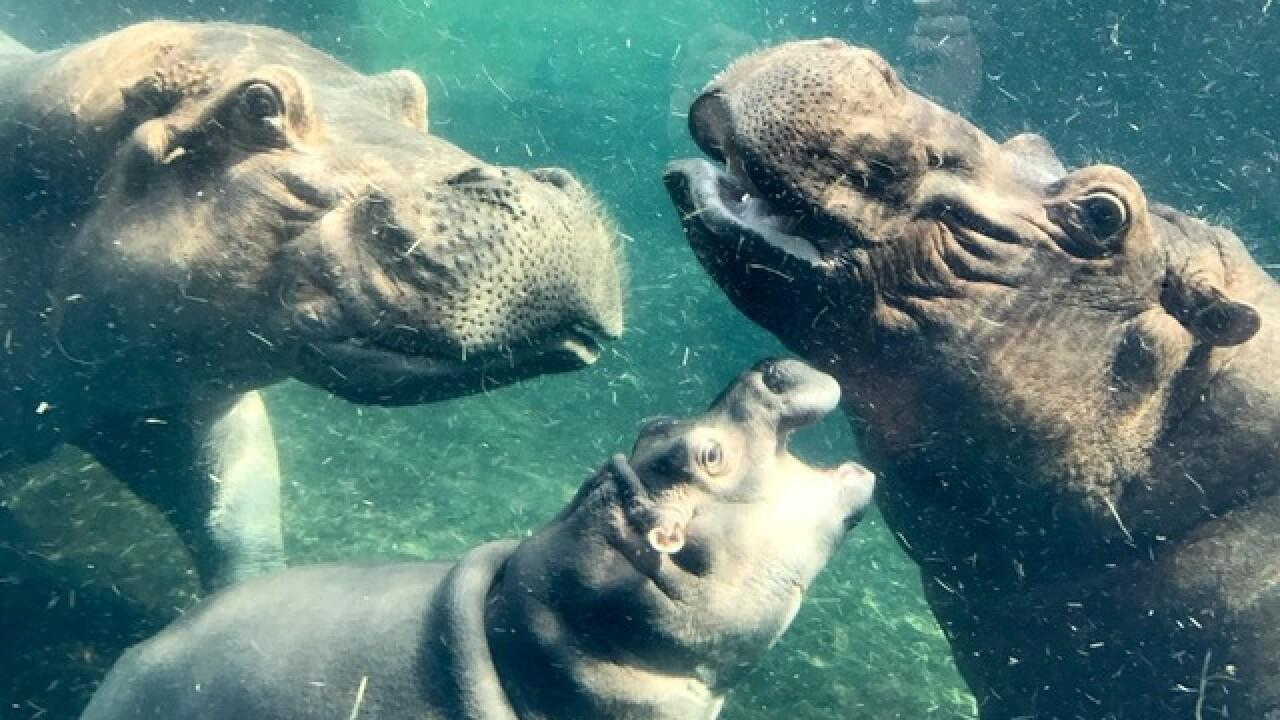
For millions of people who followed Fiona's development through photographs, videos and zoo announcements, Bibi was an essential part of a story that began in January 2017.
Fiona's birth came approximately six weeks earlier than expected. Weighing just 29 pounds, the newborn was exceptionally small for a Nile hippopotamus and initially lacked the strength necessary to survive without extensive human assistance.
Animal care specialists began providing around-the-clock treatment, carefully monitoring her development and ensuring that she received adequate nutrition.
As Fiona became stronger, her caregivers gradually introduced her to the environment she would eventually share with her parents.
Her relationship with Bibi became one of the most recognizable elements of the zoo's public documentation of Fiona's life. Photographs showed the two animals spending time together in the water, resting beside one another and interacting throughout the enclosure.
What began as an extraordinary veterinary survival story developed into a continuing account of family life inside Hippo Cove.
Nearly ten years later, Fiona's death has brought renewed attention to the importance of those social relationships.
The emergency that ultimately claimed Fiona's life began on November 8, when a visitor's knitted hat accidentally entered the hippo enclosure.
According to Cincinnati Zoo, an overhead fan propelled the hat through an opening above the protective viewing windows. Fiona swallowed the object before it could be retrieved.
Her caregivers initially monitored her closely, hoping the material would pass naturally through her digestive system. As the days progressed, however, Fiona began showing increasingly concerning symptoms, including a reduction in appetite.
Veterinarians administered supportive treatment, performed diagnostic examinations and consulted specialists regarding possible interventions.
The medical team also obtained specialized equipment from outside the facility, including a vibration platform intended to encourage gastrointestinal movement.
The accident demonstrated how an apparently harmless personal belonging could create a life-threatening emergency for an animal weighing more than a ton.
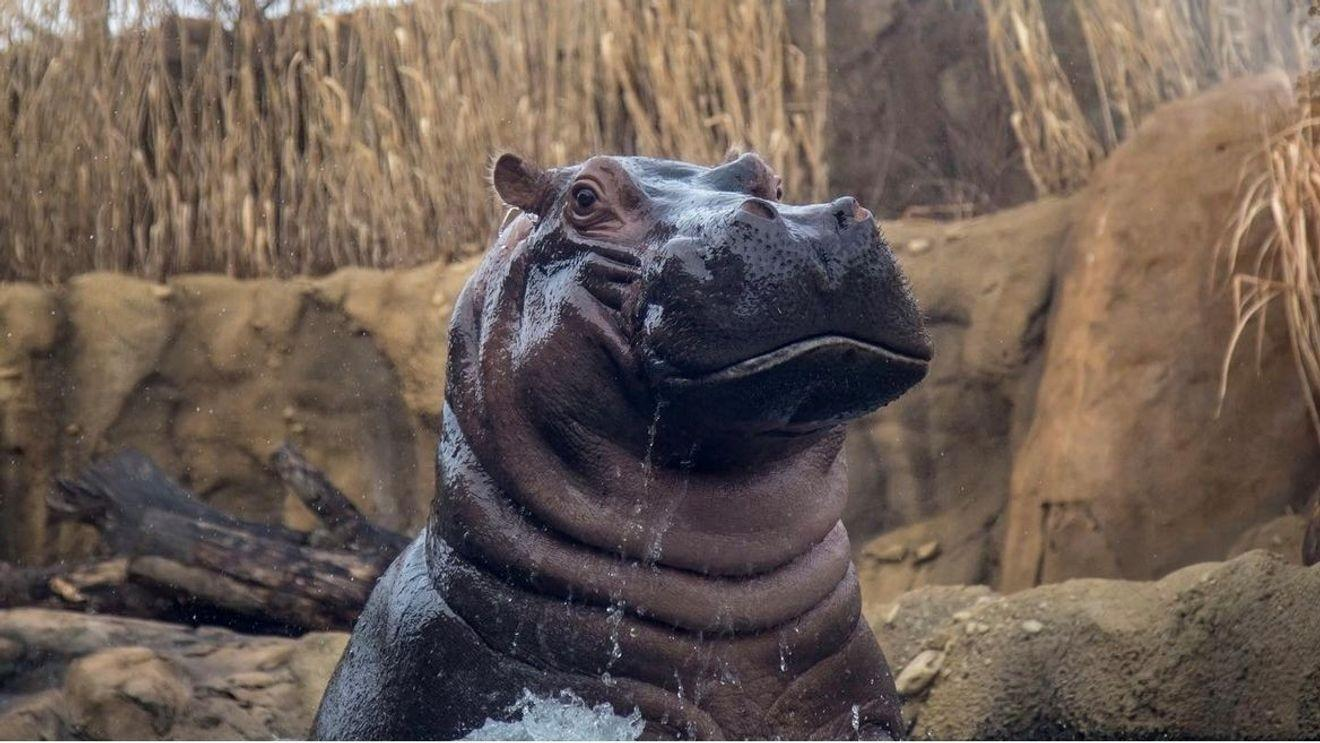
The loss of Fiona has raised questions among animal lovers about how Bibi might respond to the disappearance of her daughter from their familiar environment.
Hippopotamuses are social mammals that frequently spend considerable amounts of time near other members of their group. Their daily activities can include resting together, communicating through vocalizations and sharing aquatic spaces.
A change in the composition of a social group can affect the routines and interactions of its remaining members.
For caregivers, this makes continued observation particularly important following the death or departure of an animal.
In Bibi's case, specialists responsible for her care have years of experience observing her behavior. They are familiar with her feeding habits, preferred resting areas and interactions with the other hippos.
Those established patterns provide a useful reference for recognizing significant behavioral or physical changes.
Hippopotamuses communicate through an extensive range of sounds, including grunts, bellows and vocalizations produced both above and beneath the water.
Some of these sounds can carry considerable distances and may appear unusually intense to people unfamiliar with the species.
Following the loss of a familiar animal, observers may naturally interpret particular sounds as expressions of distress. However, determining the meaning of an individual vocalization requires consideration of its context.
Caregivers would need to consider accompanying behavior, the circumstances preceding the vocalization and whether the sounds differed from those she normally produced.
The distinction is especially important during periods when public concern about an animal's welfare may influence how viewers interpret its behavior.
 Research into animal behavior has documented responses to the death or disappearance of familiar companions in several mammalian species.
Elephants, primates and some marine mammals have displayed behavioral changes following the loss of members of their social groups. These changes can include altered activity patterns, increased vocalization and differences in social interactions.
Nevertheless, scientists face considerable challenges when attempting to determine whether an animal's internal emotional experience corresponds directly to human grief.
Behavior can change for multiple reasons, including environmental disruption, illness, altered routines and changes in social relationships.
In managed animal populations, caregivers can observe these changes and assess whether they are affecting an animal's physical welfare.
Reduced food consumption, unusual inactivity or changes in interactions may warrant additional attention when they represent a departure from established patterns.
Bibi's situation illustrates why an animal's emotional environment and physical health should be considered together without assuming that every behavioral change indicates a serious medical condition.
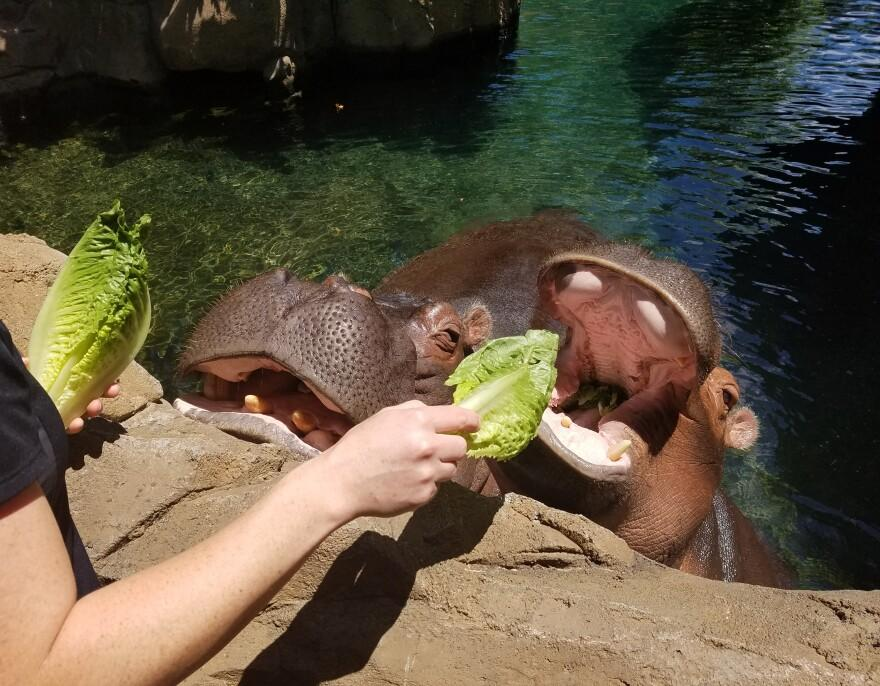
For veterinary specialists working with large mammals, appetite represents one of several important indicators of an animal's health.
A hippopotamus that consistently refuses food may require further assessment, particularly if the change is accompanied by reduced activity, abnormal digestive function or other concerning symptoms.
Monitoring food consumption can help caregivers identify changes that might otherwise be difficult to detect in an animal spending much of its time in water.
Hydration is equally important, although determining how much a semi-aquatic animal drinks may require more than casual observation.
An animal's overall hydration status can be assessed through veterinary examinations and other clinical findings.
Extended reductions in food or water consumption can become serious medical concerns. However, the severity of those concerns depends on the animal's condition and the underlying cause.
For Bibi, the most useful information comes from the people responsible for monitoring her daily care rather than interpretations of brief recordings from the public viewing area.
Providing medical care to adult hippopotamuses presents considerable challenges because of their size, strength and specialized physiology.
Caregivers may observe breathing patterns, movement, responsiveness and behavior from protected areas. Depending on the circumstances, veterinarians may also perform blood examinations, diagnostic imaging or other procedures.
Assessing whether an animal is critically ill requires a combination of clinical information rather than a single visible symptom.
Changes in circulation, respiration, hydration and digestive function can all influence decisions about whether intervention is necessary.
Medical findings must also be interpreted against the physiological characteristics of the species and the animal's individual health history.
These limitations became especially apparent during the extensive medical efforts undertaken for Fiona.
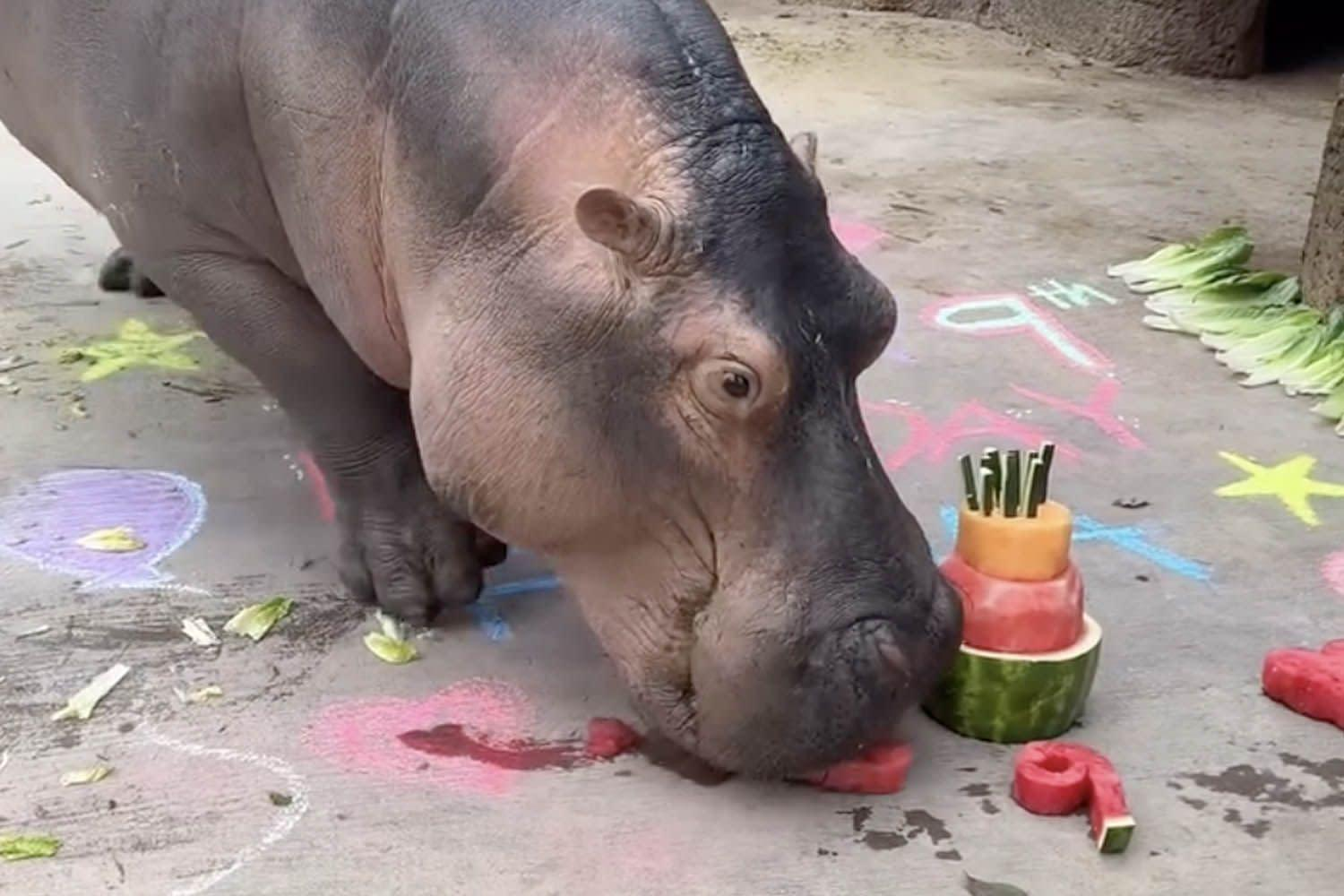 In 2017, the same year Fiona was born, the zoo lost her father, Henry, following a prolonged illness.
Bibi subsequently continued living with Fiona as her daughter grew from a premature newborn into a healthy adult.
In September 2021, another male hippopotamus, Tucker, arrived at Cincinnati Zoo. His introduction eventually led to another significant addition to the family.
Bibi gave birth to Fritz in August 2022, five years after Fiona's difficult arrival.
These changes demonstrate that Bibi has lived through several different social arrangements during her time at the zoo.
Her current environment still includes familiar animals and caregivers, providing continuity following the loss of her daughter.
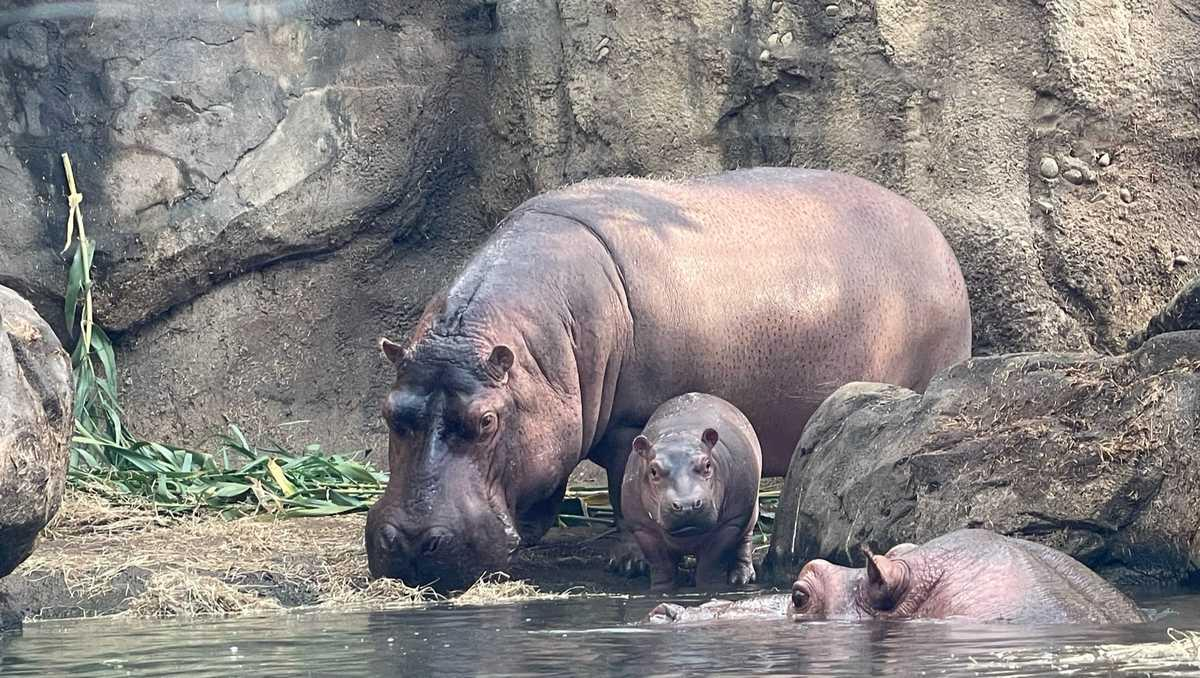
The presence of Fritz and Tucker represents an important part of Bibi's current social environment.
Fritz's birth introduced another young animal into the habitat, creating new relationships and interactions within the hippo group.
Following Fiona's death, the remaining three animals must continue their established activities within a changed social arrangement.
For animal care specialists, maintaining consistent routines can be valuable during such transitions. Familiar feeding schedules, environmental enrichment and predictable interactions with caregivers may help preserve stability.
Changes in the relationships among the remaining animals could also provide useful information about how the group is adjusting.
Rather than assuming that one animal's behavior represents the emotional state of the entire group, caregivers can evaluate each individual while observing their interactions.
On November 23, Cincinnati Zoo reopened its hippo enclosure after temporarily closing the area following Fiona's death.
Before visitors returned, the institution made several modifications intended to prevent another similar accident.
Protective netting was installed above the viewing windows, and ceiling fans in the area were removed.
Zoo director Dave Jenike said the changes were introduced despite the habitat having previously satisfied accreditation standards established by the Association of Zoos and Aquariums.
The reopening allowed visitors to see Bibi, Fritz and Tucker again while the zoo continued responding to the consequences of Fiona's death. The institution's latest announcement also described additional care and attention for the remaining hippos.
For families who had followed Fiona's story for years, returning to Hippo Cove represented a particularly emotional experience.
The familiar habitat remains, but one of its most recognizable residents is no longer there.
Bibi's age is another factor that has contributed to public concern about her welfare.
At 27, she is a mature adult hippopotamus. According to information cited by NBC and TODAY, Cincinnati Zoo places the normal lifespan of a hippopotamus at approximately 35 years.
Caregivers may pay particular attention to mobility, body condition, dental health, appetite and changes in established behavioral patterns.
An animal experiencing a significant change in its social environment may also benefit from closer observation.
The recent loss of Fiona demonstrates the difficulty of responding to certain medical emergencies involving large animals. It also reinforces the importance of preventive care and recognizing significant changes before complications develop.
For Bibi, the immediate priority remains maintaining a stable environment and identifying any genuine departure from her normal condition.
The emotional impact of Fiona's death has extended far beyond the animal care team.
Supporters have left flowers, personal messages and watermelons in tribute to an animal whose life became closely associated with Cincinnati.
Many had followed Fiona from her earliest medical struggles through her development into a full-grown hippopotamus.
Her story became particularly significant because it demonstrated how sustained medical attention and specialized care could help an exceptionally vulnerable newborn survive.
The zoo's employees, including the keepers and veterinary specialists responsible for her daily welfare, have also been confronting the loss of an animal they cared for over many years.
Their responsibilities nevertheless continue. The remaining hippos still require feeding, environmental enrichment, veterinary oversight and consistent attention.
Public concern for Bibi reflects the lasting importance of the relationships that developed around Fiona's story.
The most important information concerning Bibi's current welfare comes from Cincinnati Zoo's official announcements following Fiona's death.
On November 20, Christina Gorsuch addressed the difficulty of interpreting the remaining animals' emotional experiences while providing an assessment of their observable behavior.
“It’s difficult to know how they’re feeling, but they appear to be their normal selves,” Gorsuch said.
The November 23 reopening announcement continued to describe the remaining hippos as behaving normally.
For now, the zoo's remaining hippos continue to receive care in the habitat where Fiona spent much of her life.
The lasting challenge for specialists is to protect their physical welfare while allowing the group to adjust to a profound change in its familiar environment.
Comments (0)
Loading comments...
May You Like

IOWA MILITARY EMERGENCY: 51 TONS OF UNSTABLE SUSPECTED BIOWEAPON WASTE FOUND AFTER 5-TON BLAST!

PACIFICA PIER COLLAPSES AFTER MYSTERIOUS UNDERWATER MOVEMENT IN CALIFORNIA!

IRAN THREATENS SHIPS OVER HORMUZ PASSAGE AFTER CLAIMING A MINE STRIKE








Popular Posts




