
FLORIDA DMV WORKER, 360 FELONY CHARGES, 20+ DRIVERS LINKED TO 30+ CRASHES—10 CRITICAL!
Florida License Examiner Faces 360 Felony Counts as Investigators Uncover Alleged Scheme Involving 60 Driver Records
FORT LAUDERDALE, Florida — November 21, 2026 — A South Florida driver's license examiner faces 360 felony charges after investigators accused her of helping unqualified applicants obtain state licenses through a driving school that allegedly promised approval regardless of eligibility. The investigation identified 60 suspect transactions, including applications involving questionable residency documents and required driving tests that were allegedly bypassed.
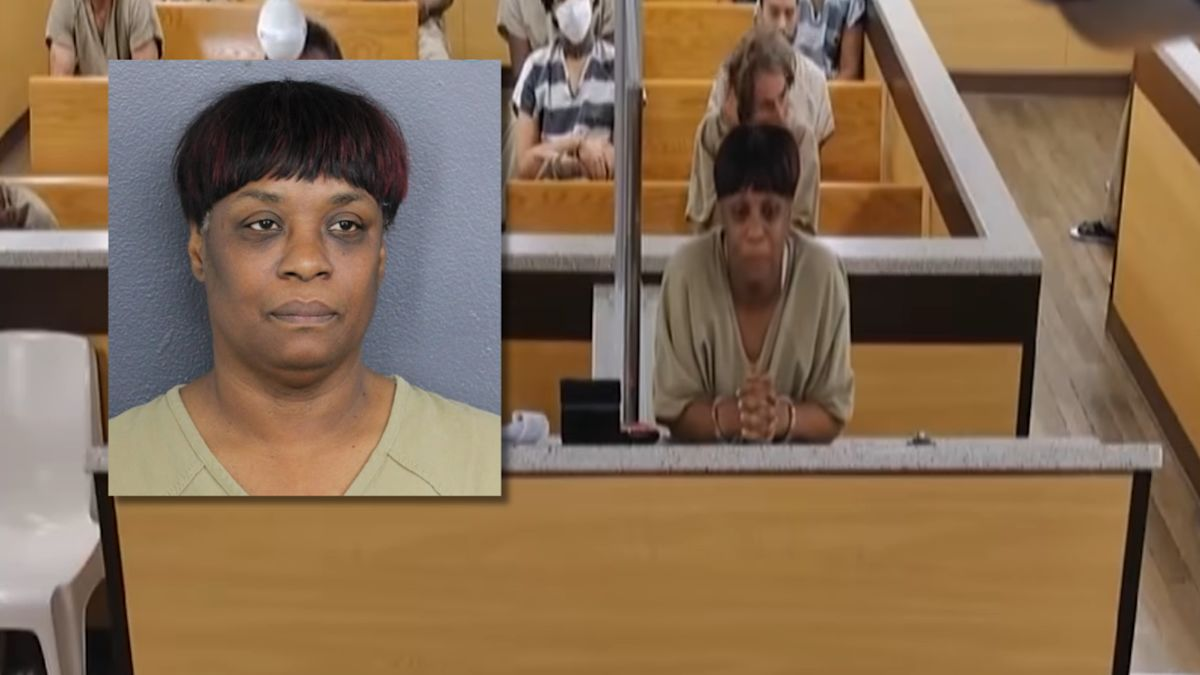
Lynnette Stitt Williams, 56, of Miami, was arrested November 16 following an investigation by the Florida Highway Patrol.
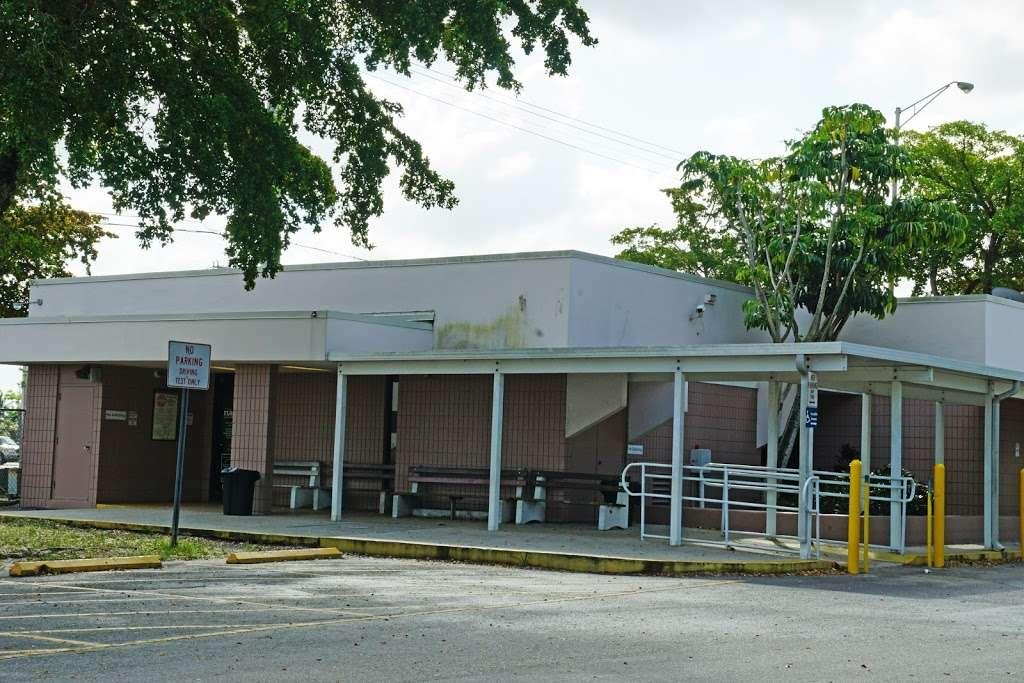
Authorities allege that applicants were directed from First Driving School Corp. to Williams at a licensing office in Pembroke Pines, where she processed transactions despite irregularities in their documentation or testing requirements.
Williams appeared before Broward County Judge Allison Gilman on November 17. The judge found probable cause and set bond at $15,000, substantially below the $900,000 requested by prosecutors.
The allegations are described in an arrest warrant reported by Local 10, CBS News Miami and NBC 6 South Florida. Williams has not been convicted.
The investigation began after an attorney contacted the Florida Highway Patrol's Bureau of Criminal Investigations and Intelligence.
According to the arrest warrant, the attorney represented individuals who had paid to obtain driver's licenses.
Investigators learned that the applicants had been directed through a driving school that allegedly guaranteed licenses even when customers did not meet state requirements.
The school was identified as First Driving School Corp., a business associated with Hallandale Beach.
The allegations described a process in which applicants paid the school and were then directed to a specific state employee.
That employee was Williams.
The tip prompted investigators to examine licensing records and the circumstances under which applicants received their credentials.
What followed was an investigation involving 60 transactions and six categories of criminal charges.
Williams worked as a driver's license examiner at the Pembroke Pines licensing office.
Her attorney and family described her as a longtime state employee with approximately 20 years of service.
The length of her employment matters because licensing examiners occupy positions of public trust.
They review identification materials, evaluate eligibility and process applications for official state credentials.
Those credentials can be used not only to operate motor vehicles but also to establish identity in other settings.
Investigators allege that Williams improperly exercised her authority to issue licenses.
The case concerns whether she knowingly approved transactions that failed to satisfy Florida's requirements.
Her employment history does not establish guilt.
The prosecution must prove the allegations in court.
The figure of 360 charges is substantial, but it requires context.
Investigators identified 60 transactions they considered fraudulent.
For each transaction, prosecutors brought six separate felony counts.
That produced the total of 360 charges.
The allegations include unlawful issuance of a driver's license, forgery, official misconduct and misuse of public records.
The charge count does not mean investigators identified 360 separate drivers.
Nor does it establish 360 independent episodes involving different people.
The government structured the case around multiple alleged violations arising from each of the 60 transactions.
Understanding that distinction is essential when evaluating the scale of the prosecution.
The 360 counts were divided into six groups of 60.
Authorities alleged unauthorized possession or display of driver's licenses, unlawful issuance of licenses, and supplying or assisting in supplying unauthorized licenses.
The remaining categories involved forgery, criminal use of public records or false information, and official misconduct.
Each category addresses a different aspect of the alleged conduct.
Some concern the credential itself.
Others concern the documents used to obtain it.
Official misconduct charges focus on the actions of a public employee exercising government authority.
The state must establish the elements of each offense.
A large number of counts can increase a defendant's potential legal exposure, but it does not predetermine the outcome.
According to the arrest warrant, First Driving School Corp. was central to the alleged arrangement.
Investigators said applicants paid a fee to the school.
They were allegedly promised that they would obtain driver's licenses regardless of their legal status or other qualifications.
A school representative then directed them to Williams at the Pembroke Pines office.
That process allegedly allowed customers to bypass the ordinary appointment system.
The school-to-examiner connection is a major part of the prosecution's theory.
It suggests that the transactions were not randomly distributed among available examiners.
Instead, investigators allege that applicants were steered toward one employee.
The warrant describes this as part of a broader pattern supporting allegations of knowing participation.
Driver licensing offices use appointment and processing procedures to manage applications.
Those procedures help distribute workloads and ensure that applicants complete required steps.
An applicant may need to present identification, residency documents and evidence of passing required examinations.
The specific requirements depend on the type of license and the applicant's circumstances.
Investigators say some applicants associated with the driving school did not follow the standard appointment process.
Instead, they were directed to Williams.
That alleged routing pattern was significant because it repeatedly connected the same examiner with questionable applications.
A single unusual appointment would not necessarily establish wrongdoing.
Investigators focused on the combination of repeated referrals, document irregularities and allegedly bypassed testing requirements.
One of the strongest documented elements of the investigation concerns proof-of-residency records.
Florida applicants generally must provide acceptable evidence of their residential address.
Documents such as utility bills may be used when they meet state requirements.
Investigators say several applications contained bills that appeared to have been altered or reused.
Some documents associated with different applicants allegedly carried identical account, invoice or membership numbers.
Others contained incomplete addresses or apparent formatting errors.
Those irregularities prompted questions about whether the documents genuinely belonged to the applicants.
The investigation also identified repeated use of particular residential addresses.
Prosecutors allege that Williams accepted the questionable records and processed the applications.
A utility account number is ordinarily associated with a particular account.
When the same number appears on documents submitted by unrelated applicants, investigators may examine whether the documents are authentic.
According to the arrest warrant, multiple applicants submitted utility or cable bills containing matching account information.
That pattern was one reason authorities questioned the legitimacy of the residency records.
Investigators also identified altered documents and inconsistencies in addresses.
These findings do not establish that every applicant knowingly submitted a forged document.
The knowledge and conduct of each participant must be evaluated separately.
But the repeated irregularities formed part of the evidence used to support the charges against Williams.
The investigation also identified transactions involving other driving schools.
In one group of records, applicants allegedly listed the home of a person associated with a driving school as their residence.
Investigators described the person as “Mr. Hugo.”
According to reporting on the warrant, Williams signed forms stating that multiple applicants lived at that address.
Authorities questioned whether those certifications were accurate.
This detail is significant because residency information is a basic requirement in the licensing process.
A state employee's certification can affect whether an application is accepted.
The allegation is not merely that applicants submitted questionable documents.
Investigators contend that Williams personally certified information they considered false.
The investigation extended beyond residency documents.
Authorities allege that Williams processed licenses for applicants who had not completed required examinations.
Some applicants had reportedly been instructed to retake written or road tests.
Investigators say those requirements were not enforced during the transactions.
In certain cases, learner's permits were allegedly converted into replacement licenses on the same day.
That pattern raised additional questions about whether the applications were processed correctly.
The central concern is that an official credential may have been issued without the applicant demonstrating the qualifications required by state law.
However, the investigation's public description does not establish that all 60 applicants lacked driving ability.
It establishes allegations that required licensing procedures were not followed.
Driver licensing examinations are intended to evaluate whether applicants understand traffic rules and can operate vehicles safely.
Written knowledge tests generally assess traffic laws, signs and safe-driving principles.
Road tests evaluate practical skills under controlled conditions.
Requirements differ depending on age, license classification and previous licensing history.
Some applicants may qualify for exemptions under applicable rules.
Others must complete specific examinations before receiving a credential.
The allegations against Williams concern applicants who investigators say were required to take or repeat examinations but received licenses without satisfying those conditions.
The safety concern is therefore straightforward.
If required tests are improperly bypassed, the licensing system cannot reliably establish that those applicants met the relevant standards.
Investigators have identified suspect licensing transactions, but a connection between an improperly issued license and a later traffic collision would require separate evidence.
Authorities would need to establish which driver was involved, what happened in the collision and whether the driver's conduct contributed to it.
A licensing irregularity is not equivalent to a finding of responsibility for an accident.
The investigation raises a legitimate road-safety issue.
It does not establish the casualty figures circulating alongside the case.
A traffic collision investigation generally examines the actions of drivers, road conditions, vehicles and other relevant circumstances.
Police may review witness statements, physical evidence, surveillance footage and vehicle information.
Investigators may also examine whether a driver held a valid license.
But proving that a license was improperly issued is different from proving that its recipient caused a collision.
A driver could hold an invalid credential without having been involved in an accident.
Conversely, a properly licensed driver can still cause a crash.
A claim connecting this licensing case to deaths or serious injuries would require identified incidents and official findings.
The available reporting contains no such documented series of crashes.
The alleged offense under investigation is fraudulent licensing, not a confirmed sequence of fatal collisions.
The investigation was conducted by the Florida Highway Patrol, which operates under the Florida Department of Highway Safety and Motor Vehicles.
Troopers reviewed licensing records and pursued the allegations described in the initial tip.
The case also involved compliance examiners who examined transactions from Williams's employment.
According to reporting on the warrant, those reviews included applications processed during 2024 and 2025.
The investigators looked for repeated irregularities and connections between applicants, driving schools and the examiner.
The FBI was not identified as the lead agency in the reports reviewed.
That distinction matters because attributing investigative findings to the wrong agency can misrepresent the case.
The documented investigation involved state law enforcement and licensing authorities.
The audit examined patterns across multiple transactions rather than relying on a single application.
Investigators looked at residency documents, repeated customer processing and unusual licensing activity.
They also reviewed whether applicants had satisfied examination requirements.
The repeated use of account numbers and addresses became important indicators.
Authorities considered the combination of these irregularities significant.
An isolated clerical mistake might produce one incorrect record.
The arrest warrant alleges a recurring pattern involving the same employee and applicants referred through driving schools.
Investigators interpreted the pattern as evidence supporting knowing participation.
That remains the prosecution's allegation.
The defense can challenge the interpretation of the records and the conclusions drawn from them.
Williams was arrested on Monday, November 16.
According to reporting based on the arrest documents, troopers monitored her Miami residence that morning.
Investigators observed her leaving for work and subsequently stopped her vehicle.
She was taken into custody and booked into the Broward County jail.
At the time of the arrest, she had reportedly moved from the Pembroke Pines licensing office to work associated with a tax collector's office.
The arrest followed the review of transactions and consultation with prosecutors.
Authorities did not describe the arrest as the result of a traffic collision.
It was part of the licensing-fraud investigation.
The next major development came during Williams's first court appearance.
Williams appeared before Judge Allison Gilman on November 17.
The state requested a bond totaling $900,000.
The judge instead set bond at $15,000.
CBS News Miami reported that Gilman found probable cause for the charges.
The judge considered Williams's personal circumstances and the information presented during the hearing.
Her husband described her long employment history.
A friend also spoke in support of a lower bond.
The bond decision addressed the conditions of release during the criminal proceedings.
It did not determine whether Williams was guilty.
The substantial difference between the requested and approved bond amounts drew attention because the indictment involved hundreds of counts.
The prosecution's $900,000 request reflected the large number of felony charges.
The judge considered additional factors.
Local 10 reported that Gilman cited Williams's lack of a previous criminal record and the support of people who appeared in court.
The judge also acknowledged the duration of the alleged conduct.
Bond decisions involve considerations distinct from the ultimate determination of guilt.
A defendant may face serious allegations while remaining eligible for release under conditions set by the court.
The $15,000 bond should not be interpreted as a reduction in the number of charges.
Williams still faced 360 felony counts following the hearing.
Her legal responsibility remains a question for subsequent proceedings.
Williams's arrest came shortly after another driver licensing examiner was accused of fraud in Broward County.
Quonteria Lameshae Dixon, 37, was charged in a separate investigation involving 77 felony counts.
Dixon worked at a licensing office in Sunrise.
Investigators alleged that she processed credentials using stolen identities and fraudulent documents.
Some of those credentials were allegedly used in financial fraud schemes.
The two investigations attracted attention because they involved state employees responsible for issuing official identification.
However, authorities described them as separate cases.
Each investigation concerns different transactions, alleged conduct and defendants.
In the Sunrise case, investigators alleged that fraudulent driver's licenses were issued using the personal information of identity-theft victims.
NBC 6 reported that the credentials were subsequently used in attempted financial transactions.
One alleged incident involved an attempted $25,000 bank withdrawal.
Another involved an attempted vehicle purchase.
The case raised concerns about identity fraud and the use of official credentials to impersonate victims.
Those allegations differ from the central accusations against Williams.
The Pembroke Pines investigation focuses on applicants who allegedly obtained licenses without satisfying requirements.
The Sunrise case concerns credentials allegedly issued using other people's identities.
Both involve public records and official identification, but the suspected schemes were distinct.
The two investigations highlight different potential vulnerabilities in licensing administration.
One involves verifying whether an applicant meets the requirements for a driver's license.
The other involves verifying that an applicant is genuinely the person identified in the submitted documents.
Both functions are important.
A licensing examiner must process records accurately and follow applicable procedures.
When official credentials are issued improperly, the consequences may extend beyond the licensing office.
An improperly obtained driver's license can potentially be used as identification in commercial transactions.
An applicant who has not completed required driving examinations may also raise road-safety concerns.
But the specific consequences of any particular fraudulent transaction must be established through evidence.
The existence of two prosecutions does not prove that misconduct is widespread across Florida licensing offices.
Following Williams's arrest, Florida Chief Financial Officer Blaise Ingoglia said he had coordinated with state licensing authorities to revoke fraudulent licenses associated with the scheme.
His announcement specifically referred to licenses issued to people he described as undocumented immigrants.
That statement represents an announced administrative response.
Administrative action and criminal prosecution serve different purposes.
Licensing authorities can examine whether a credential was issued in accordance with state requirements.
Criminal courts determine whether a defendant committed the charged offenses.
A license may be reviewed or revoked without a criminal conviction against the employee who processed it.
The allegations against Williams remain subject to judicial proceedings.
First Driving School Corp. was identified in the arrest warrant as the business allegedly referring applicants to Williams.
Investigators say customers paid the school and were promised licenses regardless of their qualifications.
That allegation is central to understanding how the suspected transactions were organized.
A driving school can legitimately provide instruction and help students prepare for licensing examinations.
It cannot lawfully guarantee that applicants will receive official credentials without meeting state requirements.
The warrant alleges that the school's referral arrangement was connected to the irregular transactions.
 Those questions require evidence concerning individual conduct.
The arrest warrant identifies Williams as the examiner who allegedly processed the 60 suspect transactions.
Investigators say she accepted questionable residency documents and approved applications despite unresolved requirements.
The records also allegedly include certifications she personally signed concerning applicants' addresses.
Those allegations provide the clearest answer to who approved the transactions within the licensing process.
The warrant also describes the role of driving-school referrals.
The case has implications beyond paperwork.
Driver licensing systems are designed to establish that applicants meet legal and practical requirements before receiving credentials.
When those safeguards are allegedly bypassed, public confidence in the system can be affected.
The investigation raises questions about how examiners' transactions are monitored.
It also raises questions about whether repeated document irregularities should trigger earlier review.
The audit reportedly identified patterns across transactions from 2024 and 2025.
That creates an administrative question about how quickly suspicious activity can be detected.
However, the record does not establish that any specific traffic death resulted from the alleged licensing fraud.
The documented concern is the integrity of the licensing process and the possibility that unqualified applicants received credentials.
Williams's case will proceed through the Florida criminal justice system.
Prosecutors may rely on application records, residency documents, licensing histories and testimony from investigators.
They may also examine communications involving driving-school representatives and applicants.
The defense may dispute the authenticity or interpretation of the records.
It may also challenge whether Williams knowingly violated the law.
A probable-cause finding at an initial hearing is not a conviction.
The state must prove the charged offenses under the applicable legal standard.
The large number of counts makes the case significant, but the outcome remains undecided.
Further proceedings may clarify the roles of other people involved in the questioned transactions.
The strongest publicly described evidence involves records rather than dramatic scenes.
Investigators identified 60 transactions they considered fraudulent.
They reported repeated account numbers on residency documents, questionable addresses and applications processed without required examinations.
They also described a referral arrangement involving a driving school and one state examiner.
Those findings formed the basis for 360 felony counts.
The case does not require an invented series of crashes to explain its seriousness.
It concerns whether an employee entrusted with issuing government credentials knowingly approved applications that failed to meet legal requirements.
That is the central question now before the courts.
The Florida Highway Patrol investigation resulted in Williams's arrest and 360 felony charges.
The charges arise from 60 allegedly fraudulent licensing transactions.
Investigators say the applications were connected to driving-school referrals, questionable residency records and improperly bypassed examination requirements.
A Broward County judge found probable cause and set bond at $15,000.
State officials subsequently announced action against fraudulent credentials.
The case remains unresolved.
Comments (0)
Loading comments...
May You Like

PENTAGON'S DECLASSIFIED UFO FILES — THE MYSTERY OF AN UNDERGROUND STORAGE PROJECT!


IOWA NIGHTMARE: SECOND ARMY BLAST, 10,000 EVACUATED, 201+ HOSPITALIZED!












