
FLORIDA KIDNAPPING SHOCK: 14-YEAR-OLD GIRL RESCUED, 20 MORE CHILDREN UNDER 16 IDENTIFIED!
One Child’s Rescue Leads Investigators to 23 Hidden Files and a List of 15 Marked Names
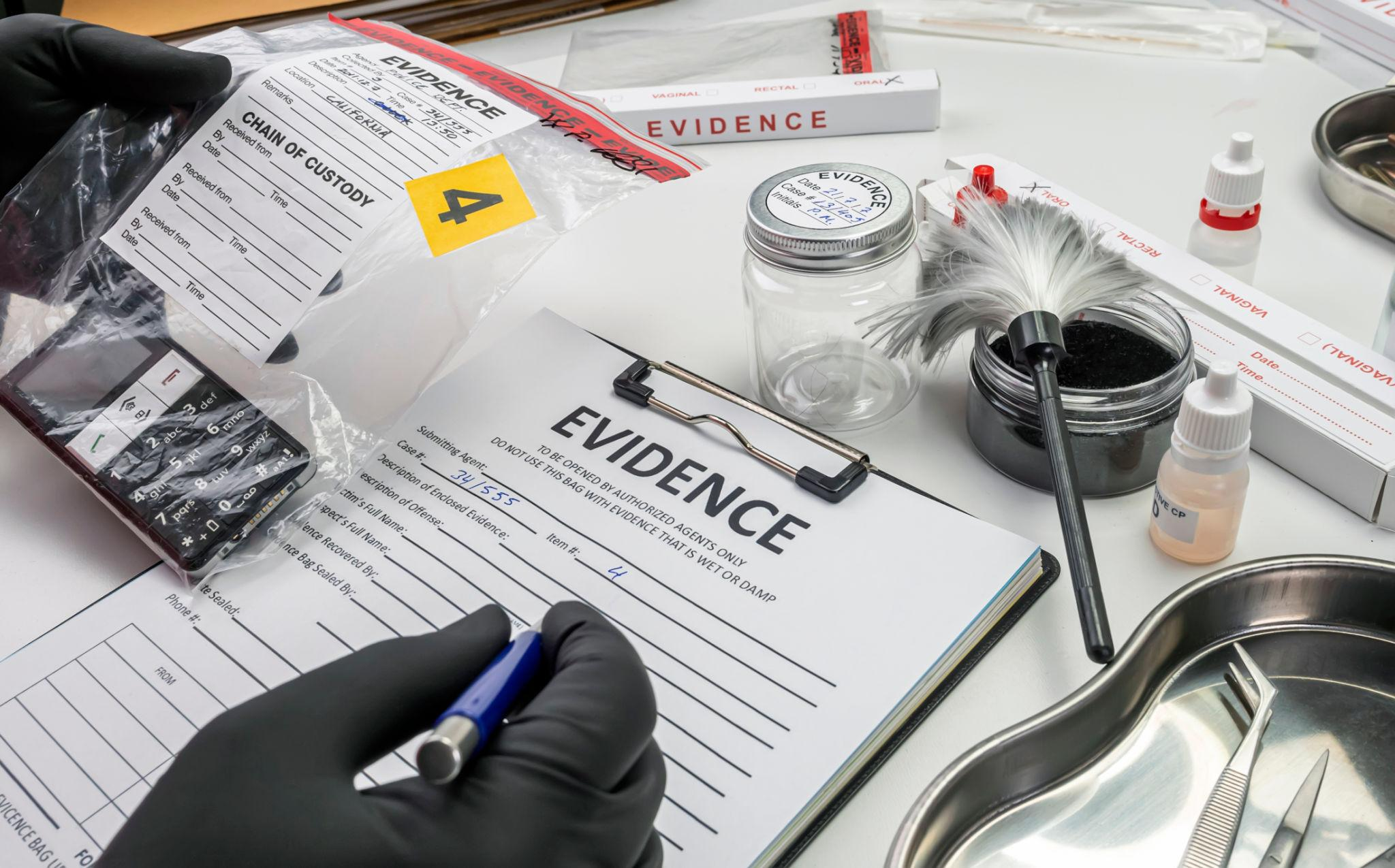
ASHFORD — November 25, 2026 — The rescue of a missing 13-year-old child has led investigators to examine a potentially wider kidnapping operation after a mobile phone recovered from a suspect contained files documenting 23 children, all believed to be younger than 16.
Among the recovered documents, detectives discovered that 15 entries had been marked with a distinctive “X,” while several others contained dates, initials and references to unidentified individuals.
The discovery changed the direction of the investigation, transforming what authorities initially believed was an isolated kidnapping into a broader effort to establish the whereabouts of children whose information appeared in the recovered files.
The most pressing question was whether the markings represented completed transactions, abandoned plans or something more serious.

The investigation began after the family of a 13-year-old child contacted authorities when the child failed to return home.
Detectives initially focused on establishing the child's last known whereabouts, interviewing relatives and reviewing available surveillance recordings.
Information obtained during those inquiries eventually led authorities to a residential property associated with a person of interest.
The child was located alive and subsequently transferred to a medical facility for evaluation. Authorities withheld identifying information to protect the child's privacy.
At that stage, investigators were primarily concerned with determining the circumstances of the disappearance and whether anyone else had participated.
However, evidence recovered from the property suggested that the case might extend beyond the rescued child.
Among several personal belongings collected during the investigation was a mobile phone that would become central to the subsequent inquiry.
The device contained information that appeared unrelated to the original missing-person report.
As detectives examined the recovered material, they discovered a collection of records involving other children.
A preliminary examination identified 23 individual entries containing photographs, estimated ages and personal information.
Some entries included references to schools and residential communities. Others contained incomplete names, dates or short descriptions.
The children appeared to range in age from 8 to 15.
Nevertheless, the number of entries prompted authorities to expand their investigation.
The files were organized in a manner suggesting that the information had been deliberately maintained rather than collected through ordinary personal communications.
Several records appeared to have been updated on multiple occasions.
The discovery raised questions about how the information had been obtained, why it had been retained and whether additional individuals had access to it.
One particular detail immediately distinguished most of the entries from the others.
Fifteen had been marked with an “X.”
The markings appeared beside individual records without an accompanying explanation.
Initially, detectives considered several possible interpretations.
The symbol might have indicated that an entry was no longer active. It could also have represented a completed action or a change in the status of a particular child.
What made the discovery particularly concerning was that some marked entries also contained dates corresponding to periods when children had been reported missing.
Detectives began comparing the recovered information with existing missing-person records.
Some names could be identified relatively quickly. Others required additional examination because the available information was incomplete.
Authorities treated each entry as a potential safeguarding concern while working to establish the child's actual circumstances.
The first significant breakthrough came when investigators identified similarities between several photographs and children listed in existing missing-person reports.
The matches suggested that at least part of the recovered collection involved real individuals whose whereabouts had previously been questioned.
However, establishing that a photograph belonged to a missing child was only the beginning of the investigation.
Detectives still needed to determine whether the suspect had been directly involved in the disappearance, had obtained information from another person or had collected material from publicly available sources.
The distinction was important because photographs of missing children are frequently circulated online by relatives, law enforcement agencies and organizations assisting with searches.
Several entries warranted additional attention because they appeared to include information beyond what was available in ordinary missing-person notices.
The findings prompted authorities to contact other agencies responsible for investigating those cases.
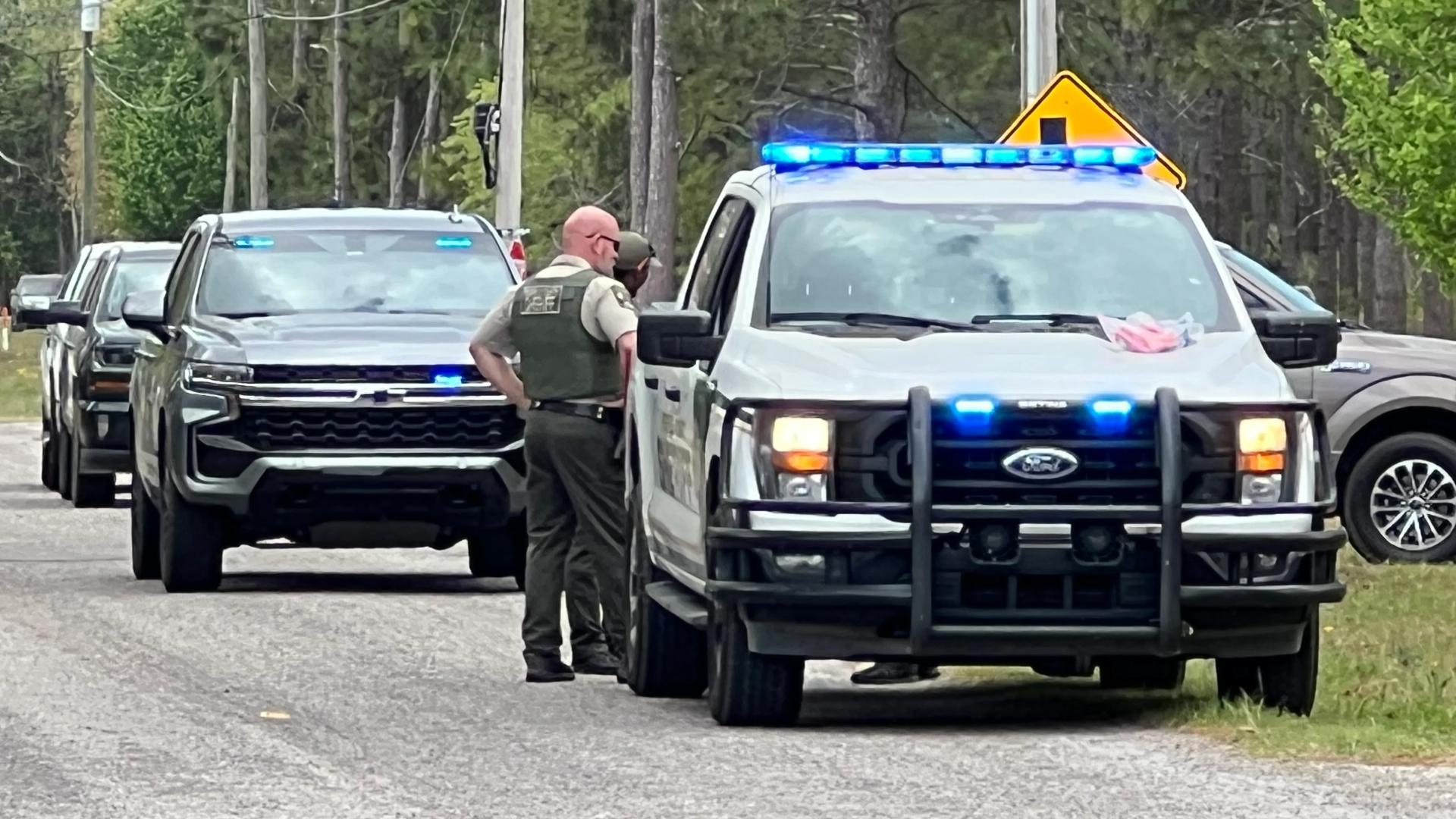 Several appeared to be living with their families and attending school normally.
For investigators, this introduced another possible explanation for the collection: some children may have been identified as potential targets without ever having been abducted.
Authorities began arranging confidential welfare checks.
The purpose was to establish whether the children were safe and whether their families had noticed suspicious communications or unexplained interactions.
Some relatives had no knowledge that photographs or personal information concerning their children had been collected.
The discovery demonstrated how a digital investigation could identify safeguarding concerns before a disappearance occurred.
It also complicated efforts to interpret the “X” markings.
The scope of the recovered material led investigators to consider whether the suspect had acted independently.
Several entries contained references to unidentified individuals, while other records appeared to have originated from communications involving multiple accounts.
Authorities began examining whether those references represented actual associates or unrelated contacts.
The investigation also expanded to include additional electronic devices and records obtained through appropriate legal procedures.
Detectives therefore sought corroborating evidence before identifying additional suspects.
The inquiry increasingly focused on whether information about children had been exchanged among multiple individuals and whether any such exchanges were connected to documented disappearances.
The possibility of a wider operation remained one of several investigative directions.
 After receiving medical attention, the rescued child participated in an interview conducted by specialists trained to work with young victims.
Investigators limited the number of interviews to reduce unnecessary distress and preserve the reliability of the child's account.
During the interview, the child described circumstances suggesting that other individuals may have been involved before the rescue.
The account also contained references to another child whose identity was initially unknown.
Detectives compared those details with the information recovered from the suspect's phone.
One entry appeared consistent with elements of the child's description, prompting authorities to prioritize that record.
For the first time since the phone was recovered, detectives had information potentially connecting the original kidnapping to another entry in the collection.
The subsequent investigation led authorities to identify another child associated with one of the recovered files.
The child was located alive and placed under appropriate protective supervision while officials examined the circumstances.
Investigators withheld details concerning the location and the child's identity.
The discovery represented an important development because it demonstrated that the recovered records could contain information relevant to actual safeguarding cases.
However, authorities continued to distinguish between children who had been rescued, children found safe with their families and individuals whose circumstances remained unresolved.
Those categories carried different investigative implications.
By establishing the status of each individual separately, detectives hoped to avoid inaccurate conclusions while identifying those who might require immediate assistance.
As authorities reviewed the recovered records, several entries appeared to date from months before the original rescue.
The oldest documents suggested that the collection had developed over an extended period.
Investigators began reviewing earlier missing-child reports to determine whether any contained information corresponding to the recovered files.
Some cases had already been resolved. Others remained active.
In several instances, the available details were insufficient to establish a reliable match.
Detectives requested additional records from agencies responsible for those investigations.
The review highlighted the challenges associated with cases that cross jurisdictional boundaries.
Different agencies may maintain separate records, and information relevant to one investigation may not initially appear significant in another.
A newly recovered document can therefore provide an important connection between cases that were previously examined independently.
Whether those connections establish a common offender depends on the strength of the supporting evidence.
Following an initial round of welfare checks and record comparisons, investigators developed a preliminary assessment of the children documented on the device.
Of the 23 entries, 12 children were located safely with relatives or guardians.
Two, including the child whose rescue initiated the investigation, were placed under protective care following their recovery.
The remaining nine entries required further investigation.
Some corresponded to existing missing-person cases. Others contained insufficient information to establish the child's identity or current location.
The preliminary accounting substantially changed the interpretation of the recovered collection.
Rather than representing 23 confirmed kidnappings, the files appeared to contain information involving children in several different circumstances.
Nevertheless, the unresolved entries remained a significant concern.
Authorities continued working to determine whether those children were safe, whether their information had been obtained unlawfully and whether any additional criminal offenses had occurred.
The most important development emerged when investigators compared the markings with the status of the children they had already located.
Of the 15 marked entries, eight corresponded to children found safe with their families.
One corresponded to the second child located during the investigation.
Six remained unresolved.
Further examination of recovered communications suggested that the markings may have indicated that an entry was no longer being actively maintained by the person responsible for the collection.
However, the reason an individual record had become inactive varied.
Some children appeared to have been removed from consideration. Other entries may have been transferred to a separate collection or associated with another individual.
The next stage of the inquiry focused on corroborating the information recovered from the phone.
Investigators sought independent records that could establish when the entries were created, whether they had been modified and whether the information had been shared with other individuals.
They also continued comparing the material with missing-person reports and statements from families.
The significance of each record depended on the relationship between the digital evidence and independently established events.
Authorities needed to reconstruct the circumstances surrounding each entry before determining whether criminal charges were appropriate.
The investigation also required particular care because inaccurate identification could cause considerable distress to families whose children were already missing.
The discovery of 14 children alive provided an important measure of progress, but nine entries remained unresolved.
Six of those appeared among the records marked with an “X.”
Investigators continued examining whether those children had been reported missing, whether they could be identified through other records and whether any additional individuals possessed relevant information.
The suspect remained the subject of criminal proceedings connected to the original kidnapping.
Any additional charges would depend on the evidence obtained during the expanded investigation.
Authorities also sought to preserve the privacy of the children who had already been located.
For those families, establishing that a child was physically safe represented only one part of the response. Psychological support and appropriate protective measures remained important.
The investigation that began with the disappearance of a single child ultimately exposed a collection of records involving 23 minors.
Fourteen children were accounted for alive. Nine entries remained under investigation, including six bearing the unexplained “X.”
The markings that initially appeared to provide a simple explanation instead revealed a more complicated collection of circumstances.
Some children had never disappeared. Others required protective intervention. Several could not yet be located or conclusively identified.
For investigators, the next challenge was establishing whether the remaining records represented additional kidnapping victims or children whose information had been collected for other purposes.
The answer would depend on the continued examination of digital evidence, cooperation between law enforcement agencies and the identification of the individuals associated with the unresolved files.
Comments (0)
Loading comments...
May You Like

THANKSGIVING CRISIS: NYC PARADE POSTPONED AFTER FBI WARNING—$900 MILLION LOST!

IRAN THREATENS SHIPS OVER HORMUZ PASSAGE AFTER CLAIMING A MINE STRIKE

PUTIN RAISES LUKOIL DEAL WITH TRUMP’S ENVOYS AS UKRAINE PEACE TALKS CONTINUE







Popular Posts





