
FLORIDA SLAUGHTERHOUSE RAID: 13-YEAR-OLD ALLEGEDLY FORCED TO KILL ANIMALS, 15 MORE CHILDREN ON VIDEO!
FLORIDA SLAUGHTERHOUSE RAID: 13-YEAR-OLD ALLEGEDLY FORCED TO KILL ANIMALS, 15 MORE CHILDREN ON VIDEO!
ORLANDO, Florida — November 24, 2026 — Florida authorities have shut down an Orlando slaughterhouse and arrested six employees following an investigation into allegations of severe animal cruelty, including an incident in which a child was allegedly made to participate in the slaughter of a sheep under the direction of an adult employee.
The arrests took place on November 20 at Ali Meat International LLC, a meat processing business located on Dean Road in Orlando. Florida Attorney General James Uthmeier and Agriculture Commissioner Wilton Simpson formally announced the criminal charges on Monday, revealing details of an investigation that began more than a year earlier.
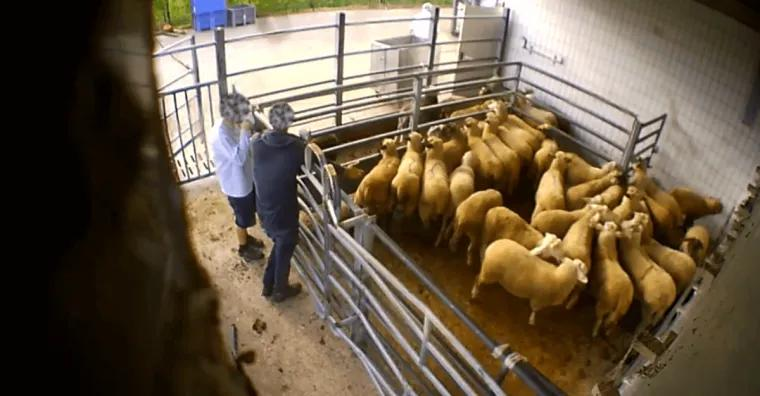
At the center of the case is a collection of 19 videos recorded during a public slaughter event in June 2025. The recordings, provided to state authorities by a member of the public, allegedly document multiple violations of animal welfare laws involving employees and customers.
Among the incidents described by prosecutors, the involvement of a child believed to be approximately 12 or 13 years old has raised particular concerns about the supervision of minors and the activities permitted inside the facility.
The business was no longer operating as of Monday, while authorities indicated that their investigation could result in additional charges and further action against the establishment.
The criminal investigation centers on activities that took place on June 6 and 7, 2025, when Ali Meat International held an event allowing customers to purchase livestock and participate in slaughtering the animals. The gathering had been promoted through social media, attracting members of the public to the facility.
One attendee recorded activities inside the establishment and subsequently provided the material to authorities. In August 2025, the Florida Department of Agriculture and Consumer Services received 19 recordings that would become a central part of the investigation.
Rather than addressing a single alleged violation, investigators began examining whether the conduct documented in the recordings reflected broader problems involving animal handling, employee supervision and customer participation.
The inquiry eventually brought together agricultural law enforcement personnel and statewide prosecutors. Investigators reviewed the recorded incidents, examined the responsibilities of individuals working at the business and considered whether the activity justified criminal prosecution.
More than a year after the recordings were submitted, authorities executed a search warrant and arrested six workers, including the facility's manager.
One of the recordings described by investigators involved a boy estimated to be 12 or 13 years old. According to the attorney general's office, an employee placed a knife in the child's hand and physically guided him through the slaughter of a sheep.
The allegation has raised questions that extend beyond the treatment of livestock. The circumstances also concern the responsibilities of adults supervising children in an environment where potentially dangerous activities were taking place.
The recordings allegedly show livestock being subjected to prohibited handling practices and unnecessary suffering. Investigators described repeated mistreatment involving cattle and sheep, including incidents in which animals remained conscious during improper slaughter procedures.
State authorities contend that the material documents conduct extending beyond an isolated mistake made by an inexperienced participant. Their allegations concern the actions of multiple individuals and the circumstances under which customers were permitted to handle animals.
The recordings are particularly significant because they provide investigators with visual evidence of activities that might otherwise have depended entirely on witness recollections.
However, the recordings must still be examined in connection with other evidence. The identities of individuals, the circumstances surrounding particular incidents and the responsibilities of employees are relevant to determining whether each criminal allegation can be established in court.
The criminal charges represent the state's interpretation of the evidence. They are not convictions, and each defendant is entitled to challenge the prosecution's allegations.

In the Orlando case, the initial collection comprised 19 videos. State officials have described several incidents documented within that material, some involving employees and others involving members of the public.
Additional evidence could emerge as investigators continue reviewing the business's operations, interviewing witnesses and examining material collected during the search.
Authorities identified the arrested manager as Nadeem Shakeel, 44, of Orlando. The five other defendants were identified as Belal Khaled Dohast, Gelacio Santiz, Lorenzo Santis Diaz, Muhammad Irfan Khan and Jean Deolis.
The allegations include aggravated animal cruelty, conspiracy and cattle abuse. Shakeel faces the largest number of charges, along with a separate firearm theft allegation.
Prosecutors said the manager acknowledged responsibility for organizing the event, supervising its activities and managing financial transactions. Investigators are examining those responsibilities in connection with the conduct allegedly documented in the recordings.
The other defendants face different combinations of animal cruelty and conspiracy charges. Establishing criminal responsibility will require prosecutors to demonstrate the involvement of each individual rather than treating every worker's conduct as identical.
Maximum potential sentences announced by state authorities
Nadeem Shakeel
Age 44
105 years
Belal Khaled Dohast
Age 45
25 years
Gelacio Santiz
Age 36
20 years
Lorenzo Santis Diaz
Age 26
20 years
Muhammad Irfan Khan
Age 44
10 years
Jean Deolis
Age 57
10 years
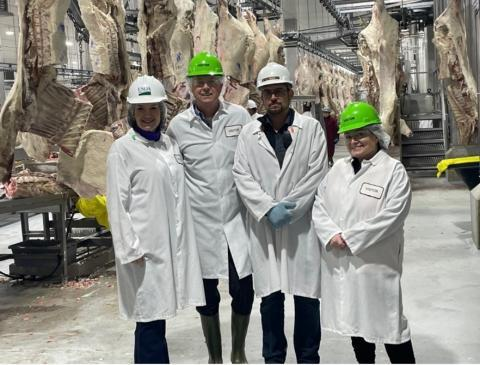
The criminal investigation has also prompted federal regulatory action. U.S. Agriculture Secretary Brooke Rollins was present at the Orlando facility during Friday's enforcement operation.
The U.S. Department of Agriculture subsequently revoked the business's authorization to conduct livestock slaughter without federal inspectors present, according to statements reported by local media.
That decision represents a separate regulatory development from the criminal proceedings against the six defendants. While state prosecutors are examining individual criminal responsibility, federal authorities are concerned with compliance with applicable slaughter and animal welfare requirements.
The distinction matters because a commercial establishment may face regulatory restrictions even while criminal allegations remain unresolved. Authorities may also consider additional administrative or civil measures depending on the findings of their investigations.
Ali Meat International operated as a halal meat establishment. The June 2025 event coincided with Eid al-Adha, an Islamic religious observance associated with charitable giving and the traditional sacrifice of livestock.
The religious context has become part of the public discussion surrounding the investigation. However, prosecutors have emphasized that the allegations concern specific acts of animal cruelty rather than religious observance itself.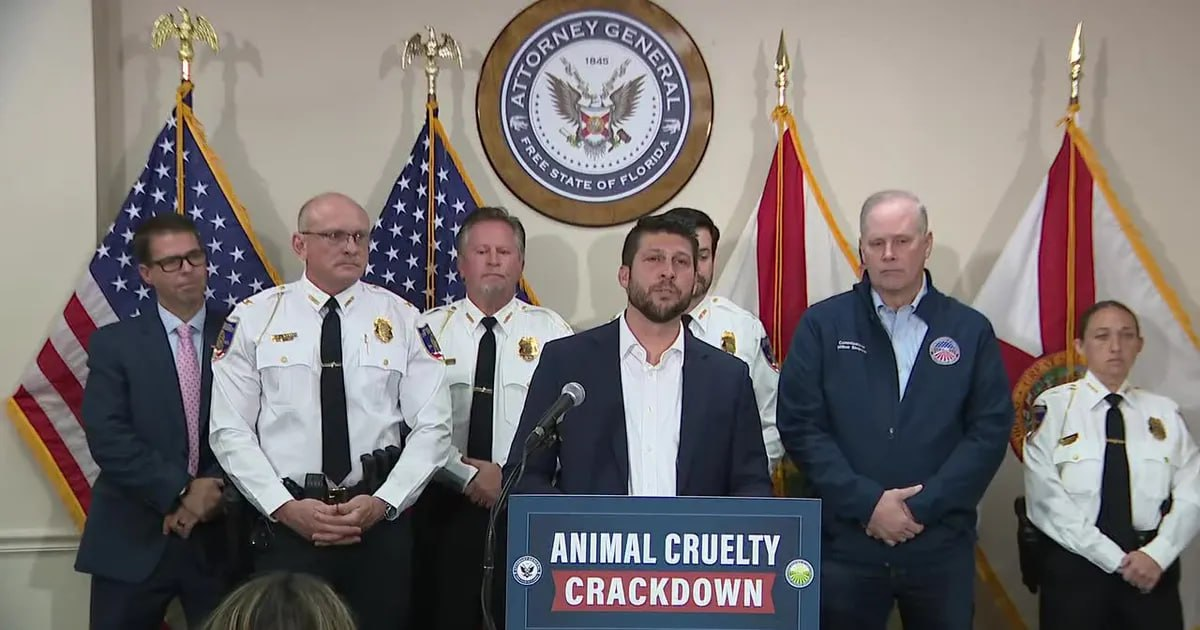
Religious slaughter is recognized under American law, subject to applicable statutory and regulatory requirements. Religious accommodations do not provide unrestricted permission to mistreat animals or disregard other legal obligations.
Imam Tariq Rasheed of the Islamic Center of Orlando explained to Spectrum News that traditional religious slaughter involves particular requirements and that families frequently rely on experienced butchers to carry out the process.
The distinction is essential when assessing the criminal case. The accusations concern identifiable conduct allegedly committed by particular individuals at one establishment. They do not establish wrongdoing by other halal businesses or by the wider Muslim community.
During Monday's announcement, Assistant Statewide Prosecutor Lauryn Day indicated that complaints involving the establishment dated back to 2021.
That history introduces questions about how concerns were previously assessed and what information was available to authorities before the recordings from June 2025 were submitted.
A previous complaint does not necessarily establish that a criminal violation occurred. Its significance depends on the allegations it contained, the evidence available at the time and the actions taken by the relevant authorities.
The existence of earlier complaints nevertheless raises a broader question about how regulators evaluate repeated reports involving the same commercial establishment. Inspectors and investigators may receive information from employees, customers, advocacy organizations and other members of the public.
Understanding how those reports are handled can help determine whether existing systems provide an effective means of identifying serious violations before they become more widespread.
Further disclosure of inspection histories and administrative records could provide additional context as the Orlando investigation proceeds.
Commercial livestock processing environments present risks that differ considerably from those associated with ordinary retail establishments. Animals, specialized equipment and sharp instruments can create hazards requiring appropriate supervision and access controls.
 When minors are permitted to enter such environments, the responsibilities of the adults involved become particularly important. Children may not fully understand the dangers associated with unfamiliar activities or possess the experience necessary to assess whether an instruction is appropriate.
The Orlando case raises questions about how the business determined which customers could participate in slaughter activities and what restrictions applied to younger visitors.
The available information does not establish whether the child was employed by the business or attended as a visitor accompanied by relatives. Those are legally significant distinctions because workplace regulations, child labor protections and other safety requirements apply differently depending on the circumstances.
Any separate determination concerning the child's welfare would require an assessment of the evidence by the appropriate authorities.
Florida officials have said that the investigation remains open and that further charges are expected. The announcement leaves open the possibility of additional action concerning other individuals, incidents or aspects of the business's operations.
Investigators may examine additional recordings, witness statements, business documents and information obtained during the enforcement operation. Such material could help determine whether the incidents identified in the original evidence were isolated or part of a broader pattern.
The involvement of a minor may warrant further examination of the circumstances under which the child participated. At present, the announced prosecution focuses primarily on animal cruelty and related offenses.
Whether separate child welfare proceedings or criminal allegations emerge will depend on the findings of the continuing inquiry.
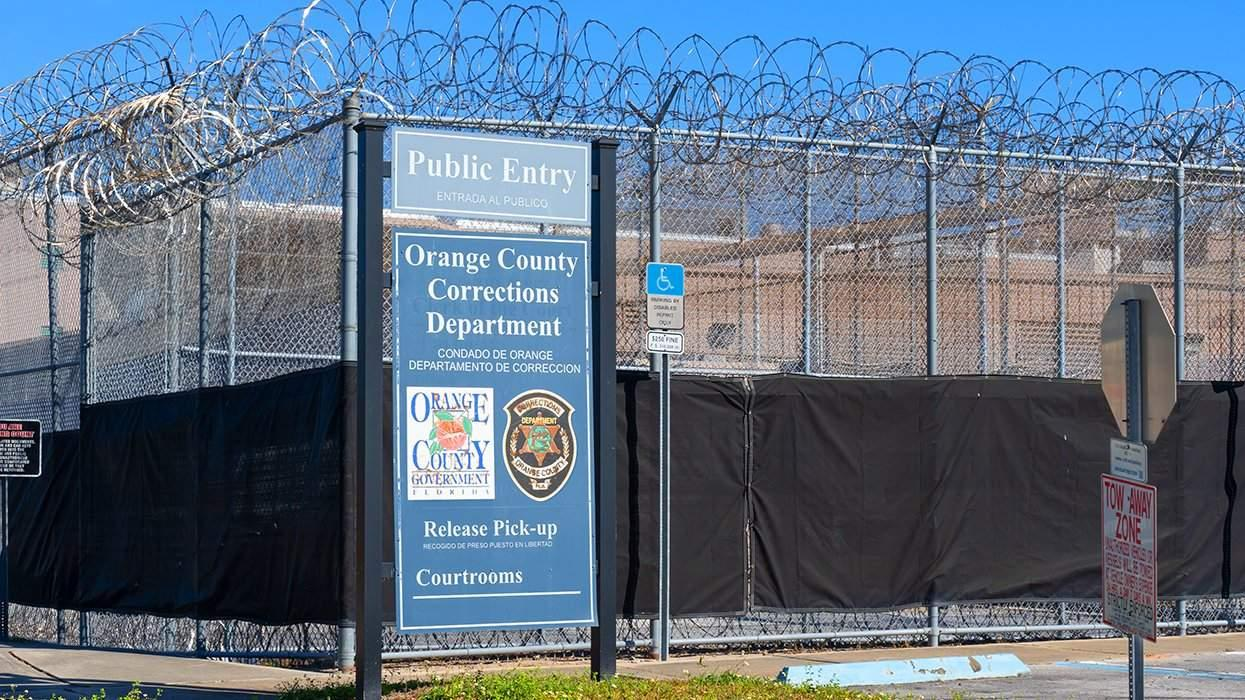
State officials reported that all six defendants were being held in Orange County Jail. U.S. Immigration and Customs Enforcement also placed immigration detainers on four of the arrested individuals.
The state prosecution is being handled in Florida's Ninth Judicial Circuit. Depending on the progress of the proceedings, the next stages could include hearings, the exchange of evidence between prosecutors and defense attorneys, motions regarding the admissibility of evidence and possible trial proceedings.
The maximum potential penalties announced by authorities reflect the seriousness and number of charges. Actual sentencing, if convictions occur, would depend on the applicable law, judicial decisions and the resolution of each allegation.
The most sensitive question raised by the investigation concerns the young person described in the recorded evidence. Authorities allege that an employee physically directed the child to participate in killing a sheep during the public event.
Beyond that account, important details remain unavailable. Investigators have not publicly established whether other children participated, whether the incident resulted in physical injuries or whether the child subsequently received counseling or other assistance.
The distinction between an allegation involving one young visitor and a documented pattern involving numerous children is substantial. Establishing the latter would require additional witnesses, independently verified recordings or other supporting evidence.
The child's privacy is also an important consideration. Public identification could expose a minor to unwanted attention without contributing meaningfully to the criminal proceedings.
For authorities, the central concern is determining what occurred, who was responsible and whether the circumstances warrant additional protective or legal action.
The closure of Ali Meat International represents an immediate consequence of an investigation that began with recordings made by a member of the public in June 2025.
Six individuals now face criminal proceedings. Federal officials have imposed regulatory restrictions, while state authorities continue examining the establishment's previous activities.
The case has brought together several issues: the treatment of livestock, the responsibilities of commercial operators, the supervision of public slaughter events and the safeguards needed when children are present in potentially hazardous environments.
The involvement of a young visitor remains one of the most consequential allegations disclosed during the investigation. Whether further evidence establishes additional incidents involving minors is a question that authorities have yet to resolve.
For now, the recorded evidence has prompted the closure of an established business and a prosecution carrying potentially significant prison sentences. The next phase of the investigation will determine whether the conduct already identified represents the full extent of the alleged violations.
Comments (0)
Loading comments...
May You Like

CARIBBEAN PRINCESS: 5,000+ ABOARD, UNKNOWN VIRUS—CHINESE PASSENGER IS FIRST KNOWN CASE!

PENTAGON'S DECLASSIFIED UFO FILES — THE MYSTERY OF AN UNDERGROUND STORAGE PROJECT!

ELON MUSK'S MILLION-SATELLITE MEGAPROJECT — THE NEXT FRONTIER OF AMERICAN SPACE POWER?













