
Florida's Midterm Election Bombshell: Early Voting Numbers Reveal a Stunningly Close Battle as Trump Faces a Major Test
Florida's 2026 midterm elections are delivering a political surprise that could reshape expectations ahead of Election Day. With millions of ballots already cast, new early voting figures reveal an unusually competitive turnout battle between Republicans and Democrats in a state that has become a powerful Republican stronghold.
The latest numbers show that Republican voters are dominating early in-person voting, while Democrats have established a substantial advantage in returned mail ballots. Together, these contrasting trends are creating a much closer participation contest than Florida's overall voter registration figures might suggest.
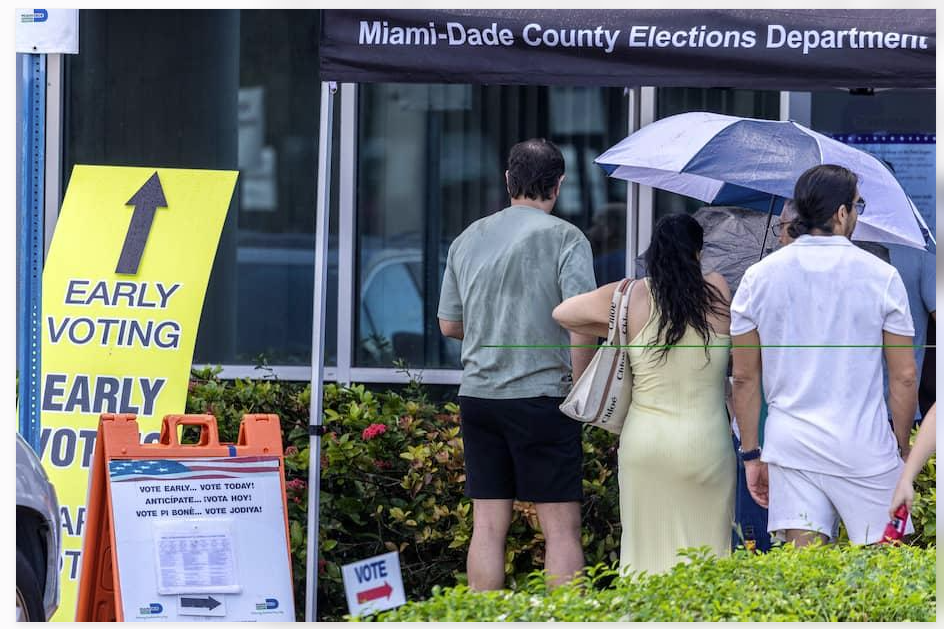
President Donald Trump has made Florida a central part of his political identity, and the state's Republican transformation has been one of the most significant developments in recent American electoral history. But the latest turnout figures suggest that Democratic voters are still capable of mounting a competitive challenge, even in a state where Republicans hold a commanding registration advantage.
According to Florida's official election statistics compiled on October 29, more than 3.89 million ballots had already been cast through early in-person voting and returned vote-by-mail ballots. The total includes approximately 2.21 million early in-person votes and 1.69 million returned mail ballots.
Republicans accounted for 972,753 early in-person ballots, compared with 788,137 from registered Democrats. That gave the GOP an advantage of more than 184,000 ballots among voters who had visited early voting locations.
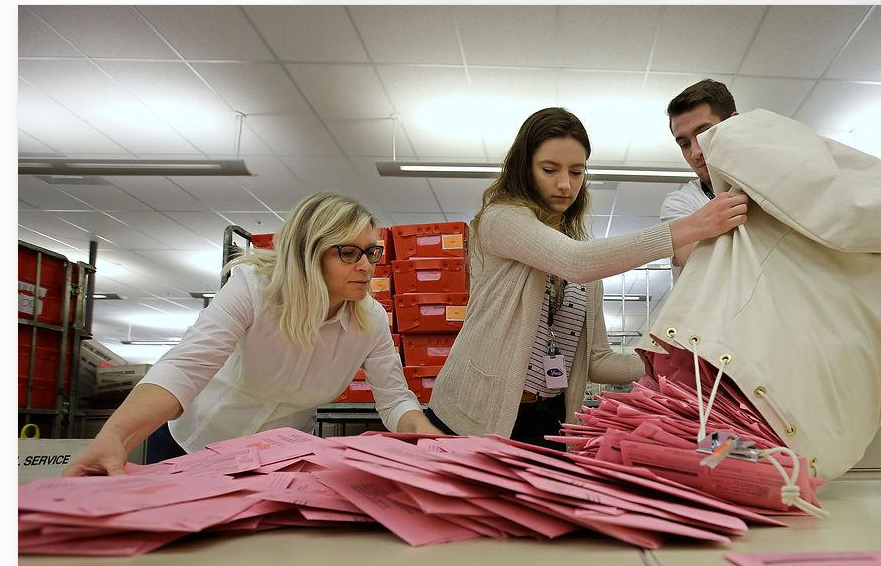
The situation looked dramatically different when mail voting was examined. Registered Democrats had returned 727,007 mail ballots, compared with 594,110 from Republicans, giving Democrats an advantage of nearly 133,000 ballots through that voting method.
Combining the two categories produces a much tighter picture. Republican voters accounted for approximately 1.57 million ballots, while Democrats accounted for approximately 1.52 million, leaving a Republican participation advantage of only about 52,000 ballots.
That relatively narrow gap is striking because Florida Republicans outnumber registered Democrats by approximately 1.5 million voters statewide. The comparison has attracted attention from political observers who are trying to determine whether Democratic enthusiasm is stronger than expected.
Still, there is an essential distinction between turnout figures and actual election results. Early voting statistics identify voters by party registration, not by the candidates they selected. A registered Republican can vote for a Democrat, and an independent voter can support either party.
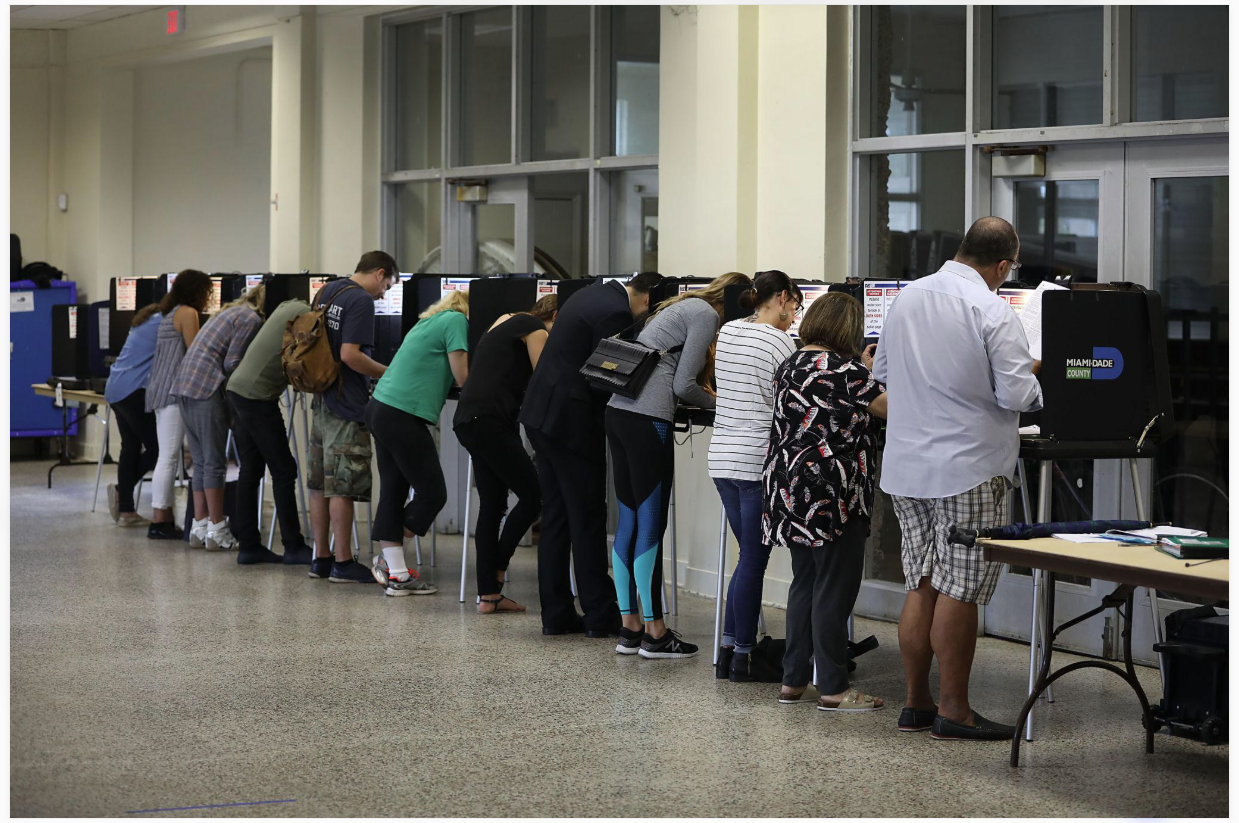
For Trump and his Republican allies, the numbers present a complicated political picture. Republican participation remains strong, particularly among voters casting ballots in person, but Democrats are demonstrating that they can compete in the early turnout contest despite their disadvantage in statewide registration.
Florida's changing political landscape makes the figures especially important. Once considered one of America's most competitive presidential battlegrounds, the state has shifted decisively toward Republicans in recent election cycles.
Trump carried Florida in the 2024 presidential election by a substantial margin, reinforcing Republican confidence that the state had moved beyond its former swing-state status. The 2026 midterms now offer another test of that political transformation.

The early voting figures also highlight an important difference in how the two major parties mobilize their supporters. Republicans have shown greater strength at in-person voting sites, while Democrats have relied more heavily on mail ballots, a pattern that has appeared in several recent election cycles.
But voting behavior is not static. Campaign strategies, election laws, voter preferences, and confidence in different voting methods can all influence whether someone chooses to vote by mail, cast an early ballot in person, or wait until Election Day.
Another crucial group is Florida's voters without party affiliation. By the October 29 official report, nearly 717,000 ballots had been cast by unaffiliated voters across the two voting methods. Their choices could prove especially consequential in closely contested races.
The stakes extend well beyond Florida's statewide political reputation. Voters are choosing candidates for governor, the U.S. Senate, the House of Representatives, and other offices, making turnout patterns important for both state and national political power.
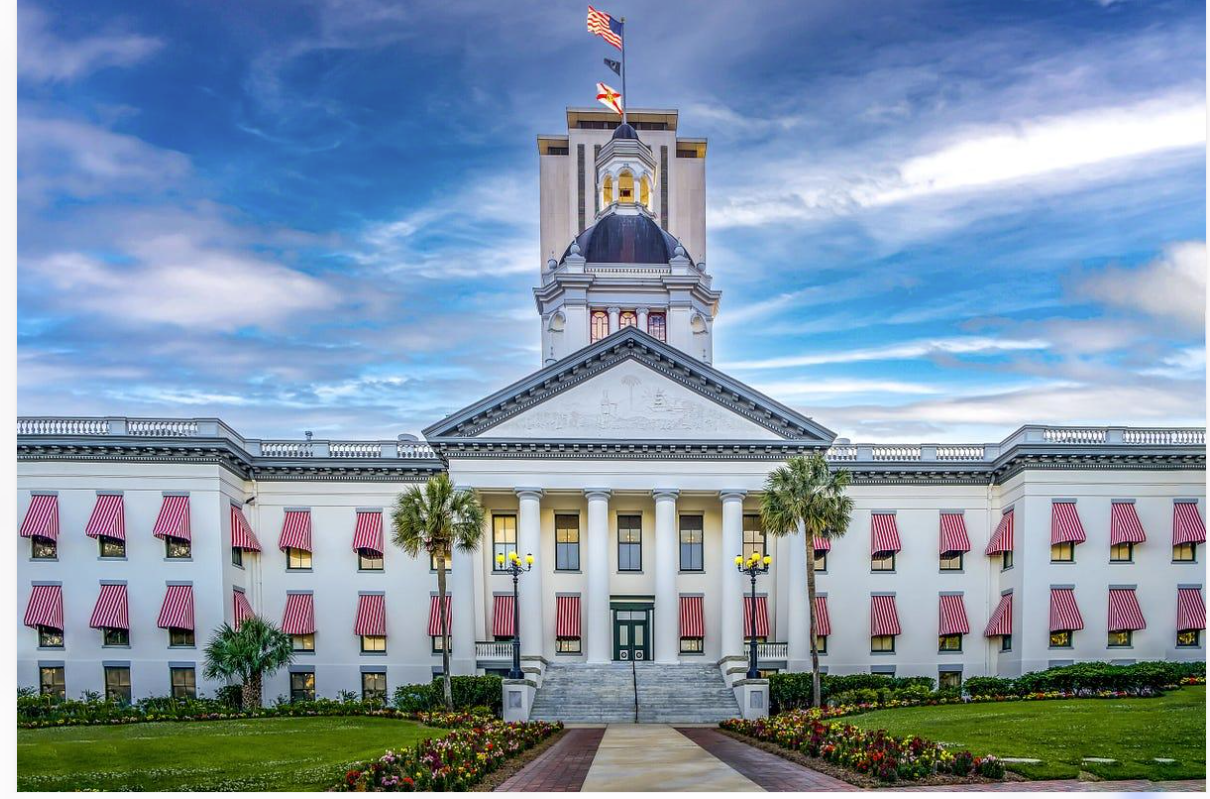
The governor's race between Republican Byron Donalds and Democrat David Jolly is among the contests drawing attention. The U.S. Senate race between Republican Ashley Moody and Democrat Angie Nixon is another major test of party strength.
Yet the numbers should not be mistaken for evidence that Republicans are losing Florida. The state's registration advantage, Republican performance in recent elections, and the votes still to be cast all remain important factors. Early participation figures alone cannot establish which party is ahead in actual votes.
Nor is there verified evidence that Trump personally expressed shock at the October 29 figures, despite viral headlines claiming he was stunned. Such descriptions are political framing rather than documented statements from the president.
With Election Day set for November 3, the next several days could significantly change the turnout picture. More early ballots, additional mail returns, and Election Day participation will determine whether the current narrow party-registration gap widens or contracts.
Florida's biggest surprise is not that one party has already won, but that early turnout has been far more competitive than the state's registration numbers alone might lead observers to expect. For Trump, Republicans, and Democrats alike, the real verdict will come when the ballots are counted and the results become clear.
Comments (0)
Loading comments...
May You Like

BOMBSHELL NEW JERSEY FLOOD — 112 KM/H WINDS, SEAWATER FLOODING INLAND, 120,000 HOMES AT RISK!

FLORIDA AIRBNB NIGHTMARE — 50 TEENS, 7 SHOOTING VICTIMS LINKED TO “SHOTS AT THE DOOR”!









Popular Posts





