
FORD'S $3 BILLION BET ON CHINESE BATTERY TECH — SMART MOVE OR RISKY DEPENDENCE?
AMERICAN-MADE, CHINESE-POWERED? FORD’S $3 BILLION BATTERY BET SPARKS DEBATE OVER AMERICA’S TECHNOLOGICAL INDEPENDENCE
MARSHALL, MICHIGAN, UNITED STATES — NOVEMBER 19, 2026
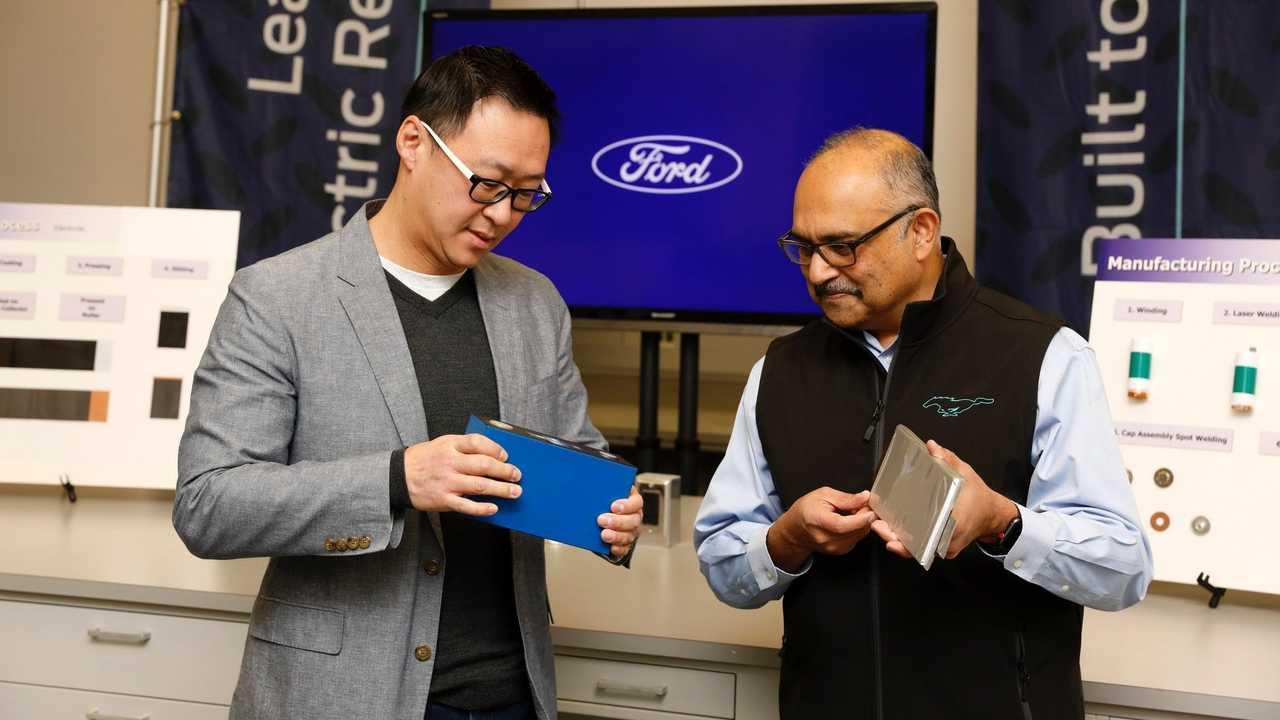
An iconic American automaker. A multibillion-dollar factory on American soil. But Chinese technology at the heart of its manufacturing strategy.
Ford Motor Company has reportedly begun producing electric vehicle batteries at its $3 billion Michigan facility using technology licensed from Chinese battery manufacturing giant CATL.
The strategy is designed to reduce battery costs and help Ford compete in the increasingly competitive electric vehicle market.
However, the development raises an uncomfortable question about America's ambitions for technological independence.
Can the United States win the global electric vehicle race while relying on technology developed by its biggest economic competitor?
Ford's $3 Billion Battery Factory Officially Enters Production
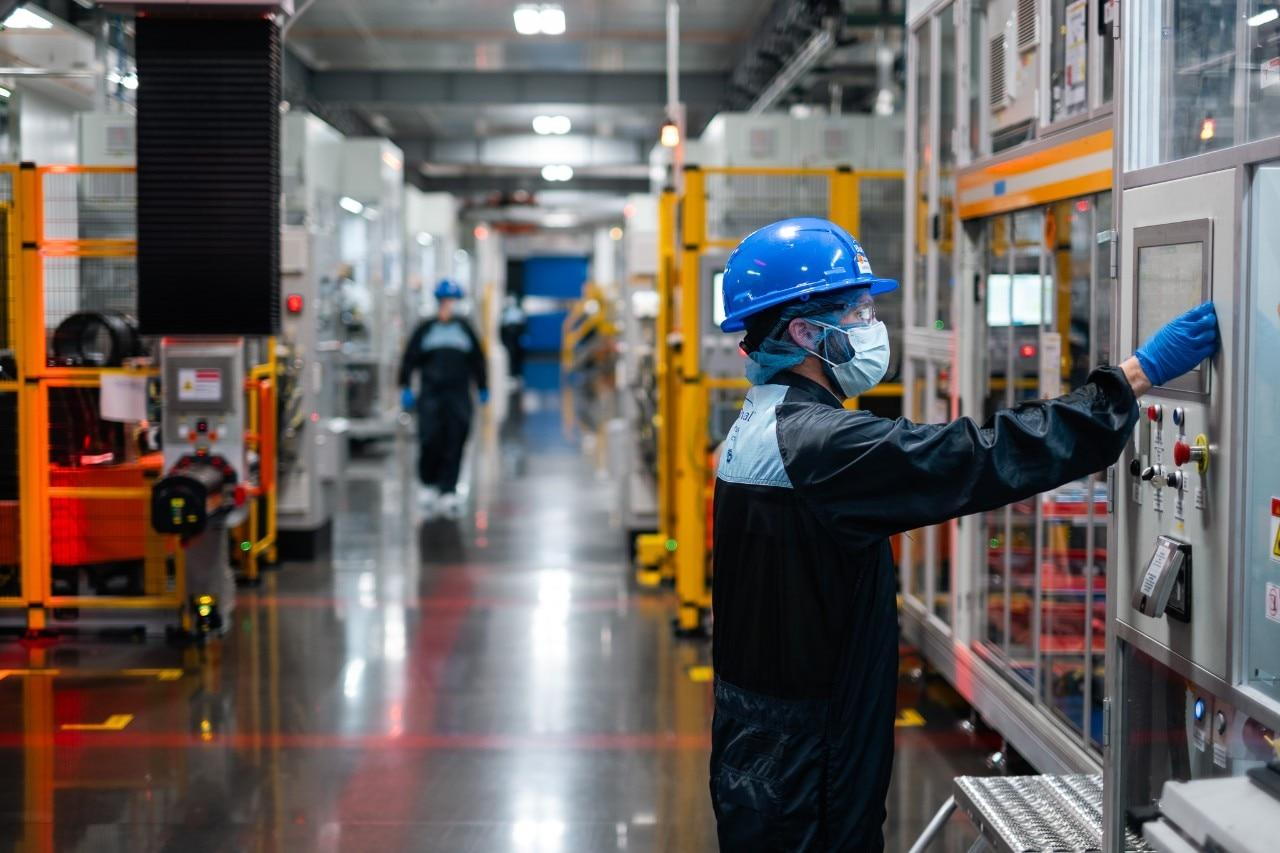
On November 18, Ford announced that its first Michigan-manufactured lithium iron phosphate (LFP) battery cells were being shipped to its Louisville Assembly Plant in Kentucky.
Production began in October, marking a major milestone in Ford's attempt to make electric vehicles more affordable for American consumers.
The batteries will initially support prototypes of the Ford Fathom, the company's upcoming electric pickup truck.
Reuters+1
Total investment
$3 billion
Planned annual capacity
20 GWh
Production line capability
40 cells/min
Long-term employment goal
1,700 jobs
news.metal.com+1
The factory represents a significant investment in American manufacturing. But the technology behind its battery production has become a political flashpoint.
China's Battery Giant Is at the Heart of Ford's Strategy
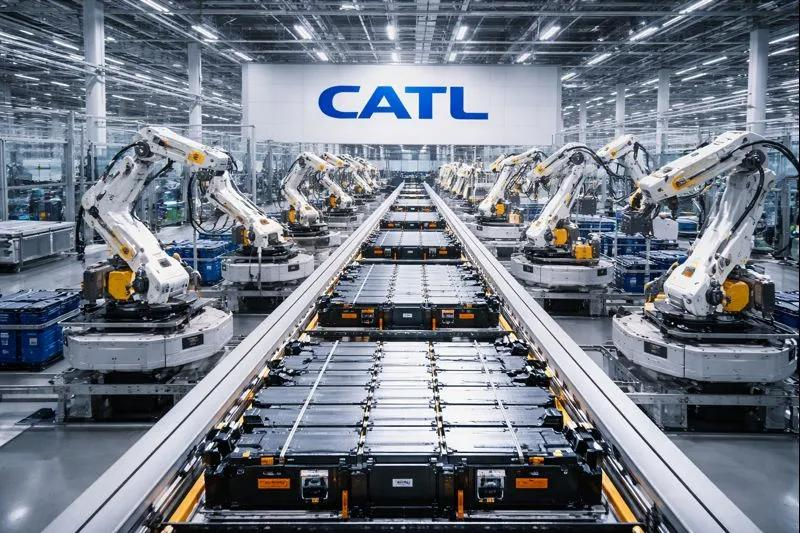
Ford's technological partner is Contemporary Amperex Technology Co. Limited, better known as CATL.
The Chinese company has become a global powerhouse in electric vehicle battery manufacturing.
Rather than developing an entirely independent battery manufacturing process, Ford chose to license CATL's technology and acquire manufacturing expertise from the established Chinese producer.
Ford argues that the partnership allows it to accelerate domestic production and deliver affordable electric vehicles more quickly.
However, there is an important distinction:
The Michigan factory is owned and operated by Ford, not CATL. The Chinese company provides licensed technology and manufacturing support.
Reuters+1
Why Chinese Battery Technology Could Make American EVs Cheaper
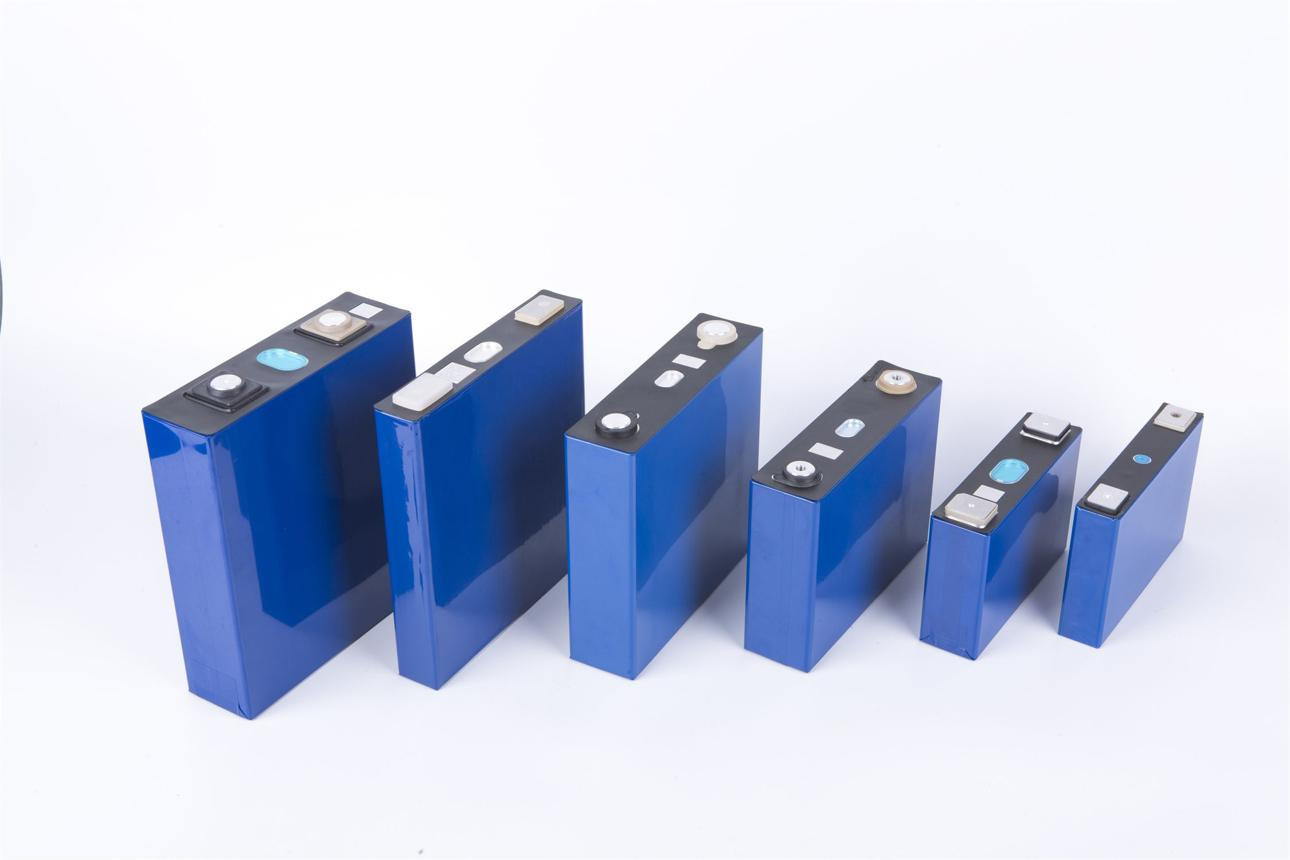
Traditional electric vehicle batteries often rely on relatively expensive materials, including nickel and cobalt.
LFP batteries offer a different approach.
|
Feature |
LFP batteries
Nickel-rich batteries
Manufacturing cost
Generally lower
Generally higher
Energy density
Lower
Higher
Battery lifespan
Generally longer
Varies by chemistry
Thermal stability
Generally better
Requires careful management
Nickel and cobalt
Not required
Typically required
By adopting LFP batteries, Ford hopes to lower production costs without sacrificing the durability that American customers expect.
Ironically, LFP battery chemistry originated in the United States before Chinese manufacturers achieved commercial success with it on a massive scale.
upi.com
America is now drawing on Chinese manufacturing expertise to commercialize technology with American scientific roots.
Washington Fires Back: Trump's Transportation Secretary Raises the Alarm
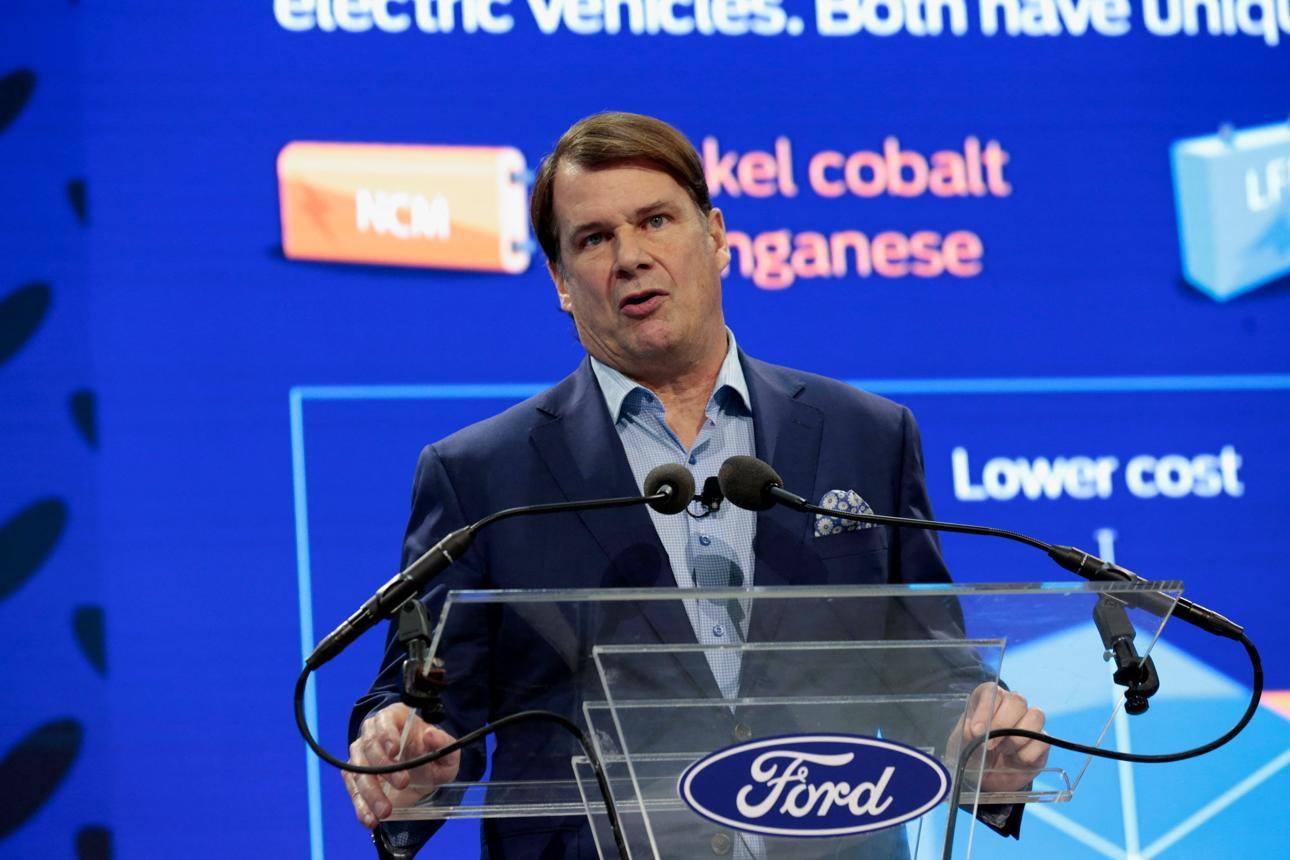
The CATL arrangement has attracted fierce criticism from within the Trump administration.
In September, Transportation Secretary Sean Duffy sent a letter to Ford CEO Jim Farley expressing concerns about the automaker's technological relationships with Chinese companies.
Duffy warned that relying on Chinese manufacturing expertise could undermine America's economic security and efforts to achieve technological self-reliance.
transportation.gov
The concerns reflect a broader debate in Washington about whether American companies should cooperate with Chinese businesses in strategically important industries.
For critics, building factories in America is not enough if essential intellectual property and technical expertise remain dependent on foreign companies.
Ford Refuses to Back Down
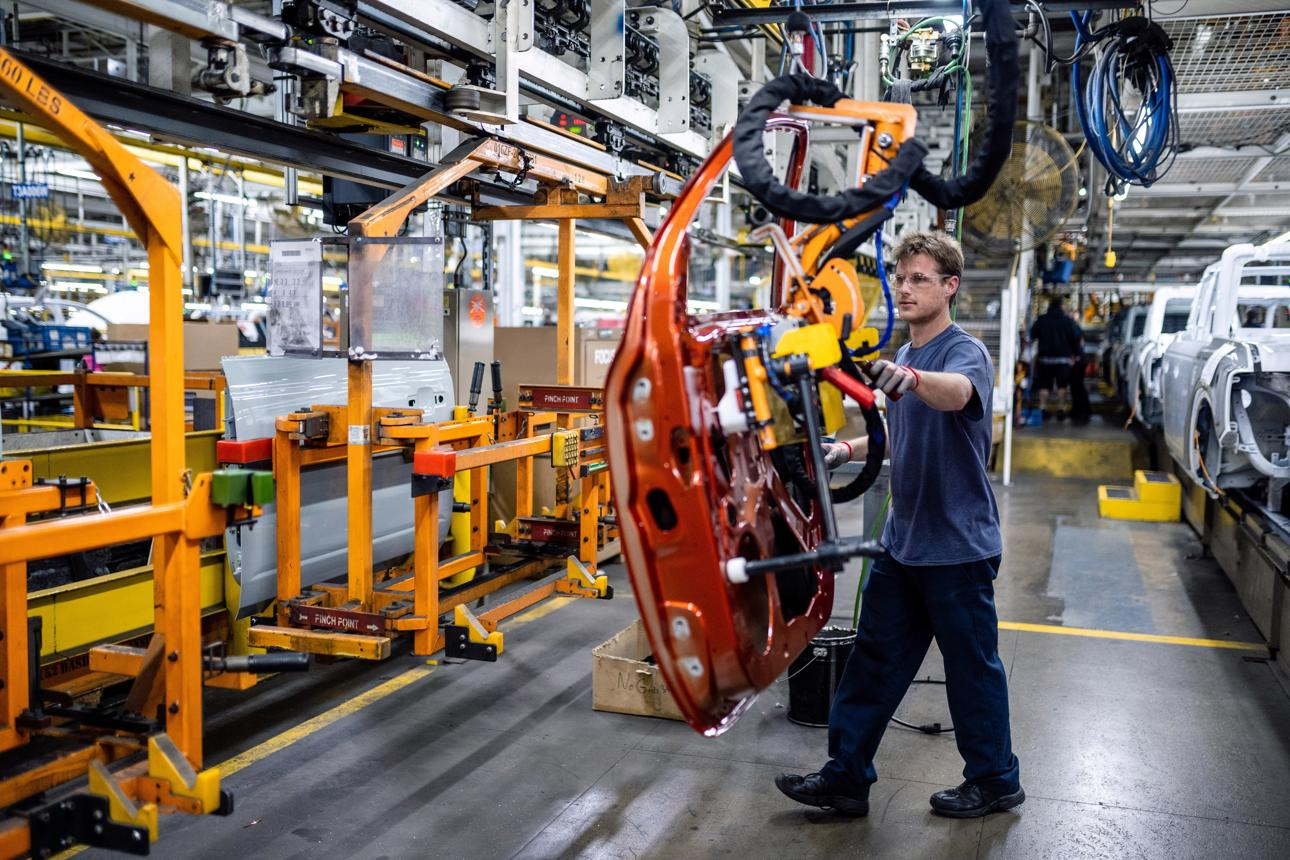
Ford has strongly defended its business strategy.
The automaker argues that producing batteries domestically using licensed technology is preferable to importing finished batteries from China.
Alan Clarke, Ford's vice president of advanced development projects, explained the company's reasoning:
“If we want to get to being able to produce affordable EVs in the United States, we need to also do it the fastest way possible.”
upi.com
Ford believes the arrangement can help American workers develop valuable manufacturing skills while establishing a stronger domestic battery industry.
The central question is whether this technological partnership will eventually reduce America's dependence on China — or reinforce it.
Ford Cuts Its Original Battery Production Ambitions in Half
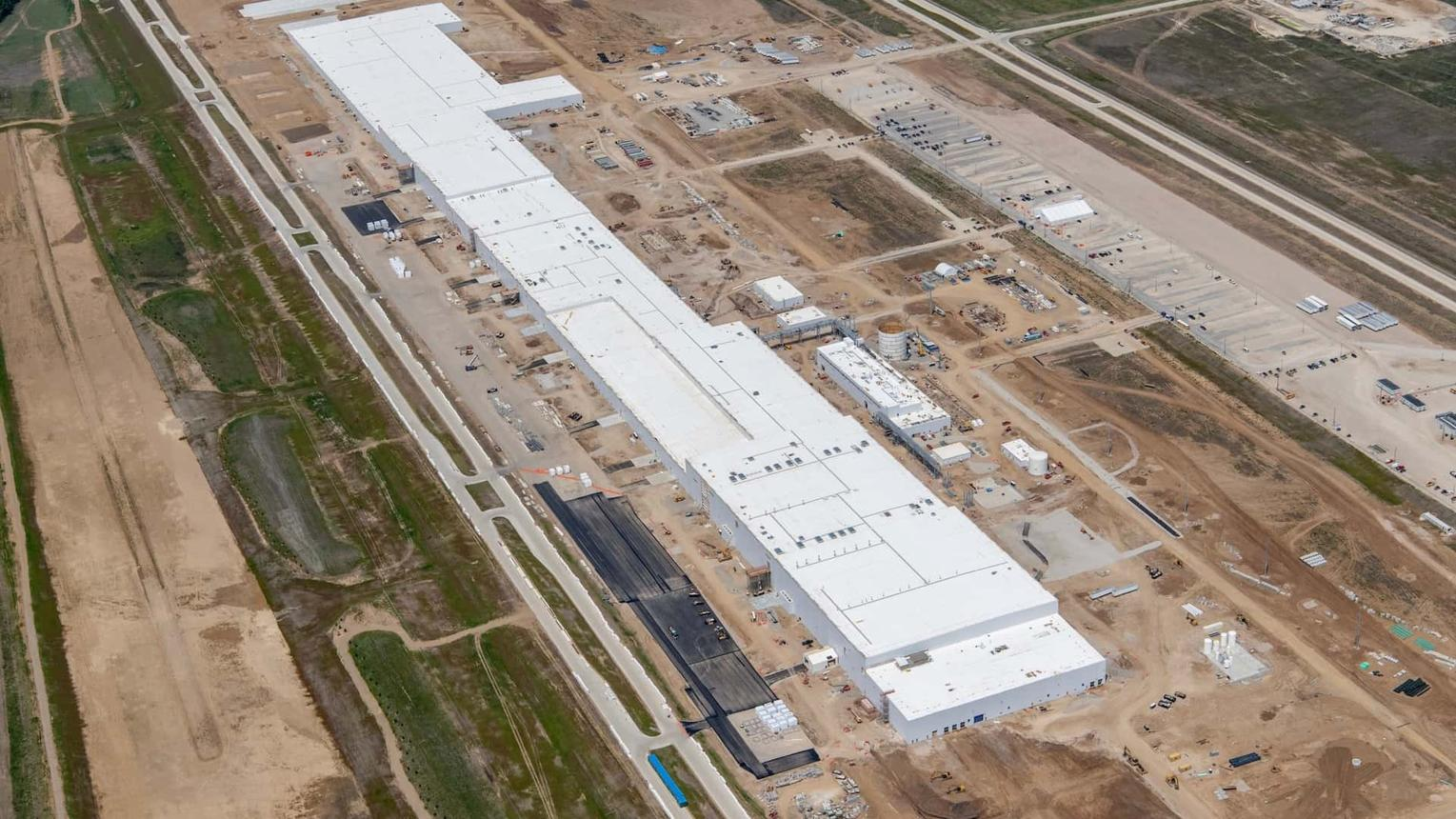
Despite the enormous investment, Ford's battery production ambitions have become more modest.
Planned annual battery production capacity
Original plan
40 GWh
Current plan
20 GWh
50% reduction
Comparison of originally announced and current planned annual capacity, not actual production output.
TradingView+1
The reduction comes as automakers reassess their investments in electric vehicles.
For Ford, the challenge is no longer simply building electric vehicles. It is building them at prices consumers are willing to pay while maintaining sustainable profit margins.
Ford's New Electric Pickup: Could It Challenge Tesla and Chinese Automakers?
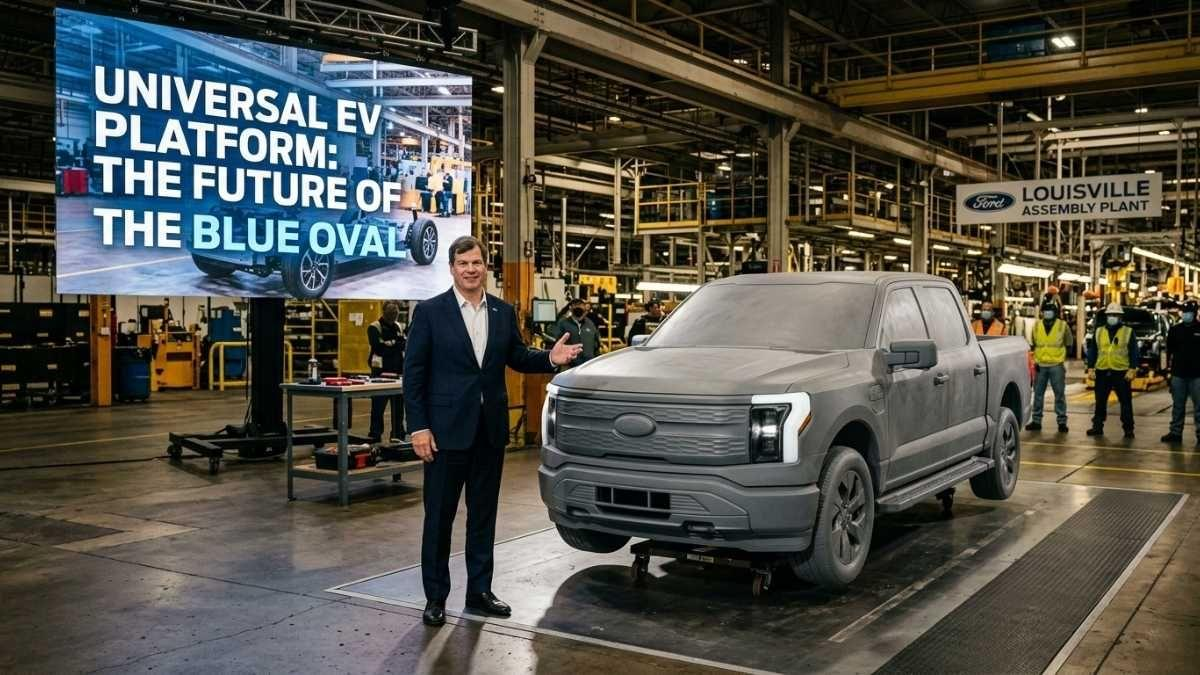
Reported starting price — Ford Fathom
$28,350
Expected launch: Fourth quarter of 2027
Ford's upcoming Fathom electric pickup represents a major test of its lower-cost battery strategy.
Quartz
If Ford can successfully deliver an affordable electric pickup with competitive performance, the company could strengthen its position against both domestic and international competitors.
However, the vehicle's commercial success will depend on more than battery technology.
Driving range, reliability, charging convenience and consumer demand will ultimately determine whether American buyers embrace it.
American Jobs vs. Chinese Technology: Who Really Wins?
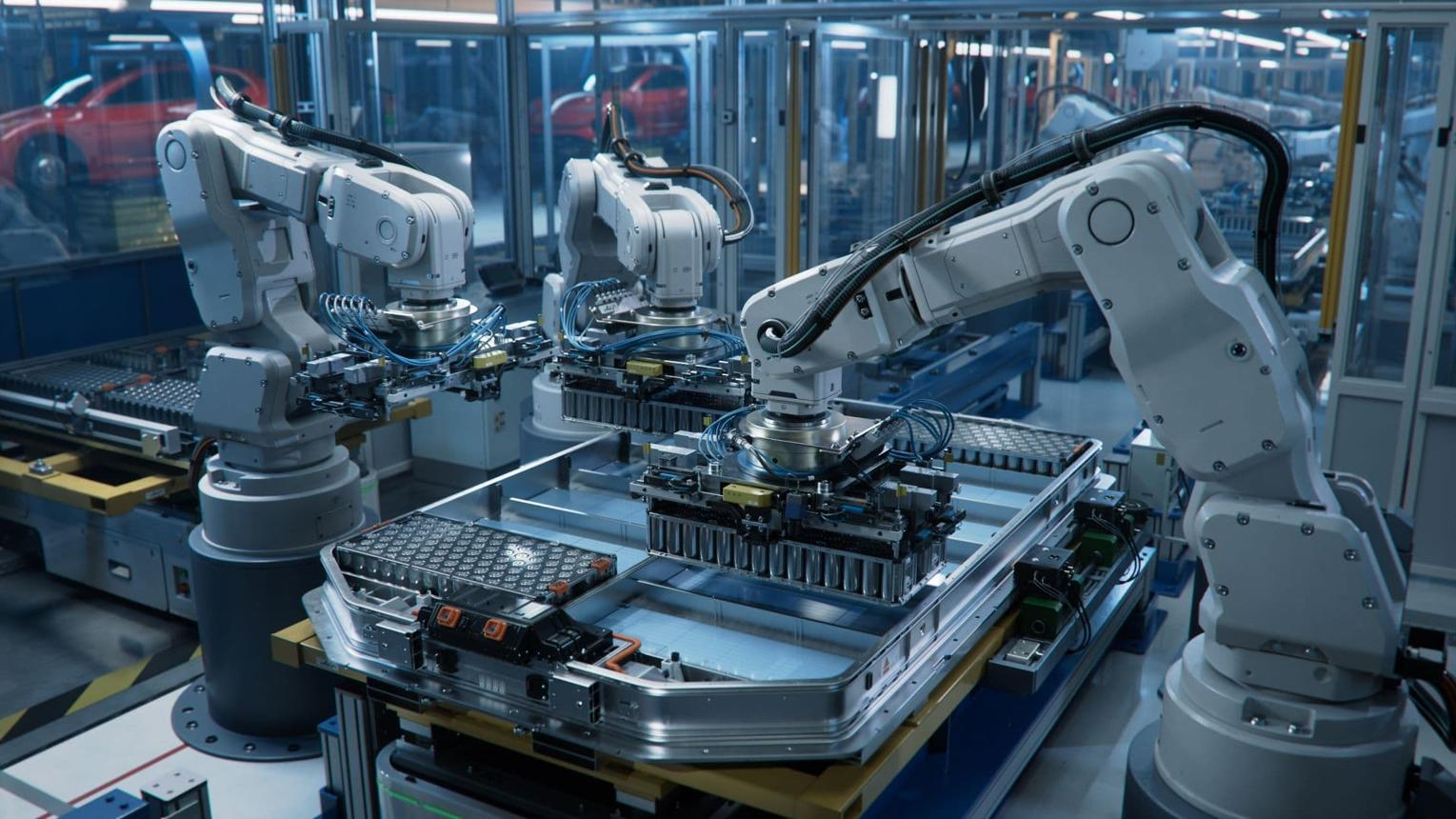
The economic implications of Ford's strategy are complex.
On one hand, American workers gain employment opportunities, Michigan receives billions of dollars in manufacturing investment, and consumers could benefit from cheaper electric vehicles.
On the other hand, CATL gains a commercial opportunity to extend the reach of its technology into America's automotive industry.
|
Potential benefits for America |
Potential risks
Domestic manufacturing jobs
Dependence on foreign intellectual property
Lower-cost electric vehicles
Continued technology licensing obligations
Increased battery manufacturing expertise
Exposure to geopolitical tensions
Reduced imports of finished batteries
Uncertainty over long-term independence
The real measure of success will be whether Ford can develop sufficient expertise to innovate independently over time.
Manufacturing independence and technological independence are not necessarily the same thing.
Michigan's Governor Celebrates the Investment
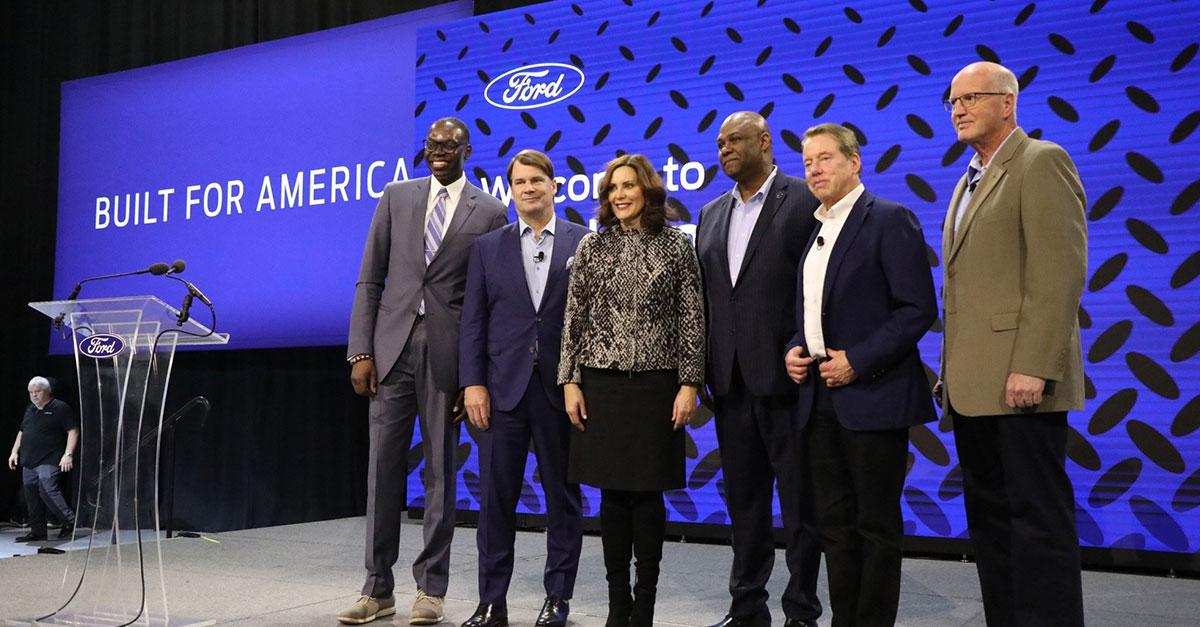
Michigan Governor Gretchen Whitmer visited the Marshall facility on November 18, celebrating the development as an important victory for the state's manufacturing industry.
Whitmer emphasized the importance of keeping advanced manufacturing technology and employment opportunities in Michigan rather than allowing those investments to move elsewhere.
Yahoo Tài Chính
Her position illustrates the competing priorities surrounding the project.
While federal officials worry about Chinese technological influence, state leaders see opportunities for economic growth and industrial investment.
Both concerns will remain relevant as America's electric vehicle industry develops.
Brilliant Business Strategy or Dangerous Technological Dependency?
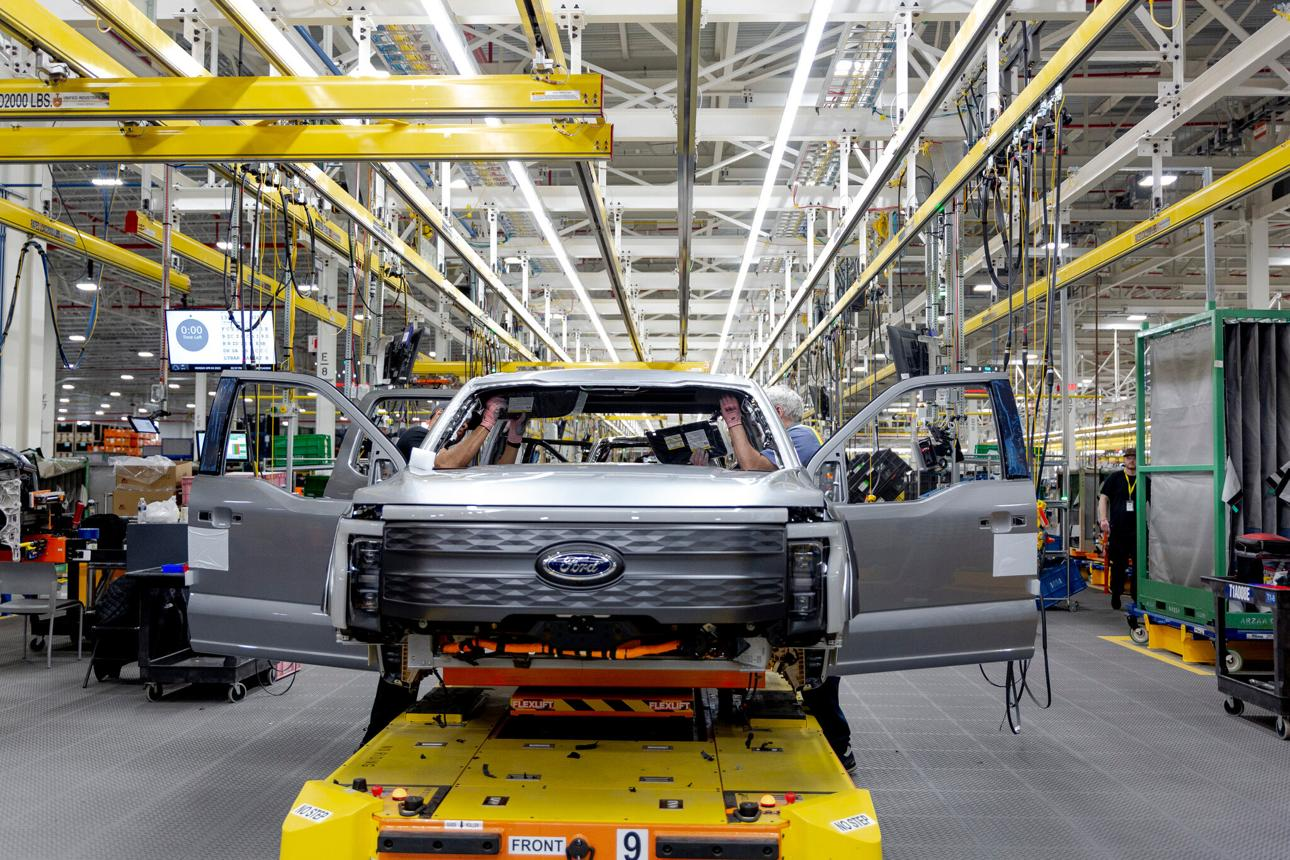
Ford has invested billions of dollars in American battery manufacturing.
American workers are producing battery cells in Michigan.
Chinese technology is helping make that production possible.
And Washington remains divided over the long-term implications.
Ford's strategy could help establish a more competitive American electric vehicle industry. But it also highlights the difficulty of separating domestic manufacturing from globally developed technology.
America may be building the batteries. But can it ultimately master the technology without depending on China?
Should American companies embrace foreign technology to create domestic jobs and deliver cheaper products?
Or should Washington prioritize complete technological independence, even if it means higher prices and slower industrial development?
AMERICA, WHAT DO YOU THINK? SHARE YOUR OPINION IN THE COMMENTS BELOW!
Comments (0)
Loading comments...
May You Like

IOWA EMERGENCY: TOXIC AIR, POLLUTED WATER, 3,000 FAMILIES FORCED OUT AFTER 5-TON WASTE BLAST!

THANKSGIVING NIGHTMARE: OVER 1M BLACKOUTS, NEARLY 2M WATER ALERTS!

AMERICA'S LUCAS DRONE — A POTENTIAL GAME CHANGER IN THE SOUTH CHINA SEA?









Popular Posts



