
Former Model’s Disturbing Trump Allegation Resurfaces as Questions About Epstein Ties Intensify
Former Model’s Disturbing Trump Allegation Resurfaces as Questions About Epstein Ties Intensify
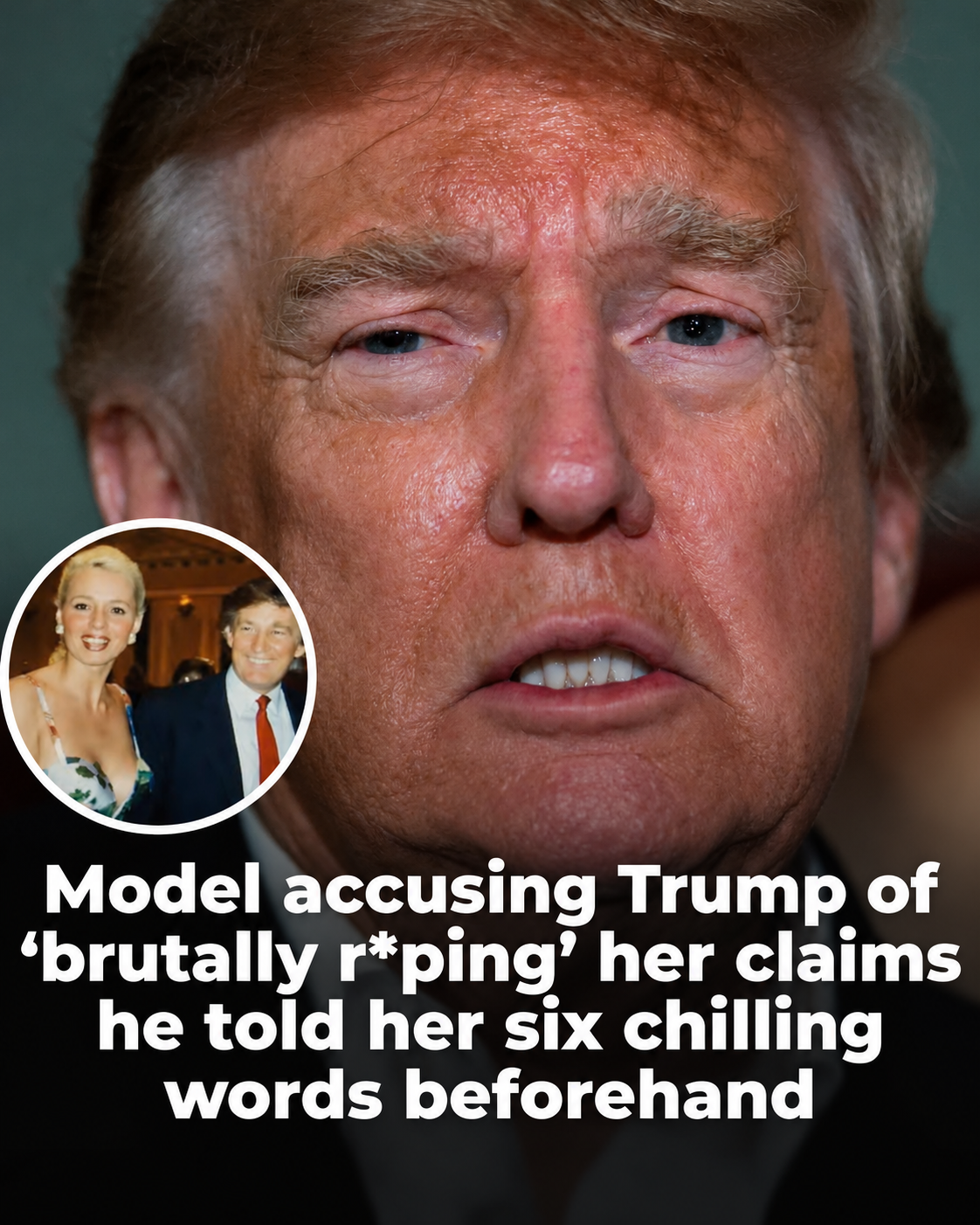
A former Sports Illustrated swimsuit model's allegation against Donald Trump has returned to public discussion as renewed attention focuses on the president's past social connections with Jeffrey Epstein. Stacey Williams has described an encounter she says occurred in New York in 1993, while Trump has denied her account.
Williams, who modeled during the 1990s, publicly detailed the accusation in October 2024. She said that she was visiting Trump Tower with Epstein when Trump touched her without her consent. Her description was widely reported, but it remains an allegation rather than a judicial finding.
The image circulating online presents the story in dramatic terms, claiming the former model described a brutal rape and six chilling words. That characterization should not be treated as a verified quotation from Williams. The major contemporary reports examined here describe allegations of unwanted groping and sexual touching.
In her account, Williams said she had known Epstein socially and was briefly dating him around the time of the alleged encounter. She recalled visiting Trump Tower after Epstein suggested stopping there during a walk in Manhattan.
Williams alleged that Trump greeted them and began touching her breasts, waist and buttocks while Epstein remained nearby. She said she froze, struggling to understand what was happening as the men appeared to continue their interaction.

She later characterized the episode as a humiliating experience and said she believed it may have been a kind of performance between the two men. That interpretation is her own description of the event, not independently established evidence of their intentions.
Trump's representatives rejected the accusation when it was reported in 2024, describing it as false and politically motivated. The denial is central to understanding the dispute, particularly because the allegation emerged publicly in greater detail shortly before that year's presidential election.
The story drew further scrutiny because journalists spoke with people who said Williams had discussed the alleged incident long before 2024. Such accounts may help establish when a complaint was shared, but they do not independently prove every detail of the underlying event.
Williams also described receiving a postcard from Trump after the alleged encounter. Reporters examined her account of the card, which she said was sent from Mar-a-Lago, as one of several pieces of background information relevant to her story.
The public record of Williams's allegations extends beyond a single interview. Reporting has identified earlier social-media comments and a documentary interview in which she referred to experiences involving Trump.

The role of Epstein adds another layer of public interest. Epstein was a financier and convicted sex offender whose network of prominent acquaintances has been scrutinized for years. Being photographed with or knowing Epstein does not, by itself, establish involvement in his crimes.
Trump and Epstein were photographed together in earlier decades, and their past social acquaintance has been publicly documented. The existence of that relationship is separate from the question of whether Williams's specific accusation can be substantiated.
The renewed discussion also intersects with a wider history of sexual-misconduct accusations against Trump. Several women have made allegations over the years, and Trump has denied wrongdoing in those accounts.
One important legal distinction concerns the E. Jean Carroll litigation. In 2023, a New York civil jury found Trump liable for sexually abusing and defaming Carroll. That verdict concerned Carroll's case, not Williams's allegation.
Civil liability and criminal guilt are different legal standards. Reporting about one case should not be used to imply that another, unadjudicated accusation has been proven in court.

The political timing of Williams's public statements became part of the controversy. She spoke during the 2024 election season, including in a forum associated with supporters of Kamala Harris, prompting critics to question the timing and supporters to emphasize her right to speak.
Williams has said she was reluctant to make her experience public because she feared the personal consequences and the hostile response that often follows high-profile allegations. Her explanation helps contextualize the delay without resolving the factual dispute.
The online circulation of sensational graphics creates an additional challenge. A headline may combine a real person's accusation with stronger wording, missing context or an unverified quote, making careful attribution essential.
For readers, the central facts are straightforward: Williams has publicly accused Trump of unwanted sexual touching in a 1993 encounter involving Epstein; Trump has denied the accusation; and journalists have reported corroborating accounts about when she discussed it with friends.
As the controversy continues to circulate, its significance lies not only in the allegation itself but also in how public figures, journalists and audiences distinguish testimony, denials, legal findings and viral claims. Those distinctions remain essential to responsible reporting.
Comments (0)
Loading comments...
May You Like

TOLEDO I-75 TRUCK CRASH — POTENTIAL BRIDGE COLLAPSE AND MILLIONS IN DAMAGE!

BLACK FRIDAY TENSIONS IN NYC — DID PROTESTERS CROSS THE LINE AT A DISNEY STORE?

TRUMP'S BIGGEST THANKSGIVING “PARDON”? WHY IS HE BACKING NVIDIA'S JENSEN HUANG?













