Four Former Presidents Reunite at Ground Zero as U.S. Marks 25 Years Since 9/11
The United States marked the 25th anniversary of the September 11 attacks with solemn ceremonies nationwide, bringing together political leaders, victims’ families, survivors, and first responders.
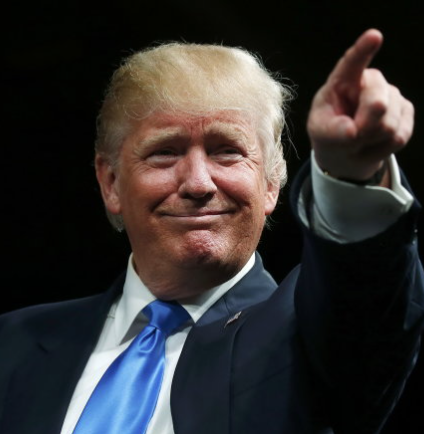
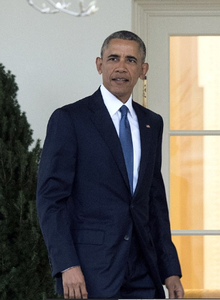
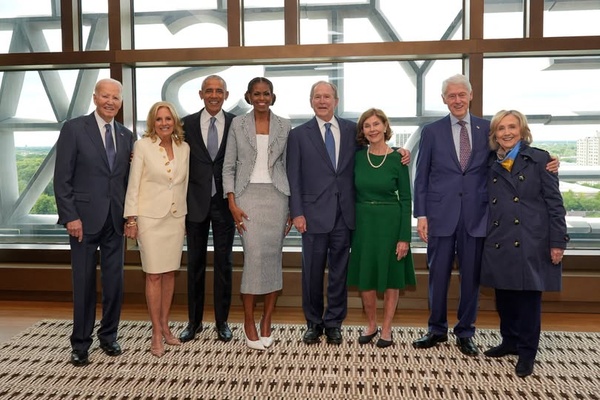
The photograph provided captures a formal remembrance ceremony, with political figures standing respectfully and placing their hands over their hearts during a patriotic observance.
The image reflects a recurring feature of major American commemorations: political differences temporarily give way to a shared recognition of national loss, service, sacrifice, and remembrance.
On September 11, 2026, ceremonies were held at the three locations directly associated with the 2001 attacks: New York City, the Pentagon, and Shanksville, Pennsylvania.
At the World Trade Center site in Manhattan, families of victims gathered for the traditional reading of names, a ceremony that has become central to the nation's annual remembrance.
Four former presidents attended the Ground Zero commemoration, joining Vice President JD Vance and relatives of those killed as the country observed a quarter-century since the attacks.
The 2001 attacks killed nearly 3,000 people after hijackers seized four commercial aircraft and crashed them into the World Trade Center, the Pentagon, and a Pennsylvania field.
The anniversary carries particular historical significance because the attacks profoundly reshaped American foreign policy, national security, aviation procedures, intelligence operations, and public life for generations.
George W. Bush's presidency was permanently defined by September 11, as the attacks occurred during his first year in office and triggered the United States' subsequent global war on terrorism.
Later administrations inherited the consequences of those decisions, including lengthy military campaigns, expanded counterterrorism operations, and continuing debates over surveillance, civil liberties, and America's role overseas.
For President Joe Biden, the anniversary also represents a long historical arc. He was a senator when the attacks occurred and later served as Barack Obama's vice president.
Barack Obama became president eight years after the attacks and later presided over the 2011 10th-anniversary commemoration, when the United States continued confronting the consequences of the attacks.
Bill Clinton, who left office before September 11, 2001, also belongs to the political generation shaped by the attacks, having governed during the period when al-Qaida emerged as a growing security threat.
The 25th-anniversary ceremony therefore brought together political leaders from different administrations whose careers were connected, directly or indirectly, to America's response to September 11.
The 2026 commemoration also introduced a seventh moment of silence honoring people who later died from illnesses associated with toxic dust and other exposures following the attacks.
That addition reflects how the human cost of September 11 has continued to grow long after the destruction at Ground Zero, the Pentagon, and Shanksville ended.
Health consequences have particularly affected firefighters, police officers, construction workers, volunteers, and other people exposed to hazardous materials during the enormous recovery operation in lower Manhattan.
At the Pentagon, President Donald Trump held a separate ceremony honoring the 184 people killed there, while national officials emphasized remembrance, resilience, and the continuing importance of security.
The separate ceremonies demonstrated how September 11 remains both a personal tragedy for thousands of families and a defining national event with consequences extending far beyond one day.
Twenty-five years later, remembrance has also become increasingly generational, with many younger Americans having no personal memory of the attacks and learning about them through families, schools, museums, and historical records.
The National September 11 Memorial & Museum continues preserving artifacts, testimony, and educational materials so future generations can understand the human stories behind one of the most consequential events in modern American history.
As the anniversary passed, the solemn images of leaders standing together served as a reminder that remembrance remains one of the few moments capable of connecting Americans across political and generational divides.


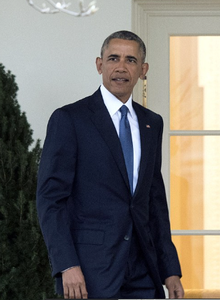
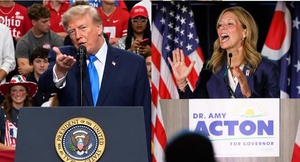
Editorial note: The supplied photograph appears to be from an earlier U.S. commemorative or political ceremony rather than necessarily the 2026 25th-anniversary event. The article therefore uses it as a representative visual and does not treat every person shown as being present at the 2026 ceremony.
Comments (0)
Loading comments...
May You Like

South Korea–Ukraine Rift Deepens Over North Korean POW Transfer as PURL Draws New Scrutiny

Shocking news from Ohio: an unexpected development ahead of Trump's rally