Migrant Caravan From Honduras Moves Through Mexico as U.S.
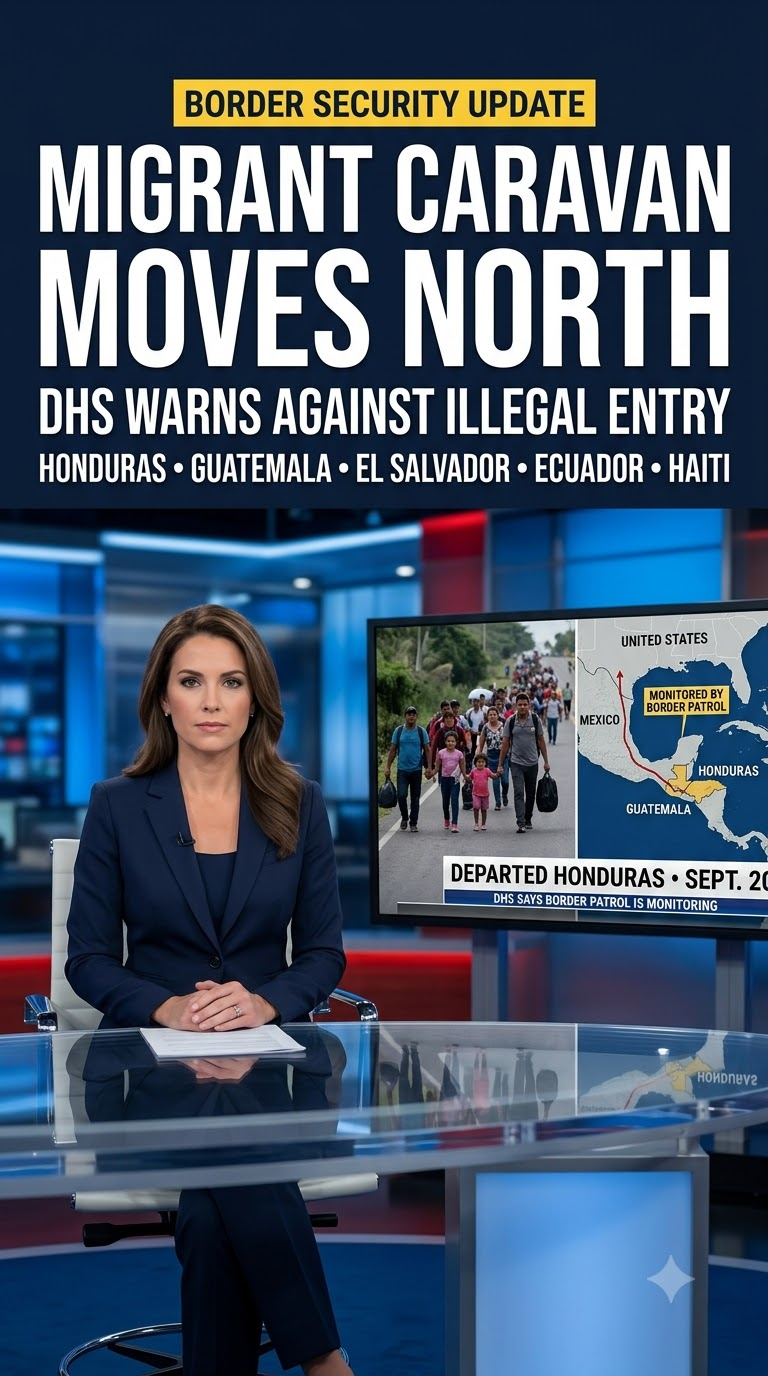
A migrant caravan that began in Honduras has moved into southern Mexico, drawing renewed attention from U.S. border authorities as hundreds of people continue north.
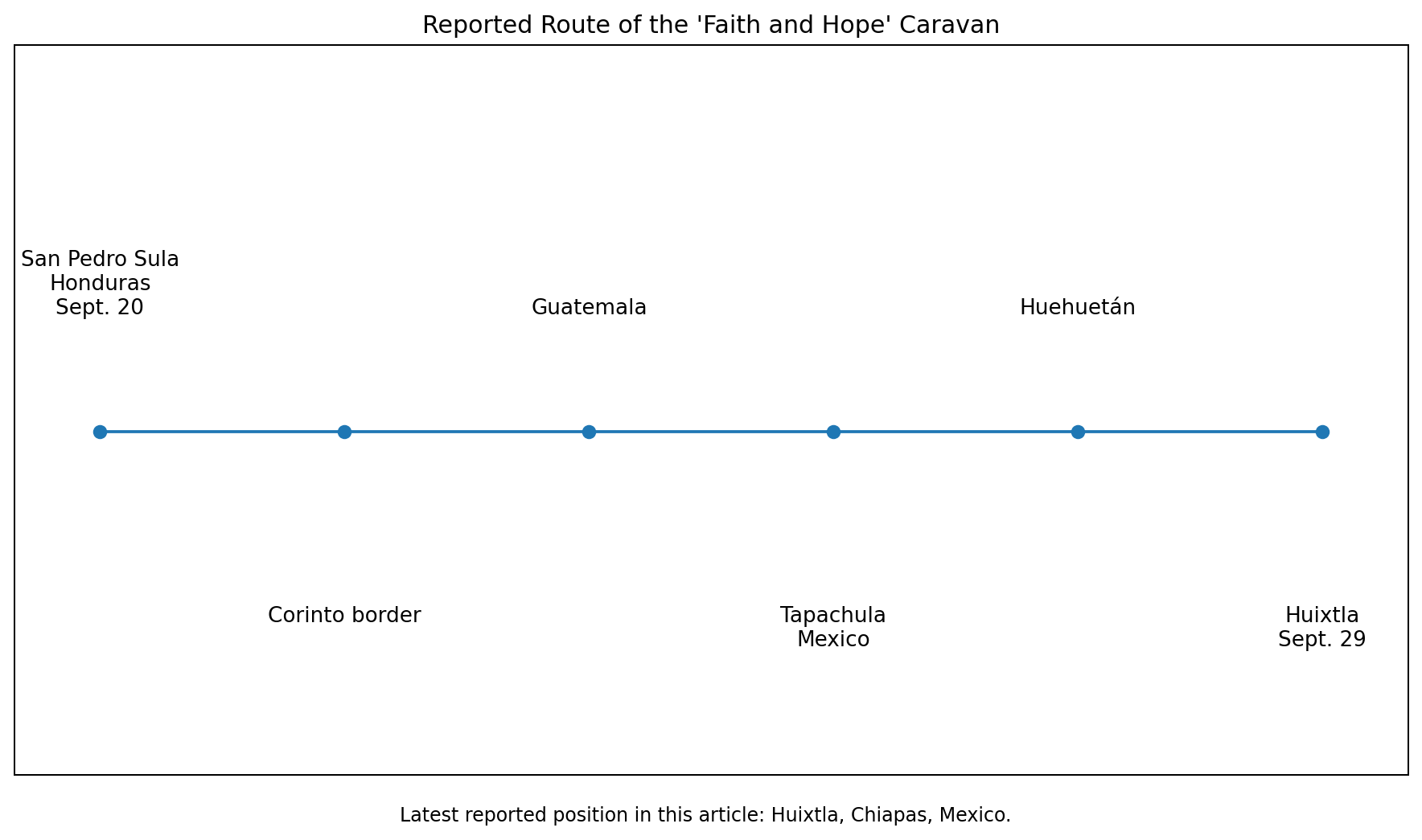
The group left San Pedro Sula on September 20 and initially included several hundred Hondurans. As it crossed Guatemala and entered Chiapas, migrants from other countries joined along the way.
By late September, the caravan included people from Honduras, Guatemala, El Salvador, Ecuador, Haiti and other countries.
Some members have said openly that they hope to reach the United States. Others may remain in Mexico or stop in larger Mexican cities depending on work, immigration procedures and conditions along the route.
That distinction matters because the caravan is not one fixed organization moving under a single command. Its size, composition and destination can change from one town to the next.
The Caravan Began in San Pedro Sula
Local reporting in Honduras described roughly 400 people leaving San Pedro Sula on the afternoon of September 20.
Many cited unemployment, poverty, violence or a lack of opportunity as reasons for leaving.
The group headed toward the Corinto border crossing with Guatemala and then continued north.
Guatemalan authorities increased checks along the route and used identity and biometric controls at border points.
Some travelers were allowed to continue after regular processing, while others faced immigration penalties or restrictions.
The Group Shrunk, Then Grew Again
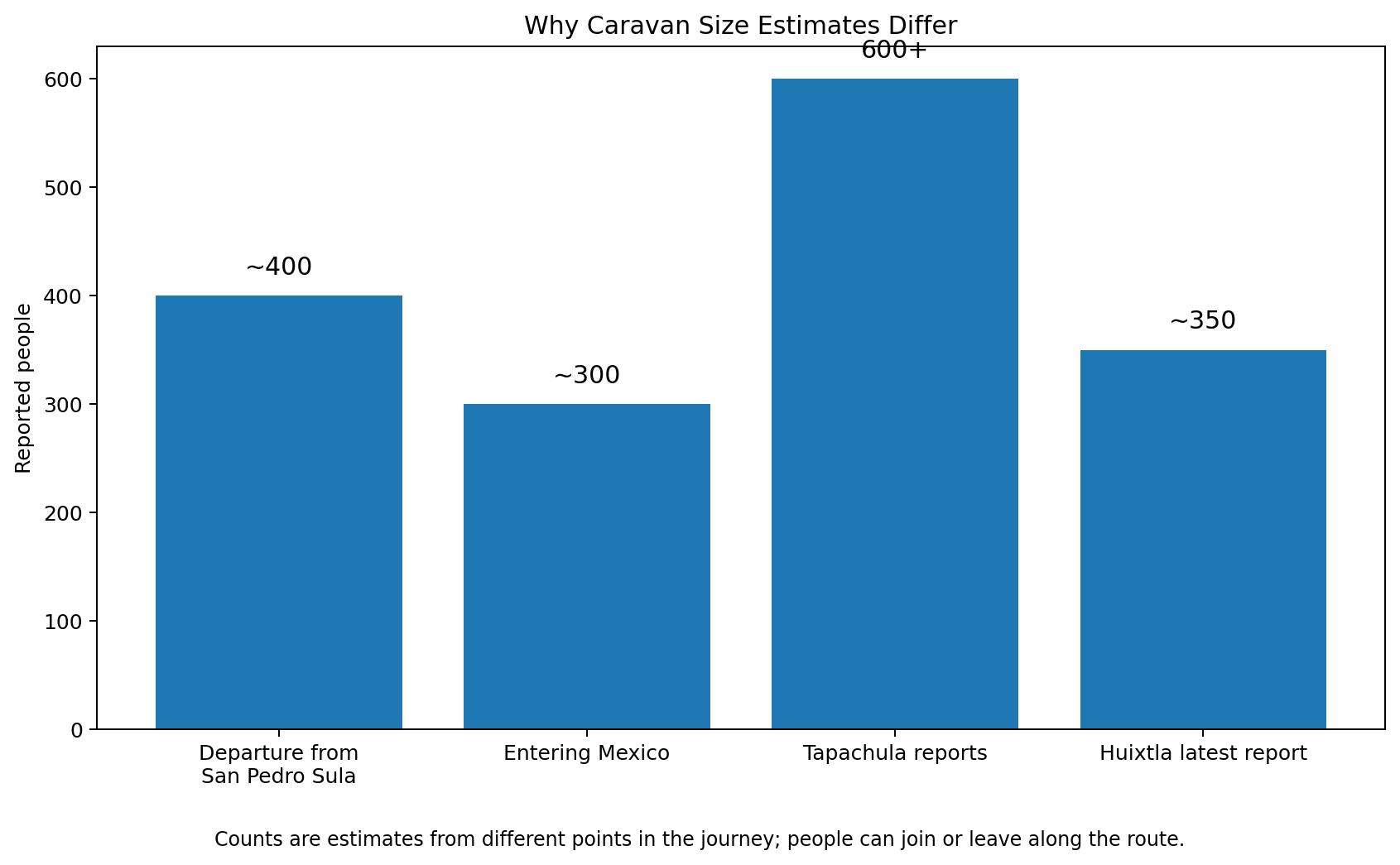
Headcounts have varied significantly during the journey.
About 300 people were reported entering Mexico from Guatemala, but the group later grew as migrants already stranded in Tapachula joined the march.
Some reports put the caravan above 600 when it resumed its journey from Tapachula.
By September 29, local reporting in Chiapas described roughly 350 people reaching Huixtla.
The changing estimates are not necessarily contradictory. Caravans often expand and contract as people join, leave, take transportation, seek paperwork or decide to remain in a city.
Families and Children Are Traveling in the Group
The caravan includes men, women, children, older adults and entire families.
Recent images from southern Mexico show parents walking with young children and families stopping to rest along the route.
Church and humanitarian groups in Chiapas have raised concerns about the vulnerability of minors traveling in heavy rain, heat and uncertain conditions.
The journey north through Mexico can involve hundreds of miles of walking, exposure to organized crime and limited access to food, shelter and medical care.
Those risks exist regardless of whether a traveler ultimately tries to reach the United States.
The Latest Route Has Followed Mexico’s Pacific Side
After entering Mexico, the group rested in Tapachula before continuing along the coastal highway through Chiapas.
Participants moved through Huehuetán and then reached Huixtla.
Local reports said the caravan expected to continue through Escuintla, Mapastepec, Pijijiapan, Tonalá and Arriaga before moving into Oaxaca.
That route still leaves the group a long way from the U.S. border.
Even if participants continue north without major interruptions, they must cross a large portion of Mexico before reaching any U.S. port of entry.
U.S. Border Patrol Says It Is Monitoring the Caravan
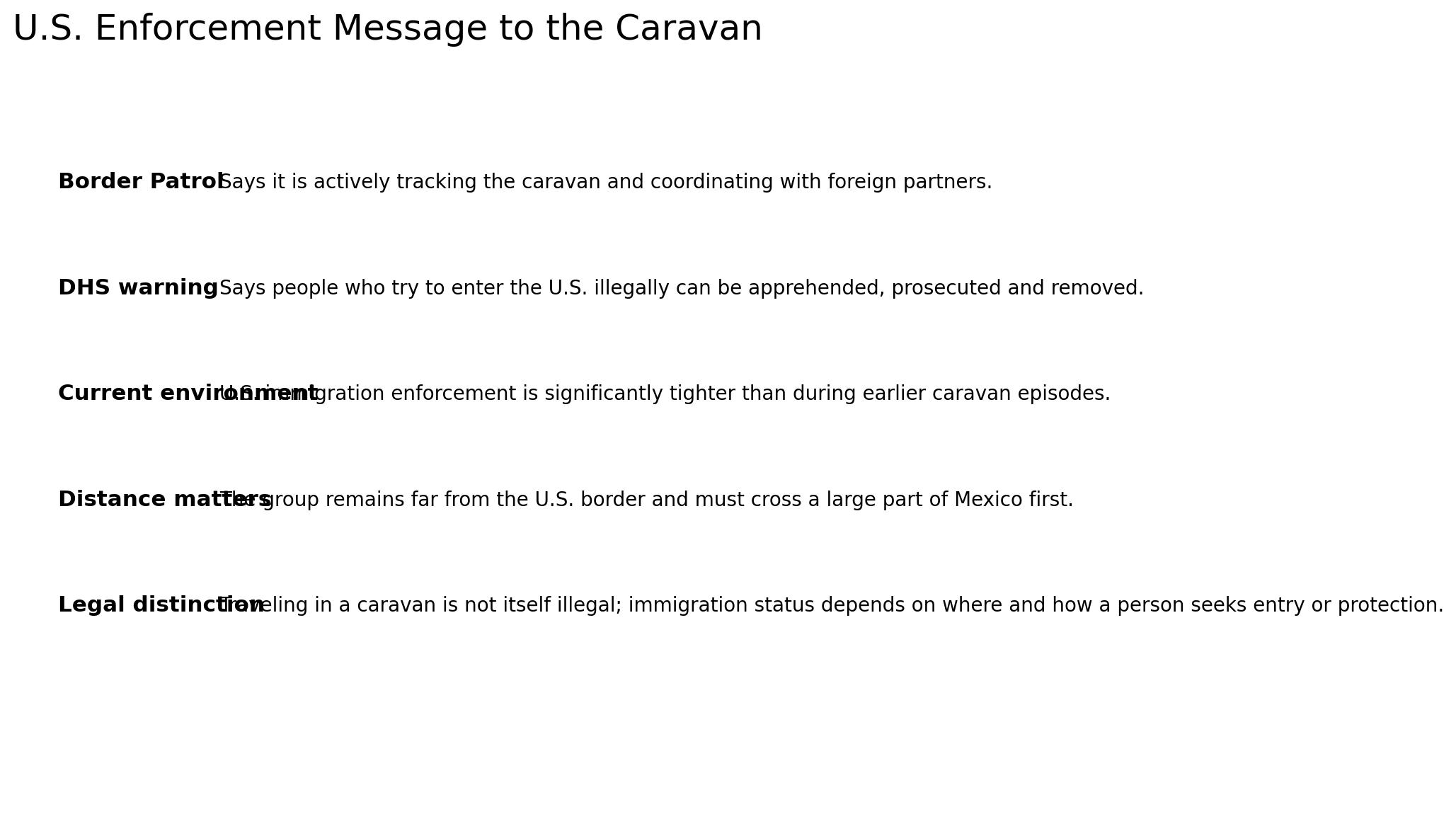
The U.S. Department of Homeland Security said Border Patrol is actively tracking the group and coordinating with international partners.
DHS also warned migrants against attempting to enter the United States unlawfully.
The department said people who try to cross illegally can face apprehension, prosecution and removal.
That warning reflects the Trump administration’s broader immigration enforcement policy, which has sharply reduced unauthorized border crossings compared with earlier periods.
It does not mean every member of the caravan is currently violating U.S. law simply by traveling through Mexico.
There Is No Single Confirmed U.S. Destination Yet
Some headlines have described the group as heading directly for the U.S. border.
That is broadly consistent with what some participants say they hope to do, but the details are less certain.
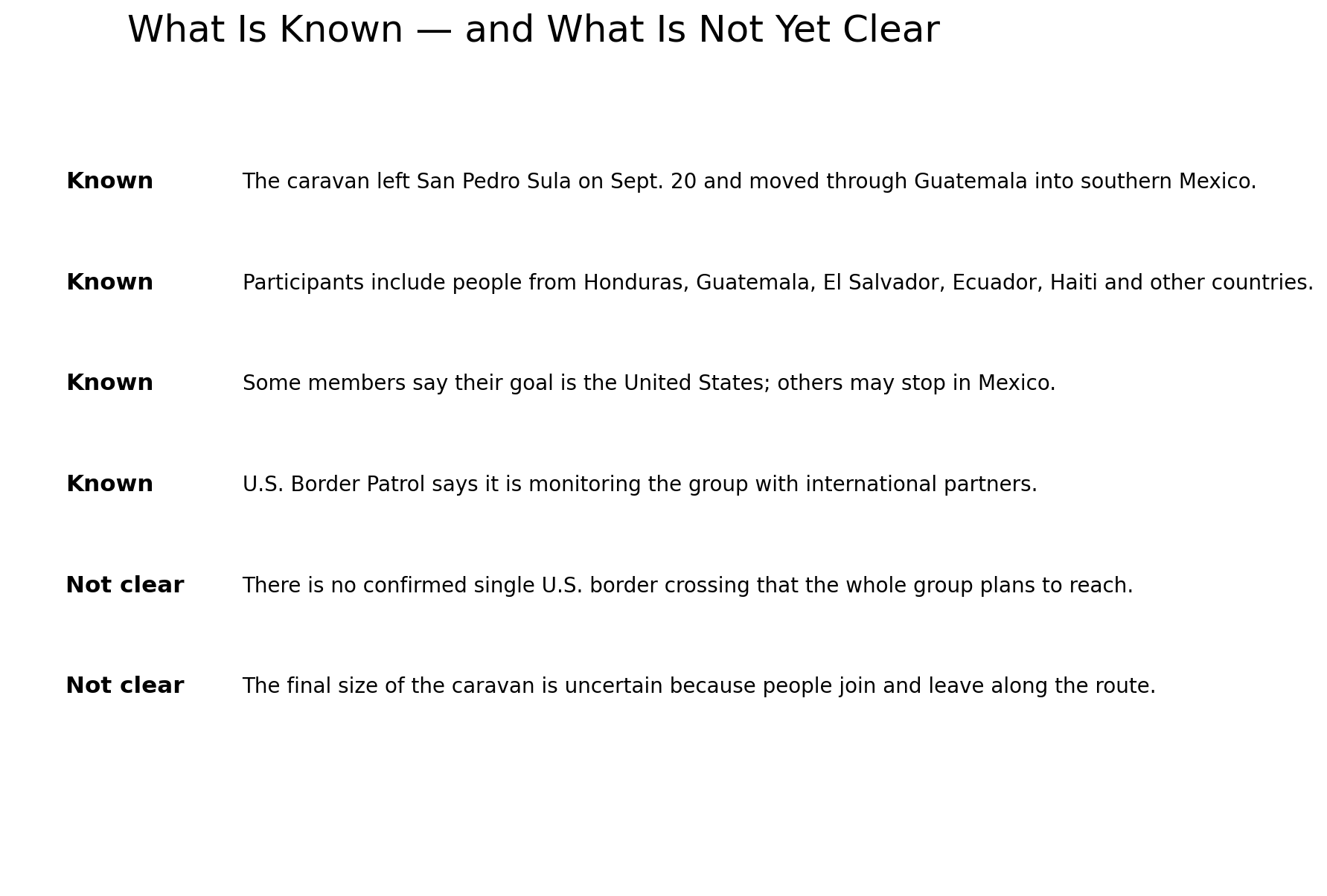
There is no confirmed single border crossing that the entire caravan has chosen.
There is also no guarantee the group will remain intact long enough to reach northern Mexico.
Previous migrant caravans have often fragmented, with some travelers finding work, applying for status in Mexico, taking buses, turning back or continuing in much smaller groups.
Why Migrants Say They Are Leaving
Interviews with caravan members point to a mix of economic and security concerns.
Some Hondurans say they left because of unemployment and poverty.
Others describe fear of gangs, violence or the inability to support their families.
Some migrants who had previously lived in the United States say they are trying to reunite with spouses or children after deportation.
Others have joined in Mexico after spending weeks or months waiting in southern cities without a clear path forward.
The Political Timing Has Drawn Attention
The caravan is moving north only weeks before the 2026 U.S. midterm elections, when immigration and border security are major campaign issues.
That timing has helped turn the group into a national political story in the United States.
But there is no publicly established evidence that the caravan was created as part of a U.S. political campaign or organized to influence the election.
Coverage that treats its timing as proof of political coordination goes beyond what has been confirmed.
What is clear is that both parties continue to use immigration policy as a major point of contrast in the midterm debate.
The Current Border Environment Is Very Different From Earlier Caravan Episodes
Large caravans drew intense attention during earlier years when more migrants were reaching the U.S.-Mexico border and border shelters were under greater strain.
In 2026, enforcement conditions are different.
Mexican border shelters near the United States have reported much lower occupancy, while U.S. immigration enforcement and deportation operations have expanded.
That changes the calculation for migrants moving north.
Reaching northern Mexico no longer means the same thing it did during periods when more people expected to be released into the United States while immigration claims were processed.
What Happens Next Depends on Mexico as Much as the United States
The immediate decisions facing the caravan are in Mexico, not at the U.S. border.
Mexican authorities will determine how travelers are processed, whether they can continue, and what immigration options are available along the route.
Participants also have to decide whether to keep walking, seek documents, find work or separate from the group.
Weather, transportation, health and security conditions can all affect how far the caravan moves.
That is why the latest position in Chiapas is more useful than assuming the group will reach a specific U.S. border city.
The Headline Is Movement — Not Arrival
The caravan is moving north. U.S. officials are monitoring it. Some members say they want to reach the United States.
All of those statements are supported by current reporting.
What has not happened is equally important.
The caravan has not reached the U.S. border, has not announced one confirmed crossing point, and has not remained at a stable size.
At the latest reported stage of the journey, the story is still about a moving group in southern Mexico — not an arrival at the United States.
Comments (0)
Loading comments...
May You Like

TRUMP HIT WITH 26 ARTICLES OF IMPEACHMENT


Russian Drone Strikes Kyiv Bridge as German Chancellor Arrives in Ukraine