Gavin Newsom Faces Decision on California Bill Recognizing Muslim Holidays — But “Americans Must Comply” Claim Is Misleading
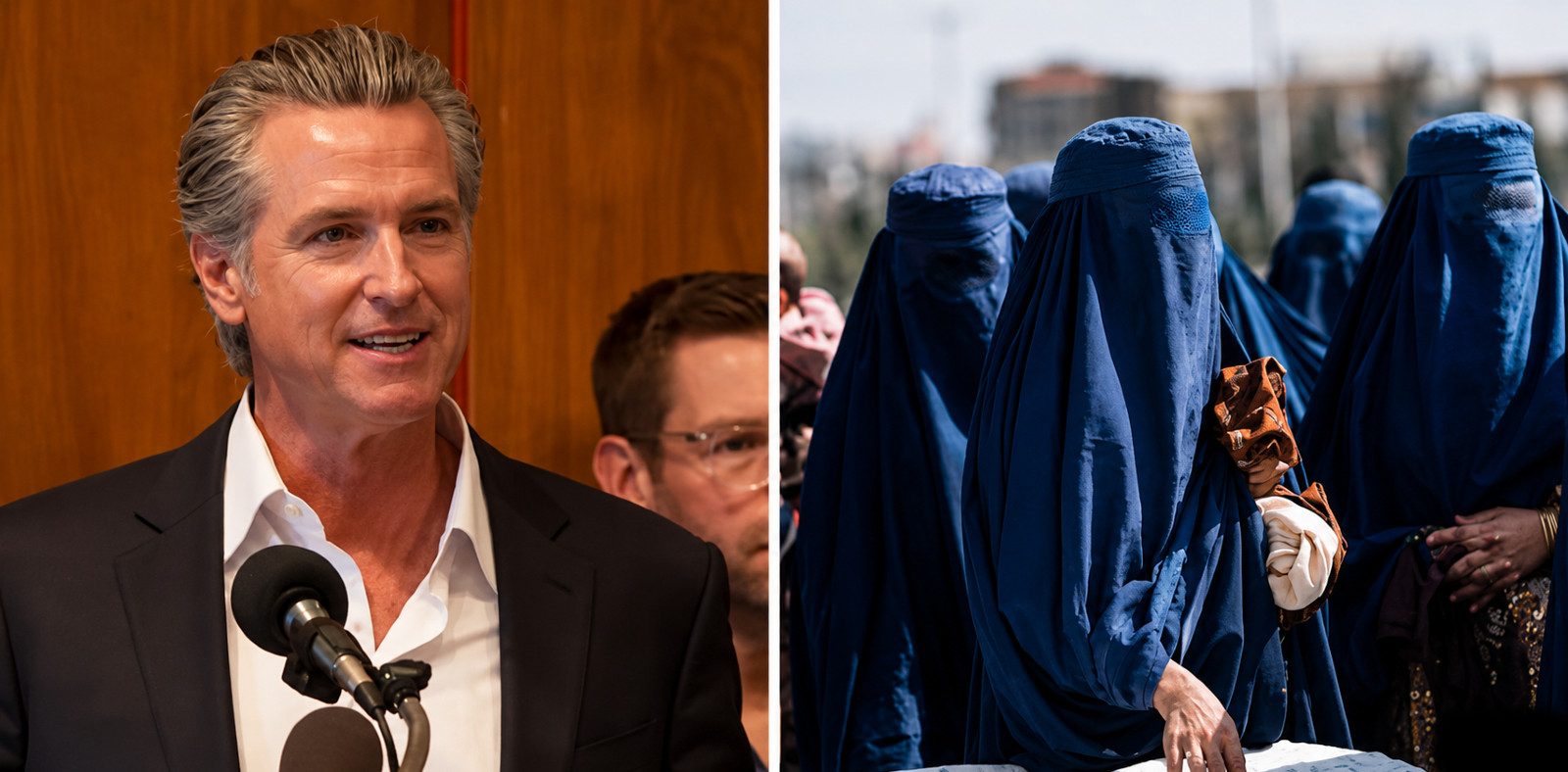
A viral graphic featuring California Gov. Gavin Newsom claims he has delivered a “bombshell” over a bill to “honor” Muslims and suggests that “Americans must comply.” The underlying story is real, but the graphic dramatically overstates what the legislation would do.
California lawmakers have passed Assembly Bill 2017, which would formally add Eid al-Fitr and Eid al-Adha to the state's list of holidays. The measure is now awaiting action from Newsom. It does not require Americans to practice Islam, celebrate Eid, or follow Islamic religious rules.
What Is AB 2017?
AB 2017, introduced by Democratic Assemblymember Matt Haney of San Francisco, is formally titled “State holidays: Eid.”
The bill adds two major Islamic holidays to California's statutory list of state holidays:
- Eid al-Fitr, marking the end of Ramadan
- Eid al-Adha, the Islamic Festival of Sacrifice
The proposal was introduced in February 2026 and passed the California Assembly in May by 64–1. After amendments in the Senate, it passed the Senate 30–4 on August 30. The Assembly then approved the Senate amendments 62–3, sending the legislation toward the governor.
Newsom Has Not Yet Signed the Bill
This is one of the most important details missing from the viral graphic.
As of September 4, 2026, AB 2017 has not become law. It has reached Newsom's desk and remains subject to his signature or veto. The current legislative record lists the bill as enrolled after the August 30 concurrence vote.
CAIR-California, one of the bill's sponsors, has urged Newsom to sign it, describing the measure as an important step toward allowing Muslim Californians to observe their holidays without having to choose between religious observance and school or work obligations.
So the image's implication that Newsom has already imposed a new requirement on Californians is inaccurate.
What Would Actually Change?
If Newsom signs AB 2017, the two Eid observances would be formally listed among California's state holidays.
But the legislation is more limited than the viral wording suggests.
Public Schools Would Not Automatically Have to Close
The final version allows public schools and community colleges to close for Eid through existing local decision-making and collective-bargaining processes.
That means the bill does not simply order every California school to shut down for two Islamic holidays.
Sen. Aisha Wahab, who presented the legislation in the Senate, specifically emphasized that local educational agencies would retain flexibility over whether to close.
State Employees Would Have an Eid Leave Option
The legislation also allows eligible state employees to elect eight hours of holiday credit for Eid in place of an existing personal-holiday credit, subject to the applicable rules.
That is significantly different from creating two additional paid vacation days for every worker in California.
Courts Would Remain Open
Another detail that gets lost in the online debate is that the legislation specifically excludes Eid al-Fitr and Eid al-Adha from being treated as judicial holidays.
So the bill does not shut down California's court system for the two observances.
The Bill Also Addresses Education
The final legislation authorizes public schools and educational institutions to conduct exercises exploring the history of Eid al-Fitr and Eid al-Adha.
The State Board of Education could also develop a model curriculum guide for such exercises.
That provision has attracted criticism from opponents, particularly because they argue California is giving special recognition to Islamic holidays that is not structured identically for every religious tradition.
The language was also changed during the legislative process. Earlier versions described school exercises as acknowledging and celebrating the meaning and importance of Eid; the later version uses the wording “exploring the history” of the holidays.
Supporters Say the Measure Is About Equal Recognition
Supporters frame AB 2017 as a religious-accommodation and equal-recognition measure rather than an attempt to impose Islamic practices on other Californians.
During the August 30 Senate debate, Wahab argued that Muslim students and workers should not have to choose between observing an important religious holiday and meeting school or workplace obligations. Other lawmakers similarly compared the measure with California's recognition of holidays and observances associated with other communities.
Haney has made a similar argument throughout the bill's consideration, saying the legislation would allow Muslim Californians to observe Eid without sacrificing school or work obligations.
Critics Have Raised Different Concerns
The legislation has not been universally supported.
During a June Senate committee hearing, Greg Burt of the California Family Council opposed AB 2017's school provisions. He argued that California's existing law already permits students to be excused for religious observances and questioned whether the state should specifically recognize individual religious holidays in this manner.
Critics therefore are debating questions about religious neutrality, government recognition and the potential administrative and financial effects, rather than whether Californians should literally be compelled to practice Islam.
The “Americans Must Comply” Line
This is where the viral graphic goes furthest beyond the facts.
There is no provision in AB 2017 requiring Americans generally to observe Eid.
A California resident who is Christian, Jewish, Hindu, atheist or of another faith would not be required to celebrate Eid or participate in Islamic religious practices simply because the holidays were added to the state's calendar.
The legislation concerns state law, government scheduling, employee leave and the ability of schools and community colleges to close under specified local agreements.
Calling that “Americans must comply” therefore gives readers a substantially different impression from what the legislation actually says.
California Already Recognizes Other Religious and Cultural Observances
The controversy also exists within a broader change in California's holiday calendar.
The state's statutory holidays already include observances such as Lunar New Year, Juneteenth, Genocide Remembrance Day and Diwali, alongside traditional federal and state holidays.
Supporters of AB 2017 argue that adding Eid follows the same general approach of recognizing important observances among California's diverse population.
A Separate Muslim-Related Event in San Diego
The political debate comes amid a particularly sensitive period for California's Muslim community.
In May, a shooting at the Islamic Center of San Diego killed three people. Newsom and First Partner Jennifer Siebel Newsom publicly condemned the attack and said California stood with the state's Muslim community. The FBI and San Diego police investigated the shooting as a hate crime.
That incident was referenced during legislative discussions over AB 2017 as lawmakers debated rising anti-Muslim hostility and the importance of religious inclusion.
It is nevertheless a separate event from the holiday legislation.
What the Viral Graphic Gets Right — and What It Leaves Out
Accurate:
- Gavin Newsom is the governor who will decide whether to sign AB 2017.
- California lawmakers have passed legislation recognizing Eid al-Fitr and Eid al-Adha as state holidays.
- The legislation could allow schools and community colleges to close through existing local processes.
- State employees could use an Eid holiday credit under the bill's provisions.
Misleading or unsupported:
- Newsom has not yet signed the bill as of September 4.
- The bill does not require Americans to practice or celebrate Islam.
- Schools would not automatically be required to close statewide.
- The legislation does not make Islamic religious rules binding on Californians.
- “Americans must comply” is a sensational interpretation, not language contained in the legislation.
Bottom Line
The viral headline is built around a real piece of California legislation, but its framing is considerably more dramatic than the actual bill.
AB 2017 has passed both chambers of the California Legislature and is now awaiting Gavin Newsom's decision. If signed, it would formally recognize Eid al-Fitr and Eid al-Adha in state law while giving schools, community colleges and state employees specific mechanisms for accommodating the observances.
But there is no requirement that Americans generally celebrate Eid or follow Islam. The claim that Californians—or Americans—“must comply” with Muslim religious practices is not supported by the bill's text.
Comments (0)
Loading comments...
May You Like

Russian Drone Strikes Kyiv Bridge as German Chancellor Arrives in Ukraine

Jack Smith Defends His Integrity as Trump Investigations Face Renewed Political Firestorm