
GOLD PRICES PLUNGE BELOW $3,600 — IS A MAJOR U.S. MARKET SHAKEUP COMING?
GOLD PRICES PLUNGE BELOW $3,600 — FED RATE HIKE FEARS SHAKE MARKETS. WILL AMERICAN FAMILIES PAY THE PRICE?
NEW YORK, UNITED STATES — NOVEMBER 20, 2026
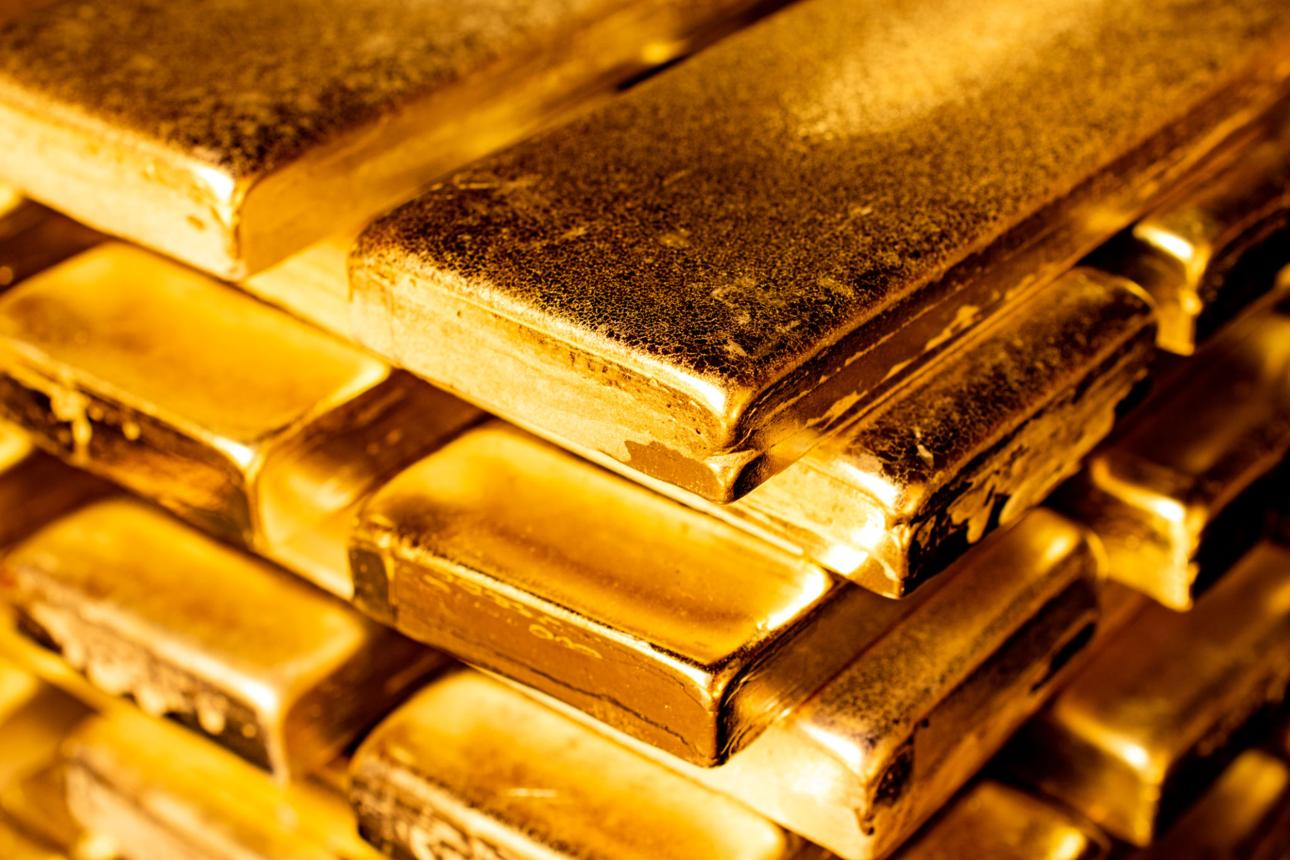
Gold has plunged below $3,600 an ounce, the U.S. dollar is strengthening, and investors are bracing for the possibility of another Federal Reserve interest rate increase.
After several consecutive sessions of heavy selling, the precious metal has fallen to its lowest level in more than a year.
The decline is raising concerns among investors who traditionally view gold as a refuge during periods of financial and geopolitical uncertainty.
But the bigger question for millions of Americans is whether the turmoil will spread beyond financial markets.
Could falling gold prices signal higher borrowing costs, rising household expenses and another difficult period for the U.S. economy?
Gold Suffers a Sharp Selloff as Prices Break Below $3,600
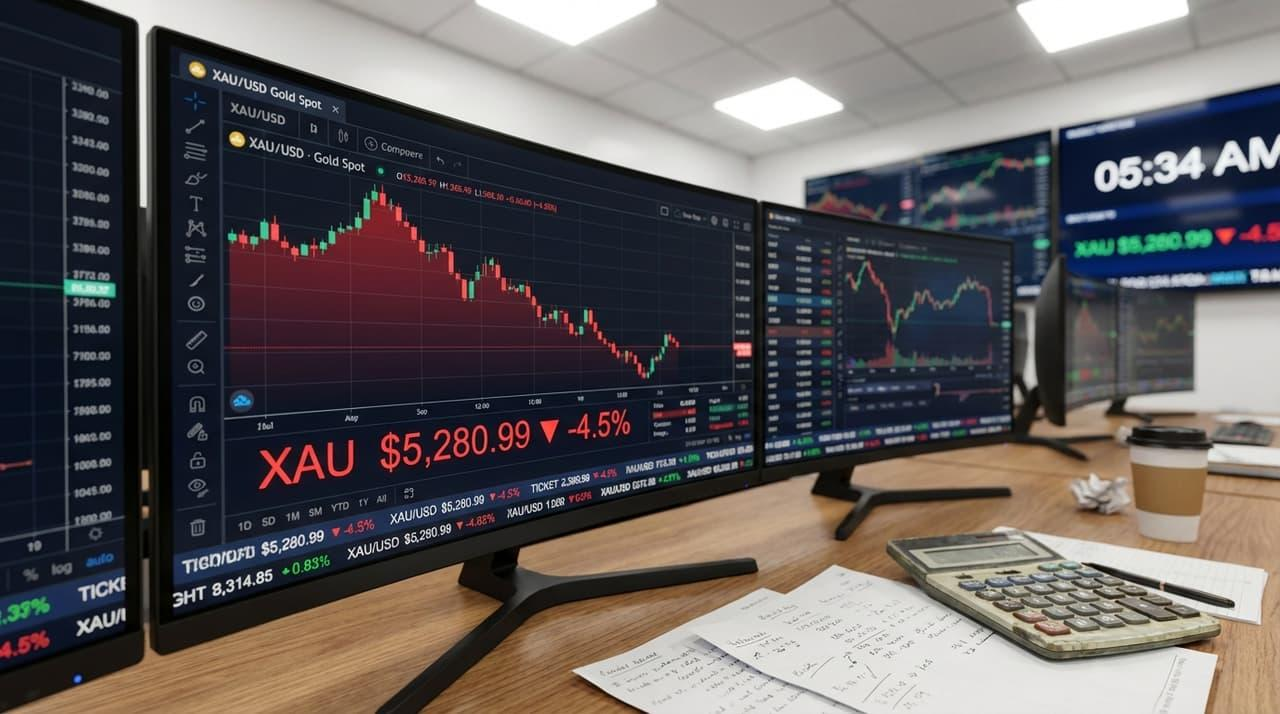
On Friday, November 20, gold extended its losses during Asian trading.
According to Reuters, spot gold fell to approximately $3,551.68 an ounce by 02:57 GMT, a decline of 1.9% on the day.
The metal was down roughly 8.9% for the week, putting it on course for its steepest weekly decline in eight months.
MarketScreener UK
GOLD MARKET SNAPSHOT — NOVEMBER 20, 2026
$3,551.68/oz
−1.9% on the day
Weekly decline at time of report
−8.9%
Market low
14 months
Intraday Reuters figures, not a final November 20 settlement price. Prices may change during the trading session.
The latest decline comes after gold had already slipped below $3,700 on November 19, pressured by a stronger dollar and increasingly restrictive expectations for U.S. monetary policy.
MarketScreener
Why Is Gold Falling So Dramatically?
Three major factors are contributing to the selloff.
First, the U.S. dollar is strengthening. Because international gold is generally priced in dollars, a stronger greenback makes the metal more expensive for buyers using other currencies.
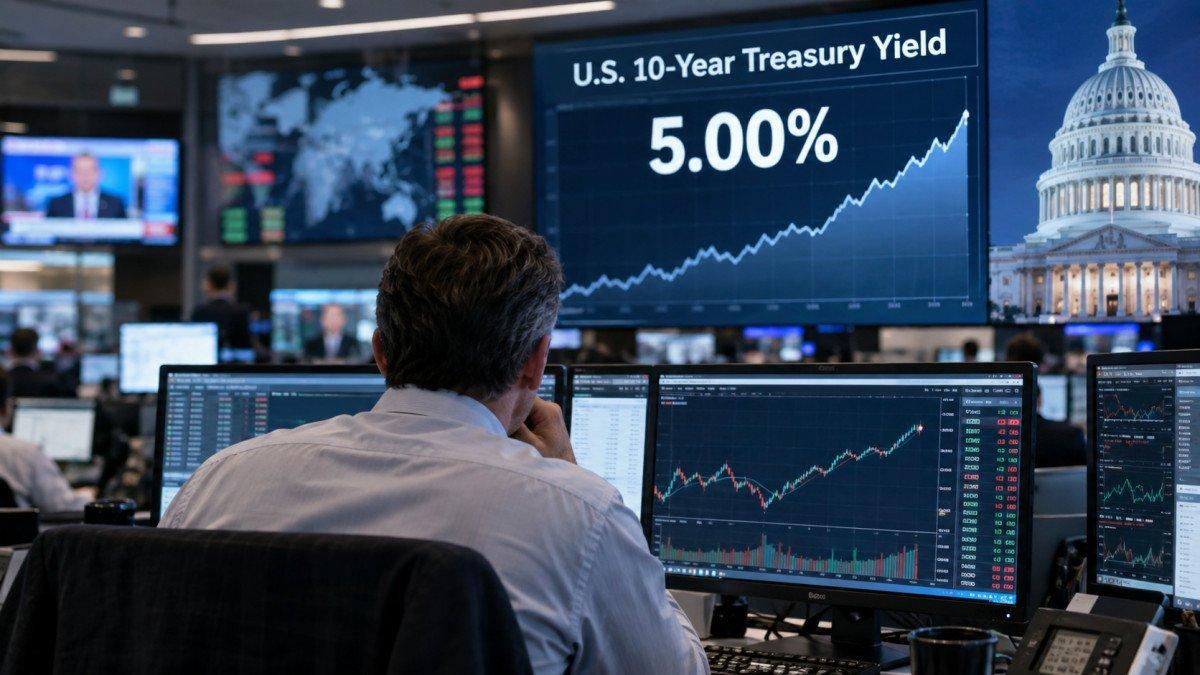
Second, Treasury yields have risen. Investors can earn interest from government bonds, whereas physical gold pays no interest.
Third, investors increasingly expect the Federal Reserve to raise interest rates. Higher expected rates can increase the opportunity cost of holding gold.
Reuters reported that the dollar was trading near a 19-month high as investors reassessed the outlook for U.S. monetary policy.
Reuters
The Federal Reserve's Next Move Could Change Everything
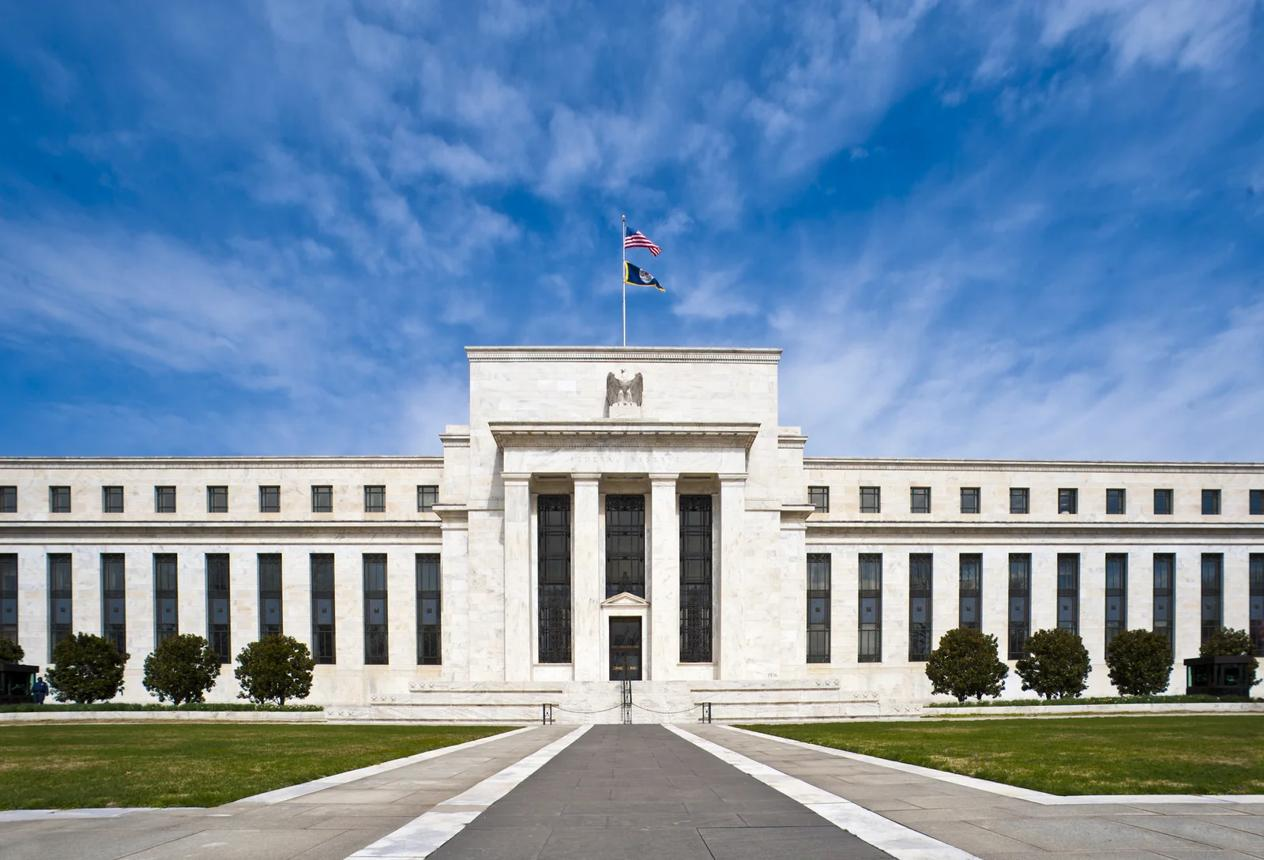
The Federal Reserve is facing renewed pressure to contain persistent inflation.
On November 19, Philadelphia Federal Reserve President Anna Paulson indicated that another rate increase would be necessary to address elevated inflation.
According to CME FedWatch probabilities cited by Reuters on November 20, financial markets were pricing in:
Market expectations for December Fed decision
0.25 percentage-point increase
97.3%
0.50 percentage-point increase
2.7%
Market-implied probabilities reported November 20, 2026. These are not official Federal Reserve decisions or guarantees.
MarketScreener UK
The Fed has not yet made its December decision.
Nevertheless, changing expectations can influence markets long before policymakers announce an actual rate increase.
How Higher Interest Rates Could Affect American Households
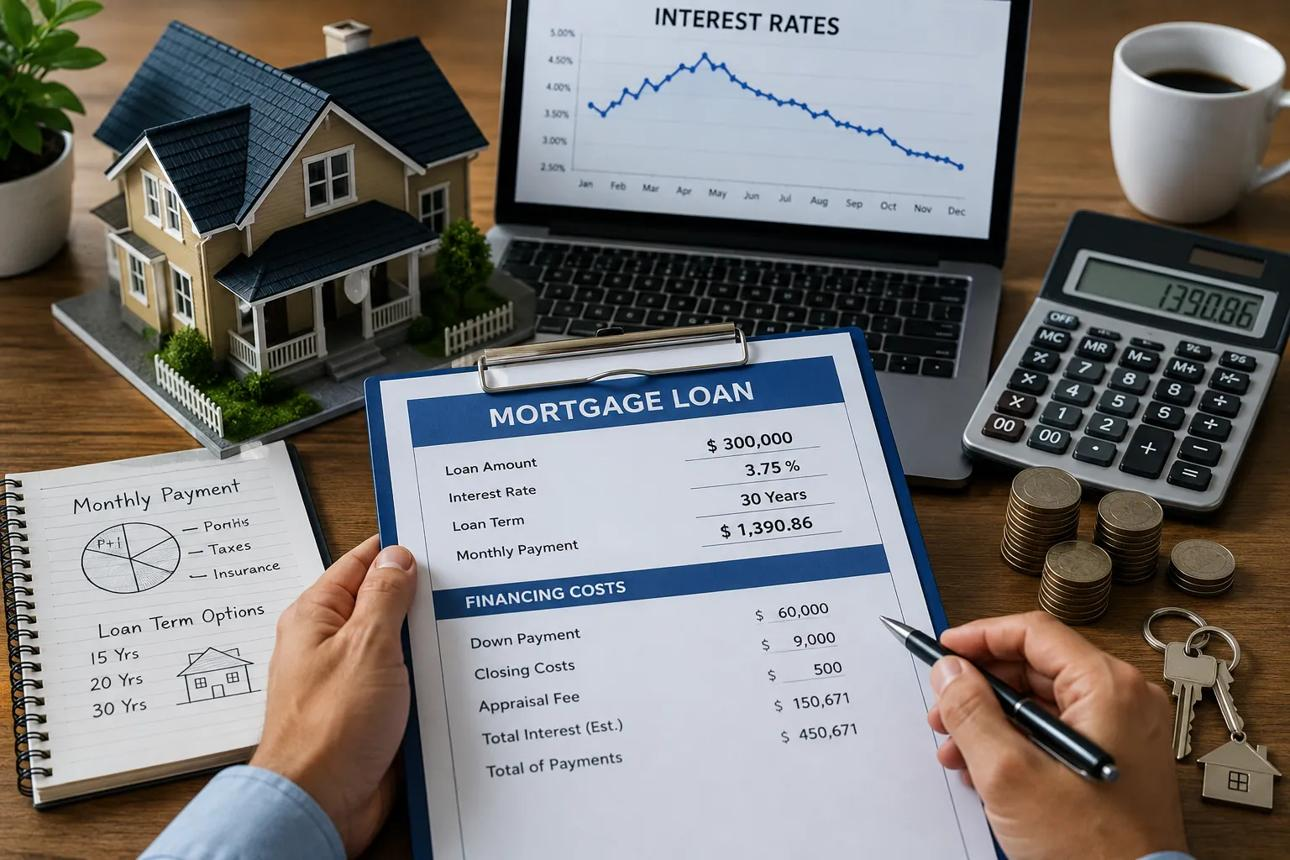
For ordinary Americans, the most important consequences may come from interest rates rather than gold itself.
If borrowing costs increase, households could face greater financial pressure.
|
Household expense |
Potential impact
Credit cards
Variable interest rates could rise
New mortgages
Financing a home could become more expensive
Auto loans
Monthly payments on new loans could increase
Savings accounts
Some deposit rates could improve
Retirement investments
Bond and stock values could fluctuate
Everyday purchases
Inflation could remain elevated, depending on broader economic conditions
Not every rate changes immediately or by the same amount.
For example, an existing fixed-rate mortgage would generally retain its contracted interest rate.
Will Falling Gold Prices Make Groceries More Expensive?
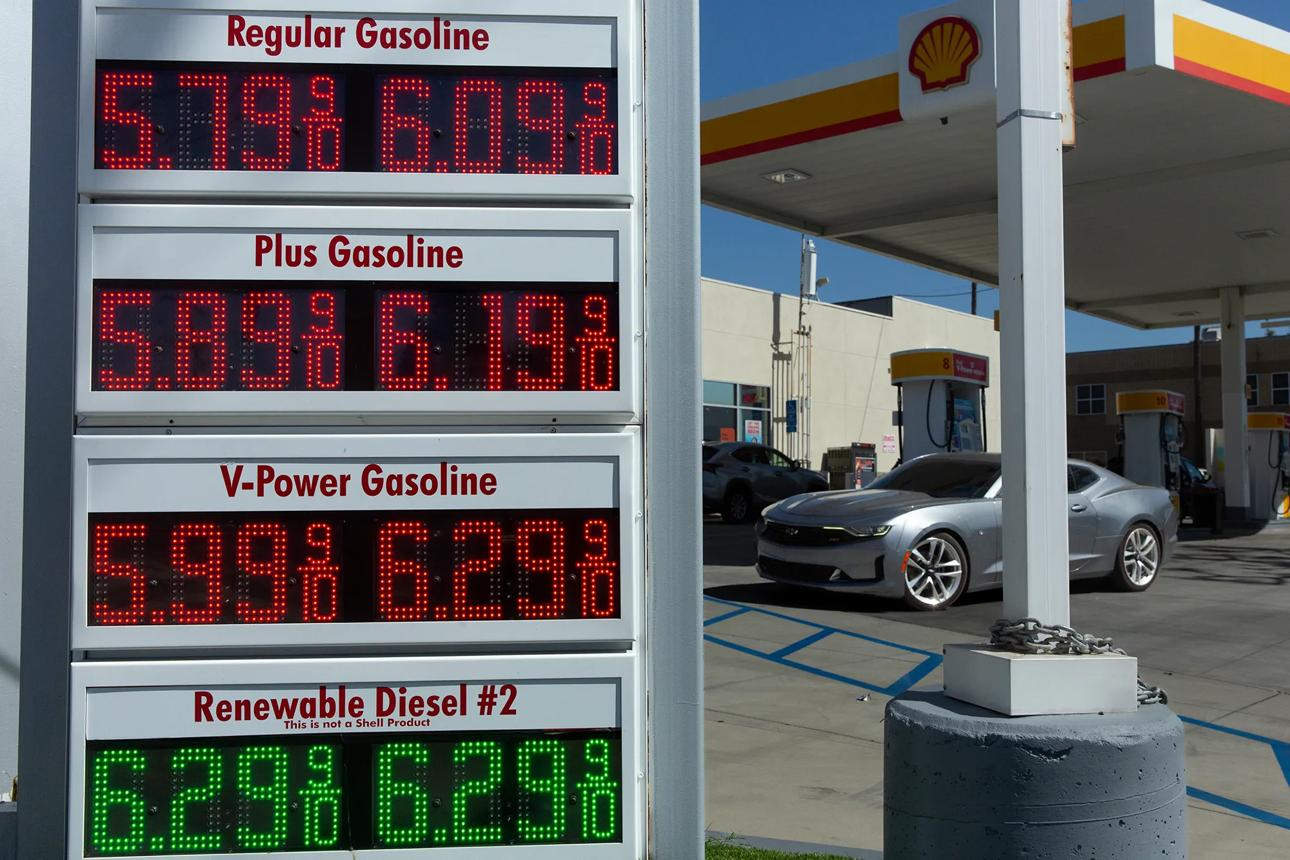
Falling gold prices do not directly cause grocery prices to increase.
Gold is primarily an investment, reserve asset and industrial material. Its price is not a major direct component of food production or household transportation costs.
However, gold can fall while consumer prices remain high because the two markets respond to different economic forces.
For example, persistent inflation might lead investors to expect higher Federal Reserve interest rates. Those expectations could simultaneously pressure gold prices and keep borrowing costs elevated.
A stronger dollar can also make some imported goods less expensive, potentially offsetting inflationary pressures.
The relationship is therefore more complicated than simply assuming that cheaper gold means more expensive groceries.
How Much Could Higher Interest Rates Cost You?
Consider an illustrative household with a $20,000 variable-rate loan balance.
Illustrative additional annual interest expense
$200
Approximately $16.67 per month in additional interest
Loan balance
$20,000
Interest rate increase
1.00 percentage points
Simple illustrative calculation assuming the balance remains unchanged for one year and the entire rate increase passes through. Actual loan payments depend on repayment terms and rate adjustments.
The financial impact of higher interest rates can be significant even for households that have never purchased gold.
What Does the Gold Crash Mean for American Investors?

For investors who purchased gold near its earlier highs, the recent decline represents a substantial loss in market value.
Investors who own physical gold, gold-backed exchange-traded funds or gold mining shares may experience different outcomes depending on the products they hold.
Meanwhile, buyers considering entering the market face uncertainty about whether prices will stabilize or decline further.
A lower price does not automatically mean an asset is undervalued.
Nor does a sharp selloff guarantee that prices will continue falling.
Analysts have offered widely different forecasts, reflecting uncertainty about future interest rates, inflation, investment demand and central bank purchases.
The Wall Street Journal
Could Gold Fall Even Further?
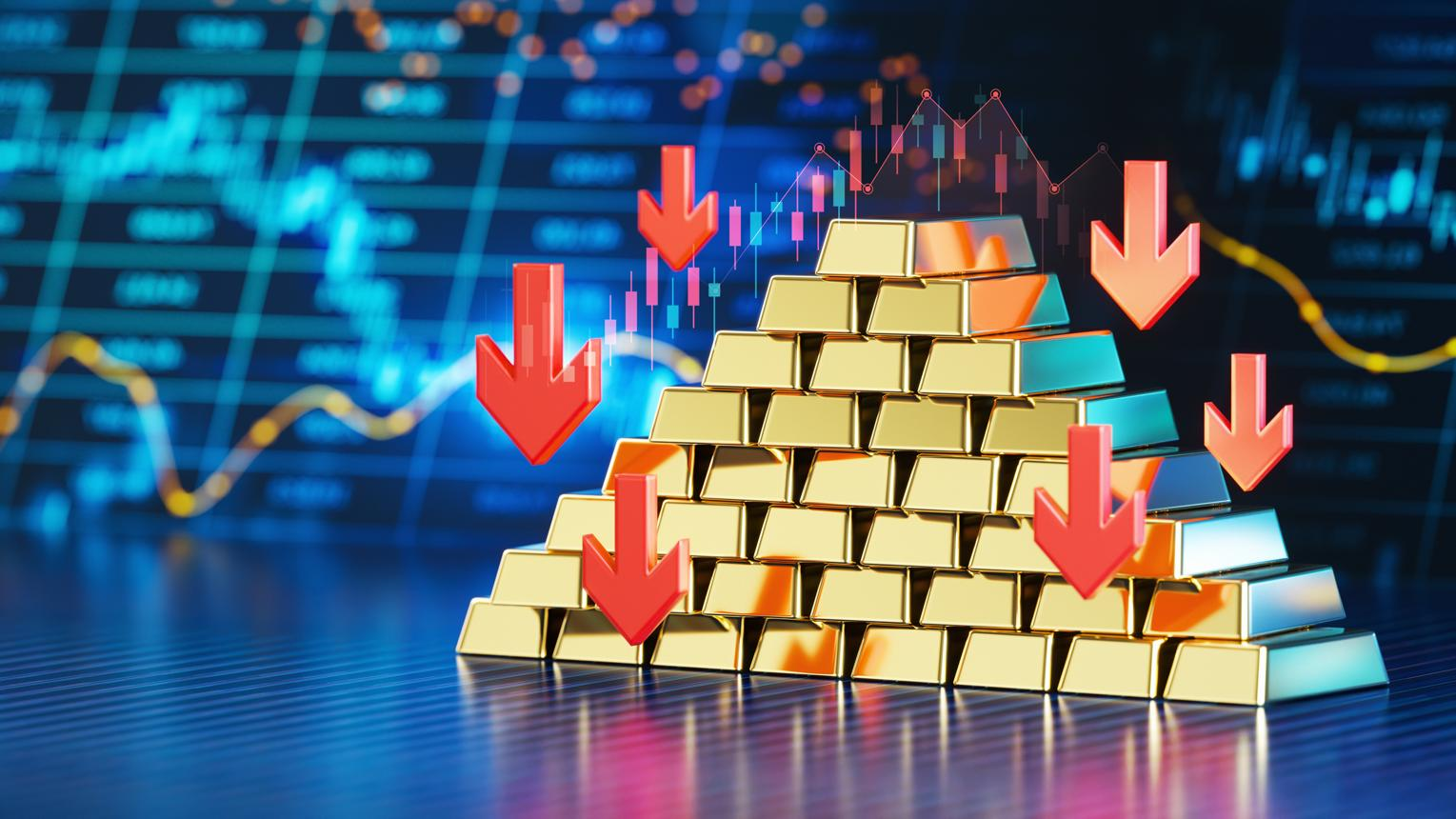
Several scenarios could shape gold's next move.
|
Scenario |
Possible effect on gold
Fed signals additional rate increases
Further downward pressure
U.S. dollar continues strengthening
Gold becomes more expensive for overseas buyers
Treasury yields decline
Gold could become more attractive
Geopolitical uncertainty intensifies
Safe-haven demand could increase
Central banks increase gold purchases
Additional support for demand
These are potential market relationships, not guaranteed price movements.
The most important upcoming indicators include U.S. inflation reports, employment data, Treasury yields and statements from Federal Reserve policymakers.
A Falling Gold Price Does Not Mean Inflation Has Disappeared
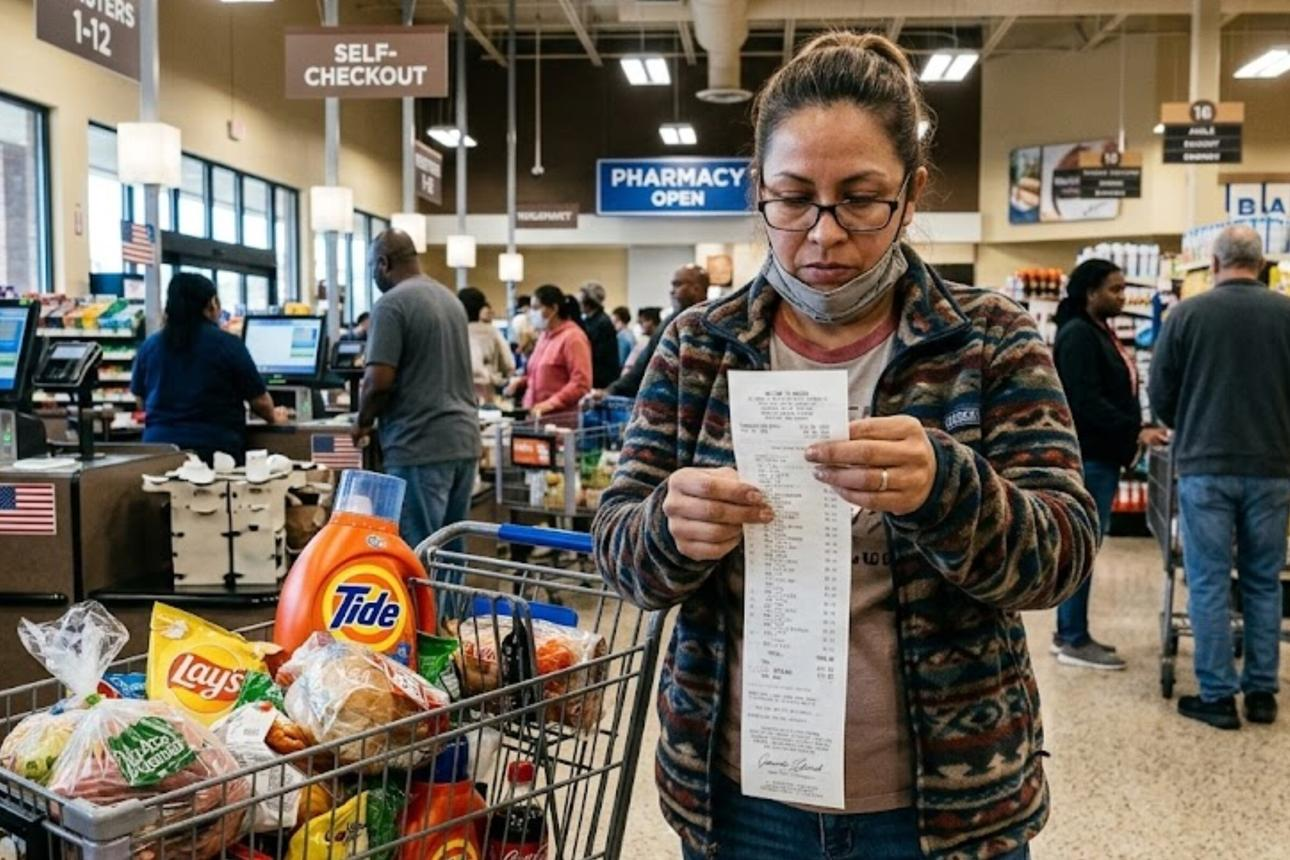
The current market situation highlights an important economic distinction.
Gold prices can decline because investors expect tighter monetary policy, even when the underlying reason for that policy is persistent inflation.
For households, that means two financial pressures could coexist: elevated prices for essential goods and expensive borrowing.
The Fed's challenge is to bring inflation under control without unnecessarily weakening economic growth and employment.
A successful reduction in inflation would mean consumer prices rise more slowly. It would not necessarily mean that prices return to their previous levels.
Is This a Warning Sign of Broader Financial Trouble?
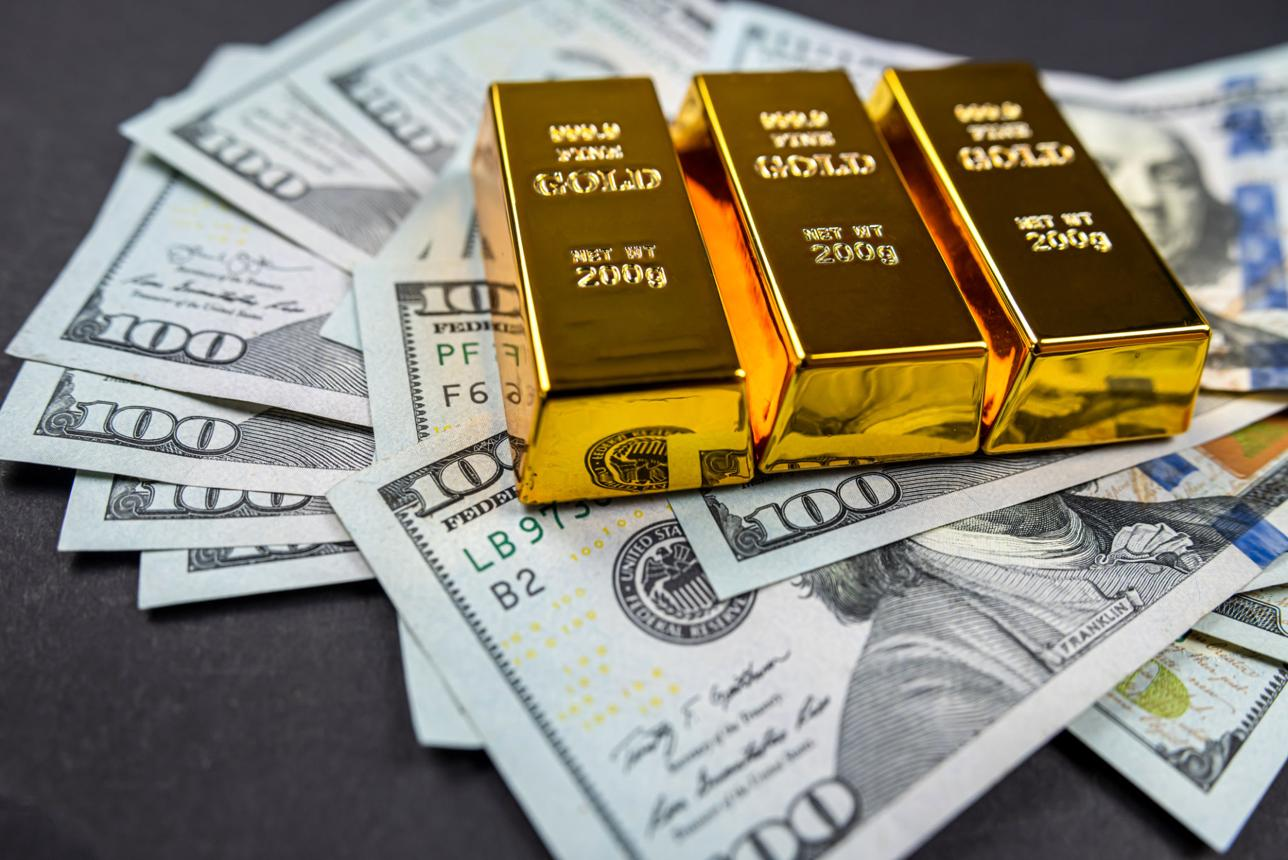
The sharp decline in gold reflects a major change in investors' expectations about monetary policy.
But a falling gold price alone cannot establish that the United States is entering a recession or financial crisis.
Financial markets are influenced by numerous factors, including economic growth, corporate earnings, government policy, international conflicts and investor sentiment.
The latest selloff should therefore be viewed as an important market development rather than definitive evidence of an impending economic collapse.
America's Gold Market Is Flashing a Warning — What Happens Next?
Gold has fallen below $3,600 an ounce.
The U.S. dollar is trading near a multimonth high.
And financial markets increasingly expect another Federal Reserve interest rate increase in December.
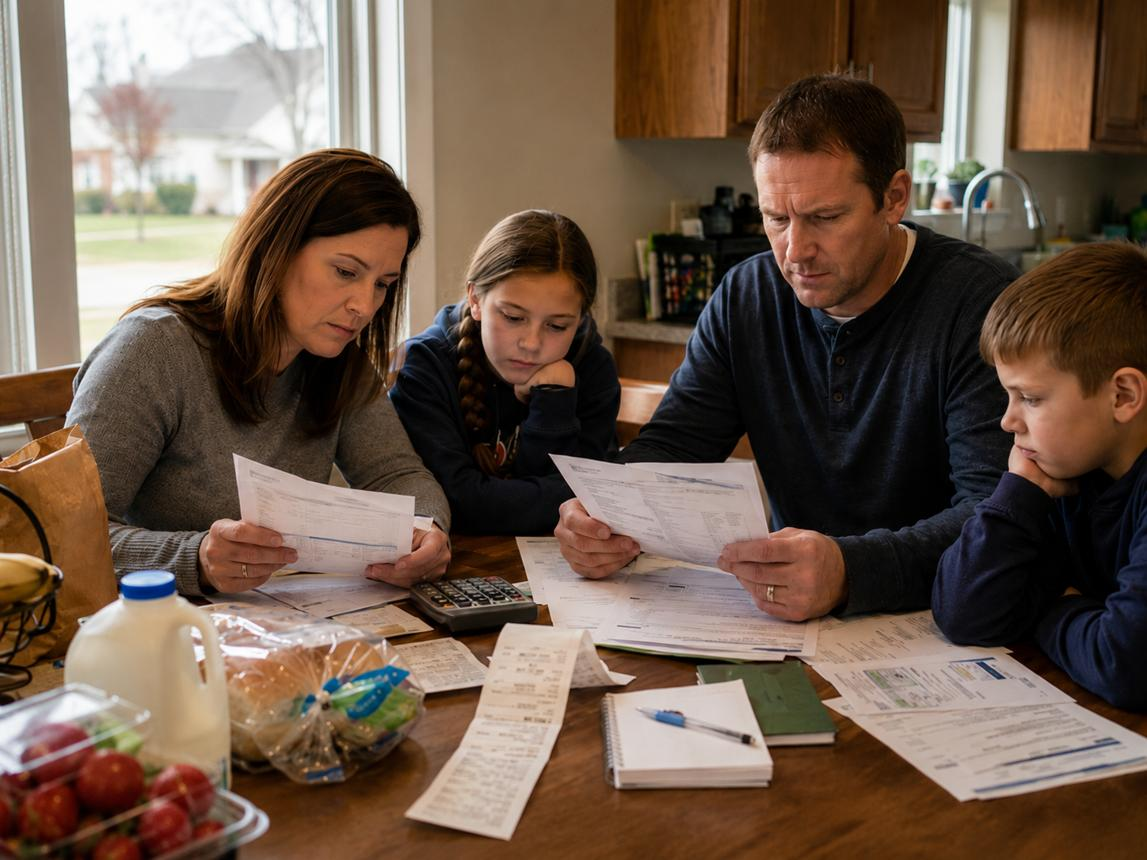
For American families, the biggest concern is not necessarily the decline in gold itself.
It is the possibility that persistent inflation and higher borrowing costs could continue squeezing household finances.
Gold is falling, but that does not automatically mean everyday living costs will follow.
Will the Federal Reserve's next decision bring inflation under control, or could higher interest rates create new financial difficulties for American households?
AMERICA, WHAT DO YOU THINK? SHARE YOUR OPINION IN THE COMMENTS BELOW!
Comments (0)
Loading comments...
May You Like


NYC EMERGENCY—MILLIONS FACE EVACUATION RISKS, MACY'S GIANT BALLOONS REMOVED FOR SAFETY!

ELON MUSK’S $18 BILLION SPACEX STOCK GIFT FOR EVERY AMERICAN CHILD









Popular Posts




