Hakeem Jeffries Targets Trump’s Agenda: Are Americans Turning Away from the MAGA Movement

WASHINGTON — House Democratic Leader Hakeem Jeffries is arguing that growing frustration over the economy and Trump administration policies could reshape the political landscape before the November 2026 midterm elections.


Jeffries Makes His Case
Jeffries has increasingly framed the midterm contest around affordability, arguing that voters are struggling with higher prices for groceries, gasoline, housing and health care under the current administration.
In a September 17 appearance, Jeffries said Americans had “had enough” of President Donald Trump and Republicans, while presenting Democrats as focused on reducing living costs and addressing economic concerns.
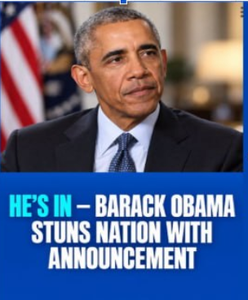
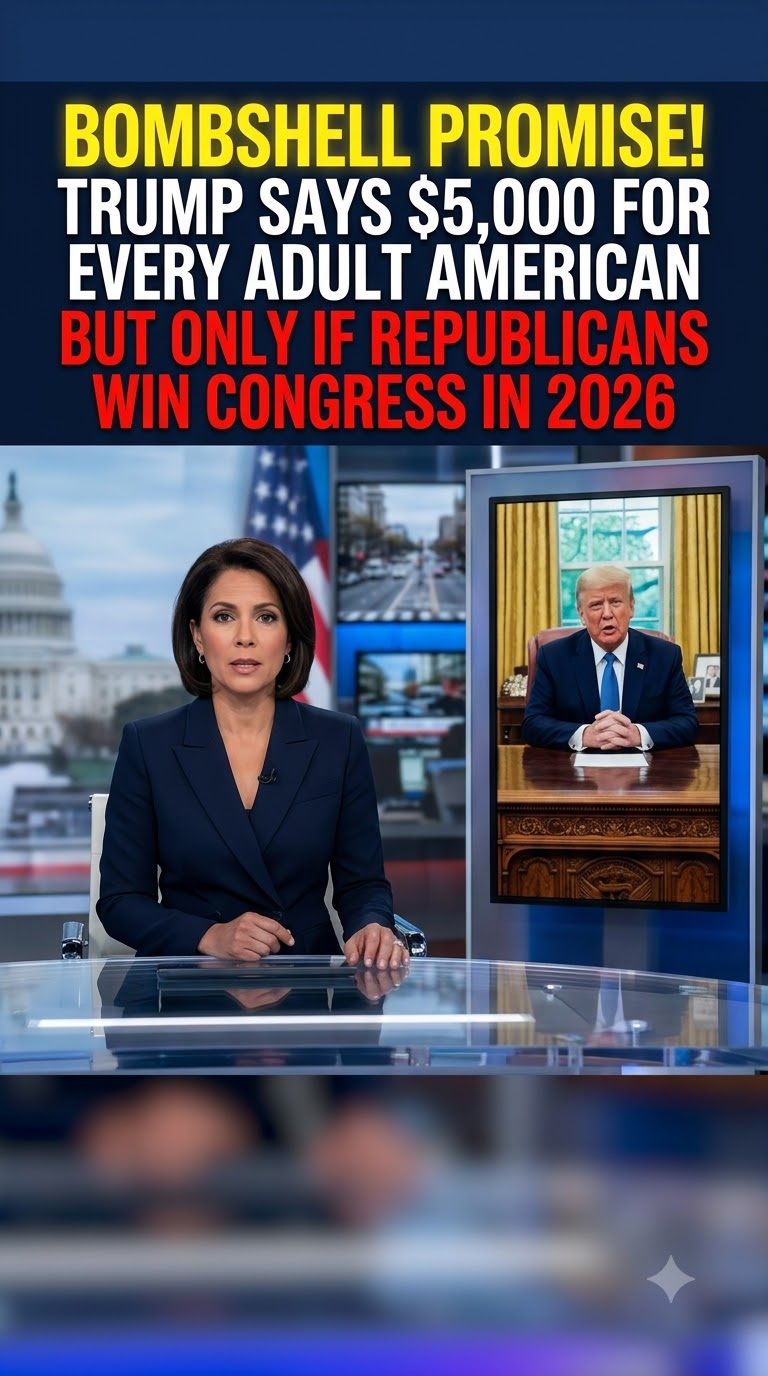
The claim in the image that Americans are ready to “leave MAGA” reflects this broader Democratic argument, although Jeffries’ documented remarks do not establish that all Americans are abandoning Trump’s movement.
Instead, Jeffries has emphasized that Democrats intend to make affordability a central campaign issue while criticizing what he describes as Republican failures on economic and governmental priorities.
Economic Frustration Becomes Central Issue
Recent polling provides evidence of dissatisfaction with Trump, although it does not by itself demonstrate a wholesale departure from MAGA among Republican voters or Trump supporters.
A Reuters/Ipsos poll conducted in September found Trump’s overall approval rating at 32%, while only 17% approved of his handling of the cost of living.
The same survey found Trump’s approval among Republicans at 73%, down from 82% one week earlier, indicating that dissatisfaction was also appearing within his own party’s voter base.
Cost of living was identified as the leading issue respondents said would influence their November voting decisions, placing economic conditions at the center of the approaching midterm campaign.
A separate Marquette Law School survey found that 54% of likely voters preferred a Democratic congressional candidate, compared with 41% choosing a Republican candidate.
However, congressional preference polls measure voting intentions at a particular moment and do not necessarily indicate that voters have permanently changed their political identities or abandoned a political movement.
Democrats Still Face Internal Divisions
Jeffries’ message comes as House Democrats themselves face disagreements over ideology, strategy and the direction of the party heading into the November elections.
Recent reporting has highlighted tensions between progressive and more moderate Democrats, including disagreements over legislative votes and how the party should position itself nationally.
Those divisions complicate efforts to present a unified alternative to Trump and congressional Republicans, particularly as Democratic candidates campaign across districts with very different political environments.
Jeffries has nevertheless repeatedly emphasized affordability as a unifying theme, arguing that Democrats can appeal to voters by concentrating on everyday economic pressures rather than internal ideological disputes.
MAGA Remains a Powerful Political Force
Despite Democratic criticism, Trump continues to maintain substantial support among Republican voters, particularly on issues including immigration and border security.
The September Reuters/Ipsos poll found that 79% of Republicans approved of Trump’s handling of immigration, even though his overall approval on the issue stood at 36% nationally.
Jeffries has continued describing the Republican movement around Trump as “MAGA,” frequently using the term while criticizing the administration’s economic, immigration and governmental policies.
Republicans, meanwhile, have their own arguments about the economy and government performance, while congressional leaders maintain that their legislative record should be considered alongside Democratic criticism.
The Midterm Test
The November 3 elections will determine control of Congress, giving voters an opportunity to assess the Trump administration’s record and the competing agendas presented by Democratic and Republican candidates.
Recent national surveys show Democrats performing strongly on generic congressional ballot questions, but those measurements do not directly predict the outcome of individual House and Senate races.
For Jeffries, the challenge is converting dissatisfaction over prices and presidential policies into support for Democratic candidates while maintaining enough unity within his own party.
For Republicans, the election will test whether Trump’s continued political influence and the party’s policy agenda can maintain support despite concerns over prices, foreign policy and other issues.
The central question raised by the viral image is therefore broader than whether Americans are simply “leaving MAGA”: it is whether dissatisfaction will translate into measurable changes in voting behavior this November.
For now, polling shows significant movement in the national political environment, but voters remain divided, and the available evidence does not establish a universal shift away from Trump or the MAGA movement.
Sources: Reuters/Ipsos, Marquette Law School Poll, The Washington Post, CNN, Axios and statements from the Office of House Democratic Leader Hakeem Jeffries.
Comments (0)
Loading comments...
May You Like

Russian Drone Strikes Kyiv Bridge as German Chancellor Arrives in Ukraine

Obama Steps Back Into the Political Spotlight as Democrats Target Trump’s Senate Majority