
HEGSETH CALLS VENEZUELA A “COMPLIANT” PARTNER: U.S. AND CARACAS RENEW MILITARY TIES
CARACAS, VENEZUELA — NOV 25, 2026 — A visit by U.S. Defense Secretary Pete Hegseth has brought a changing relationship between Washington and Caracas into focus less than a year after American forces captured Venezuela’s president.
The visit placed military leaders from the two countries in direct contact as the United States seeks to expand its influence in the South American nation and its wider region.
For Venezuelan authorities, the discussions came amid a transition in leadership and ongoing negotiations with Washington over security, energy and the future of the country’s international relationships as it seeks to rebuild ties with foreign governments and attract international investment.
On Jan 3, U.S. forces conducted an operation in Venezuela that captured then-President Nicolás Maduro and his wife, Cilia Flores, and brought them to the United States.
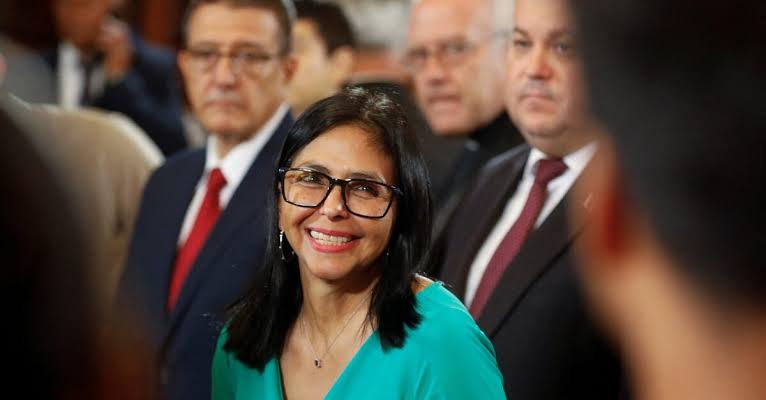
Maduro’s former vice president, Delcy Rodríguez, subsequently became acting president, and her administration has maintained contact with Washington as both governments pursue new areas of cooperation.
The January operation followed years of hostility between Washington and Maduro’s government, including U.S. sanctions and disputes over Venezuela’s political leadership and democratic institutions.
Since the change in leadership, officials from President Donald Trump’s administration have visited Caracas for discussions involving security and the country’s extensive oil and mineral resources.
Trump announced an oil arrangement in August, part of a broader effort by his administration to shape how Venezuelan energy resources are developed and brought to market.
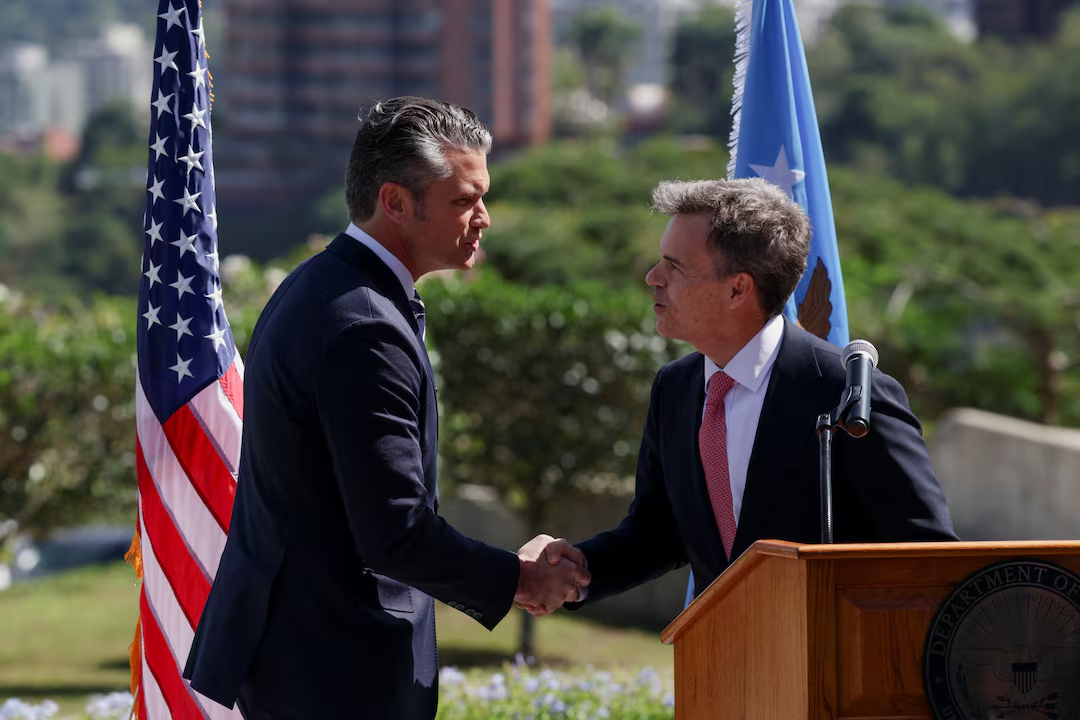
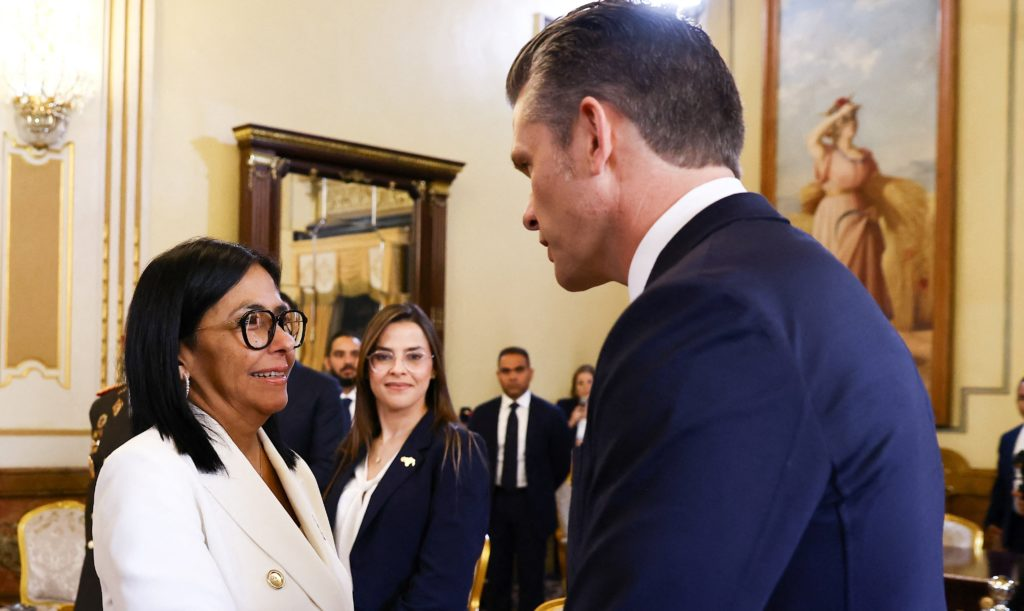
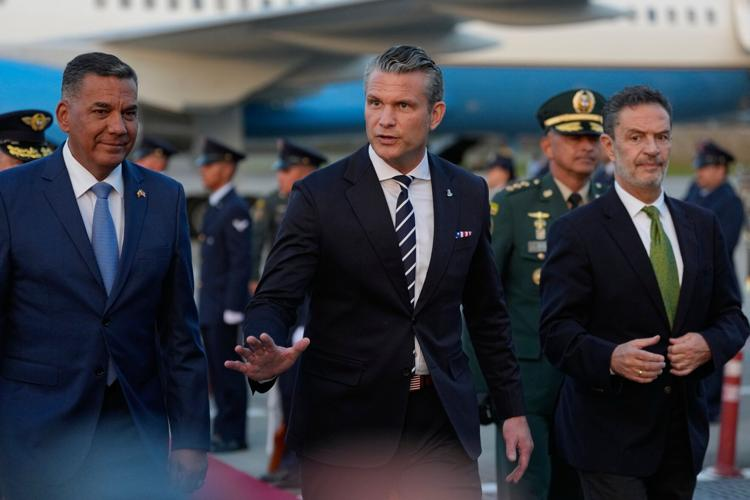
Hegseth arrived in Caracas on Nov 18 without an advance public announcement and met Rodríguez at the Miraflores presidential palace before speaking at the U.S. Embassy.
Venezuelan state television showed the defense secretary with Rodríguez and reported the signing of an agreement with Venezuelan defense officials during the visit.
Hegseth also praised cooperation with Rodríguez’s government against groups involved in drug trafficking, which the Trump administration has made a regional security priority.
His remarks framed Venezuela’s relationship with Washington as a major change from the period before the January operation, when the countries’ governments were openly antagonistic.
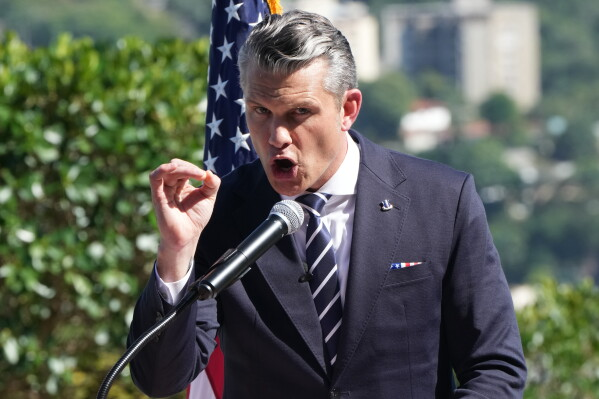
At the embassy, Hegseth described Venezuela as having moved from an aggressive regional threat to a “compliant security partner,” presenting the new relationship as part of the administration’s regional strategy.
The defense secretary said the two countries had signed an agreement to reestablish a military partnership, adding a security component to their expanding diplomatic and economic contacts.
He said the arrangement would involve joint training and intelligence sharing, along with cooperation on defense equipment and military capabilities for the two countries’ forces.
In practical terms, those areas could allow personnel to train together and officials to exchange information, but their scope depends on arrangements the governments have yet to detail publicly.
Rodríguez said the cooperation would help the countries address common threats and strengthen training for Venezuela’s armed forces, according to accounts of the meeting.
Hegseth linked the partnership to action against drug trafficking groups, although the public announcement did not specify individual operations or describe how any joint missions would be authorized.
Officials gave few details about costs, a schedule, specific equipment or the size of any U.S. military presence, leaving those questions unresolved in the public account.
The agreement therefore establishes a stated direction for renewed military ties, while the extent of training, intelligence exchanges and equipment cooperation remains to be clarified as the partnership develops.
Comments (0)
Loading comments...
May You Like

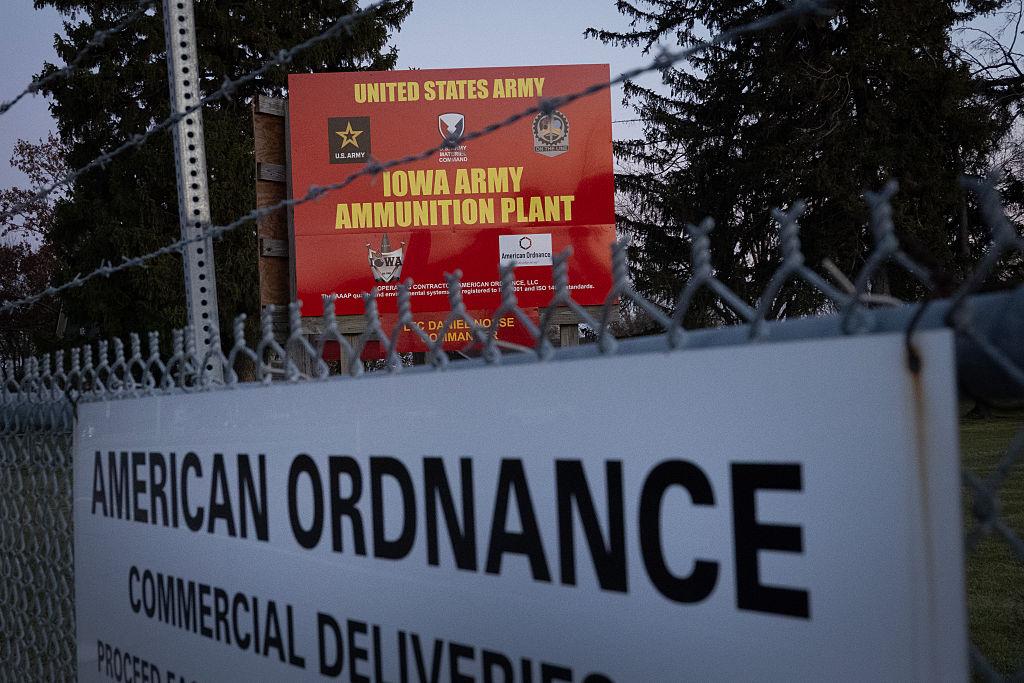
IOWA NIGHTMARE: SECOND ARMY BLAST, 10,000 EVACUATED, 201+ HOSPITALIZED!
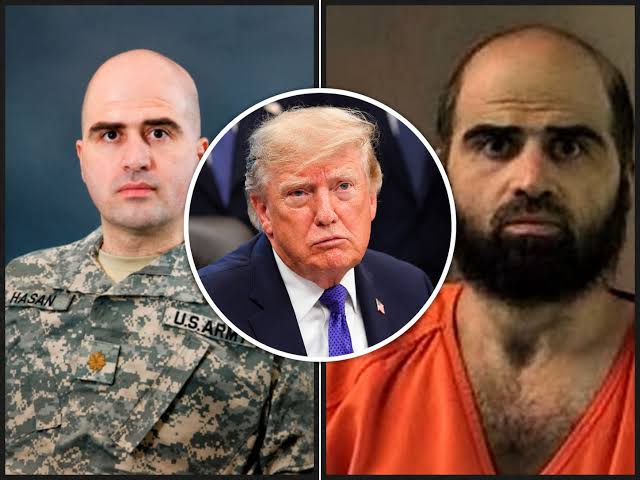
NINE MONTHS PREGNANT DURING FORT HOOD ATTACK: SURVIVOR DENIED ACCESS TO EXECUTION

TRUMP CALLED FOR KIMMEL’S FIRING—THE FCC ACTED THE VERY NEXT DAY









Popular Posts




