
HISTORIC SCANDAL — UNMASKED!
Trump Warns Mamdani Could Face Arrest Over ICE Operations: Where Does the Law Draw the Line?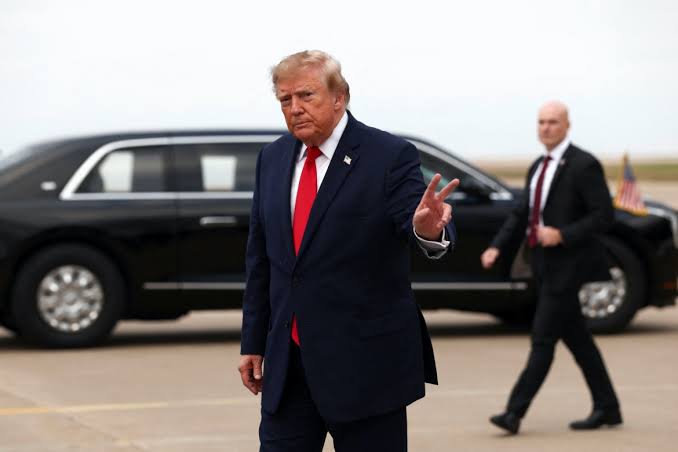
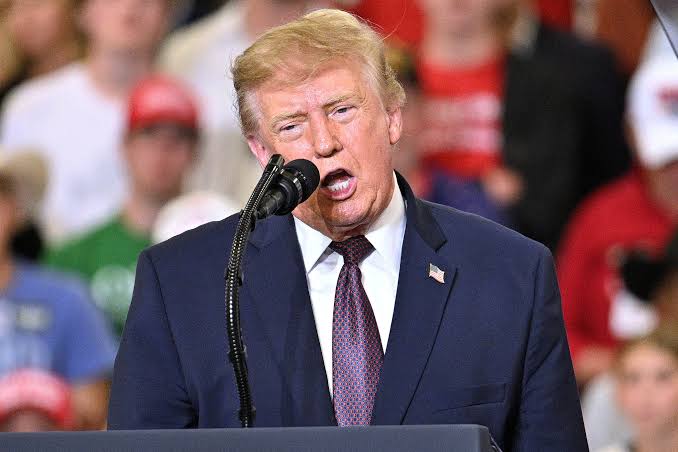
A fierce political confrontation over immigration enforcement is once again putting President Donald Trump and New York City Mayor Zohran Mamdani on opposite sides of a national debate. At the heart of the dispute is a question with serious legal and political consequences: Can a mayor oppose federal immigration operations without risking arrest, or does resistance cross a line when it interferes with federal law enforcement?
Trump made headlines on July 1, 2025, when he threatened that Mamdani could be arrested if he followed through on promises to oppose Immigration and Customs Enforcement operations in New York. At the time, Mamdani was the Democratic nominee for mayor, and Trump's remarks immediately intensified an already bitter dispute over immigration, executive authority, and the limits of local government power.
The warning was direct. Responding to a question about Mamdani's pledge to resist ICE deportation operations, Trump said that authorities would have to arrest him if he carried out that promise in a way that interfered with federal enforcement. The remarks quickly became a flashpoint in the broader debate over the administration's aggressive immigration agenda.
Mamdani, a democratic socialist and naturalized American citizen, has consistently defended immigrant communities and criticized enforcement practices that he believes create fear among New Yorkers. His political message emphasizes affordability, public services, and protecting residents who may be vulnerable to deportation. Those priorities have placed him in direct conflict with the administration's approach to immigration enforcement.
The controversy has become particularly significant because New York has long maintained policies limiting how city agencies cooperate with federal immigration authorities. Supporters argue that these policies allow local police to focus on public safety and help immigrant residents feel comfortable reporting crimes. Critics contend that restrictions on cooperation can make it harder for federal authorities to identify and detain people they consider deportation priorities.
However, the legal distinction between noncooperation and obstruction is crucial. Local governments generally cannot be forced to administer the federal government's immigration enforcement program, but that does not give public officials unlimited authority to interfere with federal officers carrying out lawful duties. Whether particular conduct violates federal law depends on the circumstances, the applicable statutes, and the evidence.
This distinction makes the prospect of arrest more complicated than political rhetoric might suggest. A mayor's public criticism of ICE, opposition to deportation policies, or refusal to provide certain local resources does not automatically constitute a criminal offense. Prosecutors would need a legally valid basis for any criminal charge, and the government would have to establish the relevant elements of that offense.
The dispute has also raised questions about the relationship between presidential power and municipal independence. The federal government has broad authority over immigration and border enforcement, while cities retain powers over many local services, policing priorities, and the use of municipal property. When those responsibilities overlap, disagreements can lead to lawsuits, funding disputes, and political confrontations.
Trump has previously threatened to withhold federal funding from jurisdictions that refuse to cooperate with his immigration agenda. Such threats create additional pressure on city leaders, particularly when federal resources support transportation, housing, public safety, and other essential services. Yet the federal government cannot necessarily impose every funding condition it proposes; restrictions must also comply with applicable constitutional and statutory requirements.
For Mamdani, the challenge is balancing his campaign commitments with the practical responsibilities of governing a city of millions of people. New York must maintain public safety, manage relationships with state and federal authorities, and protect residents' legal rights. A confrontation that escalates into a prolonged legal battle could affect the city's operations even if no criminal charges are ultimately filed.
The debate has taken on renewed significance in October 2026, following a shooting involving an ICE agent in the Bronx that further strained relations between city officials and the federal government. Mamdani publicly criticized the agency, while negotiations with the Trump administration over the handling of the incident exposed the difficulties of managing immigration enforcement amid sharply conflicting priorities.
The incident also illustrates why local-federal cooperation can become complicated during rapidly developing law enforcement situations. City officials may insist that police act only when they have the necessary legal authority, while federal authorities may demand greater cooperation in carrying out their own responsibilities. Disagreement between the two sides does not, by itself, establish that either has committed a crime.
More recently, Mamdani and other New York Democratic leaders have urged private parking lot and garage owners not to allow ICE to use their properties as staging areas. Supporters describe the initiative as a lawful effort to protect neighborhoods and limit the use of private property for federal operations. The Department of Homeland Security has criticized the move, arguing that such restrictions will not stop deportations.
This development raises a separate legal question from Trump's earlier warning. Asking private property owners to deny access is not automatically the same as physically obstructing officers or preventing them from executing a lawful warrant. The details matter, including who controls the property, what authorization officers possess, and whether anyone engages in conduct prohibited by law.
For immigrant communities, the stakes are deeply personal. Enforcement operations can separate families, disrupt employment, and create uncertainty for people whose immigration cases remain unresolved. Advocates argue that local governments should be able to protect trust between residents and public institutions without being accused of undermining the rule of law.
Supporters of stricter enforcement offer a different perspective. They argue that immigration laws lose credibility when local authorities deliberately make federal operations more difficult. From their viewpoint, cooperation between agencies can help identify individuals with serious criminal histories and ensure that lawful deportation orders are carried out.
Both sides invoke public safety, but they disagree sharply about what effective enforcement looks like. One side emphasizes consistent application of federal law and the consequences of noncooperation. The other emphasizes civil liberties, community trust, and the risk that aggressive enforcement will discourage people from contacting police or seeking essential services.
The political implications could extend beyond New York. Other cities with policies limiting cooperation with federal immigration authorities are watching the conflict closely, as are state officials, civil rights organizations, and lawmakers debating the limits of executive power. The outcome could influence how municipalities design their policies and respond to future federal enforcement operations.
Nevertheless, the claim that Mamdani could be arrested should not be confused with a determination that he has committed a crime. Trump's 2025 remarks were a conditional threat tied to the possibility of interference with ICE. They did not establish criminal liability, and the legal consequences of any future action would depend on what actually occurred.
The broader question is whether political leaders can maintain strong disagreements over immigration without turning every policy dispute into a criminal confrontation. Democratic governments depend on the enforcement of valid laws, but they also depend on clear legal boundaries, independent judicial review, and protection against the arbitrary use of government power.
Ultimately, the dispute between Trump and Mamdani is about more than one mayor or one federal agency. It reflects a fundamental struggle over immigration, local autonomy, presidential authority, and the meaning of accountability. Should a mayor face criminal consequences for actively obstructing lawful federal operations, or should cities have broad discretion to limit their participation in deportation efforts? The answer depends on the conduct involved and the law that applies—not simply on which political side has the louder voice.
Comments (0)
Loading comments...
May You Like

WWE BRONSON REED DEAD AT 38, STIMULANTS DETECTED, $10M INSURANCE PAYOUT FROZEN!

EAST COAST CATASTROPHE — $20 BILLION AT STAKE, 5 MILLION AT RISK OF LOSING POWER, WATER AND HEAT!

1,000+ MILITARY FAMILY RECORDS BREACHED, 200+ MILITARY SITES AT RISK!








Popular Posts




