
HOUSE PASSES VETERANS BILL BY VOICE VOTE AS DISABILITY CUTS DRAW OUTRAGE
WASHINGTON — NOV 19, 2026 — A veterans benefits package approved by the House on Veterans Day has opened a dispute over how Congress should fund support for those who served.
The proposal combines measures for injured veterans, surviving spouses and caregivers, bringing long-sought benefit expansions together with changes that have divided veterans organizations.
Those competing provisions have put the focus on who could gain from the package, who could receive less under its proposed rules and what must happen before anything changes.

The House passed H.R. 9237, the Take Care of America’s Veterans Act, by voice vote on Nov 11, leaving no recorded tally of individual lawmakers’ positions.
Democratic Representative Mark Takano said members had no meaningful opportunity to request a recorded vote, while Republican Majority Leader Steve Scalise said no member made that request.
The package has not become law and still requires Senate action, agreement on the same text in both chambers and the president’s signature or another constitutional path to enactment.
One provision would help combat-injured service members medically retired before 20 years receive military retirement pay alongside their VA disability compensation without the current offset.
The package also includes proposed support for some surviving spouses who remarry, certain severely disabled veterans and family caregivers, giving several advocacy organizations reasons to support it.
The American Legion and other groups backed advancing the package while expressing a preference for alternatives to financing benefits through changes in future disability compensation.
The Veterans of Foreign Wars and Disabled American Veterans support several expansions but oppose the disability-rating changes, arguing that one group of veterans should not fund benefits for another.
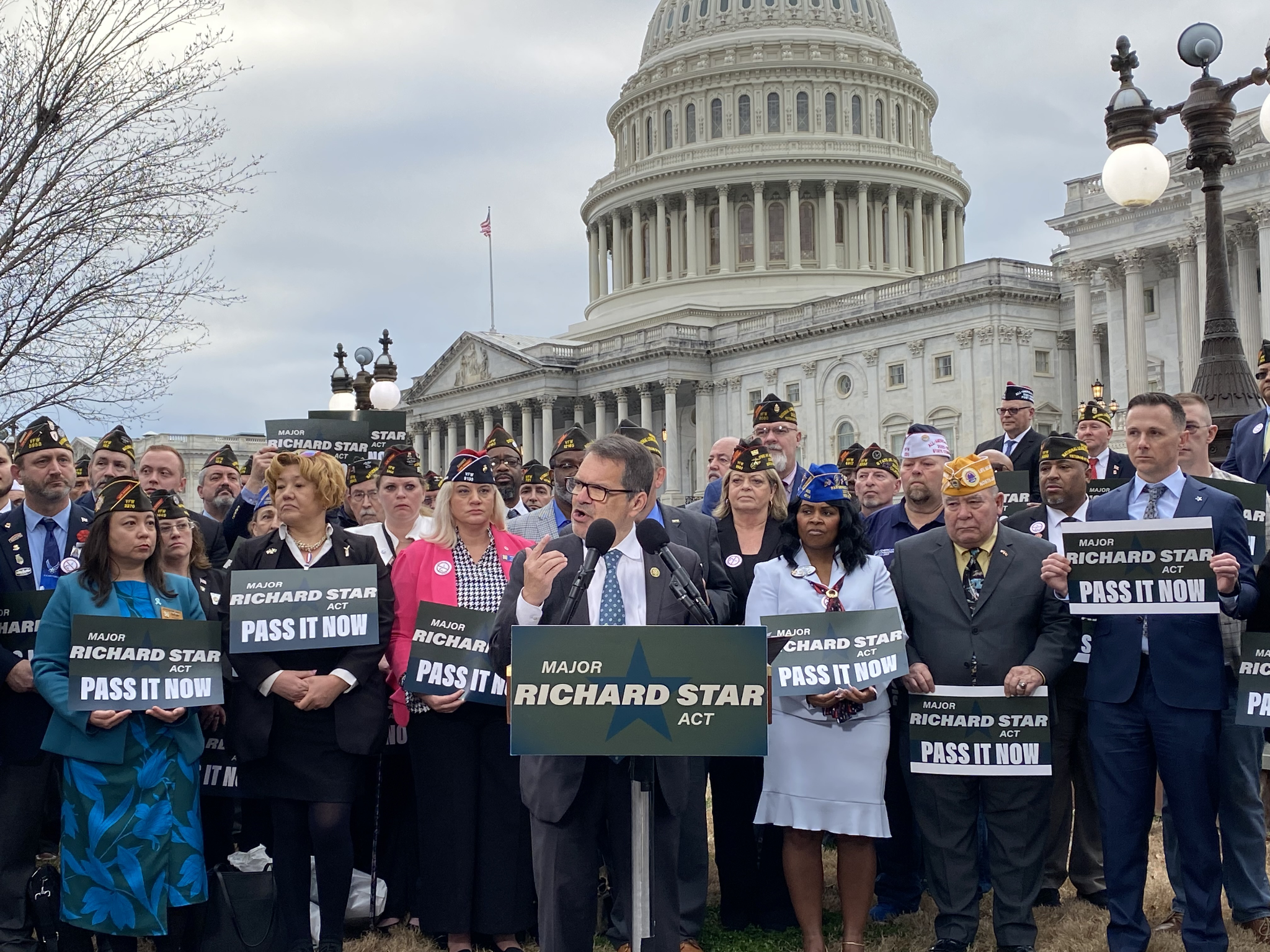
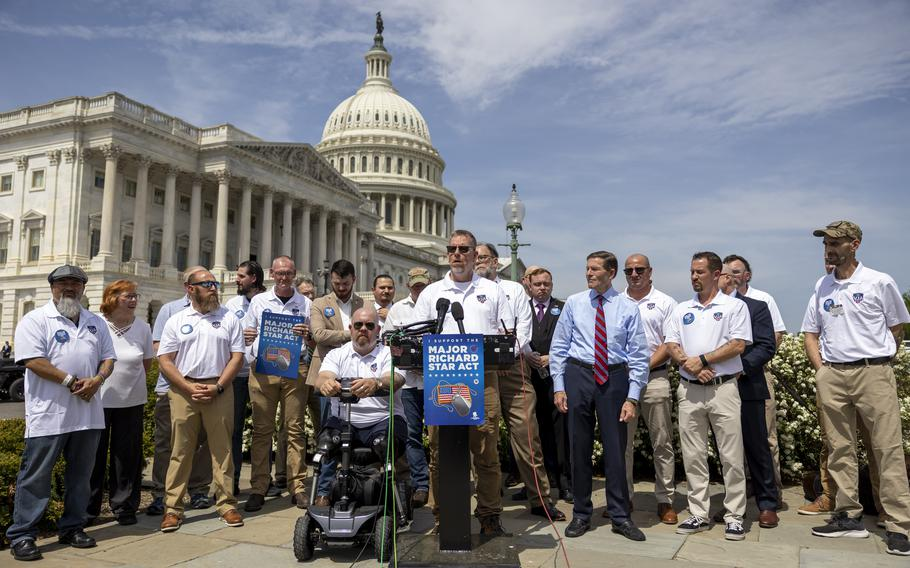
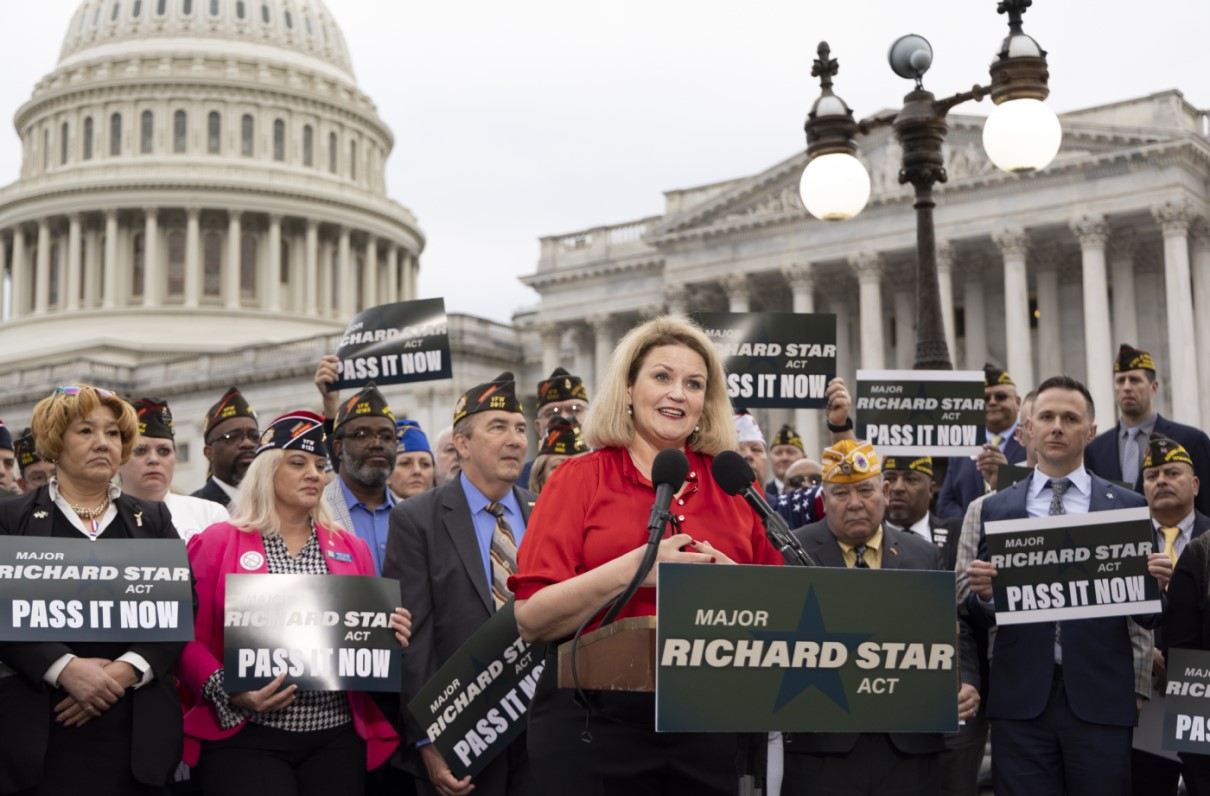
The next day, the House separately passed the Major Richard Star Act, H.R. 2102, by 392–18, offering a competing way to address the retirement-pay offset.
Neither House vote alone changes a veteran’s payment, and the Senate could consider the packages, amend legislation or take no final action before the current Congress ends.
The disputed $57 billion figure comes from an estimate cited by veterans organizations of reduced future disability compensation over 10 years, compared with what would otherwise be paid.
Those groups say the changes could affect up to 1.5 million veterans, but the figure is an estimate rather than a confirmed count of people who will lose benefits.
The answer lies in Section 108: veterans filing qualifying claims for service-connected sleep apnea or tinnitus could receive lower ratings, and therefore potentially less compensation, than under current rules.
For sleep apnea, a veteran whose condition is asymptomatic with or without treatment would receive a 0% rating under the House text, rather than an automatic rating based on using a breathing device.
For tinnitus, a separate compensable rating would generally be eliminated, with a specified 10% exception when it is associated with service-connected hearing loss that is otherwise noncompensable.
The House text applies the revised criteria to claims filed on or after Oct 1, 2026, so some people who have already served or already filed could be affected if that language becomes law.
It also says the revisions cannot be used to reduce, discontinue or otherwise adversely affect compensation already in effect on the day before enactment.
Future claimants and currently serving personnel are therefore among those potentially affected, while existing payment protections, individual circumstances and the final enacted wording will determine specific outcomes.
Comments (0)
Loading comments...
May You Like

$1 BILLION DISASTER AT BANGCHAK REFINERY, THAILAND—40 BURNED, 8 AMERICANS DEAD!

WARNING: OVER 1 MILLION COULD LOSE POWER AND NEARLY 2 MILLION FACE WATER ALERTS ON THANKSGIVING!

AMERICA’S NEW-GENERATION AIRCRAFT CARRIERS — MILITARY MIGHT BUILT AT THE EXPENSE OF THE PEOPLE










Popular Posts



