
HUANG RETURNS TO NVIDIA: SHARES SURGE 31% AFTER BOARD REVERSES COURSE
WASHINGTON — NOV 25, 2026 — A leadership reversal at Nvidia has drawn the White House into a debate over corporate governance, national security and the president’s personal financial interests.
The company’s decisions have consequences far beyond Silicon Valley because its advanced chips are central to the expansion of artificial intelligence and the businesses building the infrastructure behind it.
Questions about its leadership have reached Washington as lawmakers seek answers about technology controls, while investors reassess the risks surrounding one of the country’s most closely watched companies.
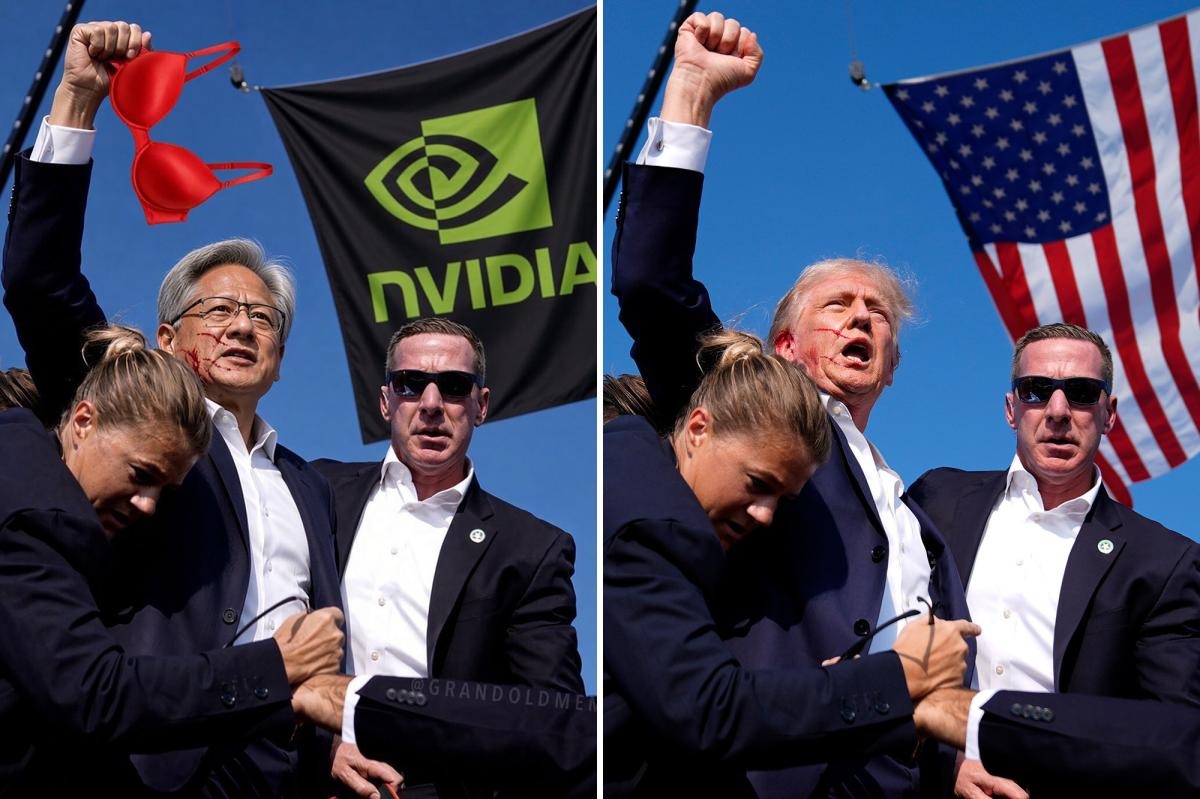
Nvidia co-founder Jensen Huang resigned as chief executive on Nov 12 after reports about his personal relationships raised questions about possible national security exposure and the company’s governance.
Reports identified one woman with whom Huang had a relationship as a business executive whom U.S. officials suspected of ties to Chinese intelligence, an allegation that remains distinct from proof of wrongdoing by Huang.
Separate questions facing Nvidia concern whether advanced chips reached China despite U.S. export controls, an issue on which congressional committees have sought information from the company and its leaders.
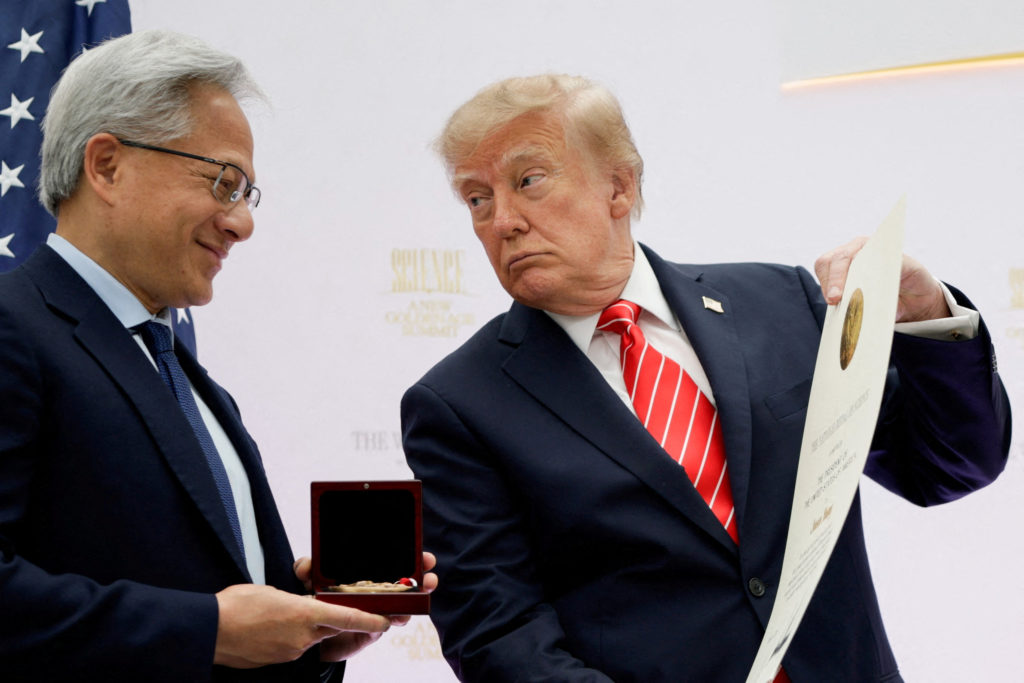
Nvidia announced on Nov 23 that its board had reinstated Huang as president, chief executive and a director, less than 2 weeks after his departure.
The company said its directors had received input from senior levels of the U.S. government and were confident, based on that input, that Huang’s return posed no national security risk.
The board said it believed Huang was the right person to lead Nvidia and that his return served shareholders, employees, partners and customers, according to its announcement.
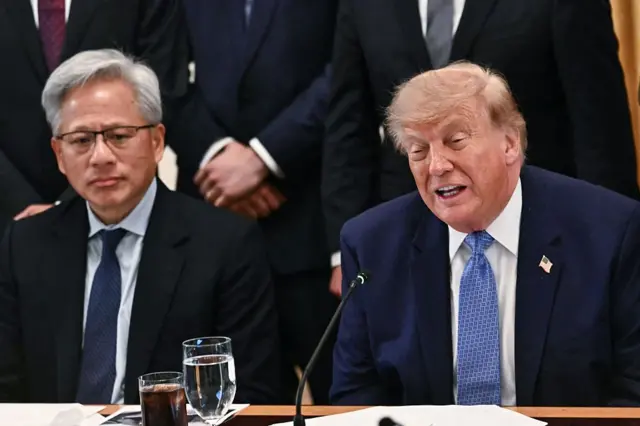
Trump said he had spoken to board members directly and indirectly and had encouraged Huang’s return, describing Nvidia’s importance to the American economy as a central reason for intervening.
He also said the market sell-off probably influenced his thinking, while emphasizing what he described as a longer-term concern about the position of an important U.S. company.
Nvidia shares jumped 31.5% in Monday trading following the announcement, before falling 5.9% on Tuesday as investors reconsidered the risks surrounding Huang’s reinstatement.
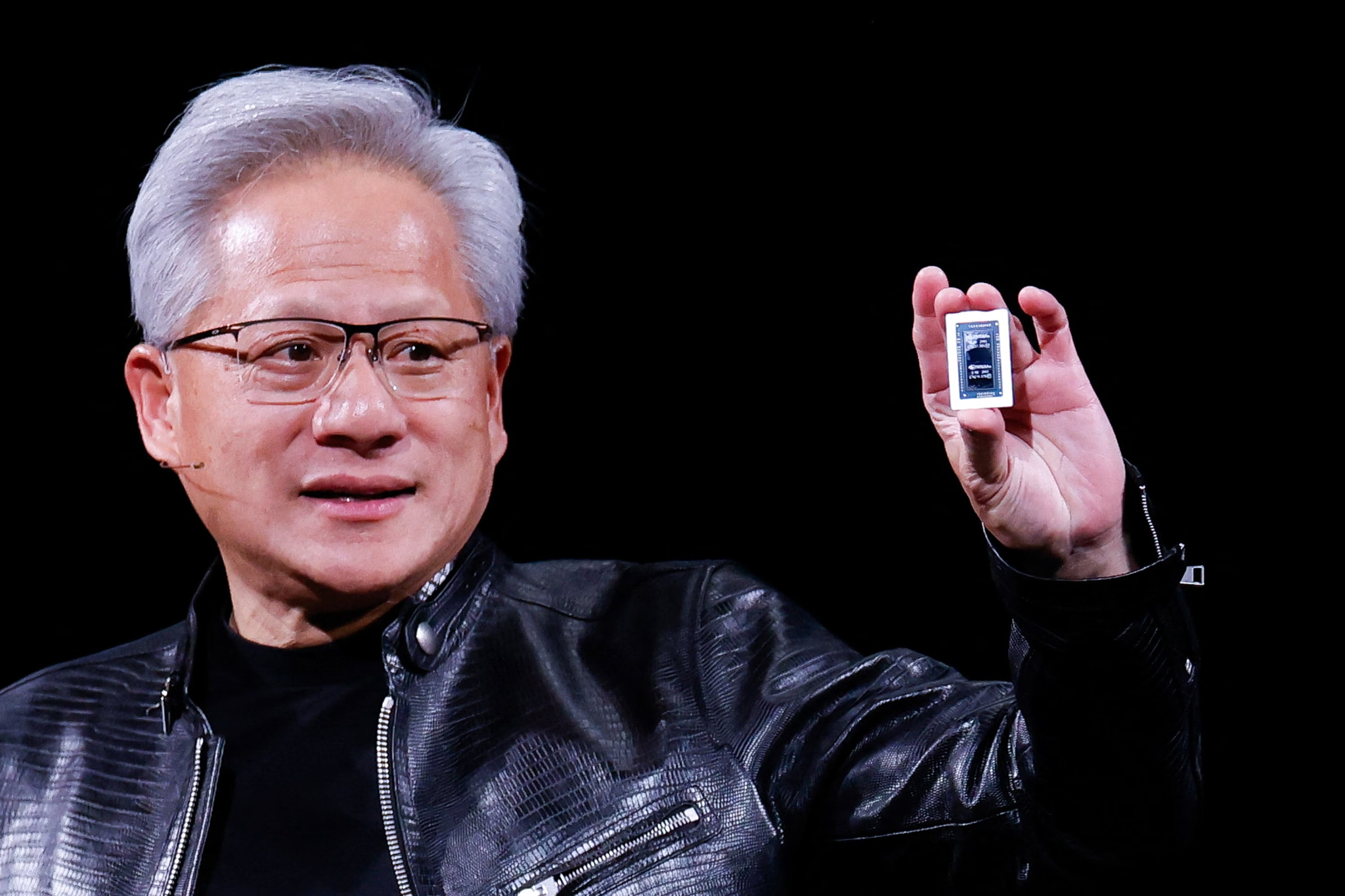
The return has not ended congressional scrutiny, and House committees have scheduled interviews with Huang as lawmakers seek answers about national security and the handling of advanced chips.
Asked about a possible pardon, Trump said it was an option but added that he did not believe it would be necessary, without announcing any grant of clemency.
Attorney General Todd Blanche declined to discuss whether Huang had been investigated when questioned by reporters, leaving the scope of any Justice Department inquiry unclear.

The market rebound also raised a question about Trump’s own finances because a disclosure filed on Nov 5 showed Nvidia holdings through the end of September.
Based on the disclosed ranges, the Financial Times estimated that Trump could have held between 32,000 and 370,000 shares as of Sept 30, rather than reporting a precise number.
If he retained those shares, the newspaper calculated, Monday’s increase could have added approximately $1.3 million to $15 million to their value on paper, depending on the actual holding.

The disclosure does not establish what Trump owned on the day of the rally, and a paper gain is not a realized profit unless shares are sold.
The board cited Huang’s leadership and government input in explaining its reversal, while Trump credited his own intervention and the subsequent share decline reduced Monday’s hypothetical gains.
Comments (0)
Loading comments...
May You Like

10,000 CIA AND U.S. SPY RECORDS LEAKED—3 INTELLIGENCE AGENCIES ORDER EMERGENCY REVIEWS!


IOWA MILITARY DISASTER: 5 TONS OF SUSPECTED BIOWEAPON WASTE LEAK—300+ HOSPITALIZED, 20 CRITICAL!









Popular Posts




