
I-75 THANKSGIVING NIGHTMARE — MAIL TRUCK CRASH RAISES OVERPASS COLLAPSE FEARS!
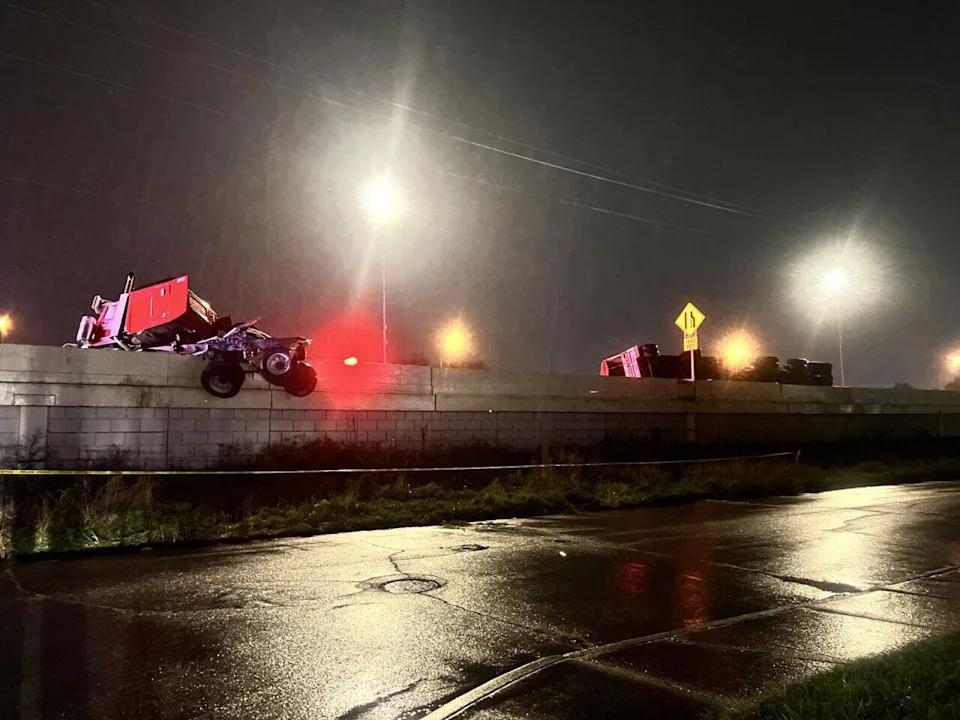
TOLEDO, Ohio — November 27, 2026 — A tractor-trailer carrying mail lost control during severe Thanksgiving weather in northwestern Ohio, leaving its trailer suspended between two elevated roadways and prompting an emergency response that disrupted traffic along Interstate 75 for several hours.
Surveillance footage released by the Ohio Department of Transportation captured the unusual accident near the Anthony Wayne Trail interchange in Toledo. Emergency personnel were confronted with a complicated recovery operation involving a heavy commercial vehicle, elevated highway structures and deteriorating weather conditions.
The incident occurred on Thursday, November 26, as families across the United States gathered for Thanksgiving and transportation companies prepared for the beginning of the Christmas shopping season. According to local television station WTVG, the truck was transporting mail when the driver lost control in windy and rainy conditions.
Beyond the immediate traffic disruption, the incident raised questions about the vulnerability of elevated highway infrastructure, the reliability of America's holiday delivery networks and the handling of mail involved in serious transportation accidents.
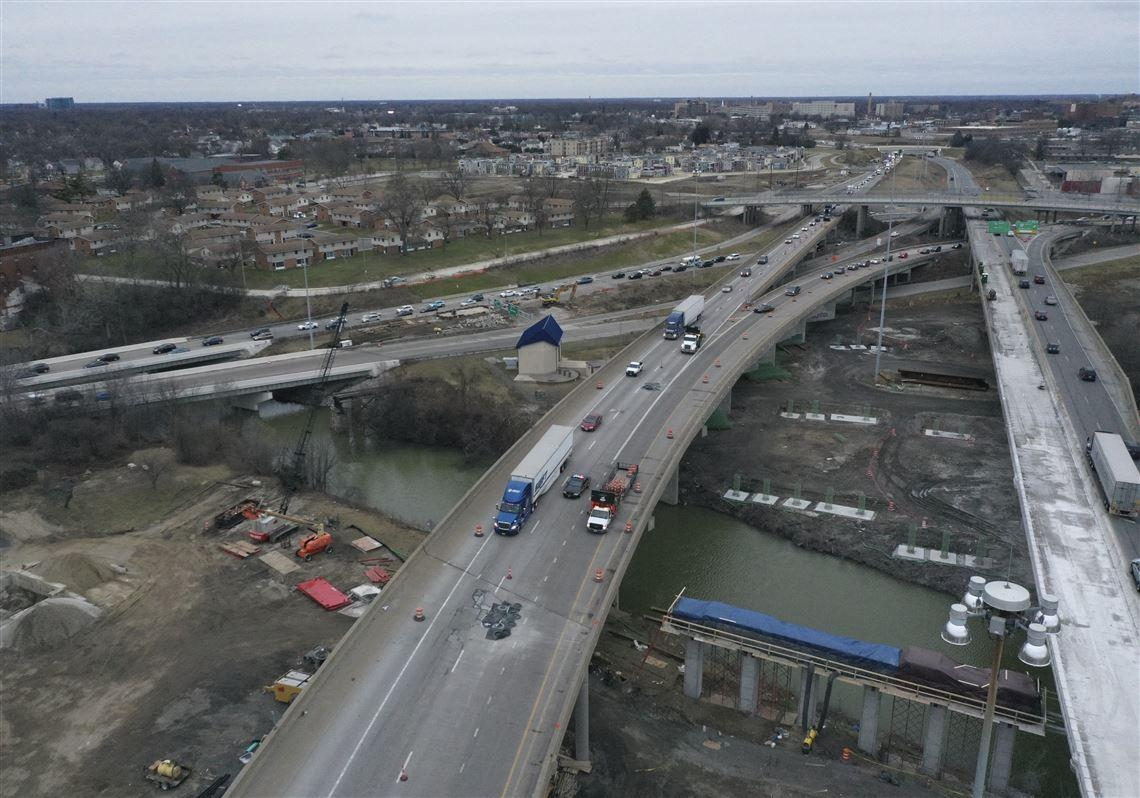
Interstate 75 serves as a major transportation corridor connecting communities throughout the eastern United States, carrying passenger vehicles, commercial freight and essential supplies between Michigan and Florida. In northwestern Ohio, the highway provides an important connection between Toledo, surrounding industrial communities and interstate transportation networks.
The Thanksgiving accident occurred near the interchange connecting northbound I-75 with Anthony Wayne Trail, where elevated roadways allow vehicles to transition between different sections of the regional highway system. Under normal circumstances, commercial vehicles pass through the interchange as part of their regular transportation routes.
However, Thursday's combination of rainfall, strong winds and reduced road traction created challenging conditions. Footage released by transportation authorities showed the tractor-trailer sliding before coming to rest across the space separating two elevated structures.
The unusual position of the vehicle complicated the emergency response. Rather than dealing with a conventional overturned truck resting on the roadway, recovery personnel faced a trailer extending across an open gap between highway structures. Any significant movement of the vehicle required careful consideration of its stability and the surrounding infrastructure.
Authorities established traffic restrictions to provide emergency personnel with sufficient space to work. The operation attracted considerable attention because of the unusual circumstances and its timing during a major national holiday.
Large tractor-trailers play a central role in America's transportation economy. They carry everything from groceries and industrial equipment to medical supplies, letters and merchandise purchased through online retailers. Their size and carrying capacity make them essential to national distribution networks, but those same characteristics can complicate emergency operations when accidents occur.
An interstate accident involving a passenger vehicle may obstruct one or more lanes temporarily. An incident involving a commercial truck can require additional space for emergency vehicles, specialized towing equipment and personnel responsible for evaluating the condition of the roadway.
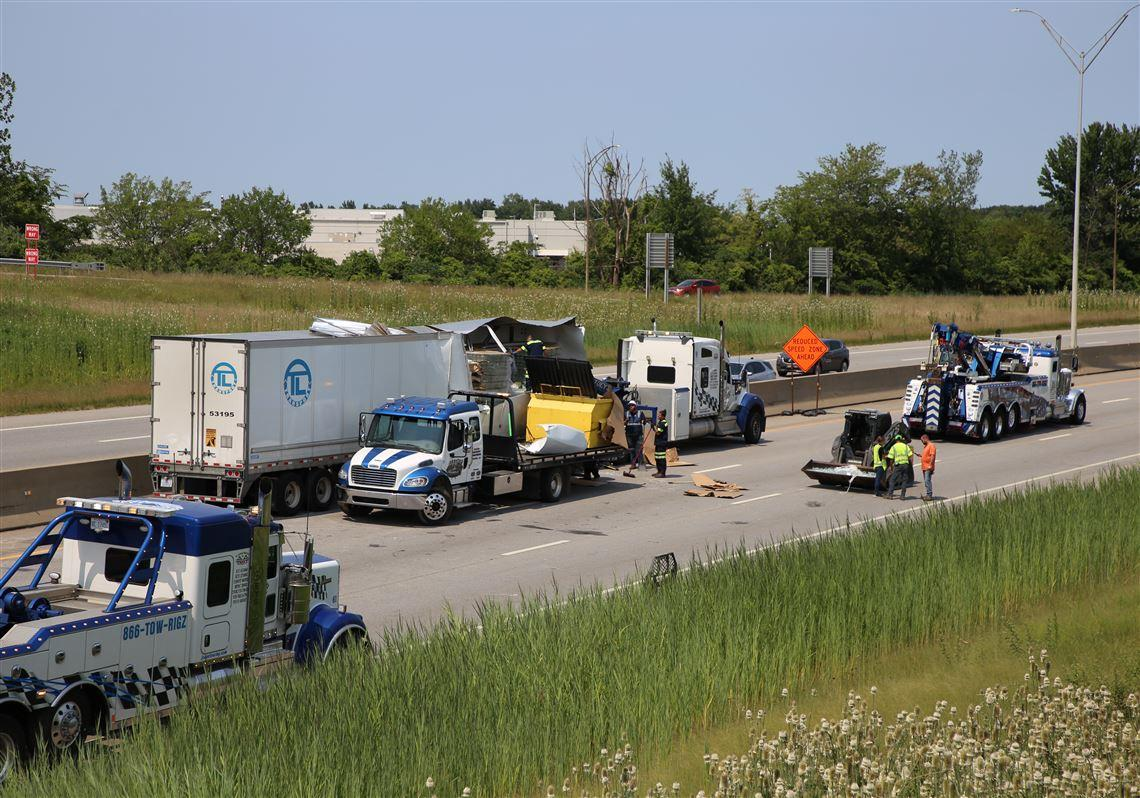
In Toledo, the position of the trailer created operational concerns affecting both the interstate and the connecting roadway. Emergency personnel needed to prevent additional vehicles from entering the recovery area while arranging equipment capable of safely removing the truck.
The initial restrictions eventually expanded to include a closure that allowed recovery equipment to be positioned near the vehicle. Northbound motorists were temporarily diverted toward South Avenue, changing the normal movement of traffic through the area.
The accident occurred during one of the busiest travel periods on the American calendar. In its November 16 forecast, the American Automobile Association projected that approximately 81.5 million Americans would travel at least 50 miles from home during the Thanksgiving holiday period.
Of those travelers, approximately 72.9 million were expected to make their journeys by car, representing nearly 90% of all projected Thanksgiving travel.
Commercial transportation companies also continue moving essential supplies during holiday periods. Distribution centers must coordinate shipments, maintain delivery schedules and prepare for the increase in online purchases associated with Black Friday and Cyber Monday.
Unexpected highway closures can create difficulties for both passenger vehicles and commercial operators. Drivers may encounter unfamiliar routes, increased journey times and additional fuel expenses. Commercial carriers may need to revise delivery schedules or communicate with receiving facilities about possible delays.
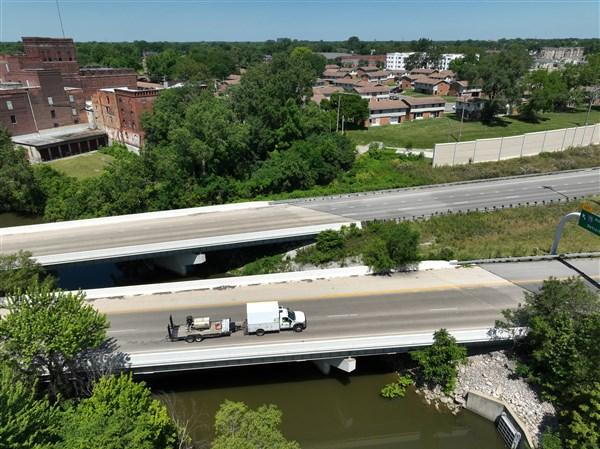
One of the most significant infrastructure questions following the Toledo accident concerns the condition of the elevated roadways involved. Highway bridges are designed to accommodate substantial vehicle loads, but an accident involving a tractor-trailer can place forces on structural components in ways that differ from ordinary traffic.
The Federal Highway Administration maintains national standards governing bridge safety inspections across the United States. These standards include procedures for assessing structural damage caused by unexpected events, including vehicle impacts and environmental emergencies.
Depending on the findings, transportation authorities may determine that a structure can remain open, requires repairs or needs temporary traffic restrictions.
For Toledo, the distinction between visible damage and structural damage is particularly important. Photographs and surveillance footage can illustrate the severity of an accident, but they cannot independently establish the condition of internal structural components.
Drivers traveling long distances may consume additional fuel when diverted onto alternative routes. Delivery companies can experience delays that interfere with scheduled arrivals at warehouses and distribution centers. Businesses depending on time-sensitive shipments may need to adjust their operations.
The costs can become more significant when road closures occur during busy commercial periods. Thanksgiving weekend marks the beginning of the Christmas shopping season, when retailers and transportation companies prepare for increased demand.
For a commercial carrier, a delay of several hours may affect more than a single vehicle's schedule. Trucks frequently operate within coordinated transportation networks in which shipments are transferred between facilities before reaching their final destinations.
A missed connection can require cargo to wait for another scheduled departure or be reassigned to a different vehicle. In some circumstances, a relatively brief interruption can result in a longer delivery delay.
However, modern freight networks also contain alternative transportation arrangements designed to accommodate unexpected disruptions. The extent of the financial impact therefore depends on whether carriers can redirect shipments without significant additional expenses.
 Commercial vehicles behave differently from passenger cars when traveling through strong winds and heavy rainfall. Their greater weight, larger surface area and articulated construction create distinct challenges when road traction deteriorates.
A tractor-trailer consists of separate connected sections that can move relative to each other. When traction is lost, the trailer may move out of alignment with the tractor, creating a situation commonly described as jackknifing.
Wet pavement can reduce the friction between vehicle tires and the road surface. Strong crosswinds may introduce additional forces, particularly when commercial vehicles travel across elevated structures that are more exposed to atmospheric conditions.
Highway interchanges can present further complications because vehicles must change direction while maintaining stability on curved roadways. The combination of weather, road geometry and vehicle characteristics may contribute to difficult driving conditions.
Emergency personnel identified wind and rain as circumstances surrounding the Thanksgiving accident. Nevertheless, a complete determination of its cause would require investigators to examine additional evidence, including the condition of the vehicle, roadway conditions and available surveillance recordings.
The incident serves as an example of how quickly ordinary commercial transportation can be interrupted during adverse weather, even when a driver is operating along an established interstate route.
Diesel fuel can make road surfaces slippery, potentially creating hazards for motorists and emergency personnel. If fuel enters drainage systems or nearby waterways, additional containment and cleanup measures may become necessary.
The environmental consequences depend on the quantity released, the location of the spill and the effectiveness of the response. A limited leak that is quickly contained may have relatively minor consequences, while a larger release could require more extensive environmental assessment.
The combination of rainfall and a fuel leak can complicate cleanup because flowing water may transport spilled substances away from their original location. Responders must therefore evaluate both roadway conditions and possible environmental exposure.
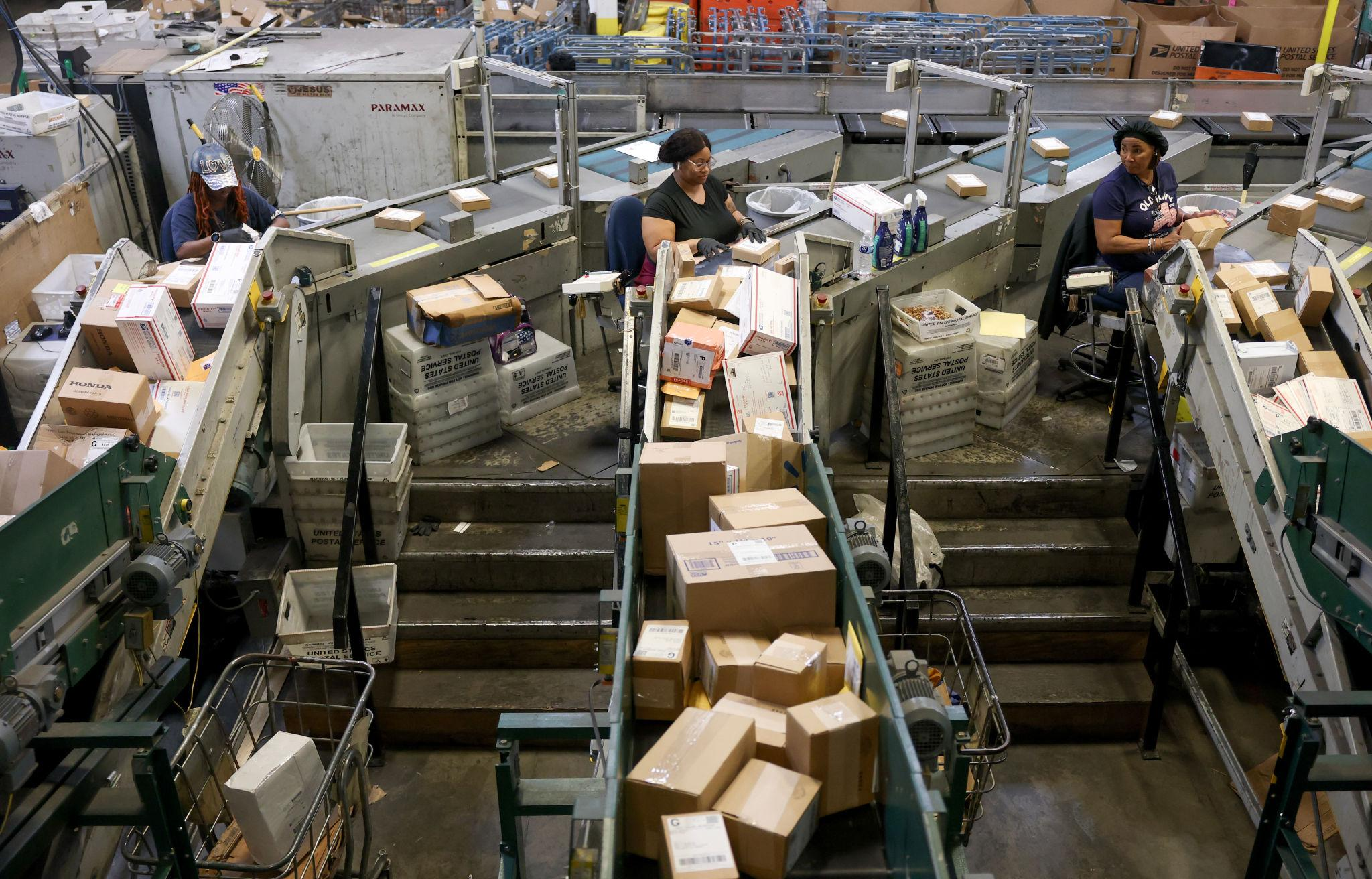
Unlike ordinary commercial freight, mail may contain thousands of individually addressed items intended for different households and businesses. A single trailer can transport a mixture of personal correspondence, online purchases, financial documents and other important deliveries.
When a vehicle transporting mail becomes involved in an accident, the condition of its cargo determines what arrangements may be necessary. Undamaged mail can potentially be transferred to another vehicle and returned to the transportation network. Damaged items may require additional examination, sorting or repackaging before delivery.
The condition of address labels is particularly important. Even when a package's external container is damaged, the shipment may remain deliverable if identifying information is intact and its contents can be safely handled.
More complicated situations arise when packaging is destroyed, contents become separated or addresses can no longer be read. In those circumstances, postal recovery procedures may become necessary.
These procedures provide a mechanism for recovering certain missing or damaged items. However, their applicability to the Toledo shipment depends on the condition and ownership of the cargo.
A commercial trailer used to transport mail can accommodate a substantial number of individual shipments. Unlike large industrial products, letters and small packages can be consolidated into containers and transported together, allowing a single vehicle to carry deliveries intended for many different recipients.
The actual number of items depends on the composition of the shipment. A trailer containing primarily letters could carry considerably more individual mail pieces than one transporting large parcels.
For perspective, a hypothetical shipment containing 10,000 individual items could represent correspondence and packages intended for thousands of separate addresses. If such a shipment required additional sorting after an accident, the recovery process could involve considerable administrative and logistical work.
However, there is no publicly released cargo manifest establishing that the Toledo tractor-trailer contained 10,000 items. Local authorities confirmed that the vehicle was carrying mail but did not disclose the number of letters, packages or their intended destinations.
The most important outstanding questions concern whether the trailer's contents remained intact, whether any items were damaged during the accident and whether the cargo was transferred to another vehicle.
Until the carrier provides additional information, the number of affected deliveries and the precise destinations of the shipment remain unknown.
The destination of recovered mail depends primarily on whether individual items remain identifiable and suitable for delivery. Mail with readable addresses could potentially continue toward its intended recipients after being transferred back into the transportation network.
Items requiring additional sorting may need to pass through a regional distribution facility. Damaged shipments could be separated for assessment, while items that cannot be delivered or returned may qualify for specialized recovery procedures.
USPS maintains its Mail Recovery Center in Atlanta, Georgia, where certain undeliverable items are examined to determine whether they can be reunited with their intended recipients or senders.
For customers expecting holiday deliveries, tracking information remains the most useful initial indicator of a shipment's status. USPS also provides procedures for initiating missing-mail searches and submitting eligible insurance claims when items are lost or damaged.
The immediate highway emergency was resolved Thursday afternoon. WTVG reported that crews returned the tractor-trailer to the roadway at approximately 3:45 p.m. The vehicle was subsequently removed by a tow truck around 4:30 p.m., with cleanup continuing until approximately 4:40 p.m.
Traffic began moving through the affected area again, and Toledo Fire and Rescue officials confirmed that nobody had been injured. The Ohio Department of Transportation indicated that Toledo Police would investigate the circumstances surrounding the accident.
https://www.cleveland19.com+1
The reopening reduced the immediate disruption facing holiday motorists. However, questions about potential infrastructure damage and the condition of the mail cargo remain separate from the successful removal of the vehicle.
For transportation officials, the priority is determining whether additional inspections or maintenance are required. For the company responsible for transporting the mail, the next steps may involve assessing the cargo and arranging onward delivery.
The Thanksgiving accident demonstrates how a single commercial vehicle can create simultaneous challenges for highway safety, emergency services and distribution networks.
With Christmas approaching, the reliability of those interconnected systems remains particularly important. Although the vehicle has been recovered and no injuries were reported, further information from investigators and the carrier will be needed to establish whether the incident caused lasting infrastructure damage or significant interruptions to holiday deliveries.
Comments (0)
Loading comments...
May You Like

TRUMP CALLS GDP FIGURE “FAKE” AFTER GOVERNMENT’S SCHEDULED REVISION

IOWA CRISIS — 150+ WITH LEAD AND MERCURY POISONING, 69 CRITICAL!

BANGCHAK REFINERY IN THAILAND SHUT DOWN, U.S. OIL PRICES JUMP 10%!

Latest Posts








Popular Posts



