
ICE TEST RULES IGNITE OUTRAGE: ONE OFFICER PASSED AFTER 32 ATTEMPTS
WASHINGTON — NOV 23, 2026 — A review of how U.S. immigration officers were prepared for their duties has brought renewed attention to training decisions made during a rapid expansion of federal enforcement.
The Department of Homeland Security oversees Immigration and Customs Enforcement, whose officers carry out immigration enforcement and removal operations in communities throughout the United States.
Questions about recruitment, preparation and oversight have followed the agency’s hiring drive as lawmakers and officials examine how new personnel are trained for encounters with the public.

The administration sought to expand the ICE workforce as part of President Donald Trump’s immigration enforcement agenda, with Congress providing substantial additional funding for the effort.
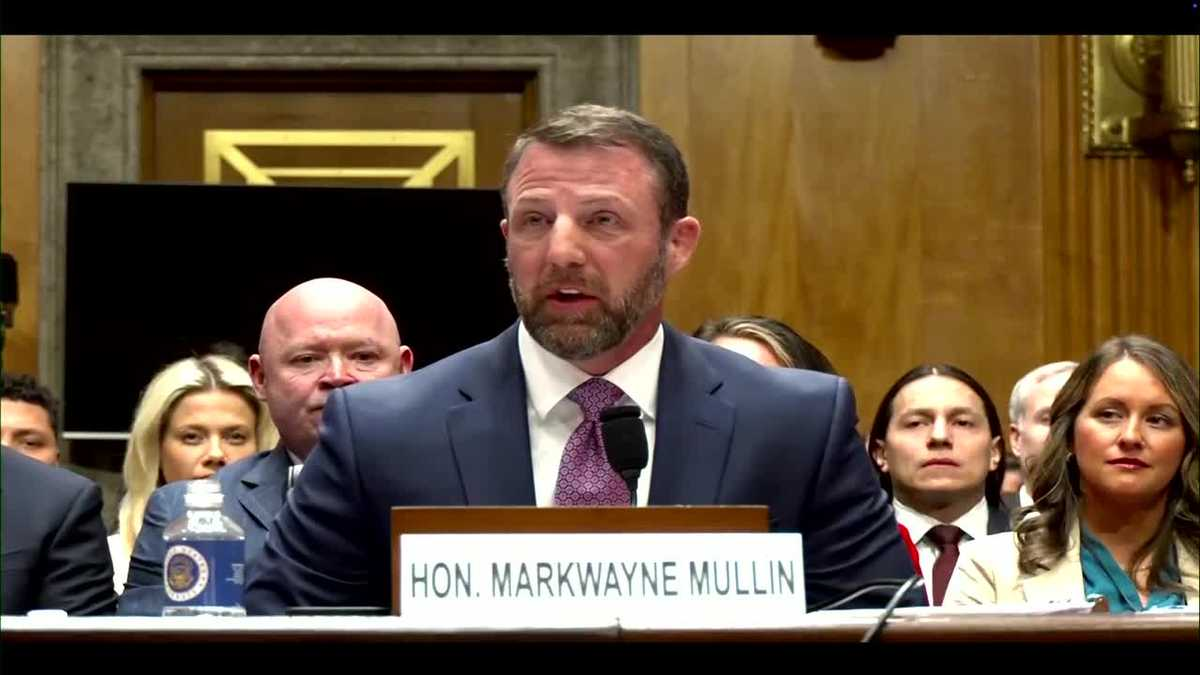
The hiring plan was pursued under former Homeland Security Secretary Kristi Noem, who was replaced in March by Markwayne Mullin, and the training period extended into Mullin’s tenure.
Historically, in-person instruction for new officers has covered subjects including firearms, de-escalation, use of force and techniques for determining a person’s immigration status.
The courses provide a foundation for officers whose responsibilities can include locating people sought for immigration enforcement and carrying out detention and removal operations.

Training also continues after the academy through supervised work in the field, where new officers are expected to build on classroom lessons with help from experienced coaches.
Earlier this year, former ICE attorney Ryan Schwank publicly raised concerns about changes to the training program, while the agency said instruction continued through monitored on-the-job work.
The issue reached Congress again on Nov 18, when lawmakers questioned Mullin about officer preparation and the administration’s handling of immigration enforcement.
Mullin told lawmakers that his department was having to undo decisions made before he became secretary, while DHS said it had moved to provide additional training.

ICE also said a significant share of officers brought in during the hiring surge had previous law enforcement experience and had already completed a police academy.
The department’s inspector general has reviewed the training changes, but the 19-page document obtained by The New York Times remains a draft that has not been finalized or officially released.
The draft did not assess whether reduced training contributed to specific incidents in the field, so its reported findings do not establish that any particular encounter resulted from inadequate instruction.
According to the draft, nearly 6,000 officers underwent a substantially shortened training model between approximately August 2025 and July 2026 during the effort to add 10,000 officers.
More than 3,500 recruits with prior law enforcement experience were allowed to take basic instruction online instead of attending roughly a month of in-person training, the draft said.
The review found that more than 10% of those officers finished the online course within 24 hours, while at least 5 completed it within 2 hours.
The draft also said ICE removed a rule limiting recruits to 2 attempts at a training test, allowing unlimited attempts, and recorded one officer passing on the 32nd try.

One instructor quoted in the draft called the rollback a “catastrophic failure,” while the document said restored standards from July had not fully addressed gaps left by the earlier changes.
Inspector General Joseph V. Cuffari’s office condemned the draft’s premature release before DHS could review it and provide formal comments, warning that disclosure could present incomplete or misleading information and compromise the fairness and accuracy needed for credible oversight of the department’s practices.
Comments (0)
Loading comments...
May You Like

IRAN WARNS WASHINGTON — HOW SERIOUS IS THE THREAT TO U.S. MILITARY BASES?


PENTAGON'S DECLASSIFIED UFO FILES — THE MYSTERY OF AN UNDERGROUND STORAGE PROJECT!












