
Ilhan Omar Reappears at Minneapolis Somali Mall After Federal Search — Who Was Standing Beside Her?
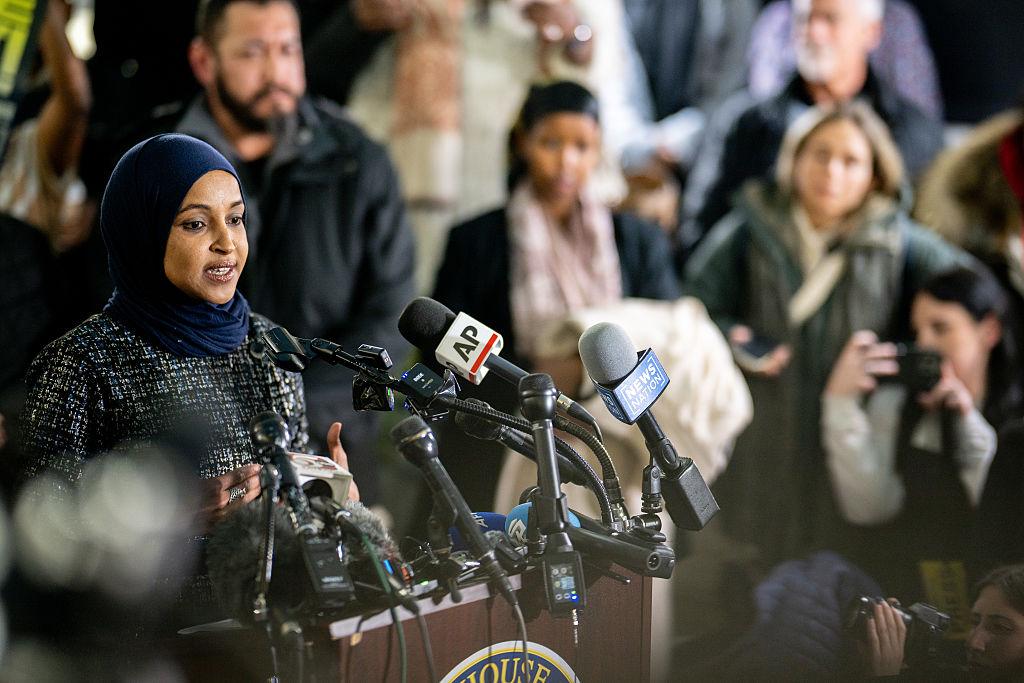
Representative Ilhan Omar has returned to the public spotlight after federal agents searched her Washington, D.C., residence, appearing at a well-known Somali business center in Minneapolis alongside prominent local figures. Her visit has sparked renewed political debate, with supporters emphasizing community solidarity and critics questioning the significance of the people surrounding her during a growing federal investigation.
The Minnesota Democrat appeared at Karmel Mall of Somalia on October 23, marking one of her first prominent public appearances following the October 12 search. The visit placed her in familiar territory: a community where many residents share her Somali heritage and where she has long maintained political and personal connections.
Among those present were Minnesota Attorney General Keith Ellison and mall owner Basim Sabri. Photographs of the gathering quickly attracted attention because of the ongoing investigation into immigration-related records associated with Omar and members of her family. But the presence of these individuals at a public lunch does not, by itself, establish any connection to the investigation.
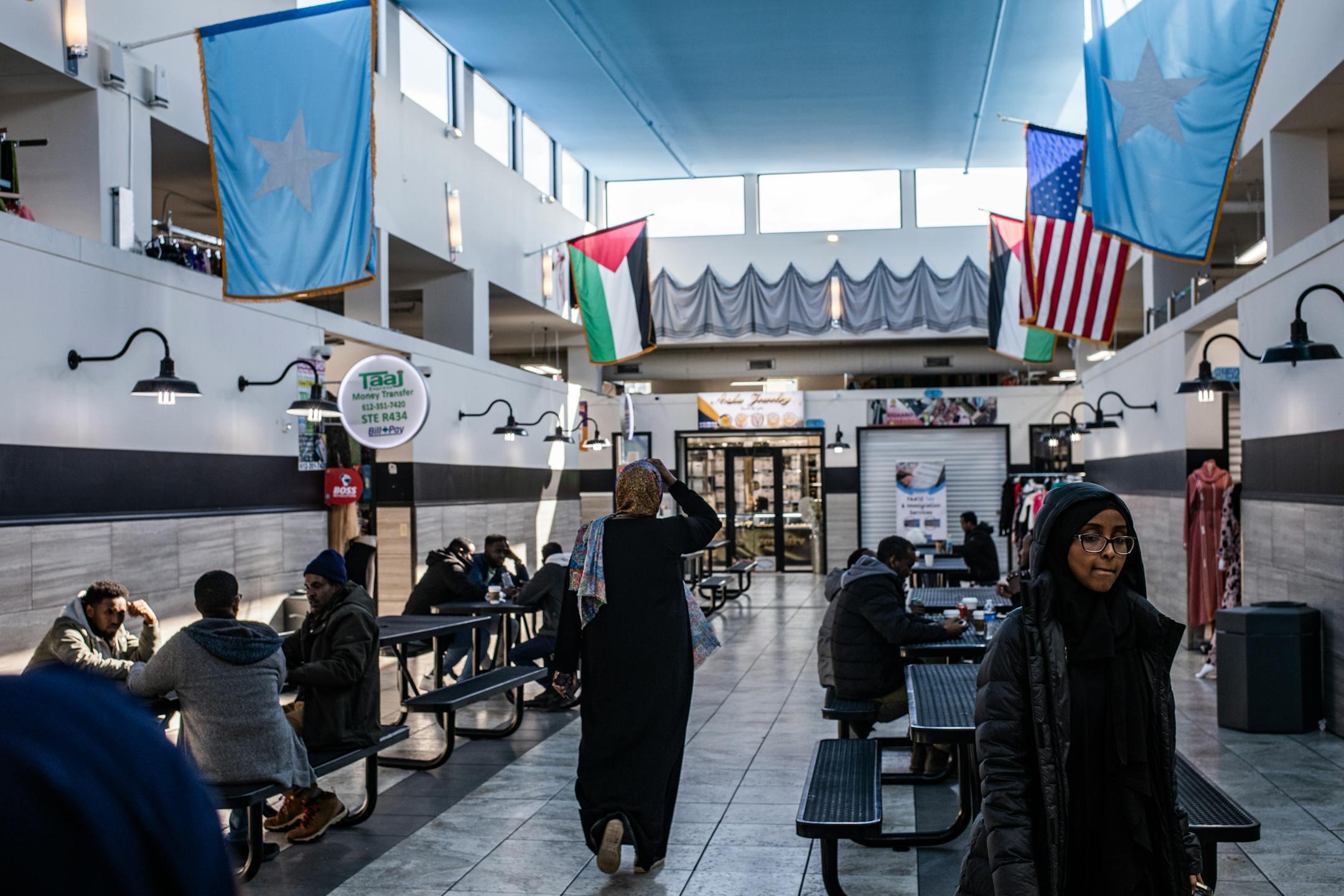
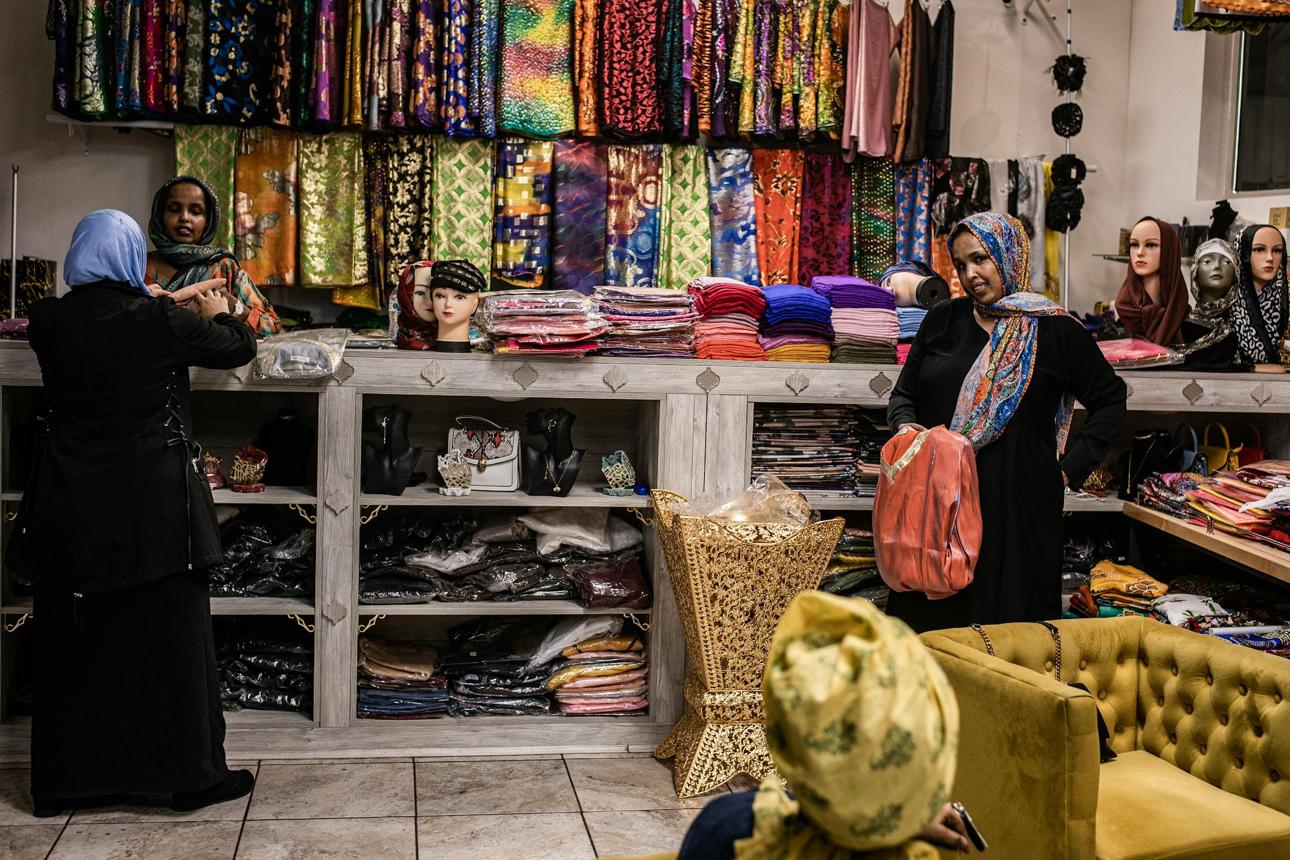
Karmel Mall is more than a conventional shopping center. Located in Minneapolis, it houses numerous small businesses, including restaurants, clothing shops, travel agencies, and money-transfer services. It serves as a commercial gathering place for members of the Somali community and other local residents, with many businesses maintaining connections to East Africa.
The mall's owner, Basim Sabri, described the complex as an environment where entrepreneurs can establish businesses, develop customer bases, and eventually expand elsewhere. Its shops and dining area reflect the cultural and economic networks that have helped shape parts of Minneapolis over several decades.
The term “Somali safe haven,” used in the headline surrounding Omar's appearance, is an attention-grabbing description rather than an official designation. The mall is a commercial venue, and its Somali identity does not imply that it is sheltering anyone from law enforcement. There is no publicly established evidence that the mall was involved in the federal investigation.
Omar's appearance also highlighted the political importance of Minnesota's Somali American community. The state is home to one of the largest Somali diaspora populations in the United States, and Minneapolis has become an important center for Somali-owned businesses, civic organizations, and political participation.
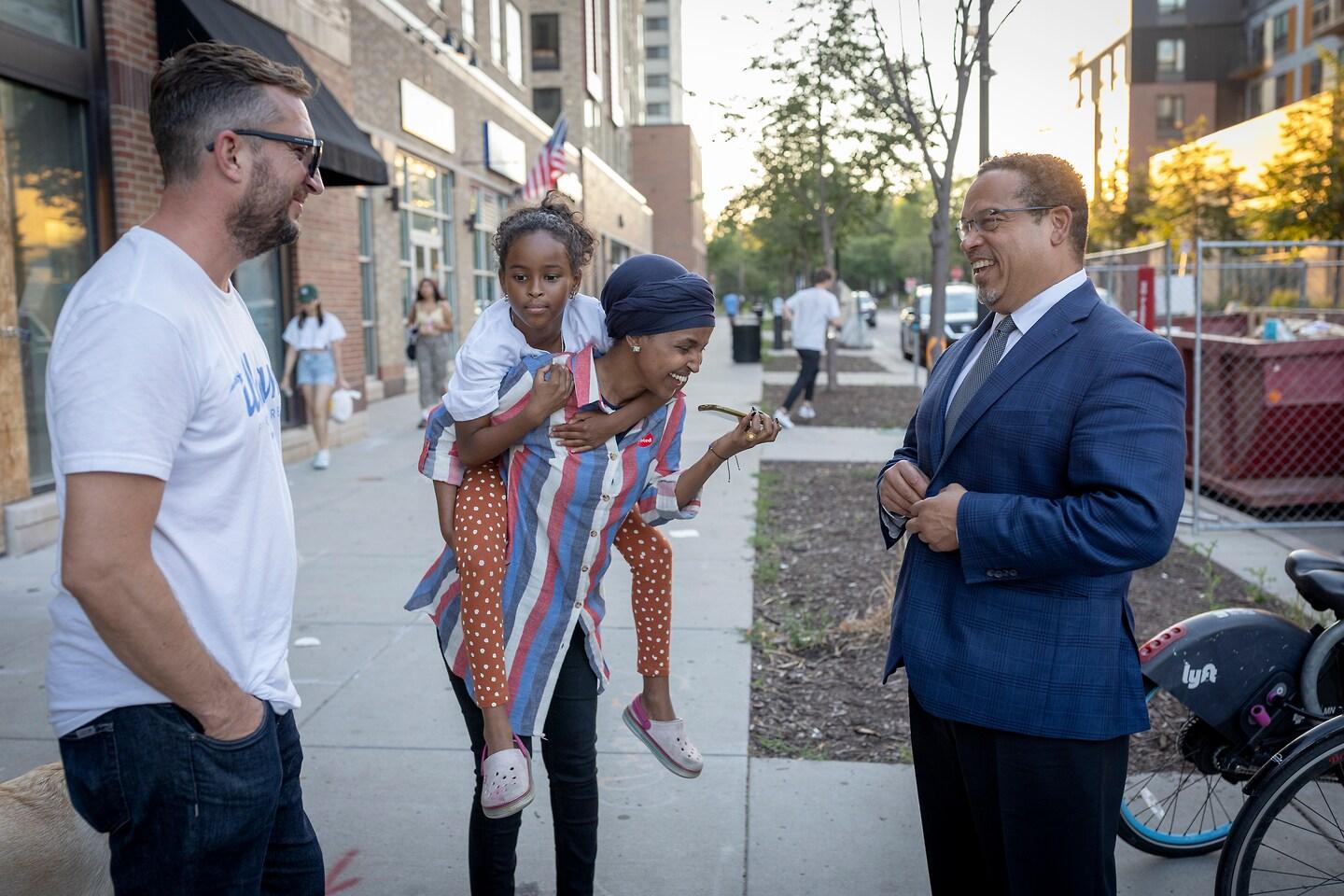
Ellison's presence drew particular interest because he is Minnesota's attorney general and a prominent Democratic figure. However, his appearance alongside Omar at a community gathering does not indicate that he is directing or participating in the federal investigation. State and federal law-enforcement responsibilities are distinct, and no evidence has been presented showing that the lunch was connected to the case.
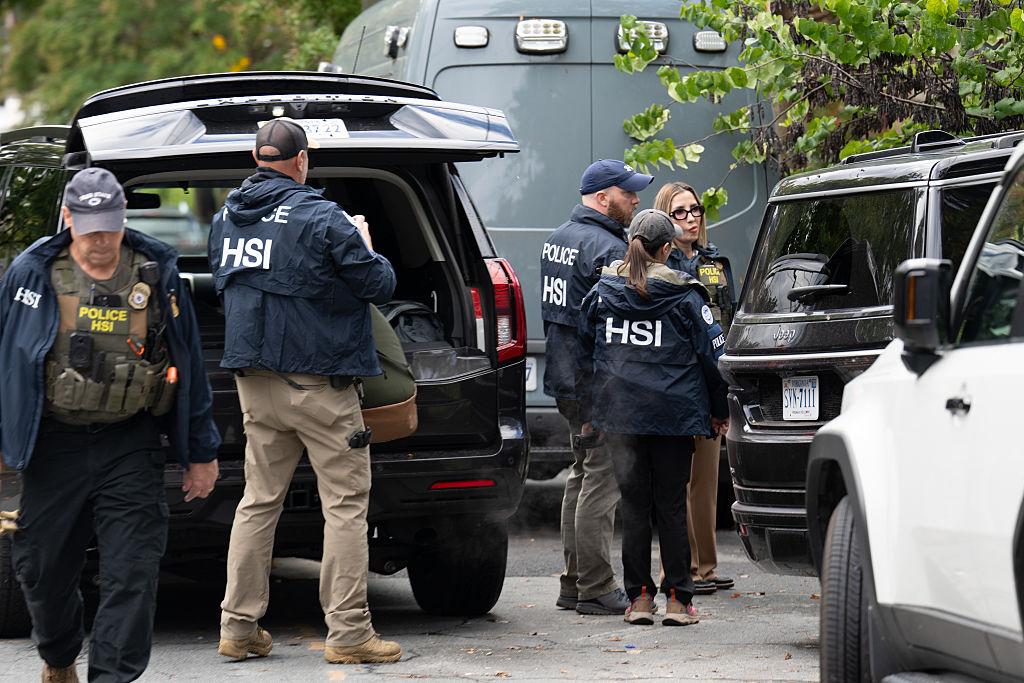
The gathering came less than two weeks after federal agents executed a court-authorized search warrant at a residence associated with Omar in Washington, D.C. The Justice Department described the operation as part of an ongoing federal criminal investigation. Agents reportedly removed materials for examination, while officials withheld much of the underlying evidence from public view.
Reports have indicated that investigators are examining allegations involving immigration paperwork and information connected to Omar's family history. The claims concern events dating back decades, making the legal and factual questions complex. Omar has repeatedly denied wrongdoing and described the investigation as politically motivated.
At this stage, the distinction between an investigation and a proven offense remains essential. A judicially authorized search permits investigators to seek specified evidence, but it does not establish that the person associated with the property has committed a crime. Prosecutors must evaluate the evidence and determine whether any charge can be supported under the law.
The timing of the search has also become controversial. Omar is seeking reelection in Minnesota's Fifth Congressional District, and the search occurred only weeks before the November 3 midterm elections. Democrats have questioned whether such a high-profile investigative action so close to an election could affect public perceptions of the candidate.
President Donald Trump has criticized Omar repeatedly over the years, making the investigation politically sensitive. Trump said he had nothing to do with the search and that the matter was for the Justice Department to handle. His longstanding hostility toward the congresswoman has nevertheless fueled debate about whether the investigation is being viewed through a partisan lens.
Omar's supporters argue that she should be able to continue representing her constituents without being presumed guilty because of allegations under investigation. Critics counter that elected officials should be subject to the same scrutiny as anyone else when credible questions arise. Both accountability and due process are central to resolving such disputes fairly.
The Justice Department has also asked a federal judge to keep the search-warrant application sealed for now, arguing that disclosure could jeopardize an active investigation. Media organizations have sought access to the documents, contending that the public has a legitimate interest in understanding the basis for the search. A court decision could eventually reveal more about the scope of the inquiry, although some information may remain confidential.
Sabri's own background has added another dimension to coverage of the visit. He is a prominent local property owner and businessman who has longstanding connections in Minneapolis. Public reporting has also documented a past federal bribery conviction. That history is relevant to understanding his public profile, but it does not establish any wrongdoing by Omar or demonstrate that his business is involved in her current legal situation.
The mall's role as a community meeting place also matters. Public figures often visit businesses, restaurants, and cultural centers where they have supporters and personal relationships. Photographs of Omar speaking with local residents or eating with acquaintances can document where she went and whom she met, but they cannot establish the purpose of a federal investigation or prove that anyone present has engaged in unlawful conduct.
For Omar, the appearance may have been an opportunity to reconnect with supporters and demonstrate that the investigation has not driven her out of public life. Her political future, however, will depend on more than photographs or public appearances. Voters will judge her record and campaign, while any legal questions will be determined through the investigative and judicial process.
The broader stakes extend beyond one congresswoman. The case has raised questions about immigration enforcement, the treatment of naturalized citizens, the independence of federal law enforcement, and the effect of politically charged investigations during election season. Those issues deserve careful examination without assuming that the government's suspicions are necessarily correct or that the investigation is necessarily improper.
The next meaningful developments will come from verifiable evidence and official decisions: whether prosecutors file charges, whether the court releases any warrant materials, and whether investigators explain the allegations more fully. Until then, the appearance at Karmel Mall is best understood as a public visit amid a serious and unresolved political controversy—not proof of a hidden arrangement or an escape from the law.
In the end, the most revealing question is not simply who stood beside Ilhan Omar at lunch. It is what the federal investigation can actually establish, how transparently the legal process proceeds, and whether the evidence supports any formal action. Until those questions are answered, the headline may generate attention, but the facts remain more important than the insinuations.
Comments (0)
Loading comments...
May You Like


WEYMOUTH HORROR—80-MPH WIND GUSTS, FIRE TRUCK FLIPS, 3 FIREFIGHTERS CRITICAL!

FLORIDA AIRBNB NIGHTMARE — 50 TEENS, 7 SHOOTING VICTIMS LINKED TO “SHOTS AT THE DOOR”!









Popular Posts





