
IOWA ARMY EXPLOSIVES PLAN FACES FURY AS RESIDENTS DEMAND ANSWERS ABOUT YEARS OF STORAGE
MIDDLETOWN, IOWA — NOV 21, 2026 — A dispute over aging material at an Army ammunition plant has left nearby residents waiting for answers about a federal plan and its potential effects.
The installation near Burlington has operated for decades, and the current controversy has brought military officials, environmental groups and local leaders into an increasingly urgent public debate.
Residents want to know how the material was stored, what officials knew about its condition and which safeguards would apply before any final decision on the future of the stockpile.
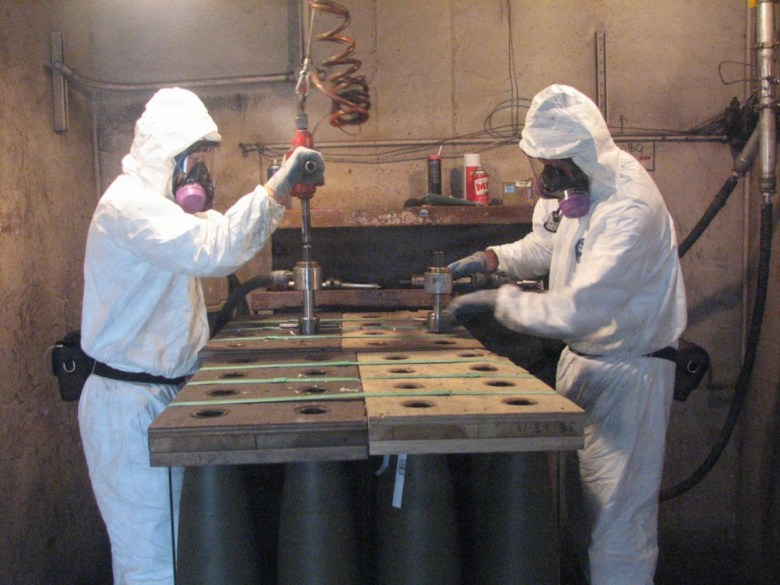
The material at issue is lead azide, a sensitive explosive used in ammunition detonators that also contains lead, a toxic metal that can threaten health when exposure occurs.
According to the Army, a safety review in March found that the stockpile had degraded and crystallized, creating a risk that it could explode unexpectedly.
The supply had been stored for approximately 20 years, and reporting described an evaporated liquid mixture that had previously helped prevent crystals from forming in the drums.
Officials assembled specialists in explosives, engineering and environmental safety to evaluate the situation, while residents and local authorities sought more information about what might happen next.
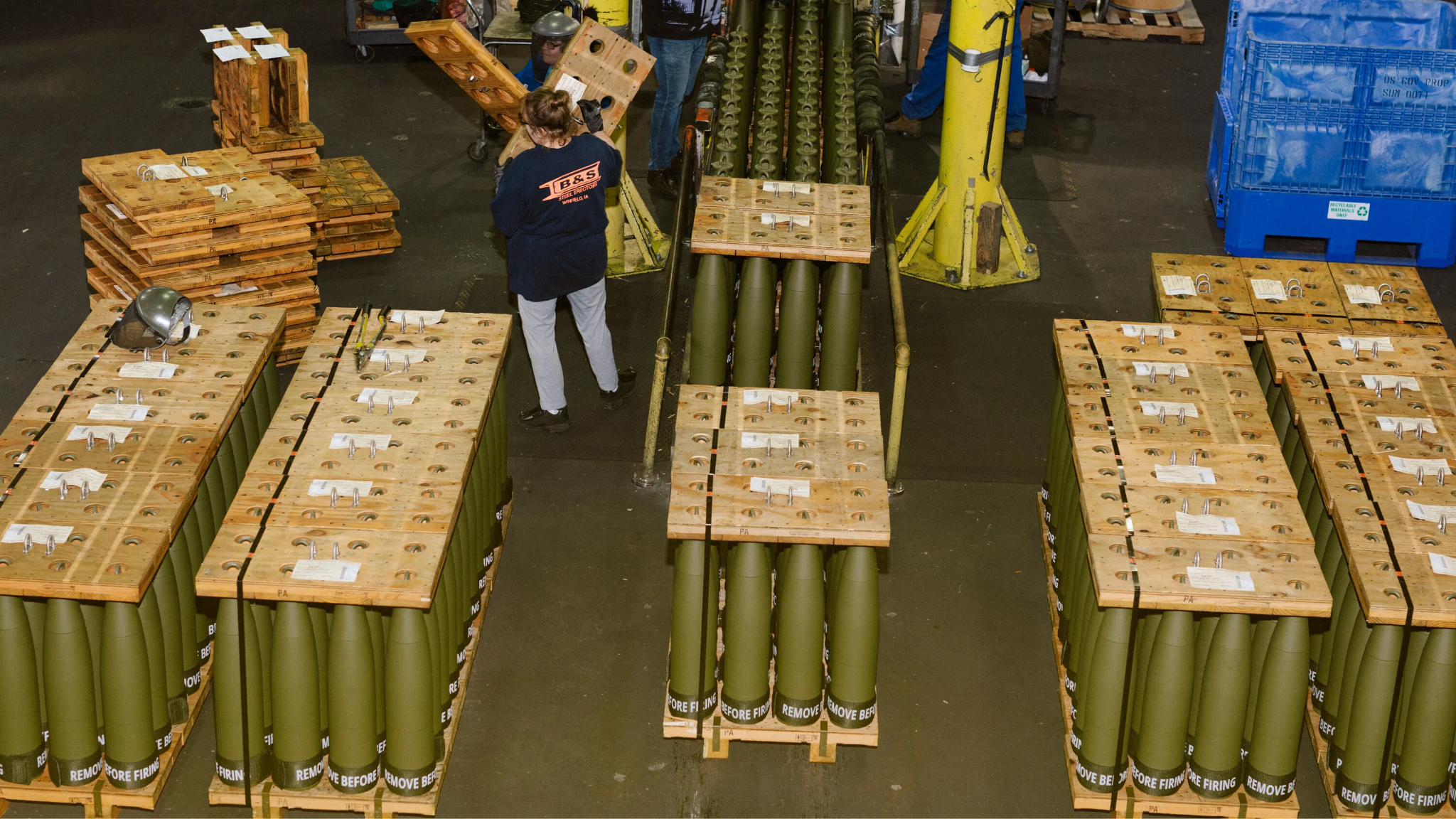
The Army held an open house in October, but environmental advocates say many people in communities potentially affected by the operation learned of the proposal too late.
An Environmental Protection Agency emergency permit issued on November 13 authorized treatment at the site, and the Army initially scheduled the operation for November 20.
The Army postponed that date to November 23 after public concern and requests from elected officials, including Iowa Governor Kim Reynolds, for more time to assess the plan.
In a possible records review, local representatives could examine inspection histories, maintenance records and past decisions about storage to establish how the danger developed over time.
Community concerns include whether lead particles could settle on homes, farmland and water, with the extent of any release depending on the operation and weather conditions.
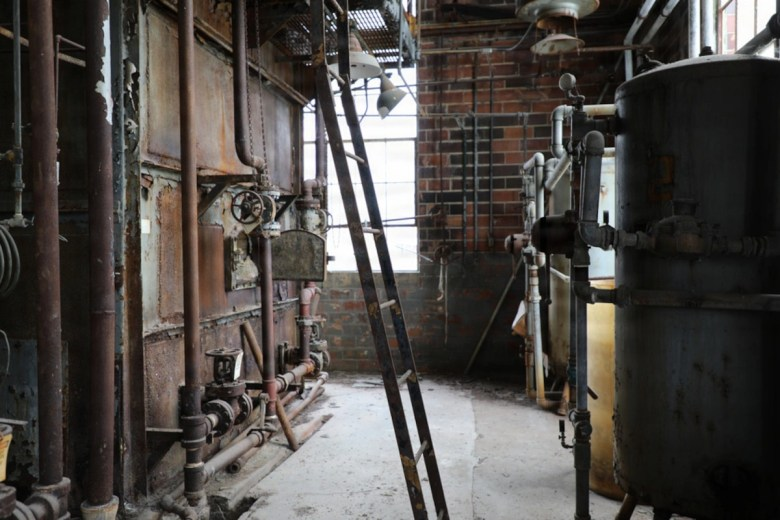
Environmental groups also want clearer information about monitoring and cleanup, arguing that residents need enough time to understand the potential consequences and prepare for the operation.
On November 19, the Iowa Environmental Council and the Sierra Club’s Iowa chapter asked a federal appeals court to halt the emergency permit while their challenge proceeds.
The court temporarily stayed the permit, but federal lawyers later noted that regulations may allow treatment without a permit in a qualifying emergency, leaving the next step uncertain.
The stockpile consists of 68 drums holding approximately 9,500 pounds of deteriorating lead azide, and the Army proposed destroying the material through two controlled detonations in place.
The Army says moving the drums or handling them for chemical treatment could trigger an accidental explosion, while leaving the material untreated also presents a continuing risk.
Officials concluded that controlled detonation, with protective measures, presented the lowest available risk, and Acting Army Secretary Adam Telle warned that colder temperatures could make the material less stable.
Environmental groups dispute the adequacy of the alternatives review and say the proposed blasts could spread lead dust beyond the plant, including into neighboring communities and agricultural areas.
The answer is that the Army chose an explosion to reduce the danger of an uncontrolled blast during handling or storage, while the court considers the permit and opponents press for further review.
Comments (0)
Loading comments...
May You Like

10,000 CIA AND U.S. SPY RECORDS LEAKED—3 INTELLIGENCE AGENCIES ORDER EMERGENCY REVIEWS!

PUTIN RAISES LUKOIL DEAL WITH TRUMP’S ENVOYS AS UKRAINE PEACE TALKS CONTINUE

ELON MUSK'S MILLION-SATELLITE MEGAPROJECT — THE NEXT FRONTIER OF AMERICAN SPACE POWER?














