
IOWA CATASTROPHE—150+ POISONED BY LEAD AND MERCURY. 69 CRITICAL. 50+ RADIOACTIVE CONTAMINATION CASES!
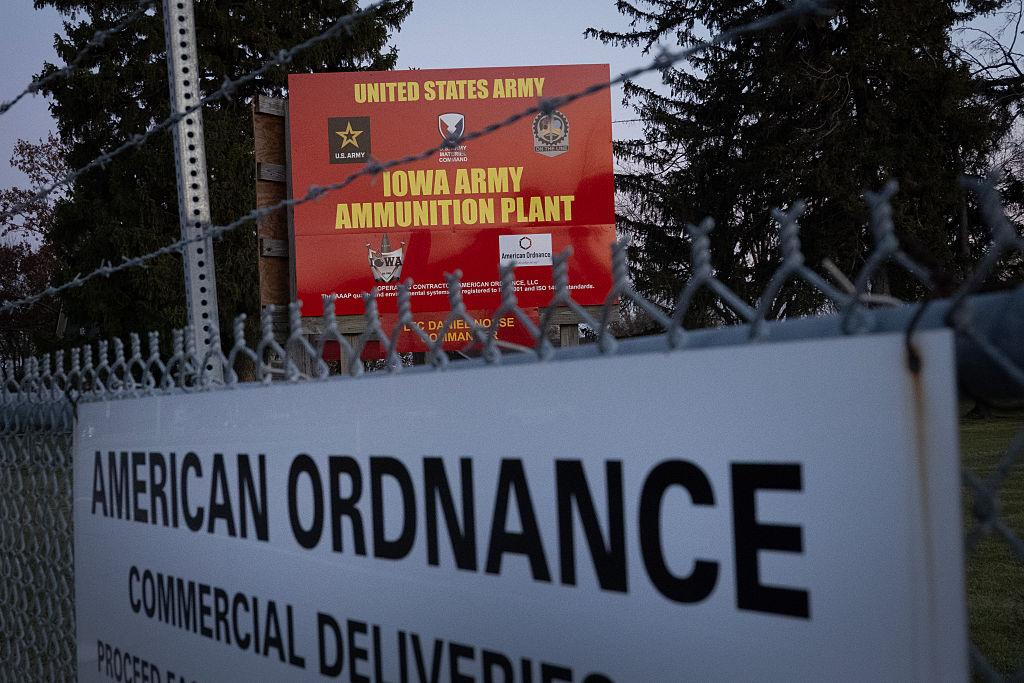
MIDDLETOWN, Iowa — November 27, 2026 — A controversial military operation involving nearly five tons of deteriorating hazardous material at the Iowa Army Ammunition Plant has brought environmental safety and public health into national focus, as federal authorities continue investigating conditions in surrounding communities following Wednesday's controlled detonation.
The operation sent clouds of smoke and debris above the military installation just one day before Thanksgiving, following an extensive emergency planning effort involving federal agencies, environmental specialists and local authorities. Residents in potentially affected areas had been advised to temporarily relocate while emergency personnel prepared for the destruction of the unstable chemical inventory.
The Environmental Protection Agency has deployed personnel and laboratory resources to examine air quality, residential surfaces, agricultural soil and water supplies. The investigation is intended to determine whether hazardous substances escaped the military installation and reached areas where people live, work and raise their families.
While initial federal assessments have provided some reassurance, the broader environmental investigation raises questions that cannot be answered through immediate air monitoring alone. The condition of residential properties, agricultural land and drinking water supplies will remain important as additional laboratory results become available.
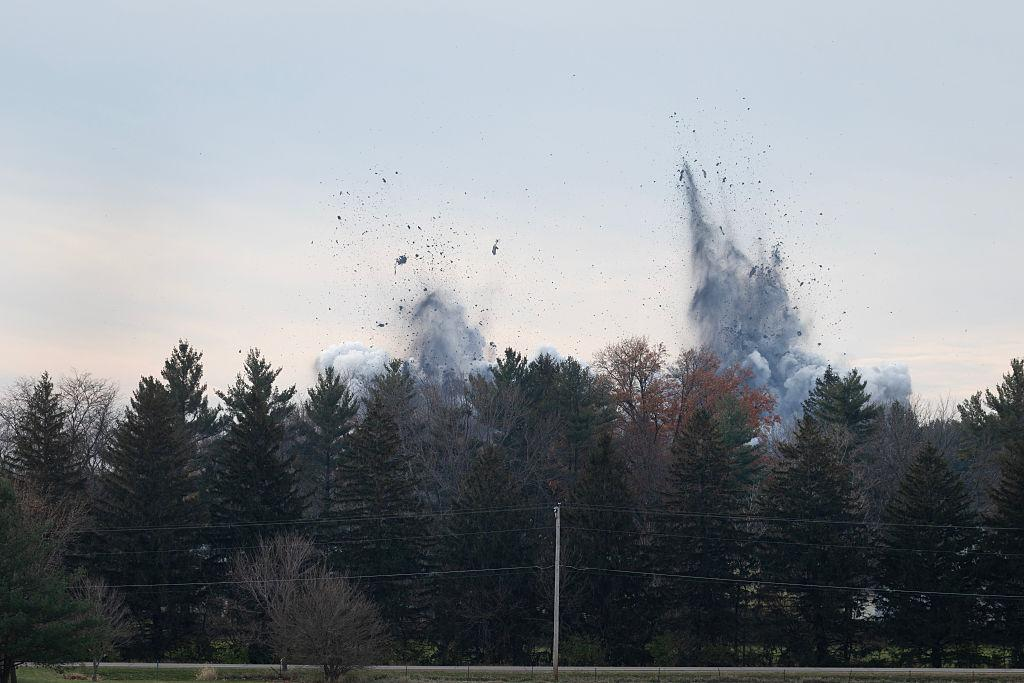
The circumstances leading to the November operation began months earlier, when military inspectors discovered that a stockpile of lead azide stored at the Iowa Army Ammunition Plant had deteriorated. The chemical had been held at the installation for decades, and changes in its physical condition created concerns about the safety of continued storage.
Military specialists evaluated several possible approaches to eliminating the hazardous material, including chemical treatment and transportation to another facility. According to the Army, those alternatives presented unacceptable safety risks because of the unstable condition of the stockpile. Officials ultimately selected a controlled disposal operation at the military installation.
The decision placed federal authorities in a difficult position. Leaving the deteriorating material in storage carried the possibility of an uncontrolled accident, while destroying it raised concerns about the release of hazardous particles into the surrounding environment.
The Environmental Protection Agency issued an emergency authorization for the operation on November 13. The permit established requirements governing the treatment of the hazardous material and the environmental response associated with its destruction.
For residents of southeastern Iowa, however, the central concern extended beyond the immediate military emergency. Families wanted to know whether their homes, agricultural properties and drinking water supplies could remain safe after the operation.
Lead is a toxic metal capable of affecting multiple systems within the human body. Unlike many environmental contaminants that can break down through biological or chemical processes, lead can remain in soil and sediment for extended periods.
Human exposure can occur through inhalation of contaminated particles or ingestion of contaminated dust, soil, food and water. The potential health consequences depend on the concentration of lead, the duration of exposure and the characteristics of the individuals involved.
Children are particularly vulnerable because their brains and nervous systems are still developing. The Centers for Disease Control and Prevention has emphasized that no blood lead concentration has been established as completely safe for children. Even relatively low levels of exposure may have consequences for development, learning and behavior.
Adults may also experience adverse health effects following significant or prolonged exposure. These can involve neurological, cardiovascular and kidney-related complications.
This distinction is fundamental to understanding the actual public health consequences of the Iowa
One of the most important questions facing investigators concerns the relationship between hazardous substances detected in the environment and actual cases of human poisoning.
Environmental contamination refers to the presence of potentially harmful substances in air, soil, water or other materials. Human exposure occurs when individuals come into contact with those substances through inhalation, ingestion or another pathway. A diagnosis of poisoning involves a separate medical assessment.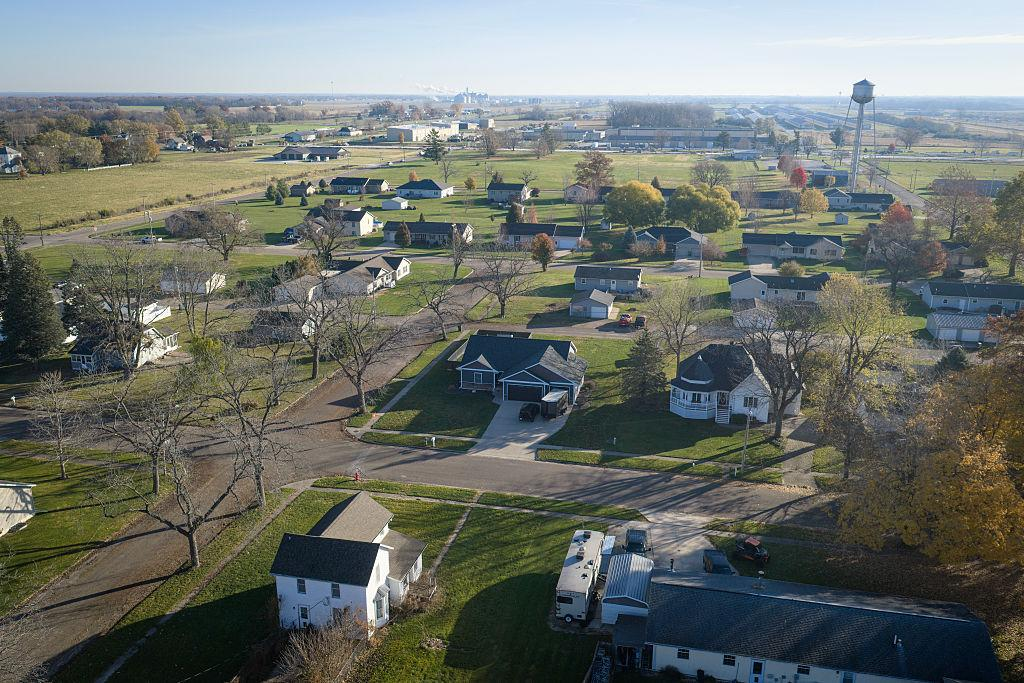
Medical professionals generally require information about an individual's exposure history, symptoms and appropriate laboratory findings before establishing a diagnosis.
For this reason, determining whether a community has experienced widespread poisoning requires both environmental investigations and reliable clinical data. Hospital admissions, laboratory-confirmed exposure measurements and assessments by public health authorities are particularly important.
The number of environmental samples collected cannot be interpreted as the number of residents poisoned. Nor can precautionary medical consultations be treated as confirmed cases of severe illness.
The EPA's investigation involves multiple categories of environmental testing, each designed to address a different potential exposure pathway. Air monitoring evaluates particles present in the atmosphere, while surface sampling examines material that may have settled on buildings, outdoor equipment and other objects.
Soil testing provides information about possible contamination of residential gardens, agricultural properties and recreational areas. Water sampling examines whether hazardous substances may have entered waterways or drinking water infrastructure.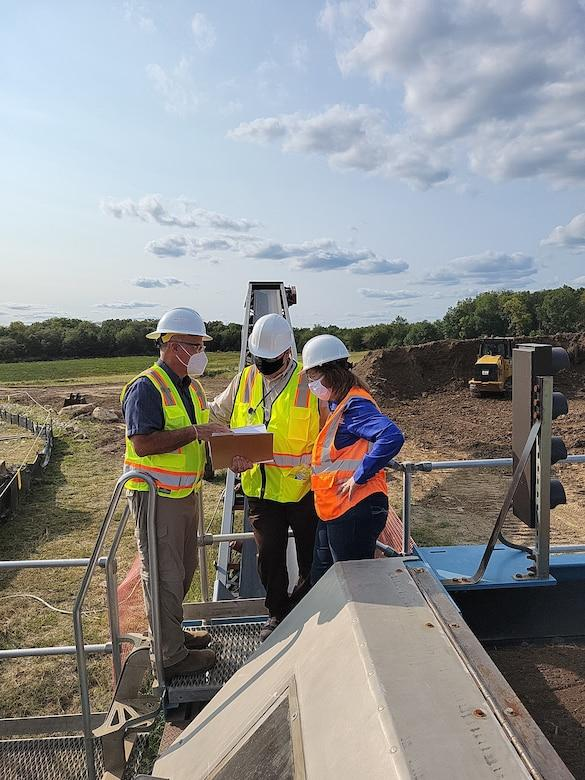
Establishing conditions before the military operation is particularly important because lead can already exist in the environment from historical industrial activity, older buildings and other sources. Without baseline measurements, investigators may encounter difficulties determining whether contamination detected after the event originated from the detonation.
Comparing samples collected before and afterward allows specialists to examine whether concentrations have changed. Repeated measurements may also provide information about the distribution and persistence of contaminants.
The investigation's effectiveness will depend on where samples are collected, the sensitivity of laboratory equipment and the quality of the analytical procedures used to evaluate them.
A comprehensive assessment must therefore examine more than a single set of air-monitoring results.
The Iowa Army Ammunition Plant is situated near communities where agriculture, residential development and local businesses are closely connected. For many households, concerns about environmental contamination extend beyond personal health to the condition of their property and long-term financial security.
Potential contamination of agricultural land can create complicated questions involving crop production, livestock health and the commercial value of agricultural products. Farmers may require additional testing before determining whether soil or water conditions have changed.
Lead can persist in soil and accumulate in certain environmental materials. Its movement depends on factors such as soil composition, acidity, moisture and the characteristics of the particles involved.
The presence of lead in soil does not necessarily mean that every crop grown there becomes unsafe. Different plants interact differently with contaminants, and exposure may occur through particles deposited directly onto edible surfaces as well as through other environmental pathways.
Livestock operations present additional considerations because animals may encounter contaminants through soil, drinking water or feed.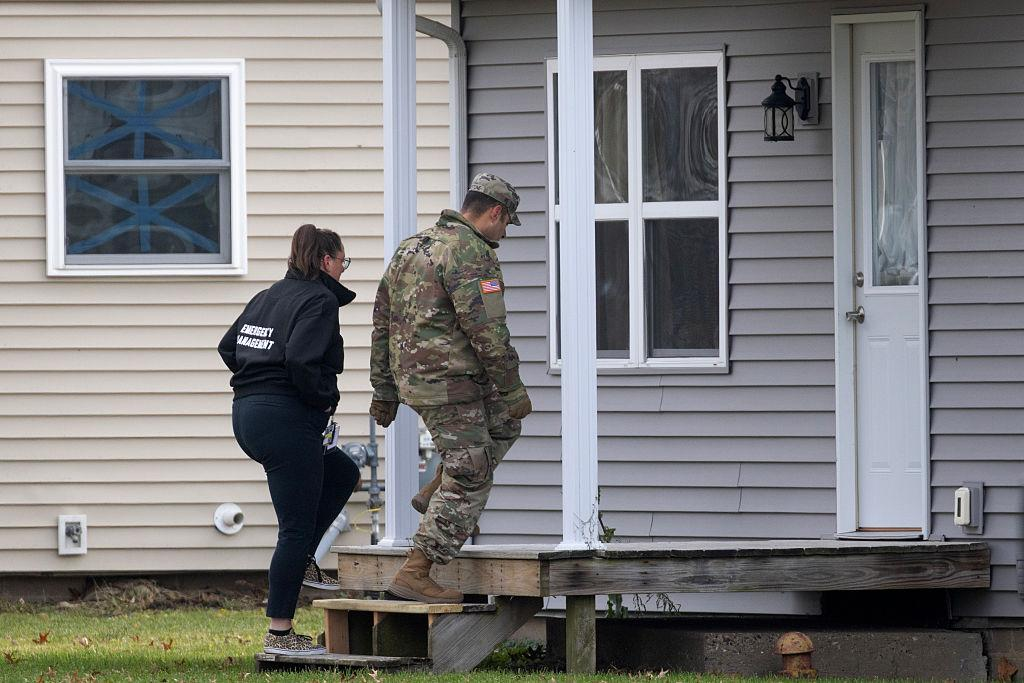
Federal environmental personnel have been working with the U.S. Department of Agriculture to examine conditions at nearby farms. Those assessments could become important in determining whether agricultural restrictions, additional testing or remediation measures are necessary.
The Mississippi River watershed represents another important component of the environmental investigation. Communities throughout the region depend on connected water systems for drinking water, agriculture, industrial activities and recreation.
Lead frequently interacts with sediment and soil particles. Consequently, evaluating its presence in waterways can require examination of both water and sediment under appropriate sampling conditions.
Drinking water facilities may also face different challenges depending on their treatment systems and water sources. Public utilities operate under established monitoring requirements, while private well owners often depend on individual testing arrangements.
The EPA has collected samples throughout portions of the Mississippi River watershed and examined drinking water intake locations identified within its preliminary atmospheric dispersion model.
The resulting laboratory measurements will help determine whether the operation affected water quality and whether additional monitoring or treatment is warranted.
For communities downstream, the most meaningful evidence will come from measured contaminant concentrations rather than the geographical extent of a potential dispersion model.
Mercury is a different metallic element with distinct chemical and toxicological properties. Establishing mercury contamination would require evidence that mercury was present in materials affected by the operation and that it subsequently entered the environment.
Radioactive contamination represents another separate category of environmental hazard. It involves radioactive substances capable of producing ionizing radiation, rather than the conventional chemical toxicity associated with ordinary lead exposure.
The Iowa Army Ammunition Plant does have a documented history involving radiological environmental restoration. Historical activities associated with the former Atomic Energy Commission resulted in investigations and remediation efforts under the Formerly Utilized Sites Remedial Action Program, commonly known as FUSRAP.
The U.S. Army Corps of Engineers has published environmental reviews addressing historical radiological contamination at designated portions of the installation. A five-year review completed in 2024 examined those legacy environmental conditions.
The Iowa Poison Control Center issued guidance ahead of the operation, explaining that lead poisoning generally develops following exposure over an extended period. Its medical specialists emphasized that brief exposure rarely constitutes a medical emergency and that environmental sampling would help inform subsequent testing decisions.
The organization recommended that people concerned about possible exposure consult their healthcare providers regarding the need for blood lead testing. Young children and pregnant individuals were identified as populations requiring particular attention.
For public health authorities, identifying a potential increase in exposure across an entire community would require systematic medical information. Investigators would need to distinguish new cases from previously existing exposure and examine whether any increase could reasonably be associated with the military operation.
The environmental investigation has highlighted the importance of transparency when government institutions undertake hazardous industrial operations near residential communities.
Public confidence depends partly on whether residents can access understandable information about environmental measurements, sampling locations and laboratory findings. Numerical results are most useful when accompanied by explanations of their significance and limitations.
The most important quantitative update was released by the EPA on Thanksgiving Day, November 26. According to the agency, continuous regional air monitors had recorded no detectable airborne lead following the controlled detonation.
Federal personnel had collected 1,591 environmental samples before the operation and more than 1,000 afterward. Approximately 300 EPA personnel and contractors participated in the response, and more than 130 previously examined structures underwent additional sampling.
The agency indicated that the first post-detonation laboratory results could become available as early as Friday, November 27. Its investigation also included monitoring for airborne particulate matter and volatile organic compounds.
The remaining laboratory results will provide a more complete basis for evaluating those environmental conditions.
The destruction of the unstable chemical inventory addressed the immediate military safety problem, but the environmental investigation represents a separate responsibility. If laboratory testing identifies elevated concentrations attributable to the operation, authorities may need to undertake additional sampling, cleanup or public health assessments.
Conversely, if environmental measurements remain consistent with baseline conditions and applicable health standards, those findings would provide further reassurance to surrounding communities.
For residents, the distinction between potential exposure and demonstrated harm will remain essential throughout the recovery process. Decisions involving homes, agricultural production, medical testing and drinking water should be guided by reliable environmental and clinical evidence.
As additional laboratory results become available, those measurements will help establish whether Iowa faces a lasting environmental problem or whether the precautions taken by federal and local authorities successfully prevented widespread contamination.
Comments (0)
Loading comments...
May You Like

CAIRO INFERNO — CAR CARRYING SENIOR U.S. OFFICIAL SLAMS INTO FUEL TANKER, 31 DEAD, 21 INJURED!

I-75 THANKSGIVING NIGHTMARE — MAIL TRUCK CRASH RAISES OVERPASS COLLAPSE FEARS!

TRUMP NAMES PICKAXE TARGET AS NETANYAHU PUSHES FOR MORE IRAN STRIKES

Latest Posts







Popular Posts




