
IOWA EMERGENCY: TOXIC AIR, POLLUTED WATER, 3,000 FAMILIES FORCED OUT AFTER 5-TON WASTE BLAST!
MIDDLETOWN, Iowa — November 27, 2026 — A military operation involving nearly five tons of hazardous material at the Iowa Army Ammunition Plant has placed environmental safety, public health and government accountability at the center of a growing debate across the American Midwest.
What began as an emergency operation to eliminate deteriorating military chemicals has raised broader questions about the protection of residential communities, agricultural land and drinking water supplies.
For residents living near the military installation, the immediate concern extends beyond the explosions themselves. Attention is increasingly focused on what microscopic particles could leave behind and whether federal environmental safeguards are sufficient to protect communities in the surrounding region.
The operation followed several days of political disagreements, legal challenges and mounting public concern. Federal authorities maintained that eliminating the deteriorating material was necessary to prevent a potentially dangerous accident.
Environmental advocates, however, have emphasized the importance of independent monitoring and comprehensive testing before drawing conclusions about the operation's long-term consequences.
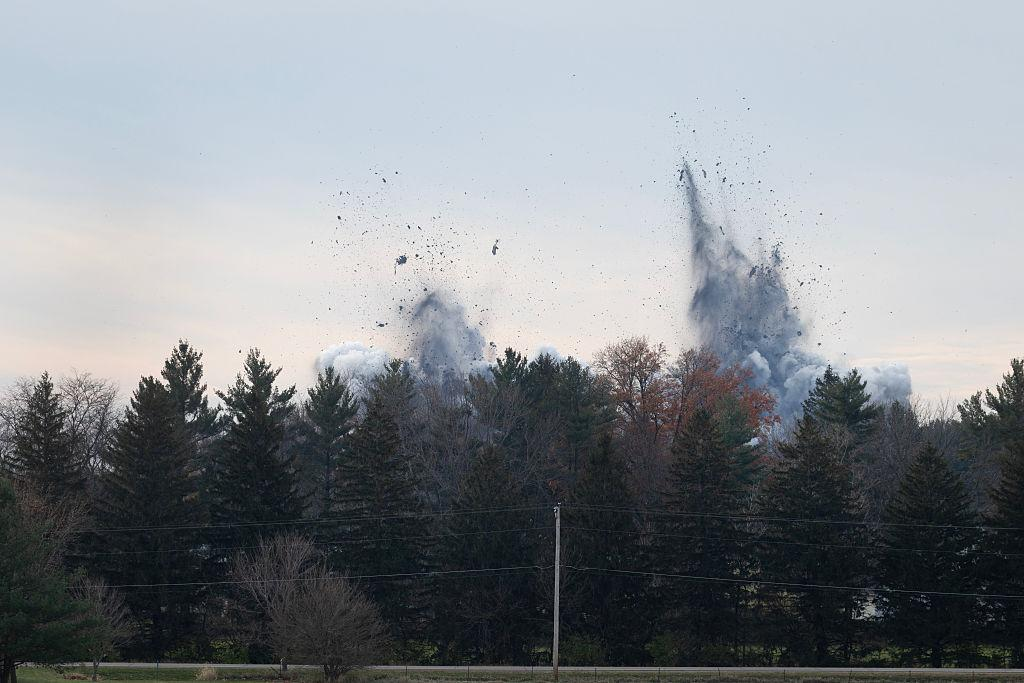
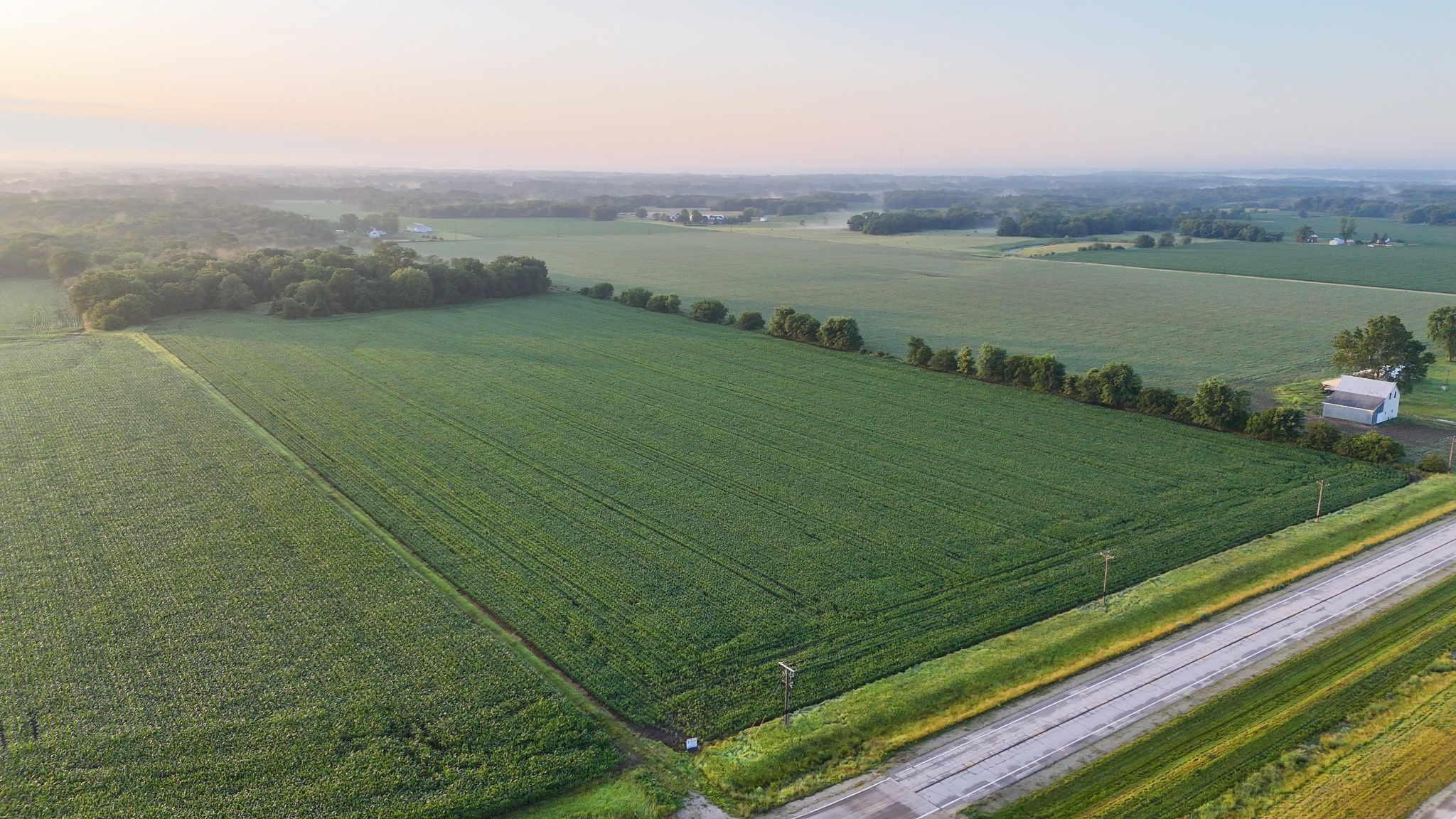
The Iowa Army Ammunition Plant occupies a substantial area of southeastern Iowa, surrounded by agricultural communities, residential properties and waterways connected to the Mississippi River.
For decades, military installations across the United States have supported national defense through the production, storage and management of ammunition and associated industrial materials.
However, maintaining aging chemical inventories presents challenges that extend beyond conventional military operations.
A material considered manageable under appropriate storage conditions can become increasingly hazardous as its physical characteristics change. Over time, deterioration may significantly complicate its removal, transportation and disposal.
According to the U.S. Army, inspectors identified approximately 68 containers of degraded lead azide, representing more than 9,700 pounds of material by net explosive weight.
Federal officials concluded that conventional handling presented unacceptable safety risks.
The Environmental Protection Agency subsequently authorized emergency treatment through a specialized permit that included environmental monitoring, public notification and cleanup requirements.
The permit classified the material as hazardous because of both its reactive properties and its lead toxicity. That distinction has become central to understanding the controversy. The Army's decision therefore involved two separate responsibilities: preventing an uncontrolled accident and limiting the possibility of environmental exposure during disposal.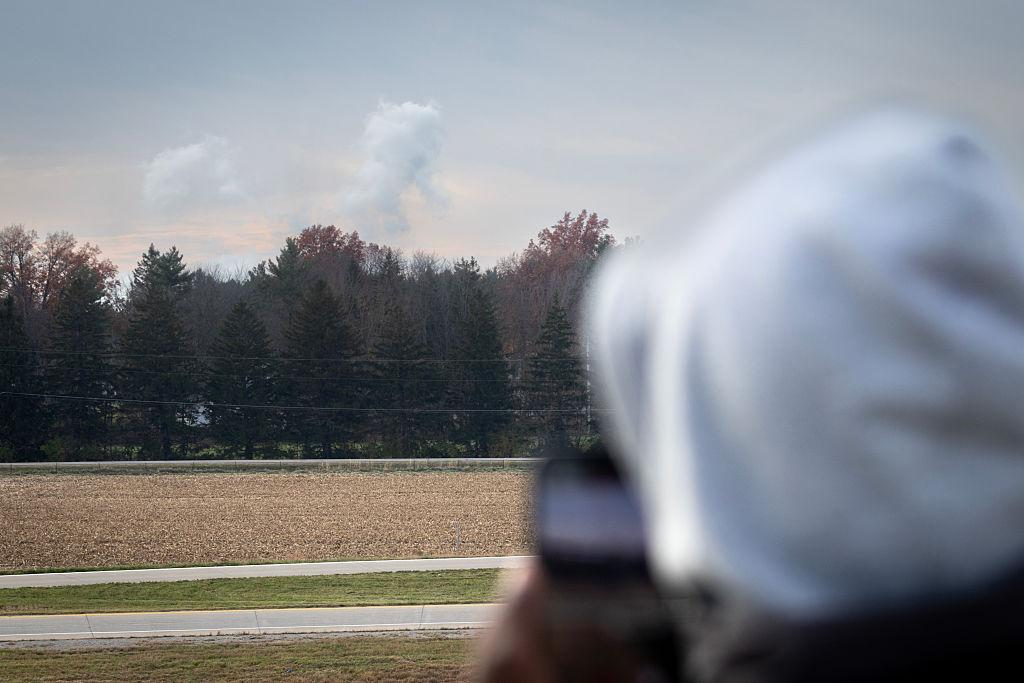
Lead azide has historically been associated with military ammunition manufacturing. Its chemical properties make it useful in specialized industrial applications, but its toxicity presents additional environmental management requirements. Depending on environmental conditions, lead-containing particles may remain in soil, accumulate in sediment or settle on surfaces that people regularly touch.
The environmental significance of a release depends on several factors, including the chemical form of the material, particle size, concentration, weather conditions and the effectiveness of containment measures.
Nevertheless, even relatively small releases require careful evaluation when communities, agricultural operations and sensitive populations are located nearby. This is particularly important in areas where families depend on private wells, outdoor recreational spaces and locally produced food. Understanding the distinction between the original chemical inventory and the amount that actually enters the environment is essential to assessing the Iowa operation. Without that distinction, estimates of environmental damage could either exaggerate the actual danger or underestimate risks that require additional investigation.
One of the principal concerns surrounding hazardous industrial operations is the movement of fine particulate matter through the atmosphere.
Unlike larger debris, microscopic particles may remain suspended in the air and travel away from their original source. Their movement depends on atmospheric conditions and the physical characteristics of the particles themselves.
Before the Iowa operation, atmospheric projections examined the possibility that airborne material could travel considerable distances.
Reporting by The Washington Post described a modeled area potentially extending as far as 100 miles from the installation. Such projections are designed to help emergency planners determine where monitoring and precautionary measures may be appropriate.
Wind direction, precipitation and atmospheric turbulence can significantly influence where particles ultimately settle. The distinction is especially important when evaluating risks across state boundaries. Communities in neighboring Illinois could potentially be affected by regional atmospheric conditions, even though the military facility itself is located in Iowa.
Environmental monitoring must therefore account for geographic conditions rather than relying exclusively on political boundaries.Iowa occupies an important position in the American agricultural economy. Its extensive farmland supports crop production, livestock operations and rural businesses connected to national and international food markets.
If hazardous particles accumulate in agricultural soil, additional testing may be necessary to determine whether farming activities can continue without restrictions.
The movement of contaminants through agricultural environments depends on numerous variables.
Soil acidity, organic matter and naturally occurring minerals can influence how strongly metallic contaminants bind to the ground.
Different crops also interact differently with contaminated soil. Some substances remain concentrated near root systems, while others may become associated with exposed plant surfaces.
Livestock operations present separate considerations because animals may encounter contaminants through drinking water, feed or direct contact with soil.
That determination requires measurements, appropriate laboratory procedures and comparisons with relevant safety standards. Nevertheless, uncertainty surrounding environmental conditions can create financial pressures even before contamination is established. Farmers may face questions from buyers, concerns about property values and additional expenses associated with independent testing. Water contamination represents another possible pathway requiring attention.
Particles deposited on land may eventually enter waterways through rainfall, surface runoff or erosion. However, the movement of lead through water systems is complicated by its tendency to interact with soil and sediment. A contaminant deposited on agricultural land may remain relatively localized under certain conditions. Under different circumstances, environmental changes could increase its mobility.
Public drinking water facilities and private residential wells also present different monitoring challenges. Municipal water systems generally operate under established testing and treatment requirements. Private wells, by contrast, often depend on individual property owners to arrange testing and maintenance.
For households relying on groundwater, uncertainty about nearby environmental conditions may therefore create additional concerns.
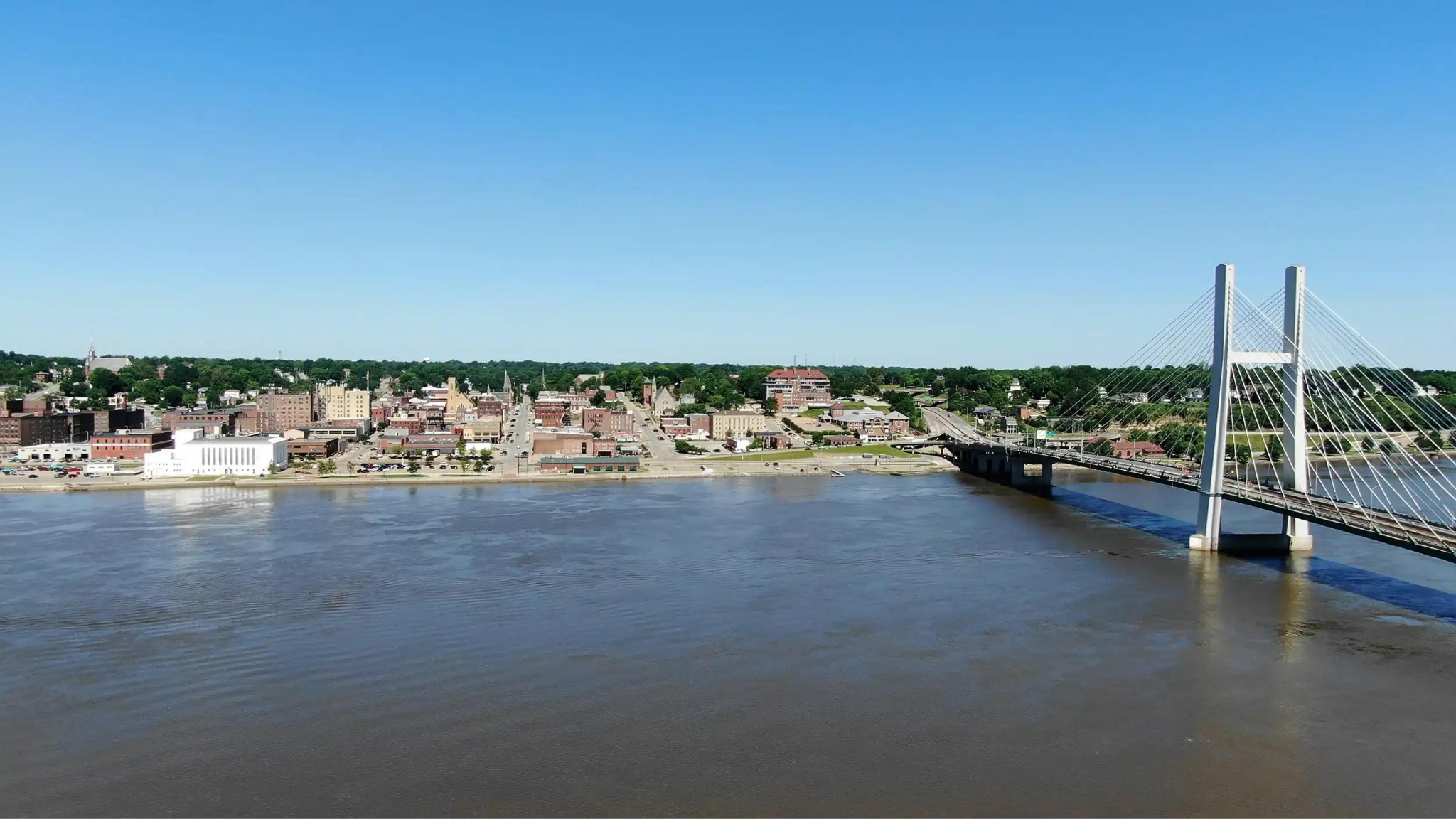
The Mississippi River watershed adds a regional dimension to the Iowa operation.
Reliable assessment requires environmental samples collected from representative locations, including areas that might reasonably receive runoff or atmospheric deposition. Water testing also needs to distinguish newly introduced substances from contaminants that may have existed before the military operation. Without baseline measurements, identifying the origin of a detected substance can become considerably more difficult.
For this reason, comparisons between conditions before and after the operation are particularly significant. Lead exposure is a longstanding public health concern in the United States.
Children are particularly vulnerable because their nervous systems are still developing and because everyday activities can increase their contact with contaminated dust and soil.
Young children frequently touch outdoor surfaces, play on the ground and place their hands near theirmouths. These ordinary behaviors can create exposure pathways that differ substantially from those experienced by adults. Pregnant women and developing fetuses also require particular consideration when evaluating environmental lead exposure.
The health consequences associated with lead depend on the amount absorbed, the duration of exposure and individual circumstances. This makes environmental testing and appropriate medical assessment more useful than relying on visible signs of illness.
Residential monitoring may include playgrounds, outdoor furniture, gardens, schools and other locations frequently used by children. If testing identifies contamination, qualified public health authorities can determine whether cleaning, temporary restrictions or additional medical evaluation are warranted.
The presence of a potentially hazardous industrial source should therefore be treated as a reason for appropriate investigation, rather than automatic evidence that nearby residents have experienced harmful exposure.
The controversy expanded beyond environmental management after President Donald Trump became involved in discussions about whether the operation should proceed.
Trump initially called for a delay while the legal dispute was considered and sought agreement from Iowa's incoming Democratic governor, Rob Sand.
The president also addressed responsibility for potential damage if the hazardous material remained in storage.
A federal appeals court subsequently removed a legal obstacle to the operation. The disagreement highlighted the complicated relationship between federal military authority, environmental regulation, state government and public accountability. Military officials were responsible for addressing an increasingly dangerous chemical inventory.
Environmental regulators were responsible for overseeing the operation's potential effects beyond the immediate facility. State and local authorities faced the separate challenge of communicating precautions and addressing concerns among residents.
Determining whether a hazardous waste disposal operation protected surrounding communities requires scientific evidence, regardless of which administration authorized it.
For residents, the most consequential information will come from measurements of air quality, soil conditions, surface contamination and drinking water. The possibility of environmental exposure also raised questions about the disruption experienced by local households. Families may need to arrange transportation, accommodation, childcare and alternative working schedules.
Older residents and individuals with disabilities may face additional difficulties leaving their homes. Households with pets or livestock must consider how to maintain care for animals during an emergency. The timing of the Iowa operation, immediately before Thanksgiving, added another practical challenge for families preparing for one of the country's major annual holidays.
Federal emergency assistance included temporary accommodation and transportation support for eligible affected residents. However, temporary precautionary relocation must be distinguished from permanent displacement caused by confirmed environmental damage.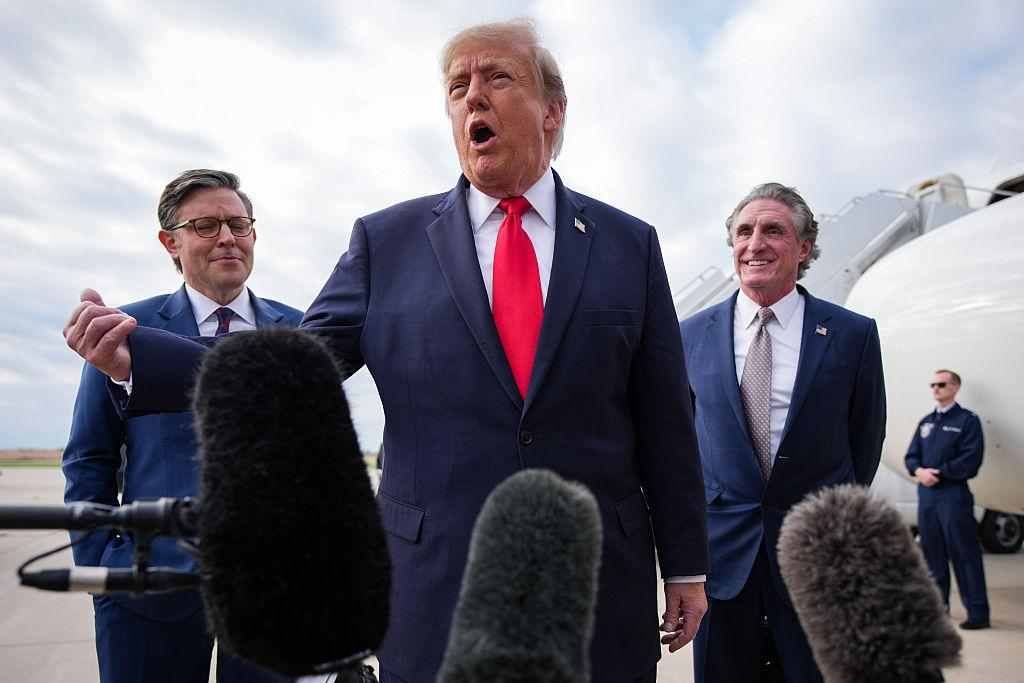
The number of people receiving relocation assistance, the duration of their absence and any subsequent restrictions on residential properties are separate measures that require independent verification.
Following the November 25 operation, federal authorities began releasing information that provided a more concrete picture of environmental conditions.
On November 26, the EPA reported that its real-time regional air monitors had recorded no detectable airborne lead following the detonation.
The agency also reported collecting 1,591 environmental samples before the operation and more than 1,000 afterward.
Approximately 300 EPA employees and contractors were involved in the post-operation sampling effort.
Monitoring covered residential properties, agricultural locations, recreational areas, drinking water infrastructure and locations within the Mississippi River watershed. More than 130 previously sampled structures underwent additional sampling.
Laboratory analyses of post-operation samples were expected to begin producing results as early as November 27. The initial air readings represent an encouraging development for communities concerned about airborne contamination.
The broader environmental assessment depends on the laboratory analysis of collected samples, the geographic coverage of monitoring and comparisons with conditions recorded before the operation.
It is those that will help determine whether further environmental action is necessary.
The Iowa operation illustrates a broader challenge facing communities located near industrial and military facilities.
For residents, transparency will be important in determining whether the government's response adequately addressed both responsibilities.
Public access to environmental results can allow independent scientists, local authorities and affected households to evaluate the evidence.
The Army has described the destruction of the unstable chemical inventory as successful, while subsequent environmental monitoring remains a critical part of the assessment.
Whether additional cleanup, property testing or public health measures become necessary will depend on the findings rather than the original size of the stockpile alone.
The immediate military emergency may have ended, but the final assessment of its environmental consequences will require evidence from the air, soil and water on which surrounding communities depend.
Comments (0)
Loading comments...
May You Like

ELON MUSK'S MILLION-SATELLITE MEGAPROJECT — THE NEXT FRONTIER OF AMERICAN SPACE POWER?

PENTAGON'S PATRIOT MISSILE DELAY — A MAJOR SETBACK FOR UKRAINE'S AIR DEFENSE?

ELON MUSK’S $18 BILLION SPACEX STOCK GIFT FOR EVERY AMERICAN CHILD








Popular Posts




