
IOWA FAMILIES TOLD TO STAY INSIDE: ARMY PLANS TO DETONATE LEAD AZIDE
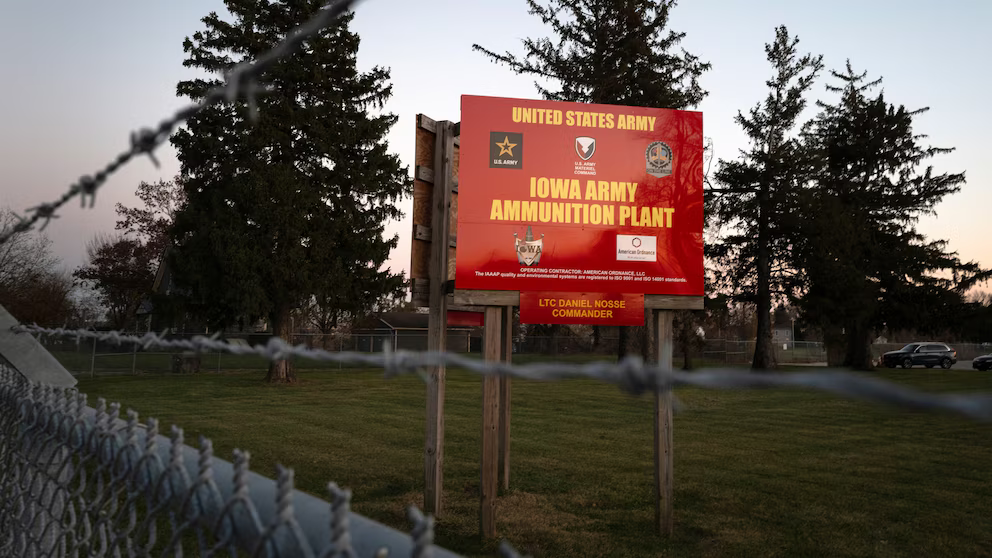
MIDDLETOWN, IOWA — NOV 23, 2026 — A plan to destroy deteriorating explosives at an Army ammunition plant has left nearby communities awaiting a new schedule and answers about potential exposure to lead dust in and around the region.
The proposed operation at the Iowa Army Ammunition Plant has drawn concern from residents, state officials and environmental groups as federal agencies weigh how to address hazardous material stored at the site.
The dispute centers on how to reduce the danger posed by the aging material while protecting people and the environment in Iowa and neighboring communities.
Lead azide is a lead-containing explosive used in detonators, and the Army says material found at the plant has degraded after more than 2 decades in storage.
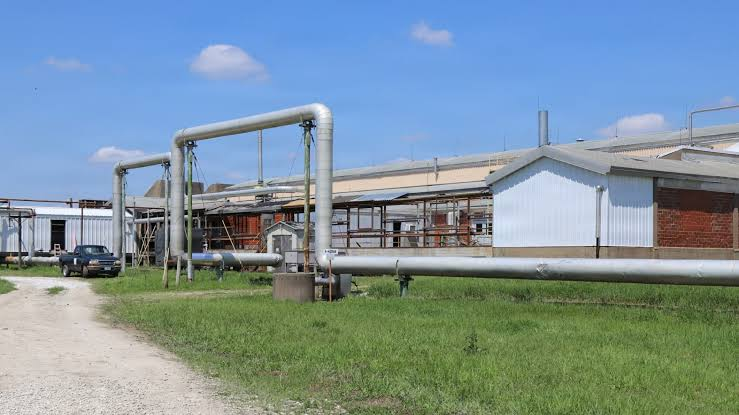
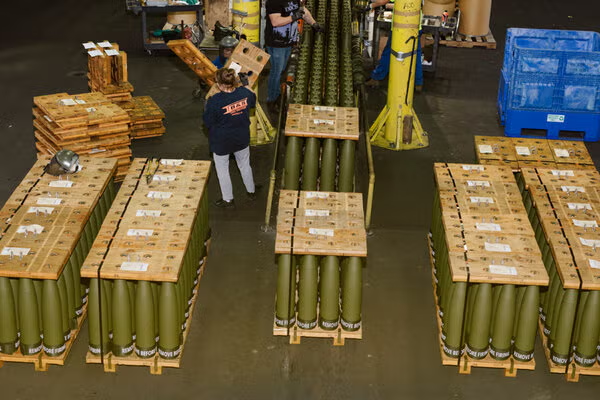
A federal court filing describes 68 plastic drums containing a total of 9,773.5 pounds of wetted lead azide explosive material stored in 2 earth-covered magazines.
The government says degradation and crystallization have made the material sensitive to shock and temperature, creating a risk of an uncontrolled explosion that could worsen as temperatures fall.
The Army maintains that an in-place controlled detonation is safer than moving the drums and would allow officials to prepare protective measures before the material is destroyed.

Environmental groups have questioned whether other disposal methods were adequately considered and whether residents received enough notice and information about potential exposure.
The Iowa Environmental Council and the Iowa chapter of the Sierra Club challenged the Environmental Protection Agency’s emergency permit, arguing that the agency had not sufficiently examined alternatives.
On Nov 19, the 8th U.S. Circuit Court of Appeals temporarily stayed that permit while it considered the groups’ emergency request, leaving the authorization on hold.
Iowa Gov Kim Reynolds and Governor-elect Rob Sand had also asked the Army to delay the operation amid public concern about the proposed release of lead particles.
The Army initially planned the detonation for Nov 20 and then moved it to Nov 23, while an earlier Iowa health fact sheet described 2 planned blasts around noon Monday.
Those earlier dates were superseded when the Army announced Sunday evening that the controlled detonation was scheduled for Wednesday, Nov 25, to allow suitable weather and protective measures.
The announcement did not establish a new precise time in the sources reviewed, and Iowa health officials advised residents that the schedule and exposure guidance could change.
In a filing late Saturday, government lawyers told the appeals court that the Army intended to invoke an emergency explosives exclusion from federal hazardous-waste permitting requirements.
 The government said the Army intended to act by Nov 24, but its later public announcement set Wednesday as the planned date, leaving residents to follow subsequent official updates.
The filing asserted a separate route for proceeding without the paused EPA permit, and the court’s stay should not be described as a ruling approving that alternative.
For potentially affected areas, Iowa health officials advise staying indoors with doors and windows closed for 24 to 48 hours after a detonation and reducing outdoor air intake.
The state also recommends considering a portable HEPA air cleaner, while emphasizing that children younger than 6 are especially vulnerable to lead exposure.
Residents should check the latest Army and local public health notices for their location, including any evacuation instructions and updated timing, as officials coordinate the planned operation.
Comments (0)
Loading comments...
May You Like

IOWA MILITARY DISASTER: 5 TONS OF SUSPECTED BIOWEAPON WASTE LEAK—301+ HOSPITALIZED, 20 CRITICAL!


PENTAGON'S DECLASSIFIED UFO FILES — THE MYSTERY OF AN UNDERGROUND STORAGE PROJECT!













