
IOWA MILITARY DISASTER: 5 TONS OF SUSPECTED BIOWEAPON WASTE LEAK—301+ HOSPITALIZED, 20 CRITICAL!
MIDDLETOWN, Iowa — November 26, 2026 — President Donald Trump praised the U.S. Army following Wednesday's destruction of nearly five tons of deteriorating explosive chemicals at an Iowa military installation, as federal health and environmental officials continued assessing potential risks to surrounding communities.
The controlled detonation at the Iowa Army Ammunition Plant eliminated a stockpile of lead azide that military specialists had identified as dangerously unstable.
The White House said preliminary monitoring showed no detectable airborne lead, while the Army reported no secondary explosions or infrastructure damage.
However, federal scientists are continuing to examine environmental samples to determine whether hazardous particles reached residential properties, agricultural land or water sources.
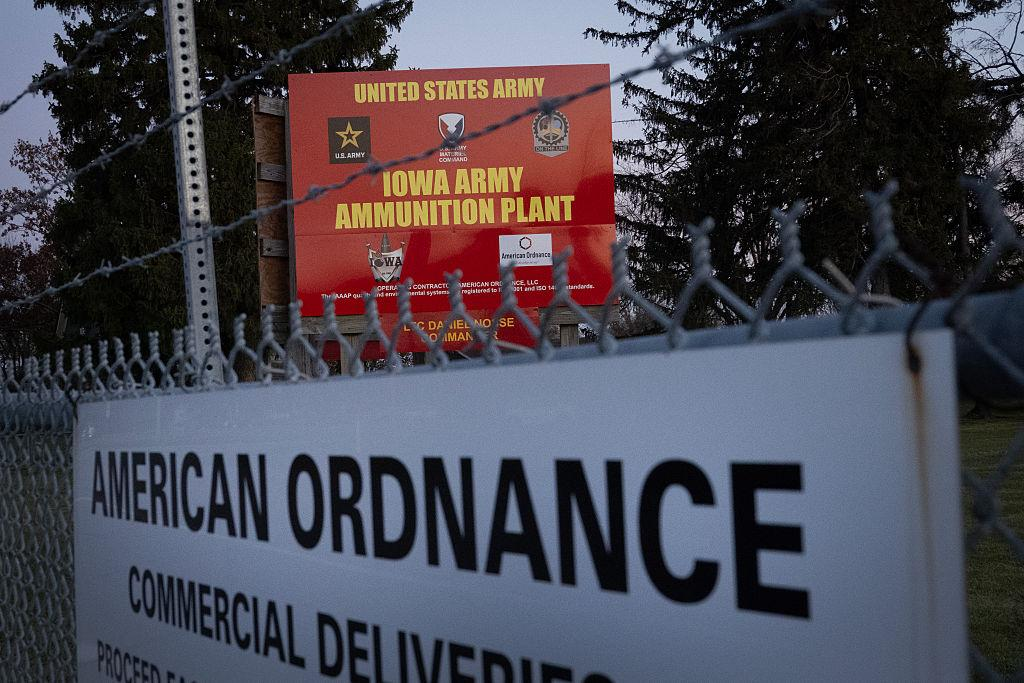
The operation followed the discovery of severe chemical deterioration inside a military storage facility in southeastern Iowa. According to the Army, approximately 68 drums containing more than 9,700 pounds of lead azide were affected. The condition of the material had deteriorated to the point where military specialists considered conventional transportation and disposal methods too dangerous.
Following an assessment involving several federal agencies, the Army concluded that destroying the material at its existing location represented the safest available option. The decision nevertheless raised concerns extending far beyond the military installation.
Unlike an ordinary explosion involving materials that leave relatively limited toxic residue, the Iowa operation involved a compound containing lead, a metal associated with significant public health risks. In a statement released by the White House on November 25, Trump expressed satisfaction with the initial results. “Early reports from Iowa are that the Army’s mitigation efforts have far exceeded expectations.”
The administration attributed the successful operation to coordination between military specialists, environmental scientists, emergency management authorities and other federal personnel.
EPA Administrator Lee Zeldin also reported that monitoring stations continued to detect no airborne lead more than five hours after the explosion. The White House statement characterized the operation as an achievement for the administration and blamed earlier government decisions for allowing the hazardous material to remain in storage. That distinction is important because the chemical's inherent toxicity and the amount of exposure experienced by nearby residents are two different scientific questions.
 The principal medical concern surrounding the military operation involves potential exposure to lead-containing particles.
During an industrial explosion involving hazardous substances, individuals may require medical attention for several reasons, including physical injuries, respiratory irritation and suspected chemical exposure. People with existing respiratory conditions may also experience complications following exposure to airborne particles.
However, determining whether an individual has suffered lead poisoning requires medical assessment rather than conclusions based solely on proximity to an explosion. A confirmed medical emergency of that scale would require supporting information from hospitals, emergency medical services and public health authorities.
Unlike certain industrial gases that produce immediate and recognizable symptoms, lead exposure may initially occur without obvious signs of illness.
The health consequences depend on the amount absorbed, the duration of exposure and the individual's existing medical condition. At sufficiently high exposure levels, symptoms may include abdominal discomfort, weakness, headaches and neurological complications.
Longer-term exposure can affect the kidneys, cardiovascular system and nervous system.
Young children are particularly vulnerable because their brains and nervous systems are still developing. Pregnant women also face additional concerns because lead can cross the placenta. Iowa Health and Human Services issued guidance before the military operation highlighting the particular vulnerability of children younger than six and women who are pregnant or breastfeeding.
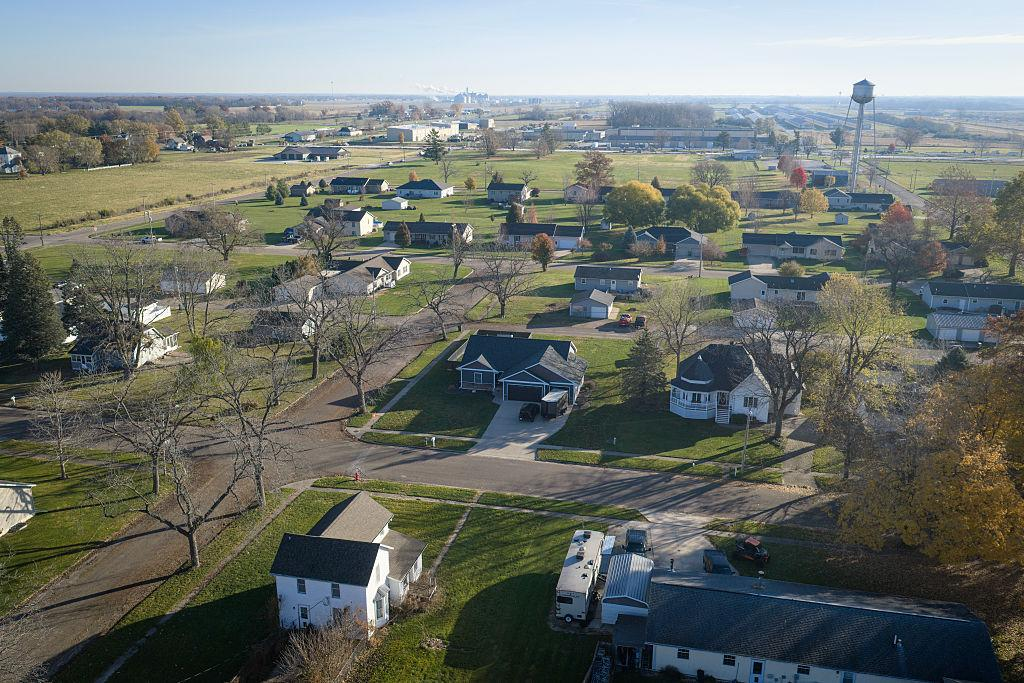
Before the explosion, authorities recommended temporary relocation for residents of Middletown and communities within a designated area southwest of the ammunition plant. The Federal Emergency Management Agency arranged assistance for eligible households, including transportation, accommodation and food.
For residents preparing to celebrate Thanksgiving, the recommendations introduced uncertainty about whether they could remain in their homes or would need to make alternative arrangements.
Families with young children, elderly relatives and individuals with existing medical conditions faced additional considerations.
The relocation recommendation was designed as a precaution against potential exposure rather than a response to confirmed widespread poisoning.
Determining the total number of people who relocated would require separate records documenting participation in the evacuation assistance program and households that made independent arrangements.
Particles may originate from soil, water, construction materials or substances involved in an industrial operation. Some components may present relatively little danger, while others require careful environmental assessment. Before the detonation, the Army acknowledged that the projected cloud could contain a small proportion of hazardous lead-bearing particles alongside other materials.
The central question for environmental scientists was whether those particles escaped the military installation in concentrations capable of affecting nearby communities.
Answering that question requires direct measurements rather than relying on photographs or videos of the explosion. The initial monitoring results represented encouraging evidence that the precautions taken before the operation had limited airborne contamination.
Nevertheless, environmental scientists must consider several different exposure pathways.
Air monitoring assesses particles suspended in the atmosphere during the relevant measurement period.
Surface testing examines whether material has accumulated on buildings, vehicles, outdoor equipment or other objects.
Soil testing may provide information about contamination potentially affecting residential gardens, playgrounds and agricultural properties.
The interpretation of monitoring results also depends on sampling locations, measurement sensitivity and the period during which the data were collected. Before the operation, the Environmental Protection Agency collected extensive environmental measurements across the surrounding region.
The agency reported on November 24 that it had completed more than 1,001 combined air, land and water samples. Those measurements provide a baseline against which subsequent findings can be compared.
Baseline testing is important because lead may already be present in the environment from historical industrial activity, older buildings and other sources unrelated to the military explosion. Without earlier measurements, identifying whether a particular concentration represents a recent increase can be difficult. The EPA said it would continue collecting samples following the operation and coordinate with public health authorities to determine whether remedial measures were necessary. The resulting data could become among the most important records for evaluating the operation's environmental consequences.
The decision to destroy the chemicals followed a legal dispute involving environmental organizations concerned about possible contamination. Opponents questioned whether the proposed operation would adequately protect communities, agricultural land and other environmental resources.
Federal authorities maintained that leaving the deteriorating material in place carried its own serious risks. The dispute reached the U.S. Court of Appeals for the Eighth Circuit, which temporarily halted the operation before allowing preparations to proceed.
On November 23, Trump instructed the Army to delay the planned detonation pending the court's decision, according to Reuters and an update issued by Illinois authorities.
The appeals court subsequently lifted its temporary restriction. The legal dispute illustrates the difficult balance between eliminating an immediate explosive hazard and minimizing the environmental consequences of its destruction.
 The location of the military installation introduces particular concerns for farmers throughout southeastern Iowa. Agricultural communities depend on soil quality, healthy livestock and reliable access to water. Potential contamination can create economic uncertainty even before measurable damage has been established.
Farmers may need answers about whether livestock can safely graze, whether outdoor feed has been affected and whether environmental testing identifies any unusual concentrations of hazardous substances.
The economic implications would depend on the actual extent of contamination, if any, rather than the size of the explosion alone. A federal assessment would also need to distinguish between newly deposited material and lead already present in the environment. For agricultural businesses, credible monitoring results could help determine whether normal activities can continue or whether additional precautions are necessary. Some health consequences associated with environmental exposure may become apparent after the immediate emergency has ended.
However, the timing and severity of symptoms can vary considerably. Lead exposure is especially challenging because a person may experience no obvious symptoms while still having absorbed a measurable amount.
Blood lead testing may help medical professionals determine whether exposure has occurred. A medical evaluation can also help identify other possible causes of symptoms.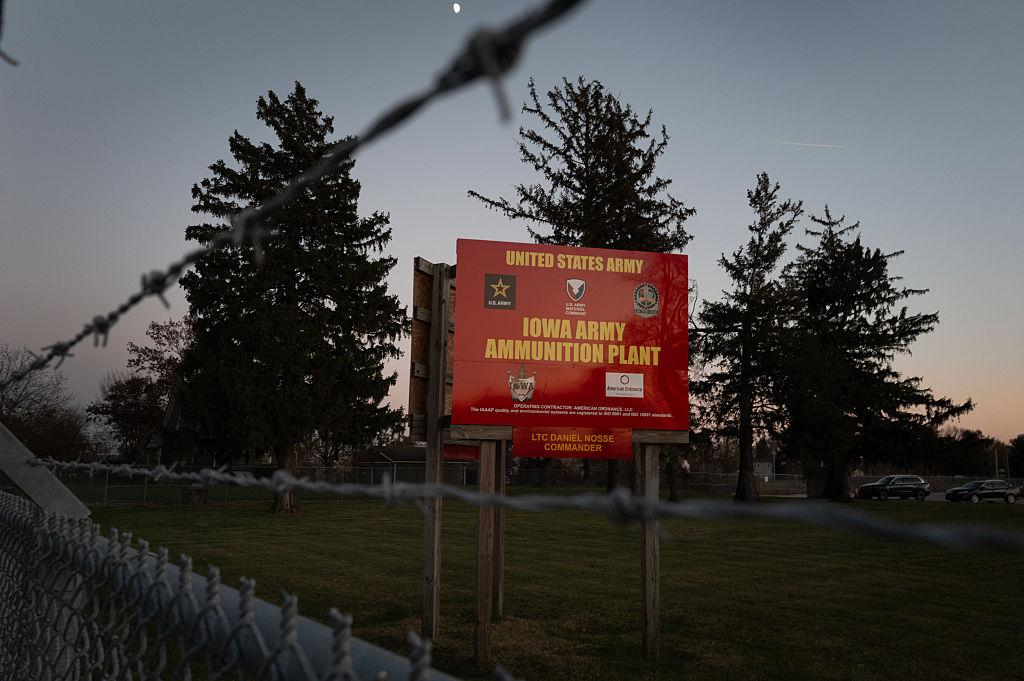
Iowa's public health guidance specifically addresses blood lead testing in connection with the planned military operation. Residents experiencing concerning symptoms should receive appropriate medical evaluation, rather than assuming that every illness occurring after the explosion was caused by lead.
Similarly, a confirmed increase in blood lead levels would require further investigation to determine whether the military operation was responsible.
Military authorities primarily evaluate the operation according to whether the unstable stockpile was successfully eliminated and whether the detonation remained controlled. Environmental authorities must address a broader set of questions. They must assess whether hazardous particles escaped the installation, whether contamination reached surrounding communities and whether any resulting exposure requires intervention.
Public health officials have a separate responsibility to evaluate potential consequences for residents. The three assessments may proceed according to different timelines. A military operation can be completed within a relatively short period, while laboratory analysis and environmental assessments may require additional time.
Longer-term medical surveillance could also become appropriate if evidence of significant exposure emerges. The initial announcement of operational success therefore represents one important milestone rather than the conclusion of every subsequent assessment.
If environmental testing identified contamination attributable to the operation, federal agencies would need to assess its extent and determine appropriate remedial measures.
Depending on the findings, those actions could include additional sampling, localized cleanup or expanded public health recommendations.
Questions concerning property damage, financial losses and government liability would require separate legal and administrative assessments.
Establishing responsibility would involve determining whether the contamination originated from the military installation, whether existing safeguards were adequate and whether applicable environmental obligations were satisfied.
The outcome could vary according to the circumstances affecting individual properties and households.
For nearby residents, transparent access to monitoring results would be particularly important when evaluating potential health risks and deciding whether further action was necessary.
Reports of 300 hospitalizations and 20 critically ill patients would represent a major development if independently substantiated.
Investigators would need to establish whether the patients were admitted to hospitals, treated without admission or evaluated as a precaution.
They would also need to examine whether their medical conditions were attributable to the explosion.
A reliable assessment would include the nature of the reported symptoms, relevant laboratory findings and information about where patients were located during the operation.
The geographical distribution of cases could then be compared with environmental monitoring results.
Without those records, attributing hundreds of hospitalizations to chemical poisoning would go beyond the documented evidence.
The federal reports available following the detonation describe a precautionary emergency response and continuing environmental assessment rather than a confirmed mass hospitalization event.
The Army has announced that the dangerous stockpile has been destroyed, removing the immediate threat associated with its deteriorating condition.
President Trump has praised the operation, and preliminary monitoring has produced reassuring results.
The remaining questions concern whether environmental testing identifies contamination outside the installation, whether residents require medical follow-up and whether any additional protective measures become necessary.
For the communities surrounding Middletown, the most consequential information may emerge from the laboratory results collected during the days following the explosion.
Those findings, rather than political declarations or images of the smoke cloud, could provide the strongest evidence of whether the operation protected both the military installation and the people living beyond its boundaries.
Comments (0)
Loading comments...
May You Like

10,000 CIA AND U.S. SPY RECORDS LEAKED—3 INTELLIGENCE AGENCIES ORDER EMERGENCY REVIEWS!

PACIFICA PIER COLLAPSES AFTER MYSTERIOUS UNDERWATER MOVEMENT IN CALIFORNIA!

CARIBBEAN PRINCESS: 5,000+ ABOARD, UNKNOWN VIRUS—CHINESE PASSENGER IS FIRST KNOWN CASE!









Popular Posts




