
IOWA MILITARY EMERGENCY: 51 TONS OF UNSTABLE SUSPECTED BIOWEAPON WASTE FOUND AFTER 5-TON BLAST!
MIDDLETOWN, Iowa — November 26, 2026 — The U.S. Army's destruction of nearly five tons of deteriorating explosive chemicals at the Iowa Army Ammunition Plant has intensified scrutiny of hazardous materials stored at American military installations, raising questions about whether similar dangers could exist elsewhere within the nation's defense infrastructure.
The controlled detonation, conducted on November 25, followed months of concern about the deteriorating condition of a stockpile of lead azide, a hazardous chemical used in conventional explosives. Military officials concluded that the material had become too unstable to transport safely, prompting an extensive federal operation involving environmental scientists, emergency management personnel and public health authorities.
President Donald Trump praised the initial results after federal monitoring detected no airborne lead. However, environmental organizations have called for greater transparency surrounding the operation, the circumstances that allowed the chemicals to deteriorate and the management of other hazardous military materials.
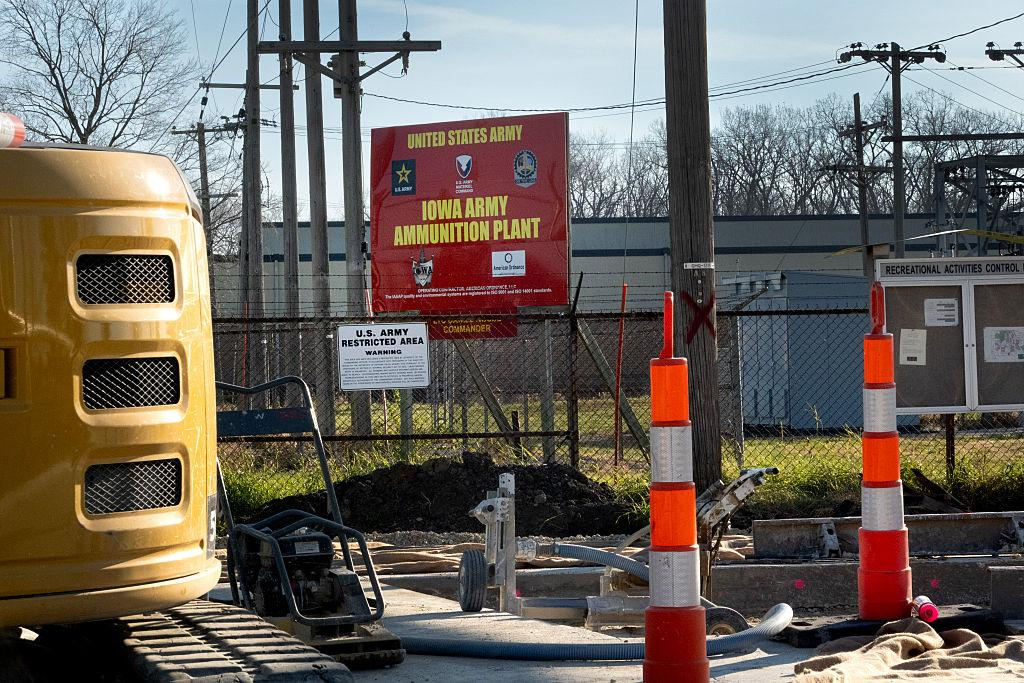
The origins of the Iowa operation can be traced to a military safety inspection that identified serious deterioration within a collection of explosive materials. According to an Army announcement issued before the detonation, inspectors found that approximately 68 containers holding more than 9,700 pounds of lead azide had become dangerously unstable. The discovery prompted military authorities to reconsider how the material could be removed without creating an even greater threat to personnel and surrounding communities.
Federal specialists examined several potential responses before determining that conventional disposal methods presented unacceptable risks. The condition of the material substantially limited the available options, leading military leadership to authorize its destruction at the installation.
The United States Army
The findings raised broader questions about how long hazardous materials can remain in military storage and what systems exist to identify deterioration before it becomes an emergency. Although the immediate operation focused on a specific chemical stockpile, the circumstances surrounding its discovery have implications for the management of aging military inventories across the United States.
For communities surrounding the ammunition plant, the essential question extends beyond the success of Wednesday's explosion. Residents have an interest in knowing whether other dangerous materials remain at the facility and whether existing inspection procedures are sufficient to prevent a similar emergency.
Among the questions emerging from the incident is whether a wider inventory review could identify additional hazardous materials requiring intervention. The distinction between the five-ton stockpile destroyed on Wednesday and the broader inventory of an operational ammunition facility is particularly important.
A separate discovery of 50 tons of hazardous waste would represent approximately ten times the mass of Wednesday's destroyed stockpile. However, the consequences would depend on what the material contained, how it was stored and whether it created a credible pathway for human exposure.

The White House released a statement on November 25 declaring that the military operation had successfully eliminated the deteriorating stockpile. Federal officials reported that preliminary environmental monitoring detected no airborne lead and that the detonation caused no secondary explosions or infrastructure damage.
Trump also addressed the operation through Truth Social, stating that the Army's mitigation efforts had “far exceeded expectations.” The administration highlighted the coordination of federal agencies and credited the operation's extensive preparations with protecting surrounding communities.
However, the president's assessment concerned the effectiveness of the operation rather than the inherent safety of the chemical itself. Lead azide remains a hazardous substance, and the Army's decision to destroy it was based precisely on the danger associated with its deteriorating condition.
The White House also attributed the storage problem to decisions dating back to the Obama administration. Establishing responsibility across successive administrations would require a broader examination of purchasing records, maintenance procedures, safety inspections and decisions concerning the stockpile's eventual disposal.
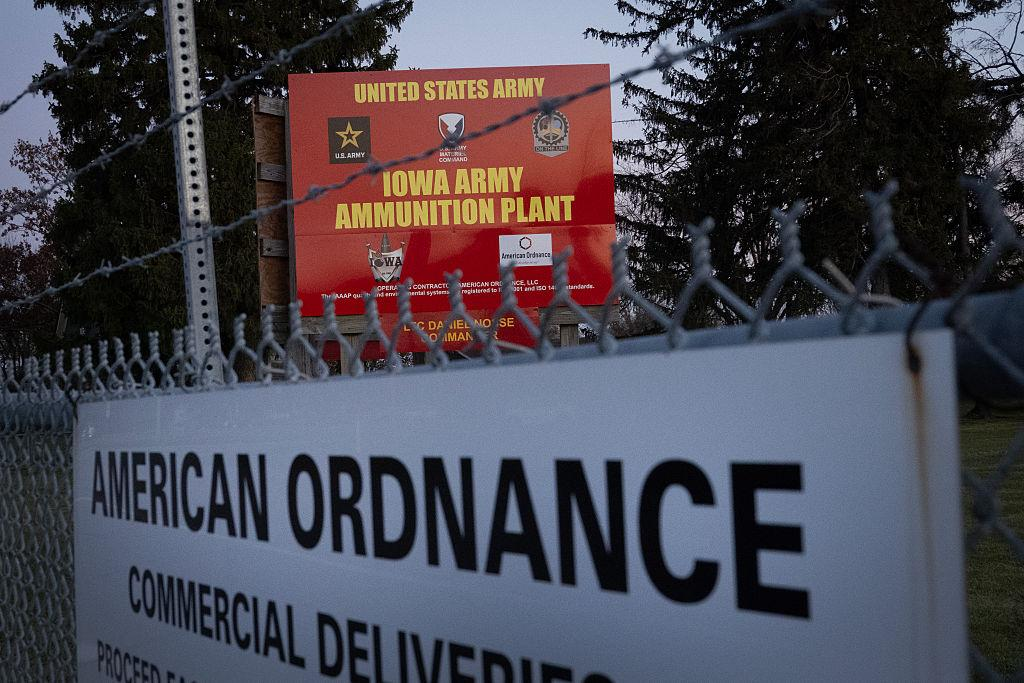 The possibility of biological contamination represents a substantially different issue from the chemical and explosive hazards documented at the Iowa plant. Conventional explosive waste, toxic chemical waste and biological waste are separate categories requiring different forms of identification and risk assessment.
Establishing that a substance originated from a biological weapons program would require credible scientific identification, documentary evidence concerning its purpose and an investigation into its history. No such findings are contained in the Army's announcements concerning Wednesday's operation.
The distinction carries considerable international significance because the Biological Weapons Convention prohibits the development, production and stockpiling of biological agents and toxins for hostile purposes.
The scale of the federal response illustrates the seriousness with which authorities approached the potential environmental consequences of the operation. The Environmental Protection Agency announced that it had deployed approximately 300 employees and contractors to Middletown and surrounding communities, bringing substantial personnel resources to an area affected by concerns over hazardous chemical exposure.
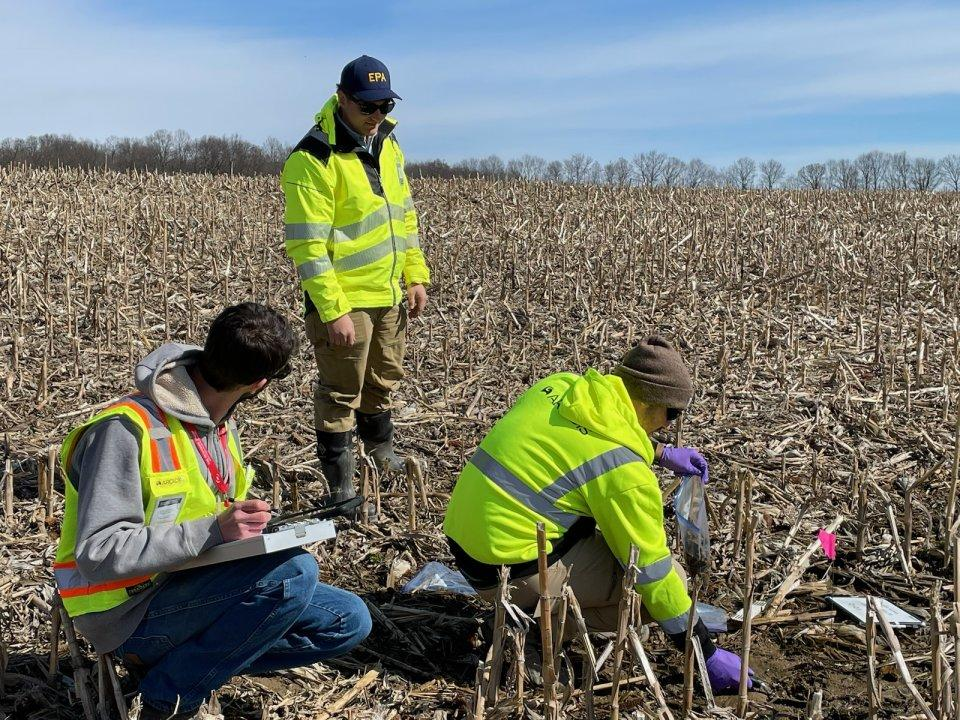
Before the explosion, environmental specialists collected more than 1,200 samples covering air, water, soil and dust. The measurements were intended to establish conditions before the operation so that subsequent results could be evaluated against a reliable reference point.
The information collected by those teams could become central to determining whether contamination occurred, whether additional testing is necessary and whether the government's protective measures achieved their intended objectives.
The operation attracted substantial opposition from environmental advocates before the Army received authorization to proceed. Earthjustice, an environmental legal organization, argued that years of inadequate management had allowed the explosive material to deteriorate until federal authorities considered alternative disposal methods too dangerous.
The disagreement raised an important question about whether earlier intervention could have prevented the emergency. Materials that remain manageable under appropriate storage conditions may eventually become more difficult to handle if their condition deteriorates over an extended period.
Military authorities maintained that their immediate priority was preventing an accidental explosion. Environmental advocates emphasized the need to examine the decisions that allowed the hazard to develop in the first place.
The two concerns address different points in the history of the stockpile. Resolving them requires information about earlier inspections, maintenance decisions, disposal arrangements and the timing of the discovery.
A comprehensive review could help determine whether the Iowa emergency resulted from an isolated storage problem or whether broader changes to military hazardous-material management are necessary.
Federal authorities faced a legal challenge concerning the proposed detonation and its potential environmental consequences. The U.S. Court of Appeals for the Eighth Circuit temporarily halted the operation before subsequently lifting its restriction and denying an emergency request to prevent it from proceeding.
The litigation reflected competing assessments of public safety. Federal authorities argued that continuing to store the unstable material presented an unacceptable danger, while opponents questioned whether the proposed destruction method adequately protected surrounding communities.
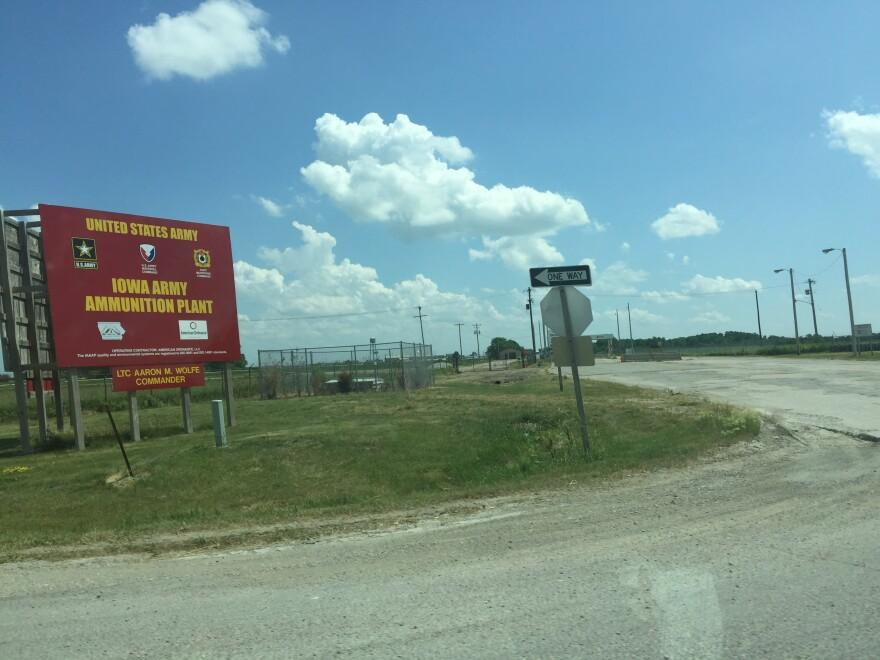
Environmental scientists must examine multiple potential exposure pathways. Lead particles may be inhaled while suspended in the atmosphere or swallowed after accumulating on surfaces. Iowa Health and Human Services identified these pathways as the principal anticipated public health concerns before Wednesday's operation.
Health & Human Services
Children are especially vulnerable to lead exposure because their nervous systems are still developing. Pregnant women also face additional concerns because lead can affect fetal development. Medical assessments may therefore become appropriate if environmental testing identifies meaningful exposure risks. The location of the ammunition plant introduces additional concerns for agricultural communities. Southeastern Iowa contains farmland, livestock operations and rural residential properties that depend on reliable soil and water quality.
Ahead of the military operation, atmospheric models examined the possible movement of particles beyond the installation. Neighboring Illinois also coordinated environmental and public health preparations in response to uncertainty surrounding the detonation.
Farmers have an interest in determining whether animals, feed supplies, agricultural equipment or water sources were exposed to hazardous substances. Even before contamination is established, uncertainty can affect business decisions and create concerns about the safety of agricultural products.
The extent of any necessary intervention would depend on actual environmental measurements. If elevated concentrations are identified, investigators would need to determine whether those concentrations originated from Wednesday's operation or reflected preexisting environmental conditions.
The Iowa incident has highlighted the importance of regular inspections and comprehensive inventories across military installations. Aging hazardous materials can present management challenges, particularly when changes in their condition restrict the options available for safe disposal.
A broader military review could examine whether facilities maintain accurate inventories, whether inspection findings receive timely attention and whether deteriorating materials are identified before they become emergency hazards.
Associated Press reported that officials intend to examine Army storage facilities to help prevent a recurrence of the circumstances that led to the Iowa operation.
The results would need to identify specific findings and distinguish between ordinary regulated inventories and substances presenting an immediate threat to public safety.
Military inspection records, hazardous-waste inventories and environmental permits could provide a clearer understanding of the circumstances surrounding the deteriorating stockpile. Such documents may identify when materials were acquired, how frequently their condition was assessed and when authorities first determined that disposal had become necessary.
Environmental records could also help distinguish between hazardous material currently stored at a facility and waste originating from earlier manufacturing activities. These distinctions are essential when evaluating the significance of any reported discovery involving large quantities of chemicals.
For investigators seeking to establish whether another 50-ton stockpile exists, the most important evidence would be an authenticated inventory supported by official inspection findings and scientific identification of the material.
The Army has announced that the deteriorating lead azide stockpile has been destroyed, but the broader environmental assessment remains important. Federal authorities must evaluate subsequent samples, compare the results with earlier measurements and determine whether additional protective measures are justified.
Meanwhile, questions concerning the original storage practices could lead to further scrutiny of military inventory management. The involvement of environmental organizations, federal agencies and legal proceedings makes the Iowa operation significant beyond the immediate destruction of the chemicals.
For the communities surrounding Middletown, the next significant developments could come from environmental laboratory results and broader military storage inspections. Those findings may determine whether Wednesday's explosion marked the conclusion of an isolated chemical emergency or the beginning of a wider review of how hazardous military materials are managed throughout the United States.
Comments (0)
Loading comments...
May You Like

CHICAGO DISASTER: 12 FIREFIGHTERS HOSPITALIZED, 4 CRITICAL—MYSTERY CHEMICALS FOUND IN BASEMENT!

PACIFICA PIER COLLAPSES AFTER MYSTERIOUS UNDERWATER MOVEMENT IN CALIFORNIA!

AMERICA’S NEW-GENERATION AIRCRAFT CARRIERS — MILITARY MIGHT BUILT AT THE EXPENSE OF THE PEOPLE









Popular Posts



