
IOWA NIGHTMARE: SECOND ARMY BLAST, 10,000 EVACUATED, 201+ HOSPITALIZED!
MIDDLETOWN, Iowa — November 26, 2026 — A controlled military explosion at the Iowa Army Ammunition Plant on Wednesday has placed surrounding communities at the center of a major environmental investigation, following the destruction of nearly five tons of deteriorating lead-based explosive material.
The operation prompted precautionary evacuations near the military installation, shelter-in-place recommendations and an extensive federal emergency response involving environmental scientists, public health officials and disaster assistance personnel.
Although the Army declared the detonation successful, questions remain about whether hazardous particles could have settled on surrounding farmland, residential properties and water sources.
Preliminary air monitoring detected no airborne lead, according to federal officials cited by Reuters. Additional environmental testing is planned to determine the longer-term consequences of the operation.
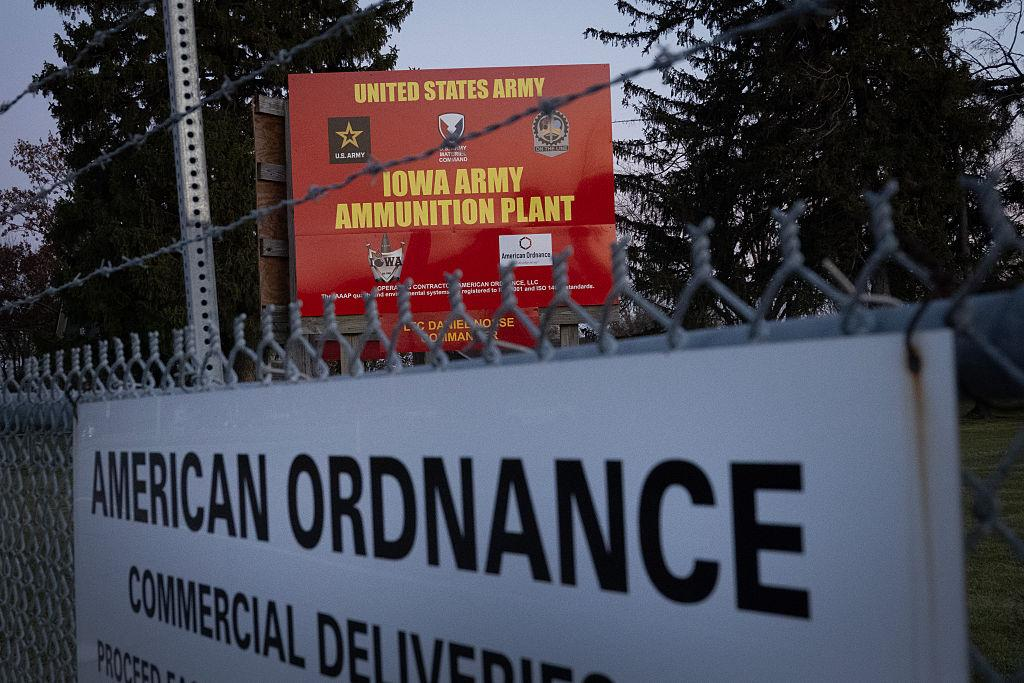
The circumstances leading to Wednesday's explosion began months earlier, when a routine military safety inspection identified significant deterioration within a stockpile of explosive chemicals.
According to the U.S. Army, approximately 68 containers holding more than 9,700 pounds of lead azide were affected.
The chemical had become increasingly unstable during storage, creating concerns about the possibility of an uncontrolled explosion.
Military specialists subsequently evaluated several options for eliminating the hazard. Officials concluded that attempting to relocate the deteriorating material would introduce unacceptable safety risks.
The decision was ultimately made to destroy the stockpile at the military installation where it had been stored. That decision placed the Army in the difficult position of eliminating an immediate explosive hazard while attempting to prevent a separate environmental emergency.
The chemical's lead content became the primary concern for communities surrounding the facility.
Ordinarily, a controlled military detonation is intended to eliminate dangerous materials under carefully managed conditions. The operation in Iowa presented an additional challenge because the substance being destroyed contained lead, a toxic metal associated with serious health consequences.
Lead-containing particles may enter the surrounding environment during an explosion. Depending on atmospheric conditions, those particles could remain suspended in the air or eventually settle on nearby surfaces. Public health specialists were particularly concerned about exposure through breathing contaminated dust or accidentally swallowing particles deposited on everyday objects. Residential gardens, agricultural fields and outdoor recreational areas were among the locations that warranted consideration.
The environmental investigation therefore extends beyond determining whether the explosion itself occurred according to plan.
It must also establish whether the operation introduced measurable contamination into surrounding communities.
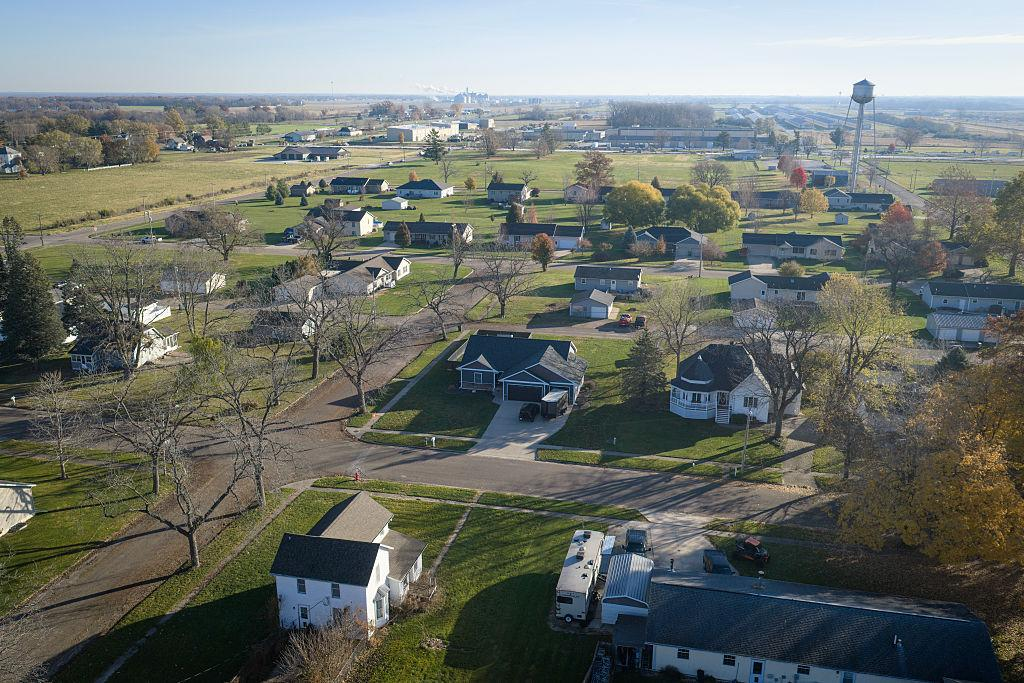
Federal authorities recommended temporary relocation for residents of Middletown and surrounding areas within a designated zone extending approximately five miles southwest of the installation.
The Federal Emergency Management Agency arranged temporary accommodation, transportation and essential supplies for eligible residents. Hotel assistance was initially scheduled to continue through November 27, with extensions available depending on individual circumstances. The timing created additional difficulties for families preparing to celebrate Thanksgiving.
Residents were required to consider leaving their homes, changing holiday arrangements and determining how to protect household members who might be particularly vulnerable to environmental exposure. Determining that figure would require registration records, local population estimates and information about households that made independent arrangements.
Images associated with Wednesday's operation showed visible white clouds rising from the military installation. For nearby communities, the appearance of smoke intensified concerns about the potential movement of hazardous substances beyond the facility.
The appearance of a plume may reflect several substances released during an industrial or military operation, including materials used to reduce environmental contamination.
Determining its actual composition requires scientific measurements.
The distinction is particularly important in assessing videos circulated online, where the size and appearance of an explosion can create an impression of danger without establishing the actual level of exposure experienced by surrounding residents.
Environmental monitoring, rather than the appearance of the cloud alone, remains the primary means of evaluating its potential health consequences.
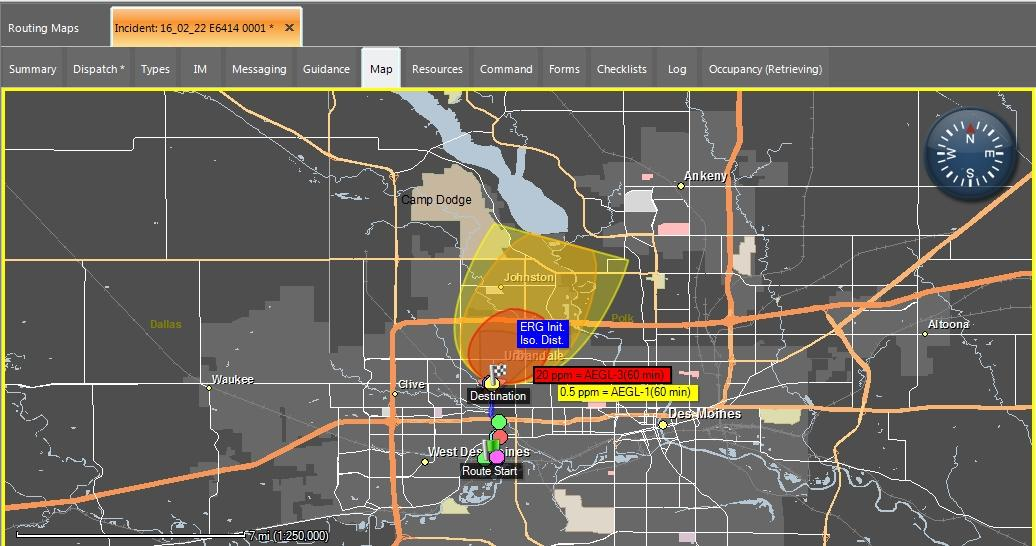
Before the explosion, federal agencies developed atmospheric projections to assess where potentially hazardous material could travel.
Maps published on November 24 indicated that prevailing weather conditions could carry particles southwest from the military installation toward portions of northern Missouri.
Missouri health authorities said the anticipated risk to their state was low, while acknowledging that the potential movement of particles depended on atmospheric conditions.
These projections influenced decisions about temporary relocation, indoor sheltering and the geographical distribution of environmental monitoring resources. However, atmospheric forecasts represent estimates of possible conditions rather than measurements of contamination that has already occurred. Subsequent sampling is necessary to determine whether material reached any particular location.
Lead exposure can affect multiple systems within the human body.
Children are especially vulnerable because their nervous systems are still developing. Exposure may interfere with learning, behavior and neurological development.
Pregnant women also face additional concerns because lead can cross the placenta and affect a developing fetus. Adults exposed to sufficiently high amounts may experience abdominal discomfort, headaches, weakness, neurological symptoms or other health complications. Long-term exposure can contribute to kidney problems, cardiovascular disease and other serious conditions.
The severity of these effects depends on factors including the amount absorbed, the duration of exposure and the person's existing health.
Iowa health officials identified young children and pregnant or breastfeeding women as populations requiring particular protection in connection with Wednesday's operation.

In a serious industrial or military environmental emergency, hospitals may encounter several different categories of patients. Individuals close to an explosion could experience physical injuries, while people farther away might develop breathing difficulties associated with airborne particles or other irritants.
Patients with asthma or existing respiratory conditions may be particularly sensitive to changes in air quality. However, emergency department visits, precautionary examinations and inpatient hospital admissions represent different medical categories.
A reliable casualty assessment would require information from hospitals, emergency medical services and state health authorities identifying the number of patients and the nature of their conditions.
Blood testing can help medical professionals assess whether an individual has absorbed lead.
However, interpreting the results requires consideration of the person's medical history and potential exposure from other sources.
Lead can be present in older buildings, contaminated soil, industrial environments and certain consumer products.
Establishing a connection with a particular environmental incident may require comparing the timing of exposure, environmental sampling data and previous medical records.
Medical professionals must also determine whether testing is appropriate and when it should be performed.
Iowa Health and Human Services distributed guidance addressing potential exposure and blood lead testing ahead of the planned detonation. The guidance forms part of the broader public health response rather than evidence that a large number of poisoning cases have already occurred.The Environmental Protection Agency is participating in a multiagency effort to evaluate the consequences of the detonation.
Environmental testing is particularly important because hazardous particles may behave differently after entering the atmosphere. Some contamination could be detected through air sampling. Other material might settle on the ground, making soil or surface testing more relevant. According to Reuters, authorities collected more than 1,200 environmental samples before the explosion to establish reference conditions.
Scientists can compare subsequent measurements with those earlier results to assess whether contamination increased following the operation. The location of the ammunition plant introduces concerns extending beyond residential neighborhoods.
Agriculture remains a central part of Iowa's economy, making the protection of farmland and livestock an important element of any environmental emergency response.
If hazardous material were deposited on agricultural land, investigators would need to assess the amount present and whether it created a meaningful exposure pathway.
Possible concerns could include contamination of animal feed, soil, surface water and agricultural equipment. Agricultural assessments require actual measurements and consideration of how the substance behaves within the environment.
Even relatively small environmental incidents can create substantial financial uncertainty when farmers are unable to determine whether their land, products or animals have been affected. Reliable testing therefore serves both public health and economic purposes.
The destruction of the stockpile followed a legal dispute concerning the environmental risks of the planned operation. Environmental organizations challenged the government's approach, raising questions about whether the proposed safeguards would adequately protect surrounding communities.
The case reached the U.S. Court of Appeals for the Eighth Circuit, which temporarily delayed the operation before allowing it to proceed.
The court lifted its temporary administrative stay on November 23 and denied an emergency request to prevent the operation. The dispute reflected two competing public safety concerns. Federal officials argued that the deteriorating explosive material presented a serious immediate hazard. Environmental advocates questioned whether destroying it through a controlled explosion could introduce a separate contamination problem.
The court's decision permitted the operation to proceed while the broader litigation continued.
The operation attracted attention from the White House as federal agencies prepared to destroy the stockpile. The court subsequently removed its temporary restriction.
The following day, senior representatives from the Army, EPA, FEMA, federal health agencies and the Department of Agriculture participated in a public briefing outlining the coordinated response.
Their responsibilities extended across several different areas, including disaster assistance, military safety, environmental monitoring and public health protection.
The involvement of multiple agencies reflected the complexity of an operation involving both explosive hazards and potential chemical contamination. Following Wednesday's operation, Army officials reported that the unstable stockpile had been successfully destroyed.
Reuters reported that the Army found no secondary explosions or damage to surrounding infrastructure. FEMA subsequently issued an all-clear after the initial emergency response. However, the completion of the military operation and the conclusion of the environmental investigation represent two separate milestones. The first establishes whether the immediate explosive hazard was eliminated.
The second requires determining whether the destruction process introduced contamination into surrounding communities.
Preliminary monitoring produced encouraging results, but additional environmental assessment remains important for answering questions about potential deposition.
For residents returning home, the most significant information will be whether independent measurements identify contamination requiring further action.
The central question raised by reports of a major medical emergency in Iowa is whether hospital records establish widespread illness following the explosion.
At present, the documented federal response centers on precautionary relocation, environmental monitoring and efforts to assess potential exposure.
The reviewed reports establish neither 10,000 completed evacuations nor more than 200 hospital admissions.
The strongest documented public health concern is possible exposure to lead-containing particles, rather than an established outbreak of acute chemical poisoning.
Any subsequent reports of illness would require careful evaluation to determine whether symptoms were medically connected to Wednesday's operation.
That evaluation could involve clinical findings, environmental measurements and the circumstances surrounding each patient's potential exposure. The destruction of nearly five tons of unstable explosive material has ended the immediate threat posed by the deteriorating stockpile at the Iowa Army Ammunition Plant.
For surrounding communities, however, the next phase involves determining whether the operation produced environmental consequences requiring medical intervention, property assessment or additional protective measures.
The preliminary air-monitoring results are encouraging. Further testing of soil, water and other environmental samples could provide a more comprehensive picture.
Comments (0)
Loading comments...
May You Like

CARIBBEAN PRINCESS: 5,000+ ABOARD, UNKNOWN VIRUS—CHINESE PASSENGER IS FIRST KNOWN CASE!

IOWA MILITARY DISASTER: 5 TONS OF SUSPECTED BIOWEAPON WASTE LEAK—301+ HOSPITALIZED, 20 CRITICAL!

PACIFICA PIER IN CALIFORNIA COLLAPSE REVEALS MASSIVE CRACK BENEATH THE OCEAN!









Popular Posts



