
IRAN CLAIMS DRONE STRIKES ON U.S. PATRIOT SYSTEMS — HOW HARD WILL AMERICA HIT BACK?
IRAN TARGETS U.S. PATRIOT AIR DEFENSE SYSTEMS IN KUWAIT — COULD TEHRAN FACE A DEVASTATING AMERICAN RESPONSE?
KUWAIT CITY, KUWAIT — NOVEMBER 19, 2026
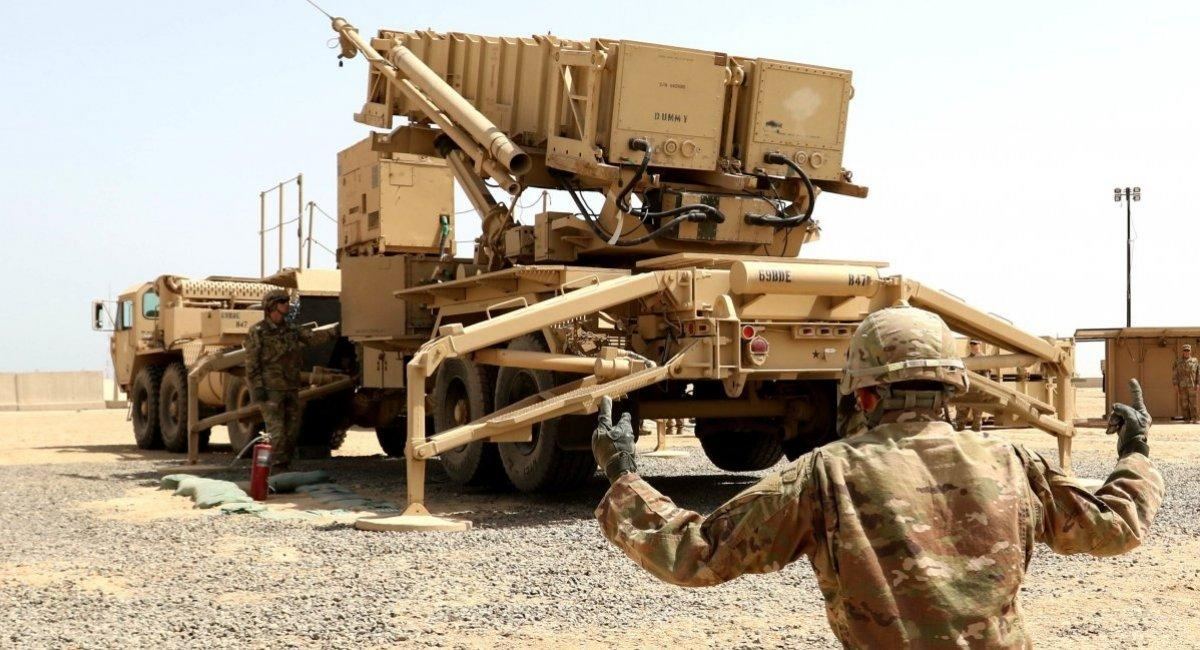
American air defenses in the crosshairs. Iranian drones reportedly targeting some of Washington's most valuable military assets. And Tehran threatening relentless retaliation.
Iran claims to have launched drone attacks targeting American Patriot air defense systems in Kuwait, raising fears of further military escalation across the Persian Gulf.
The extent of the damage remains unconfirmed, and Iran's claims do not establish that the American defense systems were successfully destroyed.
Nevertheless, the reported operation raises a critical question for Washington: how should the United States respond to attempts to undermine the defenses protecting American forces overseas?
Has Tehran made a dangerous military miscalculation — or is Iran deliberately testing America's patience?
Iran Claims to Have Struck American Patriot Systems

In the early hours of November 18, the Iranian army announced that it had launched combat drones against American military installations at Ali Al Salem Air Base in Kuwait.
According to Iranian state media, the operation targeted Patriot air defense systems and facilities supporting American missile and drone operations.
Tehran described the attack as retaliation for American airstrikes against Iranian territory the previous day.
mobil.aa.com.tr+1
The announcement immediately raised concerns about the security of American forces stationed throughout the Persian Gulf.
However, Iranian authorities have not provided independently verified evidence establishing that the Patriot systems were destroyed.
Kuwait Activates Air Defenses as American Forces Come Under Threat
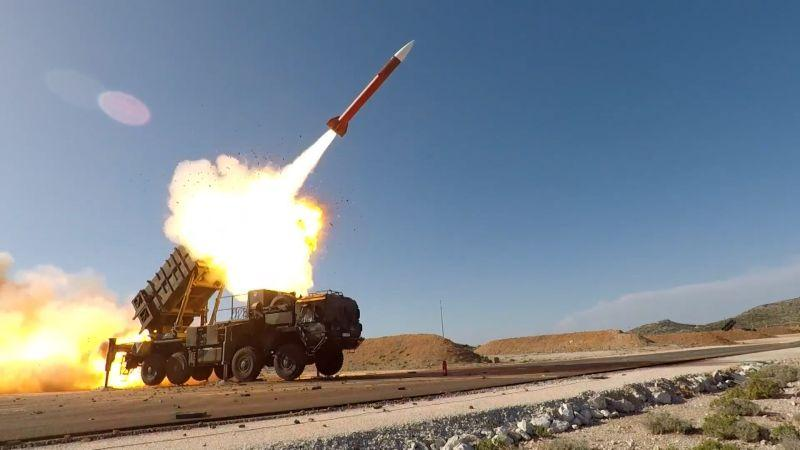
Kuwait's military confirmed that its air defenses had responded to incoming hostile drones.
Authorities explained that explosions heard by residents were associated with interception operations and urged the public to follow official safety instructions.
Fox News
Meanwhile, U.S. Central Command reported that no American military personnel had been injured in the Iranian attacks launched this week.
CBS News
The full extent of any equipment damage remains independently unverified.
Tehran claims to have struck American military assets. But targeting a Patriot system and successfully destroying one are two very different things.
America's Fierce Counterattack: Fighter Jets Strike Iranian Territory
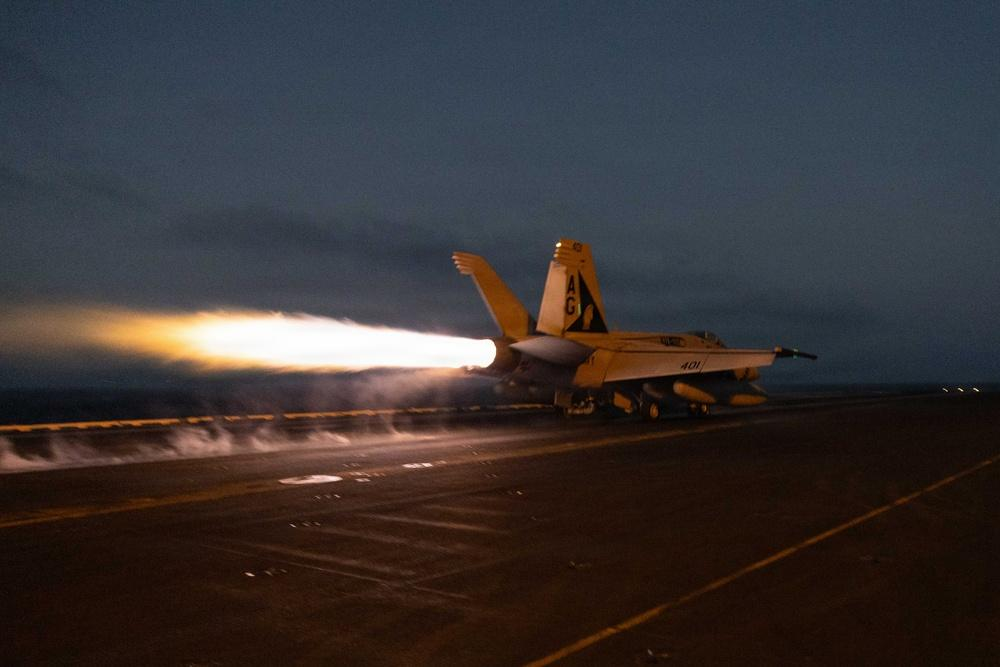
The latest Iranian offensive followed an American military operation on November 17.
U.S. fighter jets struck a Revolutionary Guard missile launch facility on Iran's Qeshm Island, following Iranian attacks against American military assets in Bahrain.
An American military official characterized the operation as a defensive response to threats against U.S. personnel and equipment.
Investing.com
The renewed exchange of fire demonstrates how rapidly a confrontation involving individual military installations can expand across multiple countries.
Instead of ending the hostilities, American retaliation was followed by another Iranian offensive.
Iranian Army Chief Issues a Chilling Warning

On November 18, Iranian army commander Major General Amir Hatami warned Washington against further military action.
According to Iranian state media, Hatami declared that Iran would respond:
“More forcefully and severely, without geographical limitations.”
The statement signals Tehran's determination to continue retaliating if American military operations persist.
ABC News
However, the remarks do not establish that Iran has authorized another specific offensive.
For Washington, the threat creates another serious challenge: protecting American personnel without allowing the confrontation to develop into an uncontrollable regional war.
Why America's Patriot Systems Are So Important
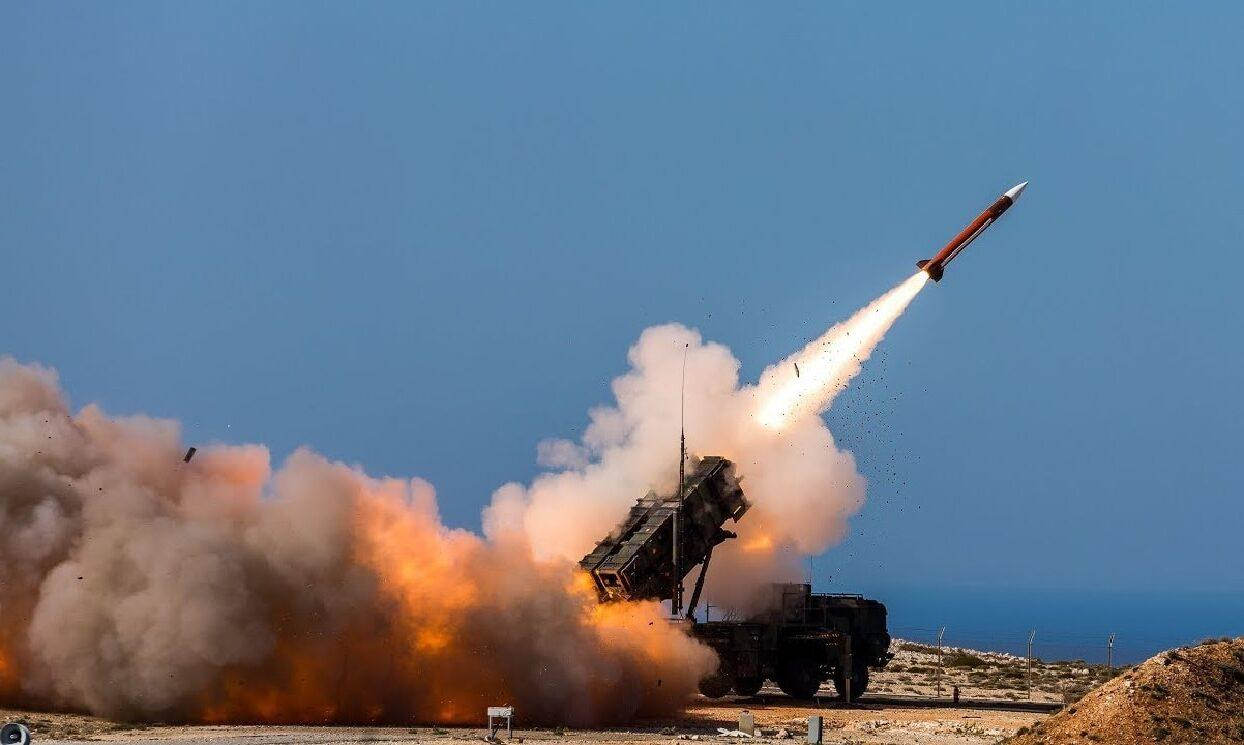
The Patriot is among America's most important ground-based air defense systems.
Designed to intercept various aerial threats, including aircraft, cruise missiles and tactical ballistic missiles, the system plays a critical role in protecting American forces and allied military installations.
Its capabilities make it a valuable defensive asset in regions facing missile and drone threats.
The destruction of such equipment could impose substantial financial and operational costs on the United States.
However, no independently verified assessment has established that Iran successfully destroyed a Patriot system during the latest attack in Kuwait.
Iran's announcement is significant, but the actual military outcome remains uncertain.
The Military Breakdown: What Has Actually Happened?
November 17 — Bahrain
Iran targets American military radar infrastructure.
November 17 — Qeshm Island
American fighter jets strike an Iranian missile facility.
November 18 — Kuwait
Iran announces drone attacks targeting American Patriot systems and other military equipment.
November 18 — American response
CENTCOM reports no injuries to American military personnel.
November 19 — Current assessment
Destruction of Patriot systems remains unverified. Further escalation is possible.
Reuters+2
Could Iran Face an Overwhelming American Military Response?
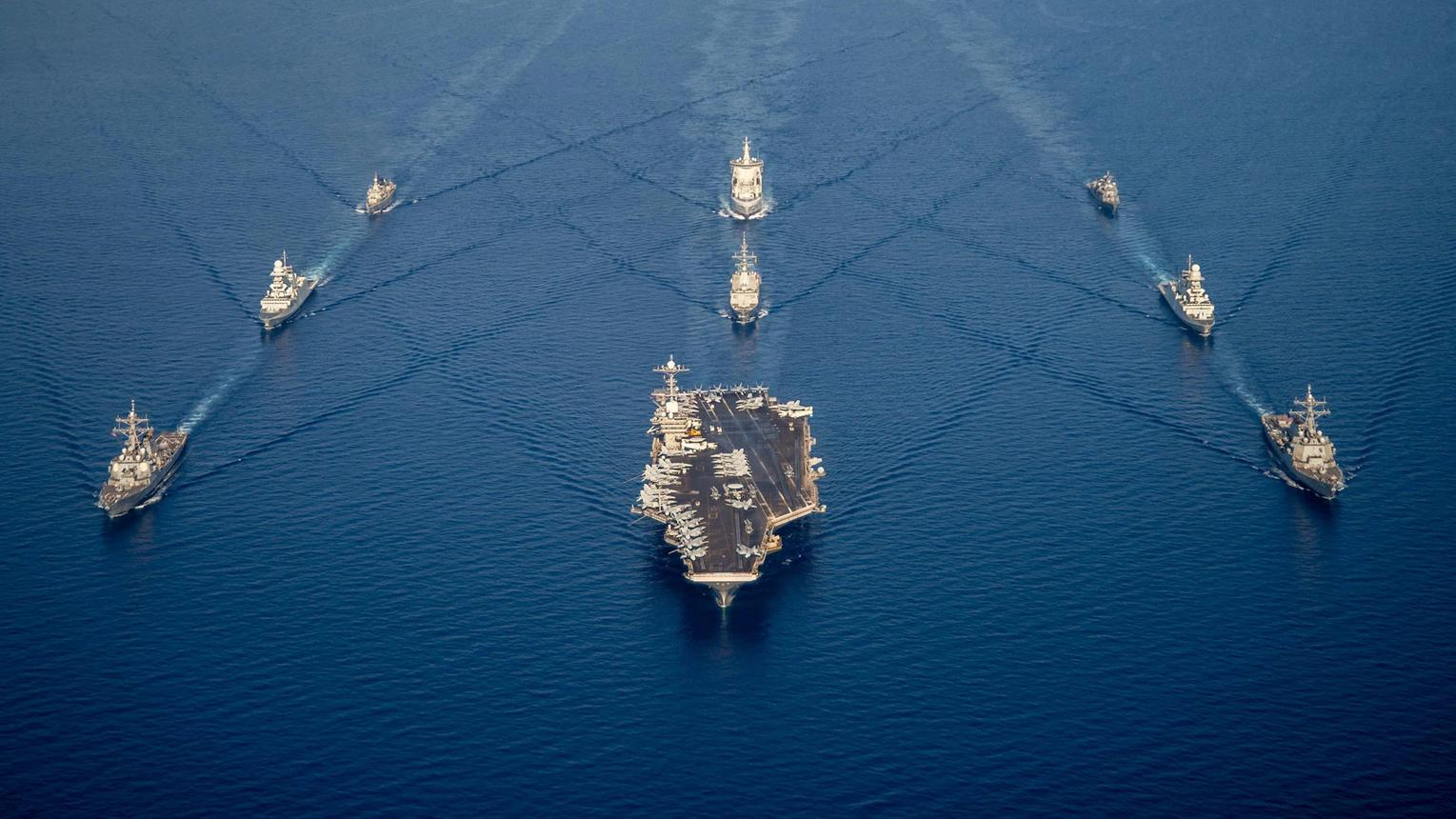
The United States possesses formidable military capabilities that give Washington numerous options for responding to threats against its forces.
Advanced stealth aircraft, nuclear-powered aircraft carriers, precision-guided weapons and sophisticated intelligence systems provide the Pentagon with considerable conventional military advantages.
If Iran continues targeting American installations, Washington could increase military readiness, reinforce regional defenses or authorize additional retaliatory operations.
However, no new large-scale American offensive specifically responding to the Kuwait attack has been established by the available reports.
Iran also retains significant military capabilities, meaning that further escalation could expose American troops and regional civilians to additional danger.
Washington possesses extraordinary firepower. But the ability to inflict devastating damage does not guarantee a decisive end to the war.
Kuwait and Other Gulf Nations Are Being Dragged Into the Crossfire

Iran's latest offensive marked its first reported attack on Kuwait since September.
The renewed hostilities have also affected Bahrain, while Saudi Arabia faces separate attacks from Iran-aligned Houthi forces in Yemen.
Investing.com
For Gulf governments, the conflict presents an increasingly dangerous dilemma.
Their defense relationships with Washington provide important security benefits, but the presence of American military installations has also become a source of tension with Tehran.
A prolonged confrontation could threaten regional stability, civilian infrastructure and international commerce.
The Economic Fallout: Could Americans End Up Paying the Price?
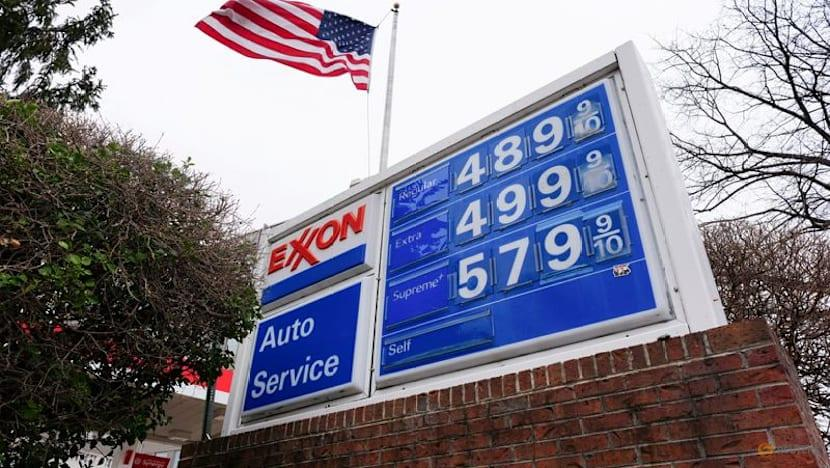
The escalating conflict carries consequences far beyond the Middle East.
The Strait of Hormuz remains one of the world's most important energy transportation routes.
Further disruption to commercial shipping could intensify pressure on global energy markets and ultimately affect American consumers.
The potential consequences include:
-
Higher gasoline prices across the United States.
Increased transportation and manufacturing costs.
Disrupted international supply chains.
Additional military expenditures funded by American taxpayers.
Greater risks for American military personnel stationed overseas.
A military confrontation thousands of miles away could become a financial burden for millions of American households.
Trump's Next Move: More Firepower or a Diplomatic Breakthrough?
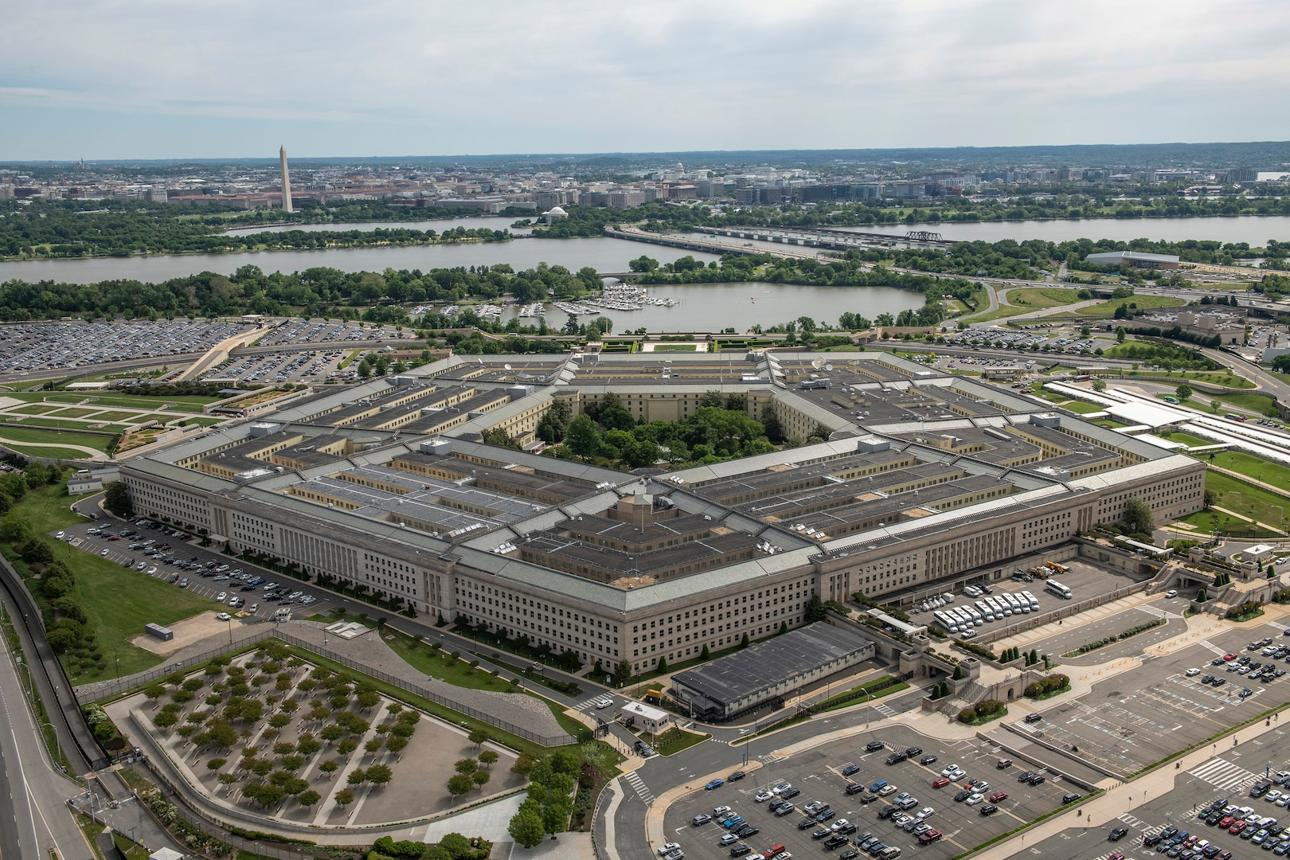
President Donald Trump faces an increasingly complicated strategic decision.
A stronger military response could potentially discourage Iran from launching further attacks. However, it could also trigger additional retaliation.
Meanwhile, Qatar and Oman continue pursuing diplomatic efforts aimed at resolving the conflict, despite the latest exchange of fire.
Reuters
The Trump administration must balance the protection of American military personnel with the broader objective of preventing a more destructive regional confrontation.
The consequences of that decision could shape America's military involvement in the Middle East for years to come.
Has Iran Made a Catastrophic Miscalculation?
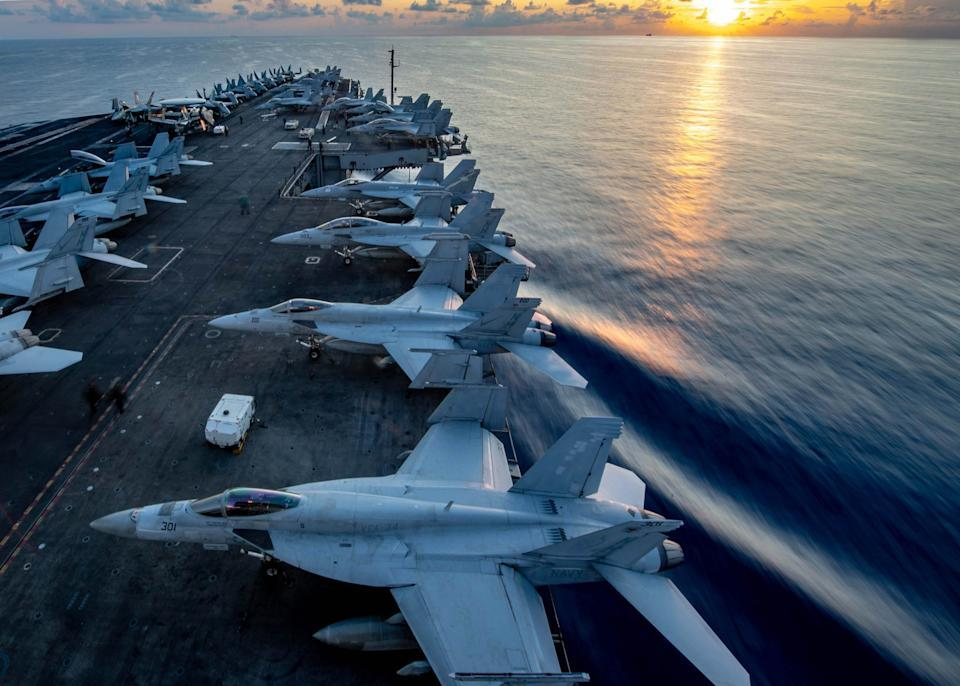
Iran claims to have targeted some of America's most important air defense equipment.
Kuwait has activated its defensive systems.
American military officials have reported no injuries to U.S. personnel.
And Tehran continues threatening further retaliation.
The immediate military consequences of the attack remain uncertain. But the strategic danger is unmistakable.
Every additional military confrontation increases the risk of a miscalculation that could produce devastating consequences for both countries.
America has the firepower. Tehran remains defiant. And the Middle East stands at another dangerous crossroads.
Will Washington's military response finally force Iran to reconsider its strategy?
Or will Tehran's relentless retaliation drag the entire region into an even more destructive confrontation?
Should President Trump intensify military pressure on Iran, or should Washington pursue diplomacy before the conflict spirals out of control?
AMERICA, WHAT DO YOU THINK? SHARE YOUR OPINION IN THE COMMENTS BELOW!
Comments (0)
Loading comments...
May You Like

IRAN WARNS WASHINGTON — HOW SERIOUS IS THE THREAT TO U.S. MILITARY BASES?

BANGCHAK REFINERY IN THAILAND SHUT DOWN, U.S. OIL PRICES JUMP 10%!

ELON MUSK’S $18 BILLION SPACEX STOCK GIFT FOR EVERY AMERICAN CHILD








Popular Posts




