
IRAN CLAIMS IT FIRED AT U.S. WARPLANES — WAS AN AMERICAN F-16 FORCED TO RETREAT?
IRAN CLAIMS IT FIRED AT U.S. WARPLANES: WAS AN AMERICAN F-16 FORCED TO ABANDON ITS MISSION?
WASHINGTON, D.C. / TEHRAN — NOVEMBER 28, 2026
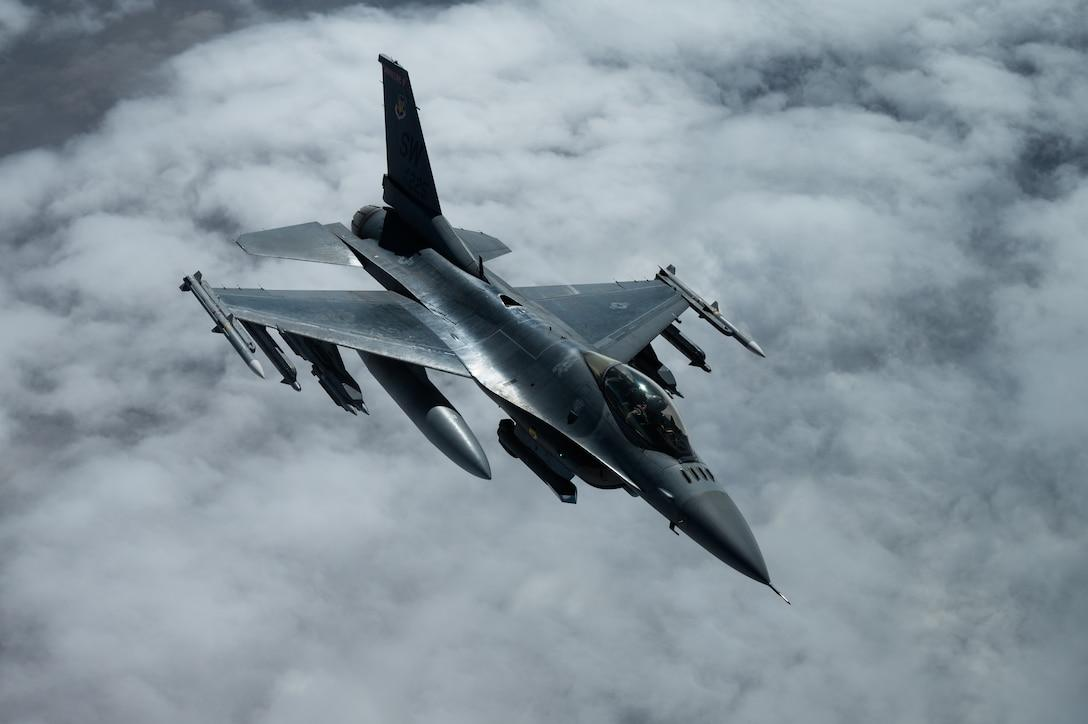
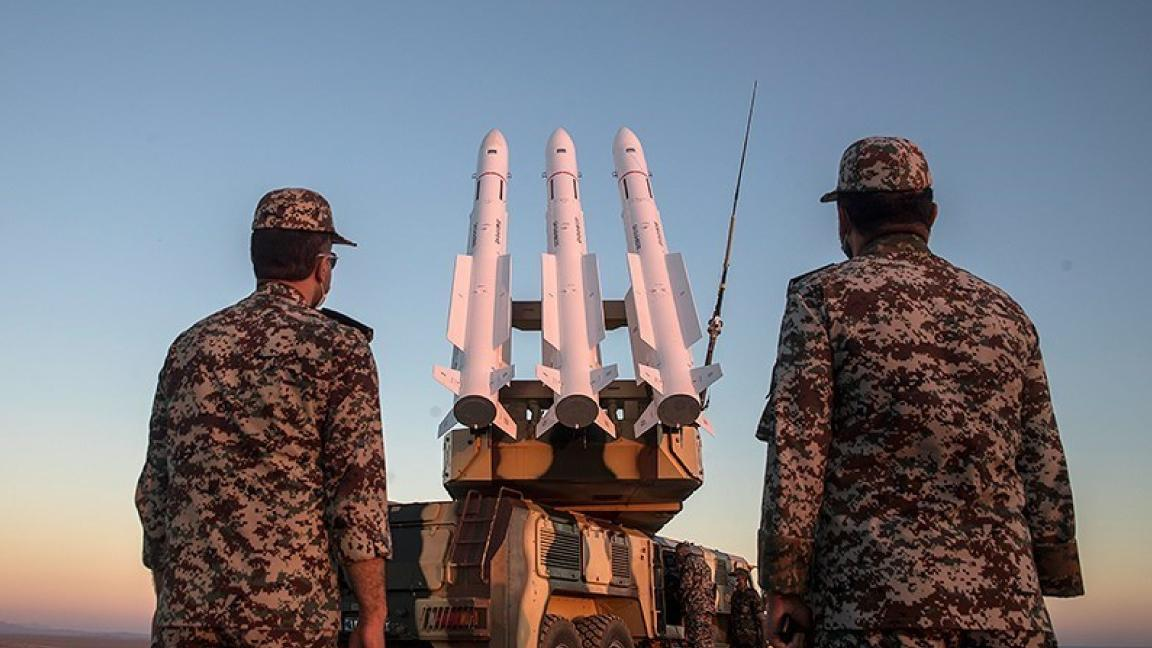
A reported military confrontation between Iran and the United States is raising fresh concerns about the possibility of escalating hostilities in the Middle East.
Tehran claims that Iranian forces opened fire on American military aircraft, allegedly forcing a U.S. F-16 fighter jet to abandon its mission.
If confirmed, the encounter could represent a serious escalation in tensions between Washington and Tehran. However, Iran's account must be distinguished from independently verified evidence.
What really happened, and could this confrontation trigger a broader military conflict?
1. Iran Claims It Forced an American F-16 to Retreat
On November 27, Iran's Islamic Revolutionary Guard Corps (IRGC) announced that its air defense forces had fired warning shots at an American F-16 fighter jet near Hengam Island in the Persian Gulf.
According to the Iranian statement broadcast by state media, the aircraft was supporting maritime operations when the confrontation occurred.
Tehran claimed the American fighter subsequently withdrew. However, American officials had not immediately responded to the allegations.
Anadolu Ajansı+1
Date of announcement
November 27, 2026
Aircraft involved
F-16 Fighting Falcon
Aircraft damage
Not confirmed
Iranian account
Warning shots fired
Independent verification
Pending
2. Where Did the Confrontation Occur?
Use two fingers to move the map
Use ctrl + scroll to zoom the map
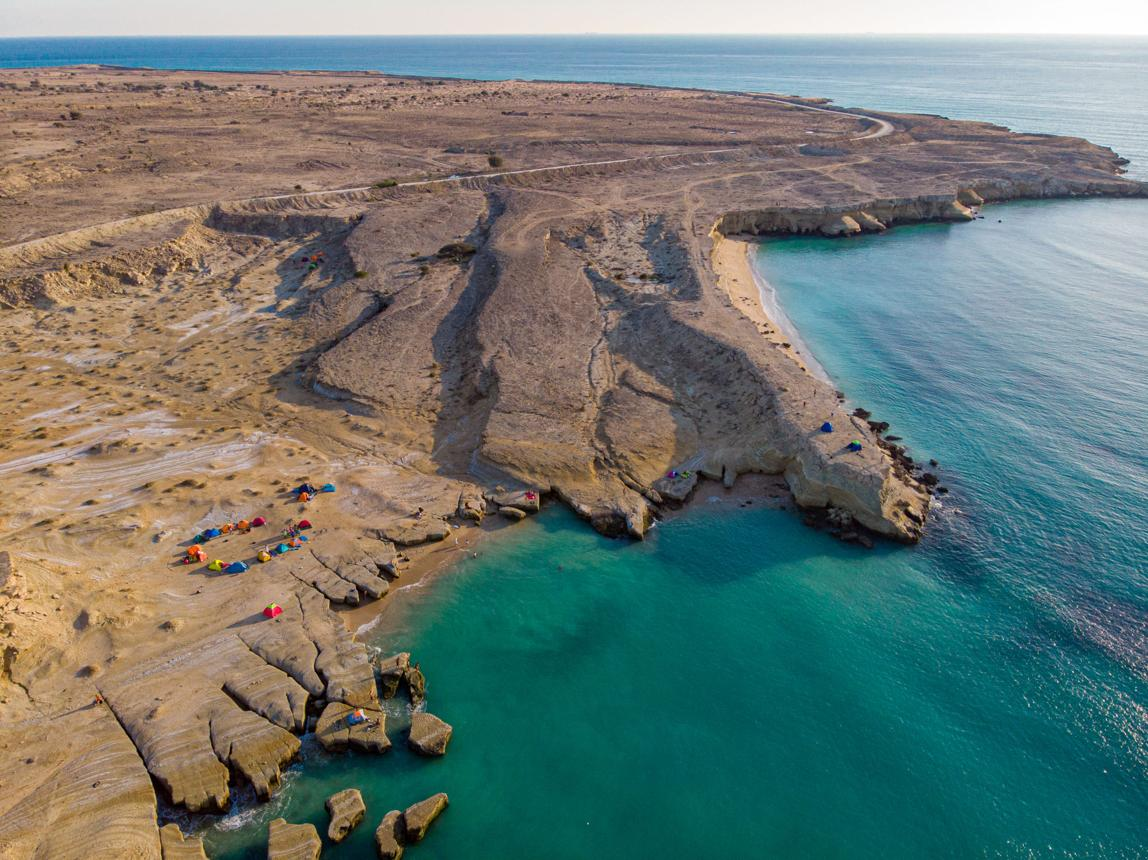
The reported confrontation occurred near Hengam Island, close to the strategically important Strait of Hormuz.
This maritime passage is particularly important to international energy supplies and commercial shipping.
Military confrontations in the surrounding region could consequently have significant international economic and security implications.
3. America Previously Denied a Similar Iranian Claim
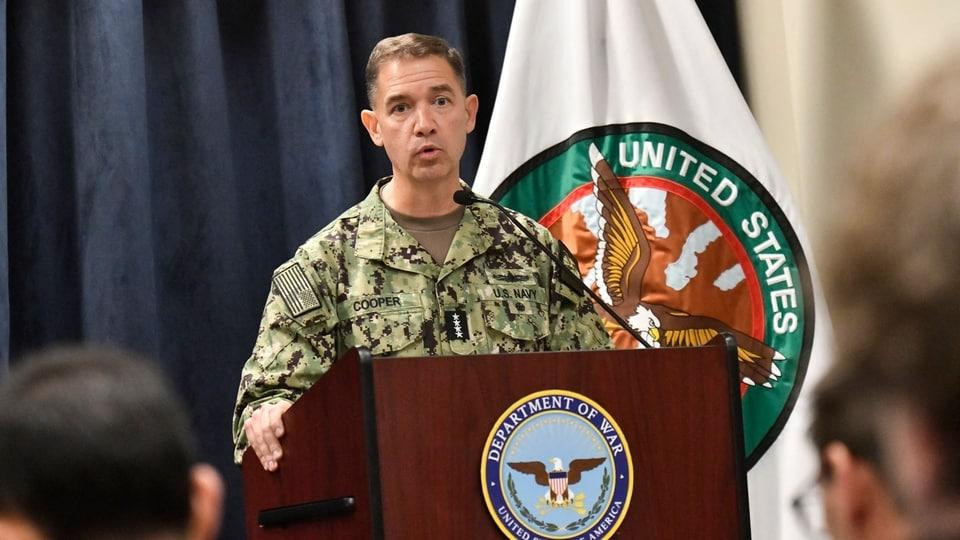
This is not the first time Tehran has claimed to have confronted an American F-16.
On November 21, Iranian authorities alleged that an American fighter had been damaged and forced to make an emergency landing during a separate incident.
However, U.S. Central Command (CENTCOM) categorically rejected that allegation, stating:
“Iran did not attack a US F-16 fighter aircraft yesterday — at all.”
CENTCOM also confirmed that American fighter aircraft in the region were accounted for.
Reuters+1
These two incidents must not be confused.
|
November 21 |
November 27
Iranian claim
Aircraft damaged
Warning shots fired
Reported outcome
Emergency landing
Aircraft withdrew
U.S. response
Explicit denial
No immediate response
Independent confirmation
Not established
Not established
4. Why Is the F-16 Important to American Military Operations?
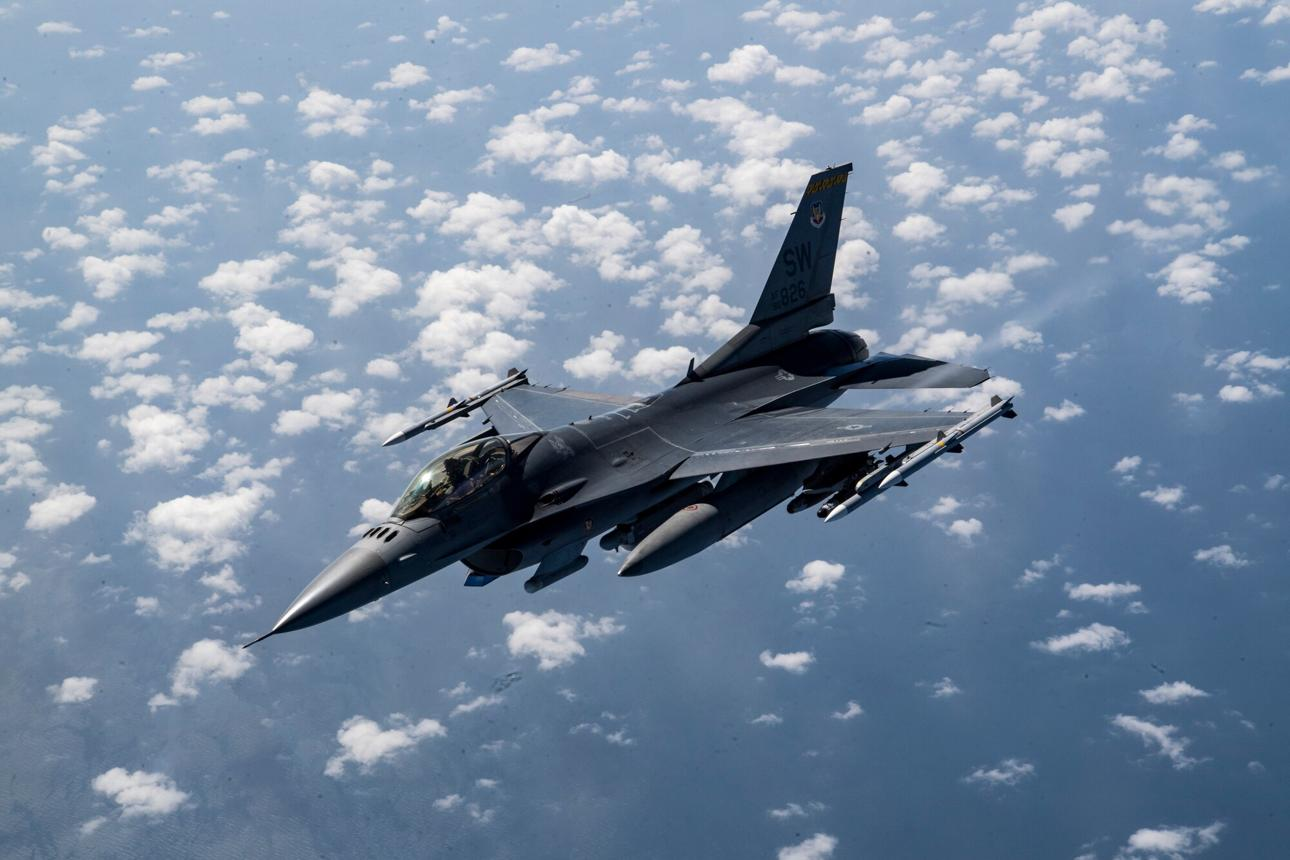
The F-16 Fighting Falcon is one of America's best-known multirole fighter aircraft.
Developed during the 1970s, the aircraft has undergone extensive modernization and remains an important component of American and allied air forces.
Its versatility allows it to support multiple military objectives, including air defense and international security operations.
However, an aircraft changing course during a confrontation does not necessarily establish that it was damaged or defeated. Such decisions may also reflect safety considerations and efforts to avoid escalation.
5. Iran Sends Another Warning to Washington
Tehran has threatened further defensive action if American aircraft engage in activities that Iranian authorities consider violations of their territorial or maritime regulations.
The latest warning reflects continuing disagreements between Washington and Tehran over maritime security in the Strait of Hormuz.
Anadolu Ajansı
Nevertheless, Iran's characterization of the American operation does not independently establish that U.S. forces violated international law.
6. Could This Incident Trigger a Wider War?
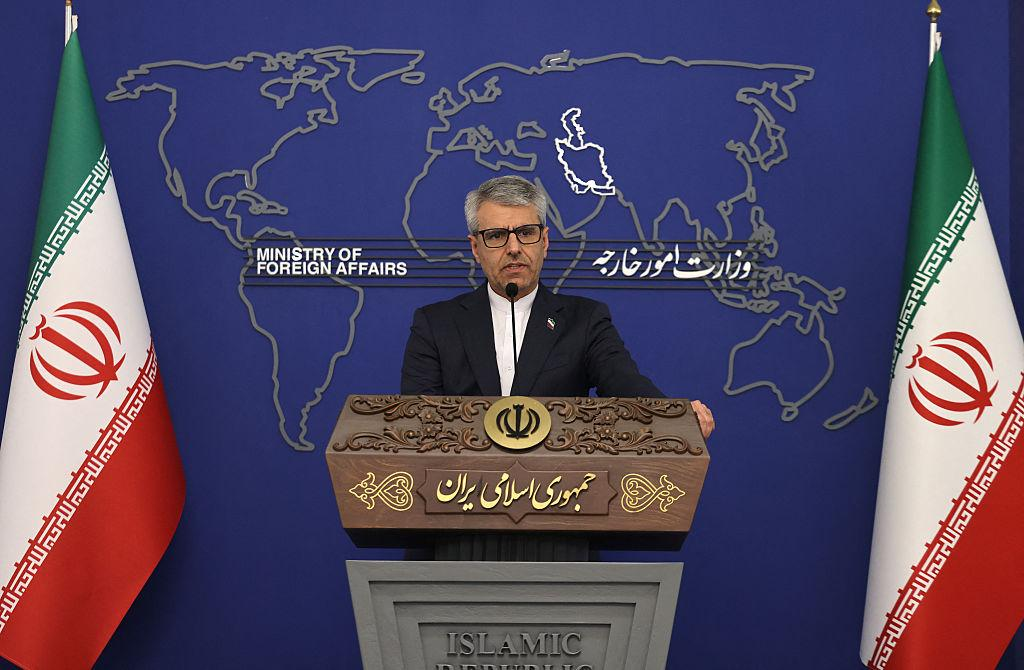
Diplomatic relations between Washington and Tehran remain strained.
A Pakistani-mediated memorandum signed on June 18 has faced difficulties over maritime navigation disputes, according to Anadolu Agency.
Military confrontations have continued intermittently despite diplomatic efforts.
Yeni Safak English
Even a relatively limited military encounter could increase the risk of misunderstandings, retaliation and further confrontation.
However, the latest Iranian announcement does not establish that either government has decided to initiate a new large-scale military offensive.
7. What Could This Mean for Ordinary Americans?
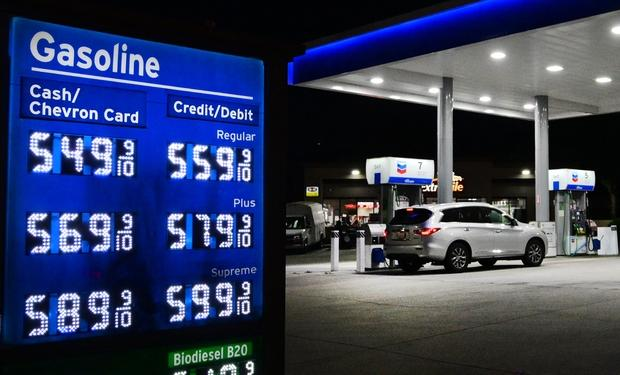
A wider confrontation in the Persian Gulf could have economic consequences far beyond the Middle East.
Potential impacts include:
-
Higher oil and gasoline prices.
Increased international shipping expenses.
Rising transportation and manufacturing costs.
Additional American military expenditure.
Greater uncertainty across global financial markets.
For American households already concerned about living expenses, disruptions to international energy supplies could create additional financial pressure.
8. How Much Could Higher Gas Prices Cost American Families?
Potential increase in household fuel expenses
Monthly gasoline consumption
80 gallons
Hypothetical gasoline price increase
$0.50/gal
Additional monthly expense
$40
Additional annual expense
$480
Illustrative calculation, not a prediction of future gasoline prices.
9. What Has Actually Been Confirmed?
|
Claim |
Evidence status
Iran issued a military statement on November 27
Confirmed
Iranian forces fired warning shots
Iranian claim
An American F-16 was forced to withdraw
Unverified
An American fighter was damaged in the latest incident
Not established
American personnel were injured
Not established
Washington denied a similar November 21 allegation
Confirmed
Anadolu Ajansı+1
10. A Dangerous Moment for Middle East Security
The latest confrontation highlights the continuing risks facing American military personnel operating in the Middle East.
While Tehran portrays the reported encounter as a successful demonstration of its defensive capabilities, independent confirmation remains unavailable.
Diplomatic communication and careful crisis management remain essential to preventing further escalation.
Iran claims it forced an American fighter jet to retreat. Washington's response to this latest allegation remains an important unanswered question. The greatest concern is whether another military encounter could push both countries toward a much wider conflict.
AMERICA, WHAT DO YOU THINK? SHOULD WASHINGTON INCREASE MILITARY PRESSURE ON IRAN OR PURSUE FURTHER DIPLOMATIC NEGOTIATIONS TO PROTECT AMERICAN TROOPS AND PREVENT A WIDER WAR? SHARE YOUR OPINION IN THE COMMENTS BELOW!
Comments (0)
Loading comments...
May You Like

I-75 THANKSGIVING NIGHTMARE — MAIL TRUCK CRASH RAISES OVERPASS COLLAPSE FEARS!

IOWA CRISIS — 150+ WITH LEAD AND MERCURY POISONING, 69 CRITICAL!

AMERICA'S TRADE DEFICIT SURGES — WHAT DOES IT MEAN FOR AMERICAN FAMILIES?













