
IRAN CLAIMS TO HAVE SHOT DOWN A U.S. DRONE WORTH $30 MILLION — WHAT DIRE CONSEQUENCES MIGHT IRAN FACE?
IRAN CLAIMS TO HAVE SHOT DOWN A $30 MILLION U.S. REAPER DRONE — COULD AMERICA’S RETALIATION BE DEVASTATING?
PERSIAN GULF — NOVEMBER 19, 2026
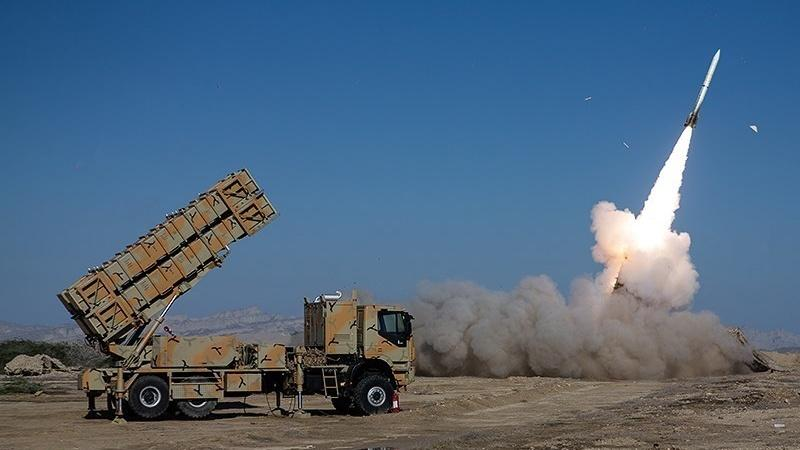
A multimillion-dollar American surveillance drone. An Iranian missile. And another potentially dangerous escalation near the Strait of Hormuz.
Iran has reportedly released dramatic footage claiming to show the destruction of a U.S. MQ-9 Reaper drone near one of the world's most strategically important waterways.
If confirmed, the incident would represent another significant confrontation between Washington and Tehran.
However, the authenticity of the footage, the circumstances surrounding the reported interception and the extent of any American retaliation require careful examination.
Has Iran scored a major military victory — or risked provoking an even more powerful American response?
Iran Announces the Destruction of an American MQ-9 Reaper
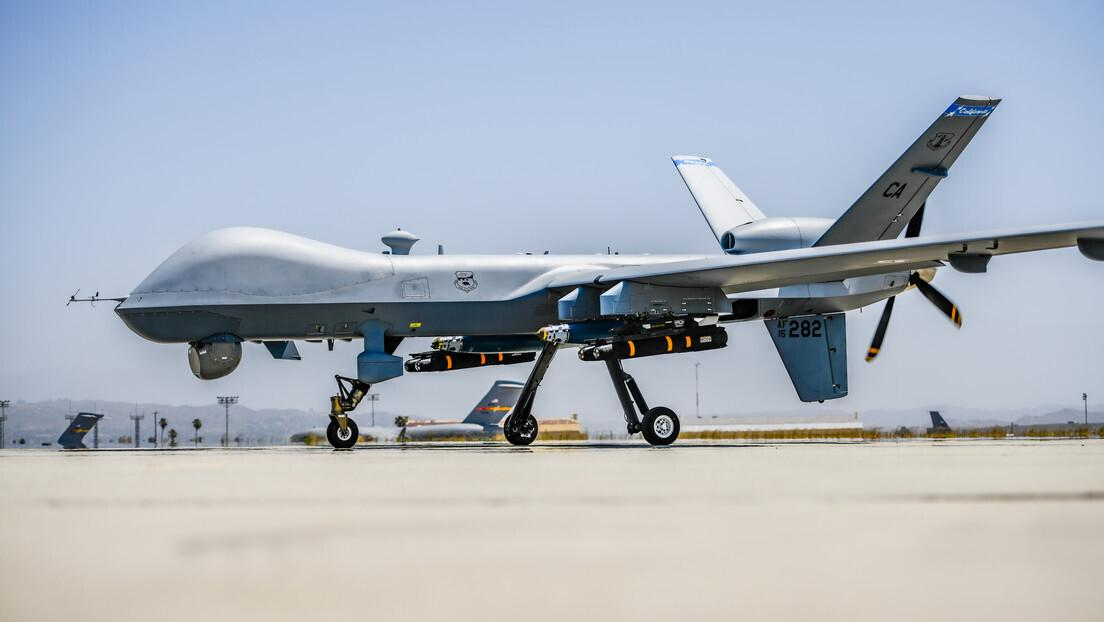
On November 18, Iran's Army announced that its air defense forces had detected and destroyed an American MQ-9 Reaper east of the Strait of Hormuz.
According to Iranian state media, the operation was conducted using domestically developed air defense equipment operated by military units in southeastern Iran.
The announcement came just one day after Iran's Islamic Revolutionary Guard Corps (IRGC) claimed to have destroyed another American drone, identified as an MQ-1, south of Qeshm Island.
PressTV+1
Tehran has portrayed these operations as evidence of its ability to challenge America's sophisticated military technology.
However, Washington has not publicly confirmed the latest MQ-9 loss in the reports reviewed.
Dramatic Footage — But Does It Prove the Drone Was Destroyed?
The reported footage has intensified attention surrounding Iran's claims.
However, the November 18 report published by Iranian state broadcaster Press TV identifies its accompanying image of an interception as archival material.
There is currently insufficient independently verified evidence to establish that the footage depicts this particular incident.
PressTV+1
A military announcement is not the same as an independently confirmed battlefield victory.
Establishing what actually happened would require additional evidence, such as authenticated footage, identifiable wreckage or confirmation from American military officials.
The $30 Million Flying Machine: Why the MQ-9 Reaper Matters
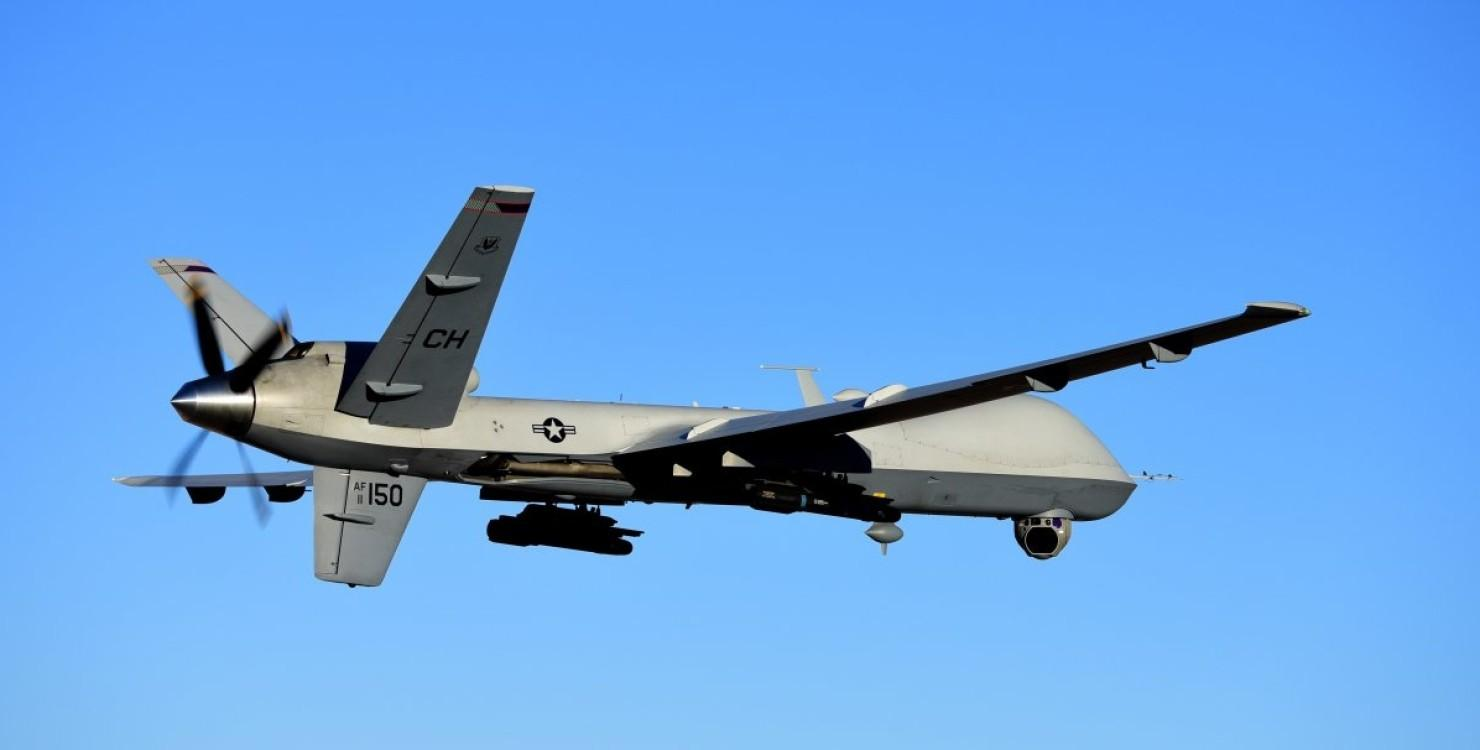
Developed by General Atomics, the MQ-9 Reaper is among America's most recognizable remotely piloted military aircraft.
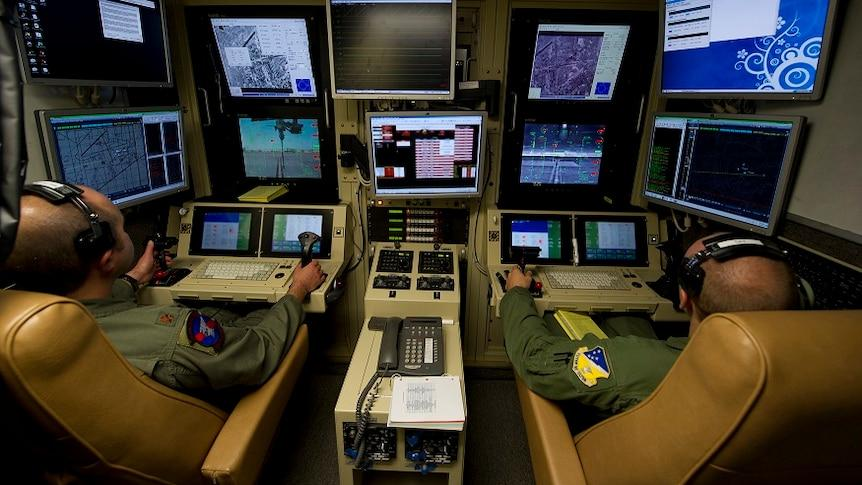
Designed for extended surveillance and precision strike missions, the Reaper provides American commanders with valuable intelligence without directly exposing pilots to hostile airspace.
MQ-9 Reaper — Technical specifications
Estimated aircraft value
Around $30M
Wingspan
66 feet
Maximum flight altitude
50,000 feet
Flight endurance
27+ hours
Approximate specifications and estimated value vary according to configuration and procurement arrangements.
The potential loss of a Reaper would represent more than the destruction of an expensive aircraft.
It could also temporarily disrupt intelligence gathering and surveillance operations in the region.
America Strikes Back: U.S. Fighter Jets Bomb Qeshm Island
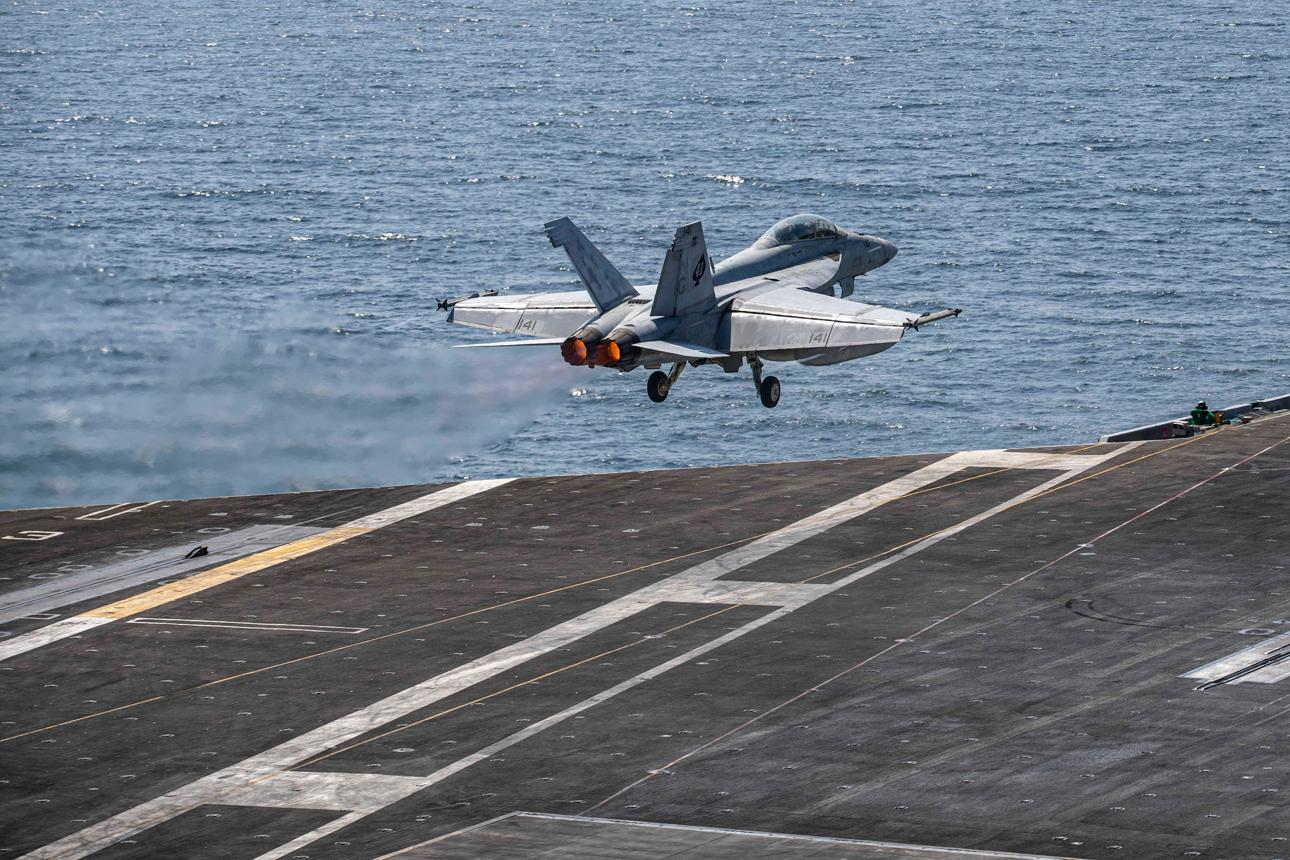
The United States has already demonstrated its willingness to conduct retaliatory military operations against Iran.
On November 17, American fighter jets attacked an Iranian Revolutionary Guard missile launch facility on Qeshm Island.
The Pentagon's response followed an Iranian drone attack targeting American radar equipment in Bahrain.
U.S. Central Command said those incoming drones were intercepted without injuries to American personnel or damage to U.S. equipment.
AP News+1
However, the American strike occurred before Iran's latest MQ-9 announcement.
There is no verified evidence that the Qeshm Island operation was retaliation for the alleged November 18 Reaper shootdown.
The Military Confrontation: How Events Unfolded
November 17 — Bahrain
Iran launches drones targeting an American radar installation.
November 17 — Qeshm Island
American fighter jets strike an Iranian missile facility.
November 18 — Kuwait
Iran claims to have targeted American Patriot systems and other military assets.
November 18 — Strait of Hormuz
Iran announces the alleged destruction of an MQ-9 Reaper.
Al Jazeera+1
Why the Strait of Hormuz Has Become a Dangerous Flashpoint
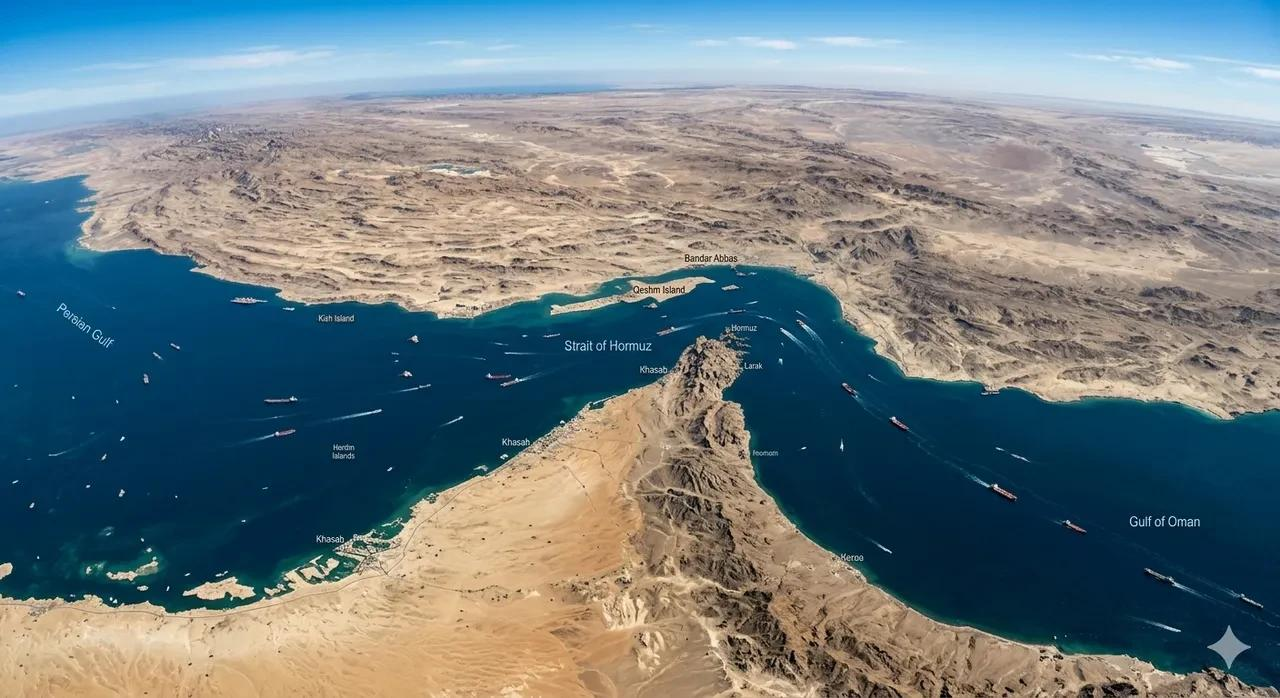
The Strait of Hormuz is one of the most economically significant maritime passageways in the world.
⚓
📍
📍
📍
Use two fingers to move the map
Use ctrl + scroll to zoom the map
Approximately one-fifth of global petroleum consumption has historically passed through this narrow waterway.
American surveillance operations in the region help Washington monitor maritime activity, assess potential threats and protect its regional interests.
Iran, meanwhile, views American military operations near its territory as a threat to its national sovereignty.
The competing positions create a dangerous environment in which another military incident could trigger a much broader confrontation.
Has Iran Exposed a Weakness in America's Drone Fleet?
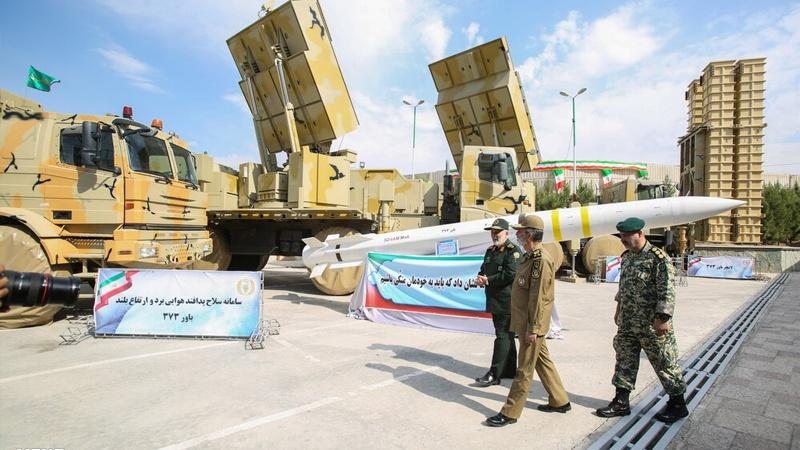
According to Air & Space Forces Magazine, individuals familiar with American military operations estimated that approximately 50 MQ-9 Reapers had been downed by Iran since hostilities began in February.
The figure is attributed to the publication's sources rather than a publicly released Pentagon inventory assessment.
Air & Space Forces Magazine
If accurate, those losses would highlight the challenges of operating expensive surveillance aircraft in contested airspace.
Even advanced American military technology is not invulnerable.
However, the loss of individual drones does not establish Iranian military superiority over the United States.
Washington retains extensive intelligence, surveillance and conventional military capabilities.
Could Iran Face a Devastating American Counterattack?
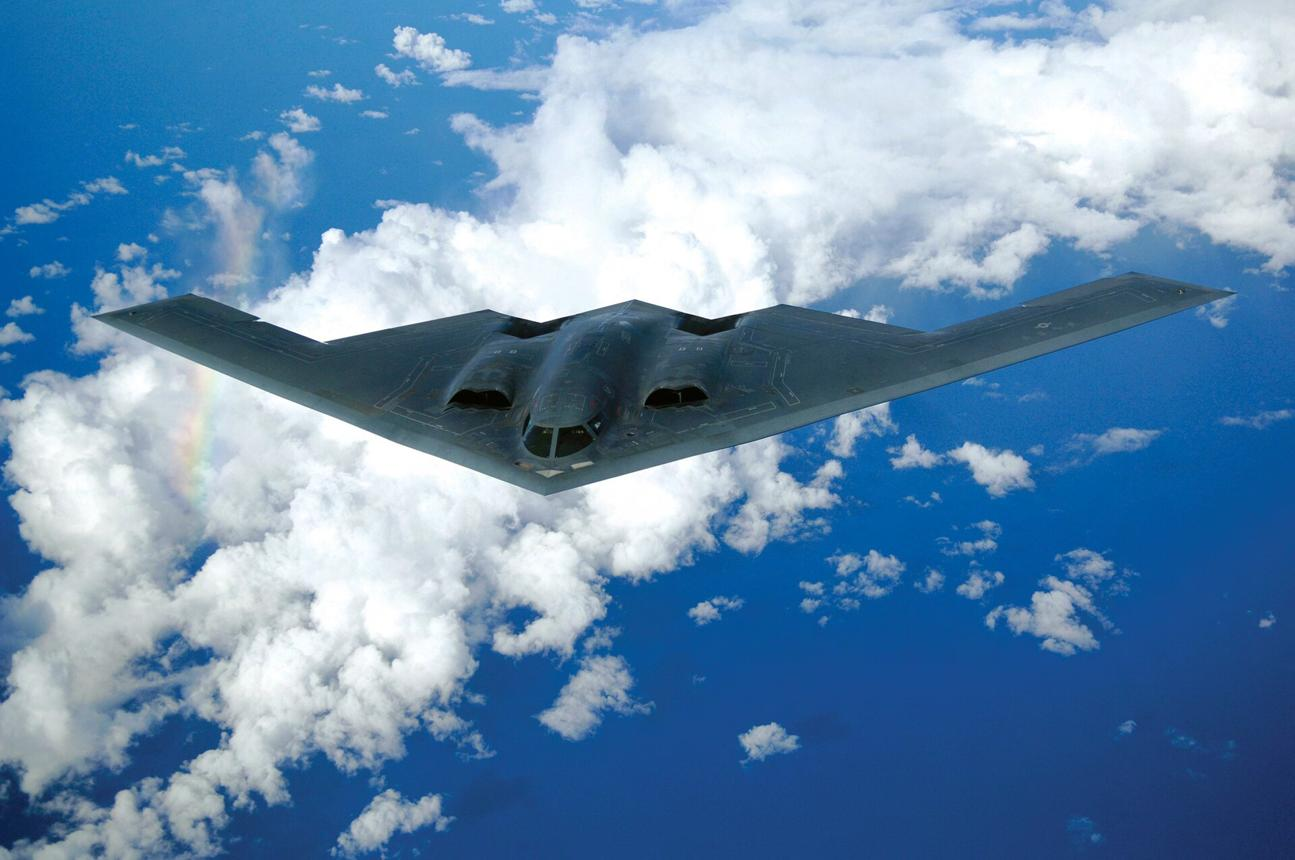
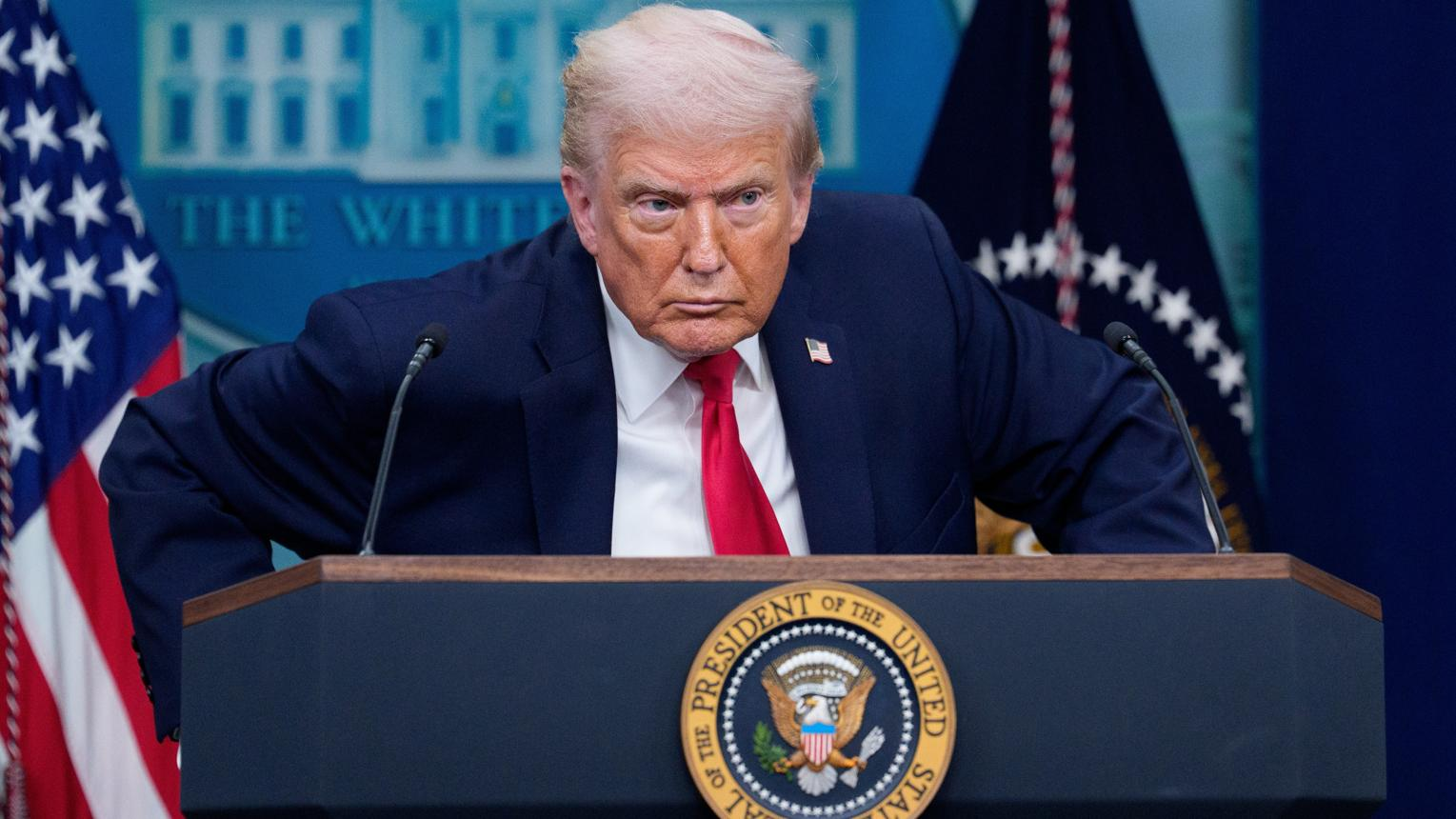
If the Pentagon confirms that Iran destroyed another American military aircraft, President Donald Trump could face increased pressure to respond.
Potential American responses include:
-
Additional economic sanctions targeting Iranian military institutions.
Reinforced regional defenses to protect American personnel and equipment.
Expanded diplomatic pressure to discourage further attacks.
Additional military operations against Iranian military assets.
These are possible scenarios, not confirmed orders from the White House.
A stronger American response could inflict considerable damage on Iran's military capabilities, but it could also expose U.S. forces and regional civilians to further retaliation.
America's military superiority does not eliminate the dangers of an expanding war.
Could American Consumers End Up Paying the Price?

The confrontation is not simply a military contest between Washington and Tehran.
Additional hostilities near the Strait of Hormuz could disrupt energy supplies, increase shipping insurance costs and place upward pressure on fuel prices.
For millions of Americans, the financial consequences could include more expensive gasoline, transportation and everyday consumer goods.
Replacing military aircraft lost during the conflict could also impose additional costs on American taxpayers.
The longer the confrontation continues, the greater the potential economic burden.
A Major Victory for Iran — or a Dangerous Strategic Miscalculation?
Iran claims to have destroyed another sophisticated American military drone.
Washington has already demonstrated its willingness to strike Iranian territory in response to attacks on American forces.
And tensions surrounding the Strait of Hormuz continue to threaten regional stability.
The latest Reaper shootdown remains unconfirmed. Nevertheless, the incident illustrates how quickly military confrontations can escalate into something much more destructive.
For Tehran, the immediate political benefits of claiming a military victory must be weighed against the potential consequences of provoking additional American retaliation.
For Washington, the challenge is protecting American forces without becoming trapped in an increasingly costly military confrontation.
Has Iran demonstrated its growing military capabilities, or has Tehran risked provoking a response it cannot afford?
Should President Trump authorize a stronger military response if the destruction of the MQ-9 Reaper is confirmed? Or should Washington prioritize diplomacy to prevent further escalation?
AMERICA, WHAT DO YOU THINK? SHARE YOUR OPINION IN THE COMMENTS BELOW!
Comments (0)
Loading comments...
May You Like

ELON MUSK’S $18 BILLION SPACEX STOCK GIFT FOR EVERY AMERICAN CHILD

PENTAGON'S PATRIOT MISSILE DELAY — A MAJOR SETBACK FOR UKRAINE'S AIR DEFENSE?

THANKSGIVING NIGHTMARE: OVER 1M BLACKOUTS, NEARLY 2M WATER ALERTS!








Popular Posts




