
IRAN CLAIMS U.S. F-16 MADE EMERGENCY LANDING: CENTCOM REJECTS ITS ACCOUNT
WASHINGTON — NOV 23, 2026 — The United States and Iran have issued sharply different accounts of an alleged encounter involving an American fighter aircraft over the Gulf, drawing attention to military activity in the region.
The competing statements emerged against the background of a continuing conflict involving U.S. and Iranian forces, with both governments releasing information about operations near strategically important waterways.
The question is whether the reported encounter occurred as Iranian authorities described, and what evidence is available to support either side’s account of events.
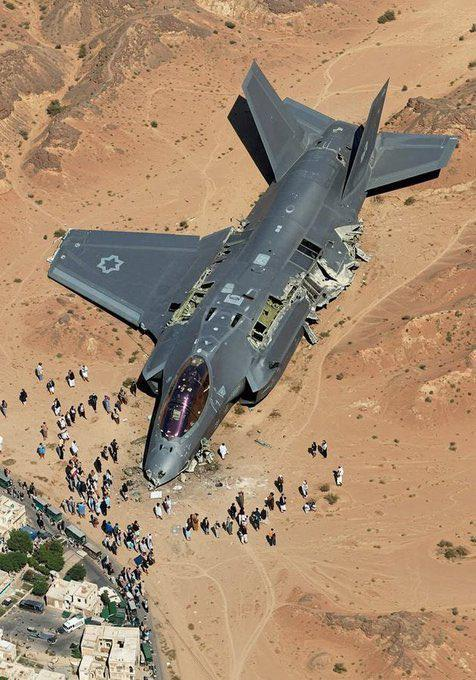
U.S. Central Command oversees American military operations across the Middle East, where fighter aircraft and other forces operate from bases and facilities in the region.
Iran maintains its own military and air-defense network along the Gulf, an area that includes heavily used shipping routes and lies close to several countries hosting American forces.
The two countries have exchanged strikes during the conflict, and information about individual encounters has often come first from the militaries involved or from state-affiliated media.
On Nov 17, Iranian drones targeted a U.S. radar installation in Bahrain, according to the U.S. military, which said the aircraft were intercepted without damage or injuries.
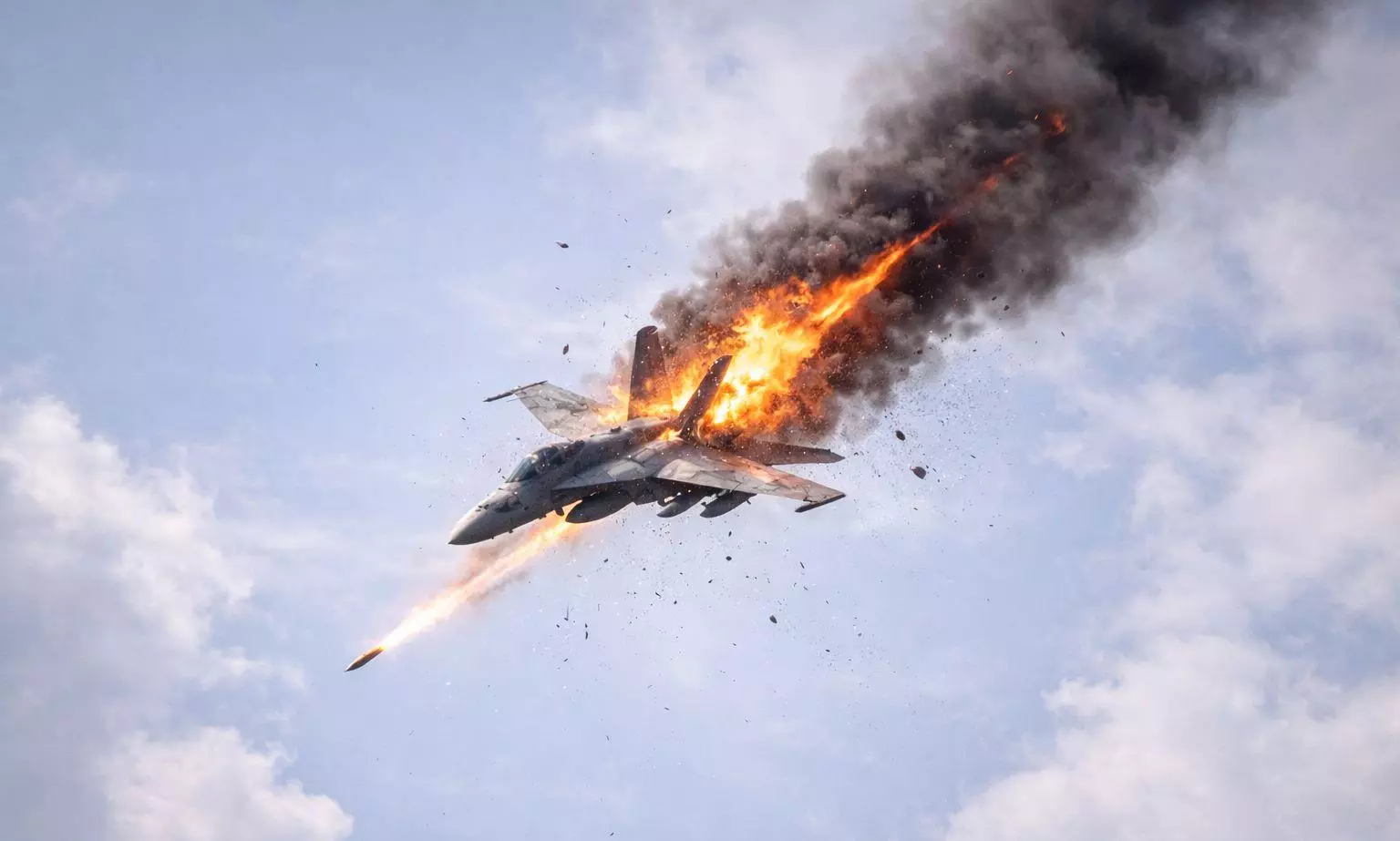
A U.S. fighter jet later struck an Iranian Revolutionary Guard missile launch site in the Strait of Hormuz, a U.S. official said, describing a separate incident from the disputed F-16 account.
The latest competing claims concern an alleged encounter on Friday evening, Nov 20, over the Gulf, rather than the earlier exchange involving Bahrain and the missile site.
Iran’s regular army said its air-defense systems detected an American F-16 and fired a missile that exploded near the aircraft, according to an account carried by Iranian media.
The Iranian account alleged that the explosion damaged the jet and forced its pilot to abandon the mission and make an emergency landing at a nearby regional airport.
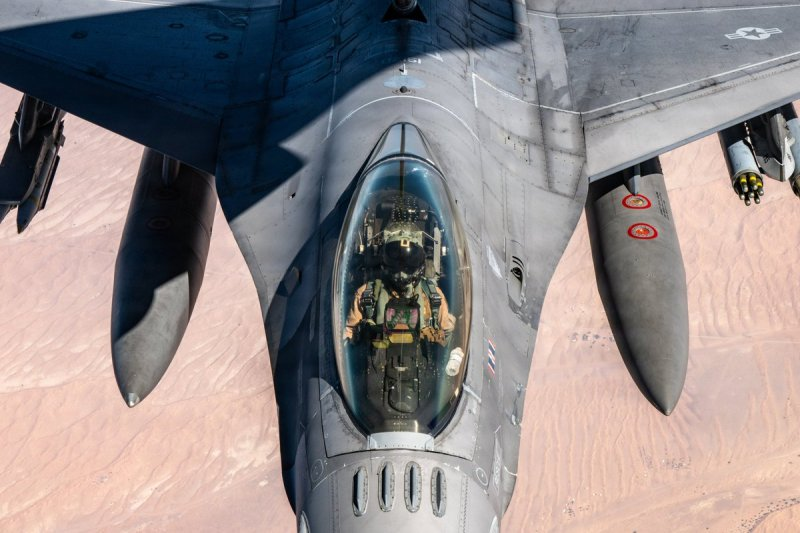
Iran also released a video it presented in support of its account, showing targeting imagery and an apparent missile launch alongside footage of an aircraft being tracked.
The footage alone has not independently established the identity of the aircraft, the time and location of the alleged engagement or whether any aircraft was damaged.
An aircraft appearing in tracking footage would not by itself establish that it was struck or that it later landed because of damage from the event depicted.
On Nov 21, U.S. Central Command rejected the Iranian account, saying Iran had not attacked an American F-16 on the preceding day and describing the allegation as false.
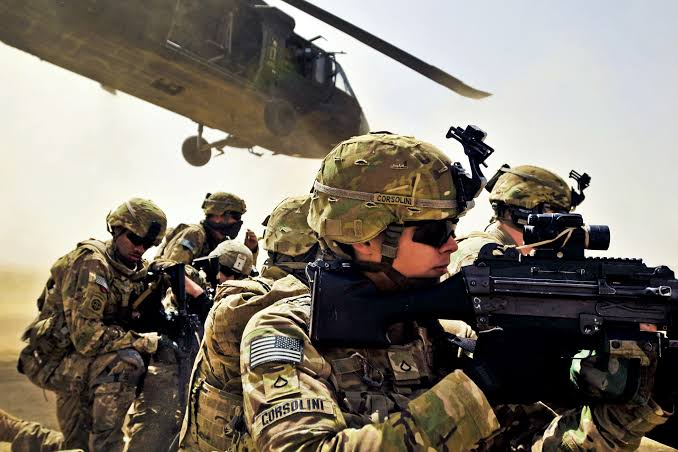
The command added that all U.S. military fighter aircraft in the Middle East were safe and accounted for, directly disputing the report that an aircraft had been damaged.
CENTCOM’s statement is the American military’s account, while the Iranian military’s version remains a competing claim that has not been independently confirmed by the available reporting.
Being accounted for means the aircraft are not missing, but the phrase should be read alongside CENTCOM’s explicit denial of any attack rather than treated as a separate inspection report.
Iran’s report was attributed by Iranian media to the regular army, while CENTCOM described the allegation as coming from the Islamic Revolutionary Guard Corps, a distinct military organization.
No independent evidence in the available reporting establishes that a U.S. F-16 was hit or made an emergency landing because of Iranian fire, and the two sides’ accounts remain in conflict.
Comments (0)
Loading comments...
May You Like

IOWA MILITARY DISASTER: 5 TONS OF SUSPECTED BIOWEAPON WASTE LEAK—301+ HOSPITALIZED, 20 CRITICAL!

ELON MUSK'S MILLION-SATELLITE MEGAPROJECT — THE NEXT FRONTIER OF AMERICAN SPACE POWER?

CARIBBEAN PRINCESS: 5,000+ ABOARD, UNKNOWN VIRUS—CHINESE PASSENGER IS FIRST KNOWN CASE!












