
IRAN ISSUES MILITARY WARNING TO U.S. AND ISRAEL — IS A WIDER WAR LOOMING?
IRAN ISSUES MILITARY WARNING TO AMERICA AND ISRAEL: COULD THE MIDDLE EAST BE HEADING TOWARD A MUCH LARGER WAR?
WASHINGTON, D.C. / TEHRAN — NOVEMBER 26, 2026
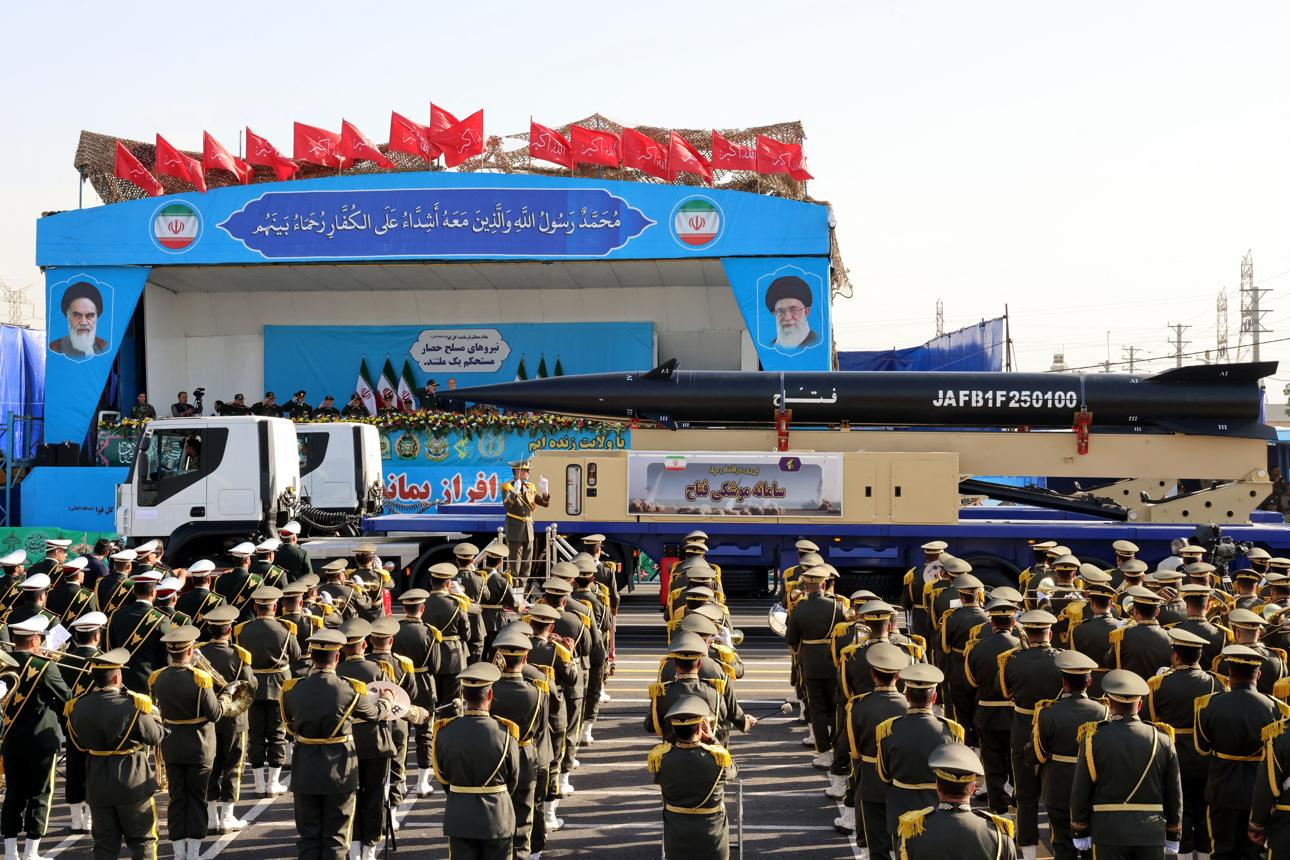
An alarming military warning attributed to Tehran is raising fresh concerns about the possibility of a wider confrontation involving Iran, the United States and Israel.
Iran has reportedly threatened to unleash more destructive military capabilities should American and Israeli attacks continue.
The warning raises critical questions about Tehran's military intentions, the safety of American forces in the Middle East and the potential economic consequences for ordinary Americans.
But does this threat constitute a formal declaration of war, or is Tehran attempting to deter further military action?
1. Iran Threatens a Devastating Military Response
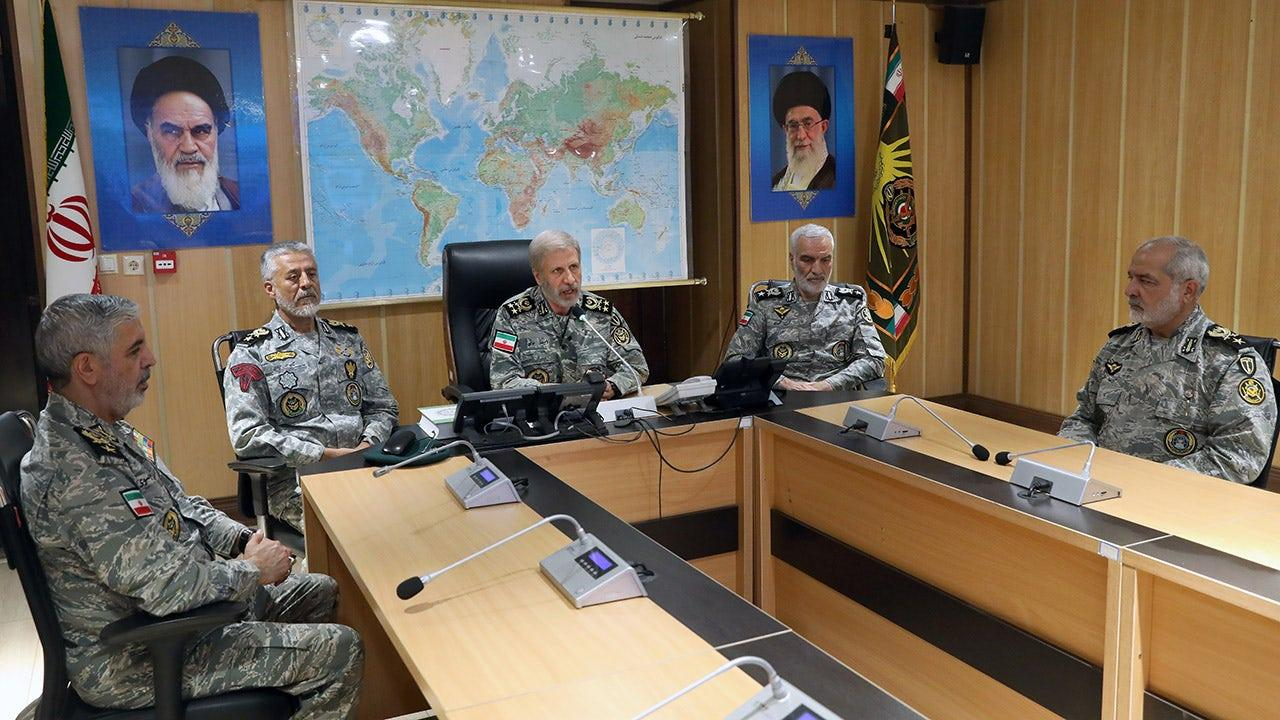
Iranian officials have repeatedly warned Washington and Jerusalem that renewed military attacks could provoke a more extensive Iranian response.
On October 31, Iranian Supreme Leader Mojtaba Khamenei reportedly directed military commanders to prepare for retaliation without geographical restrictions.
Iranian national security official Mohsen Rezaei also warned that Tehran could employ new military capabilities against its adversaries.
The Times of Israel+1
On November 8, Iranian Foreign Minister Abbas Araghchi reiterated Tehran's warning, threatening severe retaliation if Washington resumed military attacks.
Al Jazeera
These statements demonstrate the seriousness of the confrontation. However, the precise wording and timing of the latest alleged warning have not been independently established.
2. Is This an Official Declaration of War?
Despite the aggressive rhetoric, a conditional threat of military retaliation does not automatically constitute a new formal declaration of war.
Iran's statements appear intended to communicate that further attacks could carry substantial military and economic consequences.
|
Development |
Assessment
Iranian threats of severe retaliation
Documented
Threat to expand the geographical scope of fighting
Documented
Claims of enhanced military capabilities
Reported by Iranian officials
New formal declaration of war
Not established
Imminent nuclear attack
No supporting evidence
The distinction between military deterrence and a decision to launch a new offensive remains particularly important.
3. What Destructive Weapons Could Iran Be Referring To?
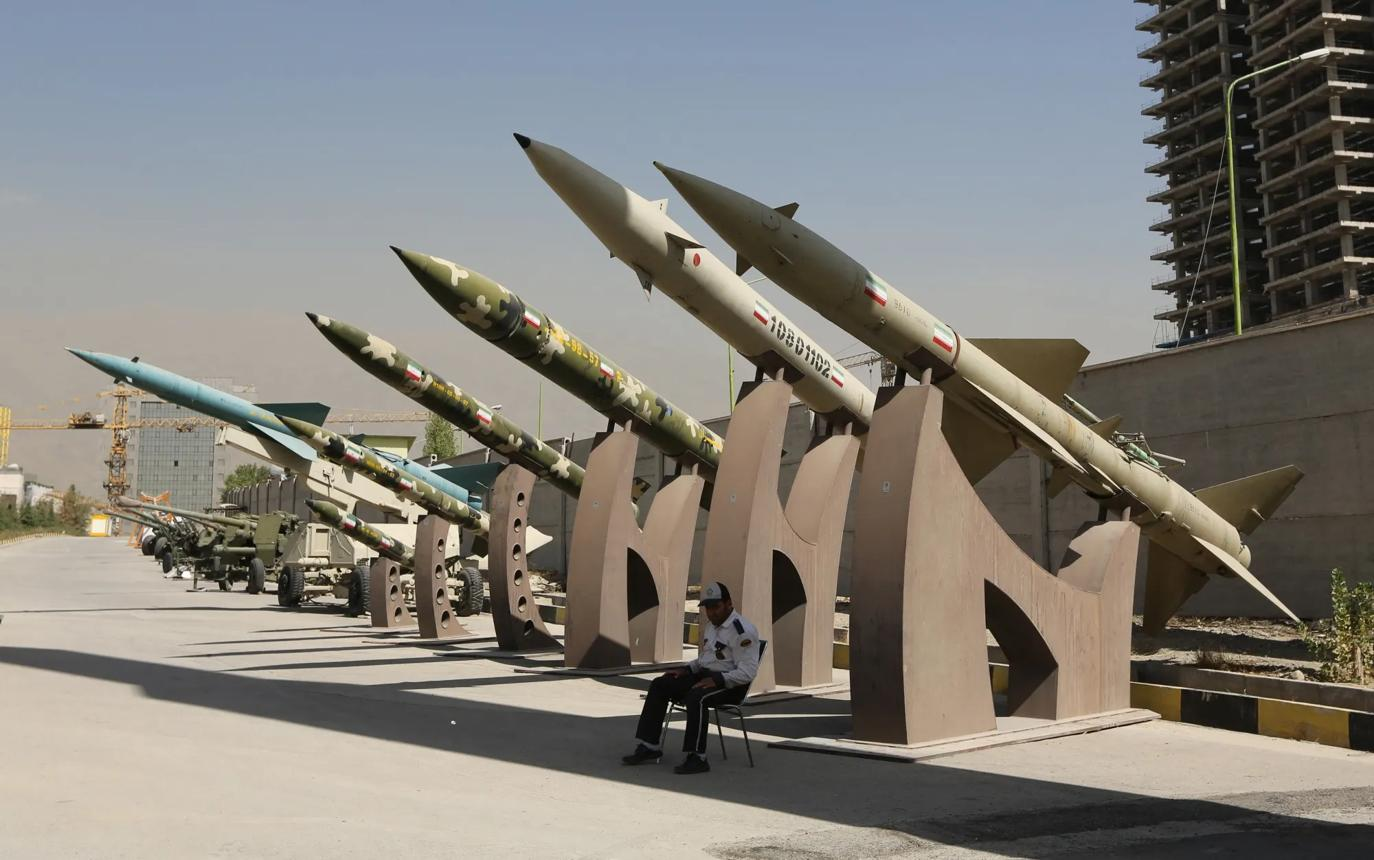
Iran has invested heavily in developing its military capabilities over several decades.
Its conventional military arsenal includes ballistic missiles, cruise missiles, military drones, naval forces and electronic warfare systems.
Iranian military representatives have claimed that their capabilities have improved since earlier confrontations. However, the full extent of those improvements has not been independently verified.
Al Jazeera
References to new or destructive weapons should not automatically be interpreted as threats to use nuclear weapons.
4. Could Iran Use Weapons of Mass Destruction?
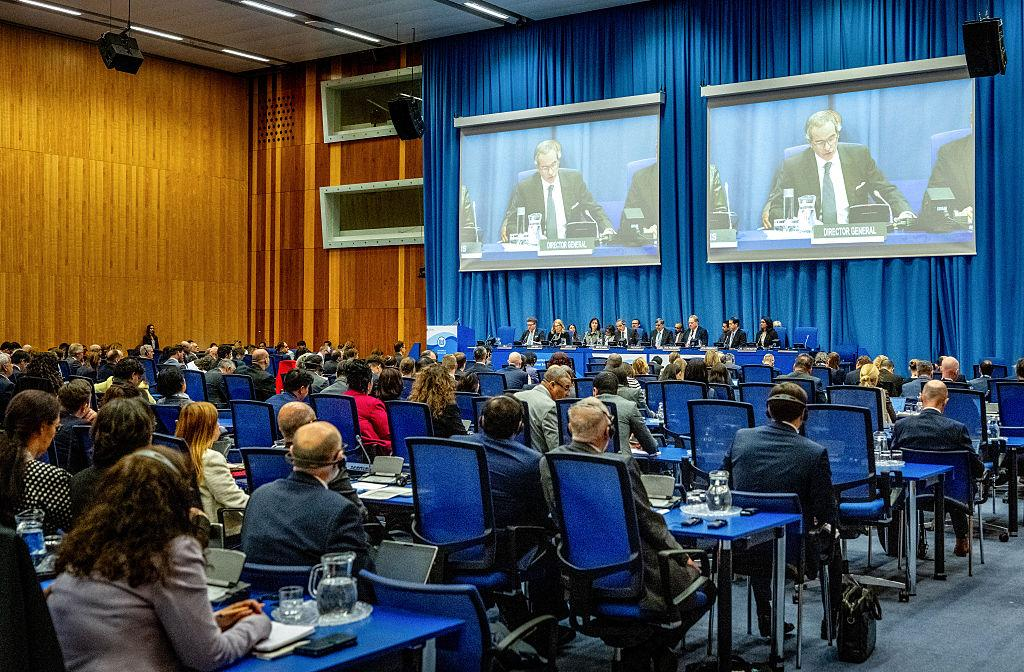
One of the most serious questions concerns the possibility of unconventional warfare.
In early November, reports emerged that Israeli intelligence officials had raised concerns with Washington about Iran's potential chemical weapons capabilities.
However, American officials reportedly disagreed over the reliability and implications of those assessments. Regional officials also questioned the strength of the available evidence.
report
Iranian national security officials previously indicated that no decision had been made to change the country's nuclear doctrine.
Euronews
There is currently no verified evidence in the statements reviewed that Tehran has decided to launch a nuclear attack.
The potential humanitarian consequences of any use of weapons of mass destruction would be catastrophic.
5. What Is Washington's Position?
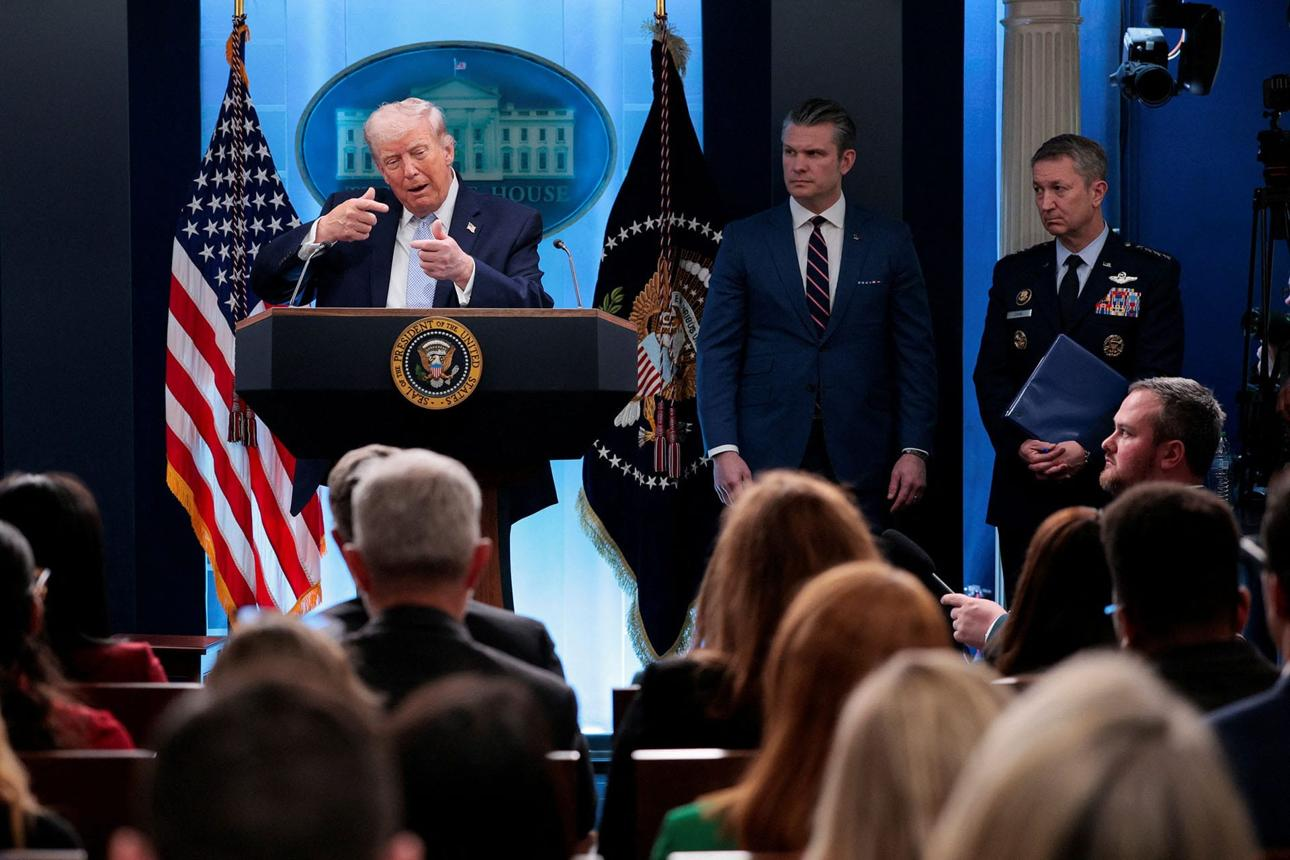
The Trump administration has maintained military pressure on Tehran while pursuing diplomatic negotiations.
In remarks reported by CBS News on November 1, President Trump indicated that he wanted to bring the confrontation with Iran to an end, either through an agreement or further action.
Secretary of State Marco Rubio also emphasized American military readiness while stating that a decision to resume military operations had not been made at that time.
CBS News
Washington faces the challenge of protecting American forces and addressing regional security concerns while avoiding an escalation that could impose enormous additional costs.
6. Why Are Other Middle Eastern Countries Alarmed?

The consequences of a wider confrontation would extend far beyond Iran, Israel and the United States.
Several Arab governments have expressed concerns about the security of their territories, civilian populations and critical infrastructure.
According to reporting published on November 3, some Gulf countries warned that they could respond individually or collectively if Iran attacked their infrastructure.
WSJ
Regional governments also have strong economic incentives to prevent further fighting, particularly because of their dependence on international trade, tourism and energy exports.
7. The Strait of Hormuz Could Become a Major Economic Flashpoint
🇮🇷
🚢
🇴🇲
🇦🇪
🇶🇦
🇸🇦
Use two fingers to move the map
Use ctrl + scroll to zoom the map
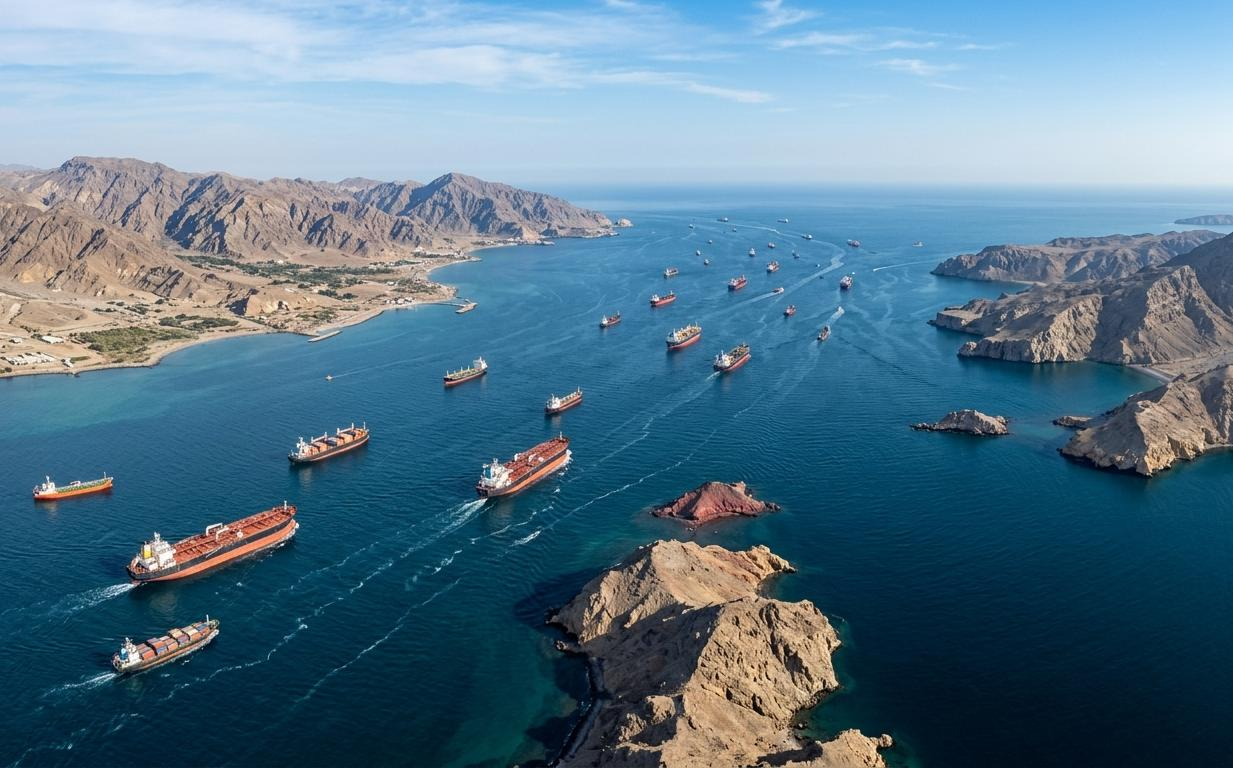
The Strait of Hormuz remains one of the world's most strategically important energy shipping corridors.
Any prolonged disruption to commercial shipping could affect global oil supplies, transportation costs and energy markets.
Earlier in November, maritime authorities reported incidents involving commercial vessels in the region, highlighting the dangers facing international shipping.
CBS News
For American consumers, a significant disruption could translate into higher gasoline prices and increased transportation expenses.
8. How Could a Wider War Affect Ordinary Americans?
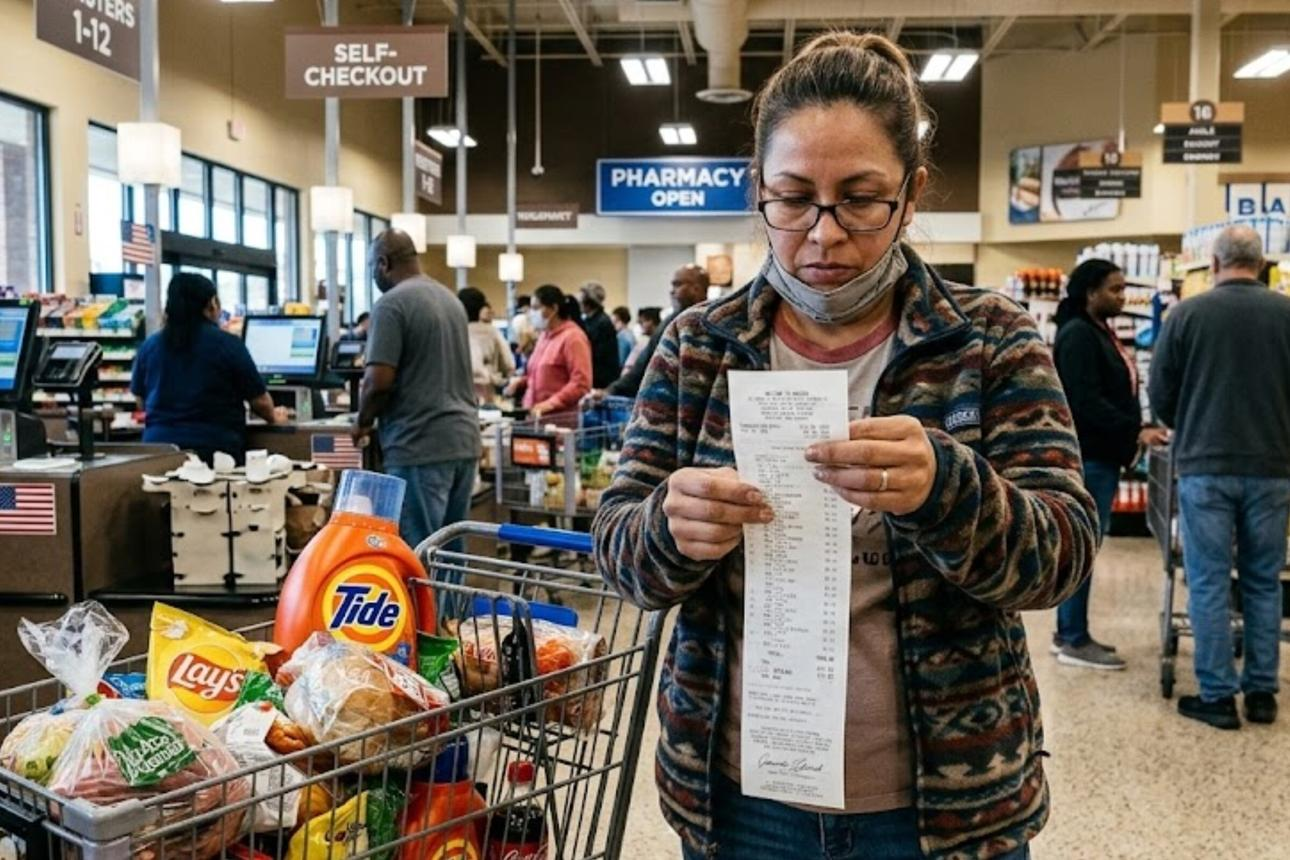
A prolonged military confrontation could create significant economic challenges for American households.
|
Sector |
Potential consequences
Gasoline
Higher fuel prices
Groceries
Increased production and shipping costs
Airlines
Higher operating expenses and possible travel disruptions
Federal budget
Additional military expenditures
Stock market
Increased volatility
Household finances
Greater cost-of-living pressures
Military families
Increased uncertainty surrounding deployments
These are potential consequences of escalation, not guaranteed outcomes.
Even Americans living thousands of miles from the Middle East could experience the indirect economic effects of a prolonged conflict.
9. How Much Could Rising Gas Prices Cost American Families?
Consider a household consuming 100 gallons of gasoline each month.
Potential household fuel cost increase
Monthly gasoline consumption
100 gallons
Increase per gallon
$0.75
Additional monthly cost
$75
Additional annual cost
$900
Hypothetical calculation, not a forecast of future gasoline prices.
Higher energy costs could also affect businesses throughout the American economy, potentially putting additional pressure on consumer prices.
10. Where Could This Conflict Lead?
Three broad scenarios could emerge, depending on the decisions made by Washington, Tehran, Israel and regional governments.
Scenario 1: Diplomatic breakthrough
Negotiations produce an agreement, military tensions decrease and international energy markets stabilize.
Scenario 2: Prolonged limited confrontation
Military tensions and intermittent hostilities continue without developing into an all-out regional war.
Scenario 3: Wider regional war
Additional countries become involved, increasing humanitarian suffering, military expenditures and global economic disruption.
None of these scenarios is inevitable, and the available evidence does not establish which outcome is most likely.
11. Can Diplomacy Still Prevent Further Bloodshed?
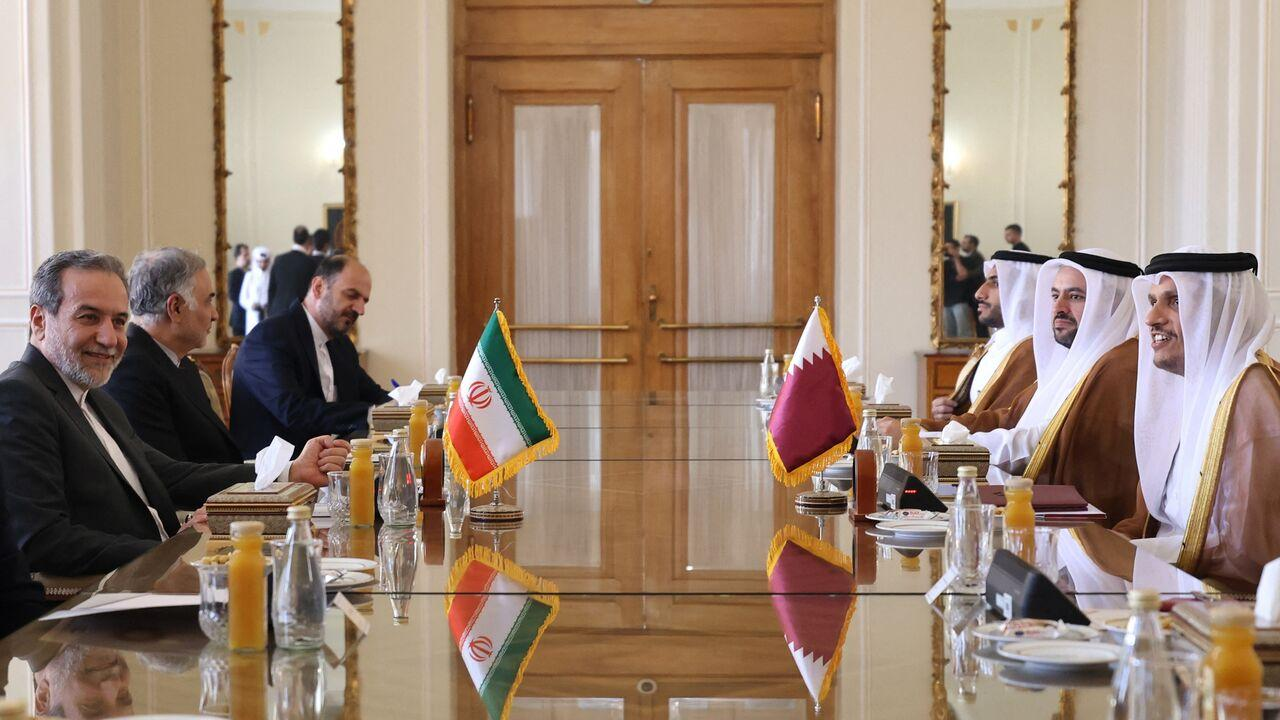
Despite the threatening language, diplomatic efforts have not been entirely abandoned.
Qatar has previously mediated communications between Washington and Tehran, with Iranian officials acknowledging some constructive developments in negotiations earlier this month.
Euronews
Supporters of diplomacy argue that a negotiated settlement could protect civilians, reduce military expenditures and stabilize international energy markets.
Supporters of continued military pressure argue that credible deterrence is necessary to protect American interests and prevent further Iranian attacks.
The central challenge is determining whether either approach can produce lasting security without triggering another destructive cycle of retaliation.
12. America and Iran Face a Critical Decision
Iran's repeated military warnings underscore the possibility that further hostilities could extend well beyond the borders of the countries directly involved.
For American military personnel, Iranian and Israeli civilians, Gulf nations and ordinary American taxpayers, the consequences of escalation could be profound.
Nevertheless, threatening rhetoric alone does not establish that nuclear war or a new full-scale offensive is imminent.
The critical question is whether military pressure and diplomatic negotiations can produce a lasting settlement before further confrontation brings additional destruction and economic hardship.
AMERICA, WHAT DO YOU THINK? SHOULD WASHINGTON PRIORITIZE A NEGOTIATED SETTLEMENT WITH IRAN, OR MAINTAIN MILITARY PRESSURE TO PROTECT AMERICAN SECURITY INTERESTS? SHARE YOUR OPINION IN THE COMMENTS BELOW!
Comments (0)
Loading comments...
May You Like

PACIFICA PIER IN CALIFORNIA COLLAPSE REVEALS MASSIVE CRACK BENEATH THE OCEANs!

IOWA NIGHTMARE: SECOND ARMY BLAST, 10,000 EVACUATED, 201+ HOSPITALIZED!

PACIFICA PIER IN CALIFORNIA COLLAPSE REVEALS MASSIVE CRACK BENEATH THE OCEAN!









Popular Posts



