
Iran ‘Ready for All Scenarios’ as War Warnings Grow
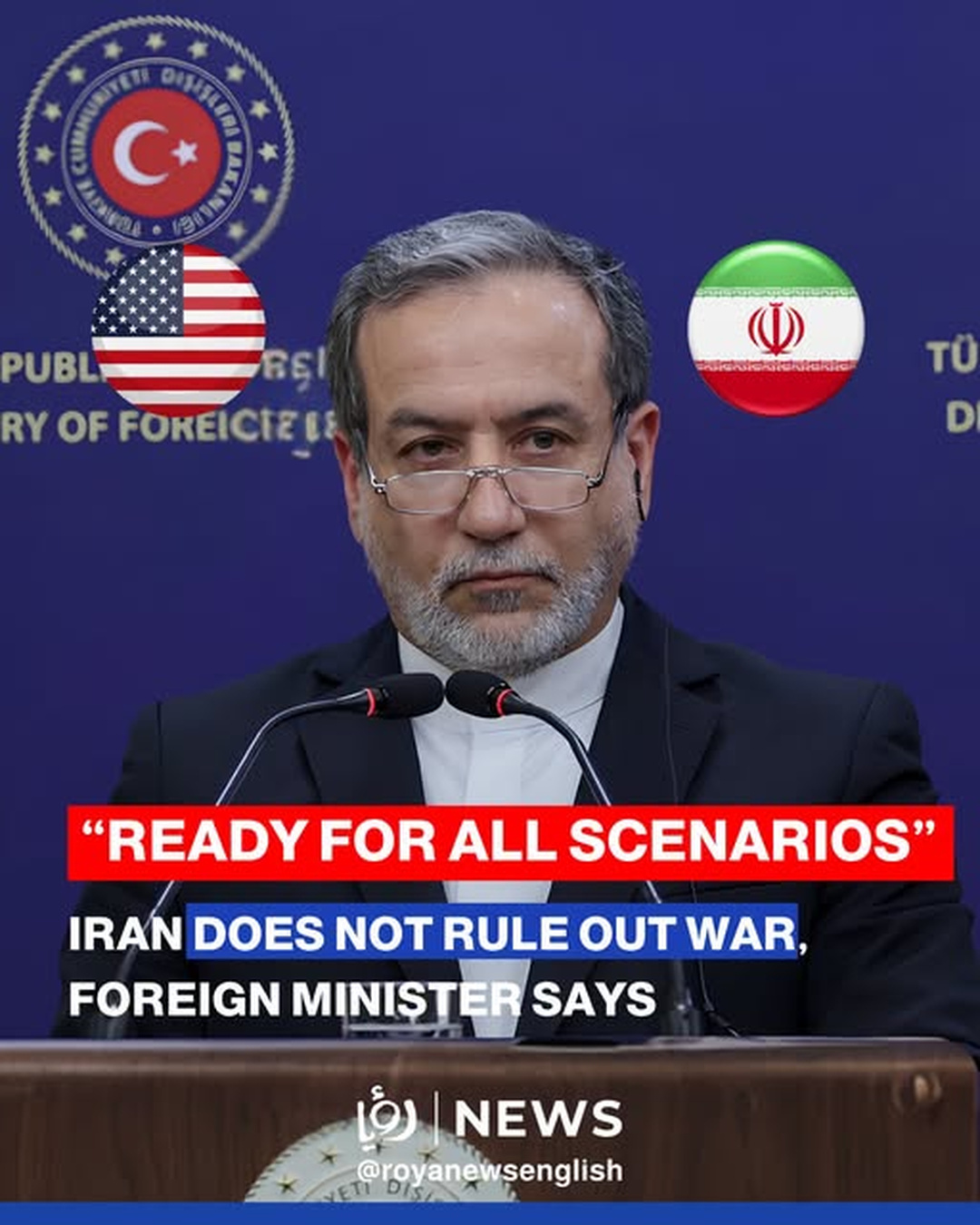
Iran Says It Is “Ready for All Scenarios” as Foreign Minister Warns War Remains Possible
Middle East | November 3, 2026
Iran has warned that it remains prepared for another military confrontation with the United States, even as diplomatic efforts continue to prevent the eight-month-old conflict from escalating further.
Foreign Minister Abbas Araghchi delivered the warning in an interview with Al Jazeera on October 31, saying Tehran does not rule out war and considers its armed forces highly prepared.
“We are prepared for all scenarios,” Araghchi said, adding that Iran had upgraded its weaponry, addressed military vulnerabilities, and tested new weapons.
His remarks came as Washington and Tehran explored a possible diplomatic arrangement through regional mediators, particularly Qatar and Pakistan, following months of confrontation and economic pressure.
Tehran Signals Military Readiness
Araghchi emphasized that Iran had not abandoned diplomacy, but argued that negotiations could not eliminate the possibility of another American or Israeli military operation.
He said Iran's armed forces had reached their highest level of readiness, suggesting that Tehran was preparing for different outcomes rather than relying entirely upon diplomatic assurances.
The foreign minister also acknowledged the impact of American economic pressure, while insisting that Iran would not surrender or abandon its national interests.
His statements were intended to communicate that Tehran remains willing to negotiate, but does not intend to accept an agreement under military or economic coercion.
In a separate interview reported by the Associated Press on November 1, Araghchi said Iran hoped Washington would choose diplomacy over other possible approaches.
He added that consultations with mediators were continuing and that the final outcome depended on the answers provided by the United States to Iran's outstanding questions.
Negotiations Focus on the Strait of Hormuz
One of the most important issues in the negotiations is the Strait of Hormuz, a strategic waterway through which a substantial share of global oil shipments normally passes.
Iran has proposed reopening the shipping route under specific conditions, including changes to American restrictions and arrangements concerning maritime navigation and security.
Araghchi said discussions with Qatari mediators had produced a proposal that could shorten the implementation period for reopening the strait to approximately two days.
Tehran has also demanded the release of frozen Iranian assets, restoration of oil export waivers, sanctions relief, and a reduction in American military forces stationed in the region.
Washington, however, wants guarantees concerning freedom of navigation, Iranian military activities, and the country's nuclear program before accepting a broader agreement.
The competing demands demonstrate why negotiations remain difficult, even though both governments have publicly indicated that diplomatic progress remains possible.
Military Tensions Rise Again
The diplomatic opening has been complicated by renewed military activity around the Persian Gulf, where American forces continue enforcing restrictions on Iranian maritime exports.
On November 2, the Associated Press reported that American forces had conducted limited defensive strikes against Iranian targets near the Strait of Hormuz.
A United States official said the strikes targeted Iranian personnel using surface-to-air missiles against American assets, while Iranian state television reported explosions on Qeshm Island.
The strikes raised fresh concerns about a return to wider hostilities, although American officials described the operation as limited rather than a resumption of full-scale military operations.
The Associated Press also reported that thousands of American troops remained in regional waters, while additional forces and another aircraft carrier were heading toward the Middle East.
Iran's new Supreme Leader, Mojtaba Khamenei, has separately called for an immediate response without geographical limits if the country faces another American or Israeli attack.
The Nuclear Question Remains Unresolved
Iran's nuclear program remains central to the dispute, particularly because previous military operations damaged facilities that had been monitored by international nuclear inspectors.
Araghchi has maintained that Iran remains committed to the Nuclear Non-Proliferation Treaty, while criticizing the difficulties surrounding international inspections after attacks on nuclear facilities.
The International Atomic Energy Agency's ability to verify the condition of Iran's nuclear materials and facilities remains an important issue for any future agreement.
Without reliable verification, Washington and its allies may remain concerned that Iran could preserve or rebuild sensitive nuclear capabilities despite diplomatic commitments.
What Happens Next?
The immediate challenge for regional mediators is to prevent further military incidents while creating enough political confidence for Washington and Tehran to negotiate a sustainable arrangement.
Qatar and Pakistan have continued facilitating communication, while other regional governments have warned that another major escalation could threaten shipping, energy markets, and regional security.
For the United States, the central question is whether negotiations can secure meaningful guarantees without requiring another extensive military campaign against Iranian targets.
For Iran, the priority is obtaining sanctions relief, protecting its strategic interests, and securing assurances that any agreement will not be abandoned through another military attack.
Araghchi's warning therefore reflects Tehran's current position: Iran says it remains open to diplomacy, but is preparing for the possibility that negotiations may fail.
The coming days could prove decisive as military pressure, economic interests, and diplomatic proposals compete to determine whether the conflict moves toward a negotiated settlement or another dangerous escalation.
Comments (0)
Loading comments...
May You Like


STORM WARNING: MILLIONS FACE EVACUATION, MACY'S GIANT BALLOONS GROUNDED!

$1 BILLION DISASTER AT BANGCHAK REFINERY, THAILAND—40 BURNED, 8 AMERICANS DEAD!

Latest Posts









Popular Posts



