
IRAN THREATENS SHIPS OVER HORMUZ PASSAGE AFTER CLAIMING A MINE STRIKE
DUBAI, UNITED ARAB EMIRATES — NOV 26, 2026 — Tensions over commercial shipping in the Strait of Hormuz have placed vessel operators and crews under pressure as Iran sets out its position on passage through the waterway.
The route connects the Persian Gulf to the Gulf of Oman and carries commercial traffic serving energy producers, ports and customers across a wide international market.
Recent developments have sharpened questions for shipowners about navigation, communications and the decisions crews may face while moving through a region affected by armed confrontation.
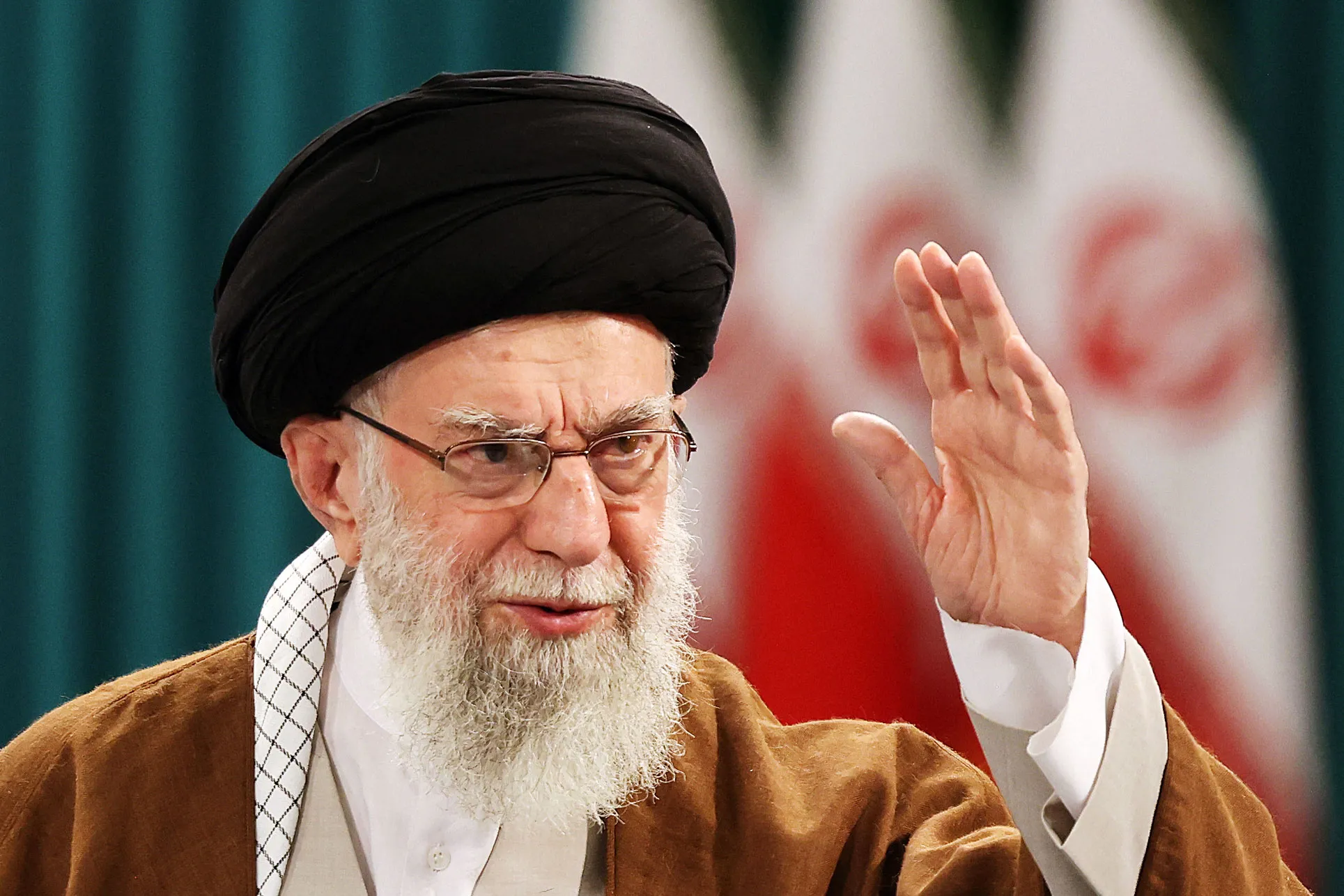
The strait is a major route for oil and liquefied gas shipments, making disruptions a concern for exporters and importers well beyond the waters immediately surrounding Iran, including shipments that move from regional export terminals to markets in Asia and elsewhere.
Ships traveling through the area must account for the possibility of military activity as well as the practical requirements of operating large vessels in a narrow waterway.
Iranian authorities have urged vessels to coordinate with their forces and use routes designated by Tehran, presenting those instructions as measures connected to maritime safety.
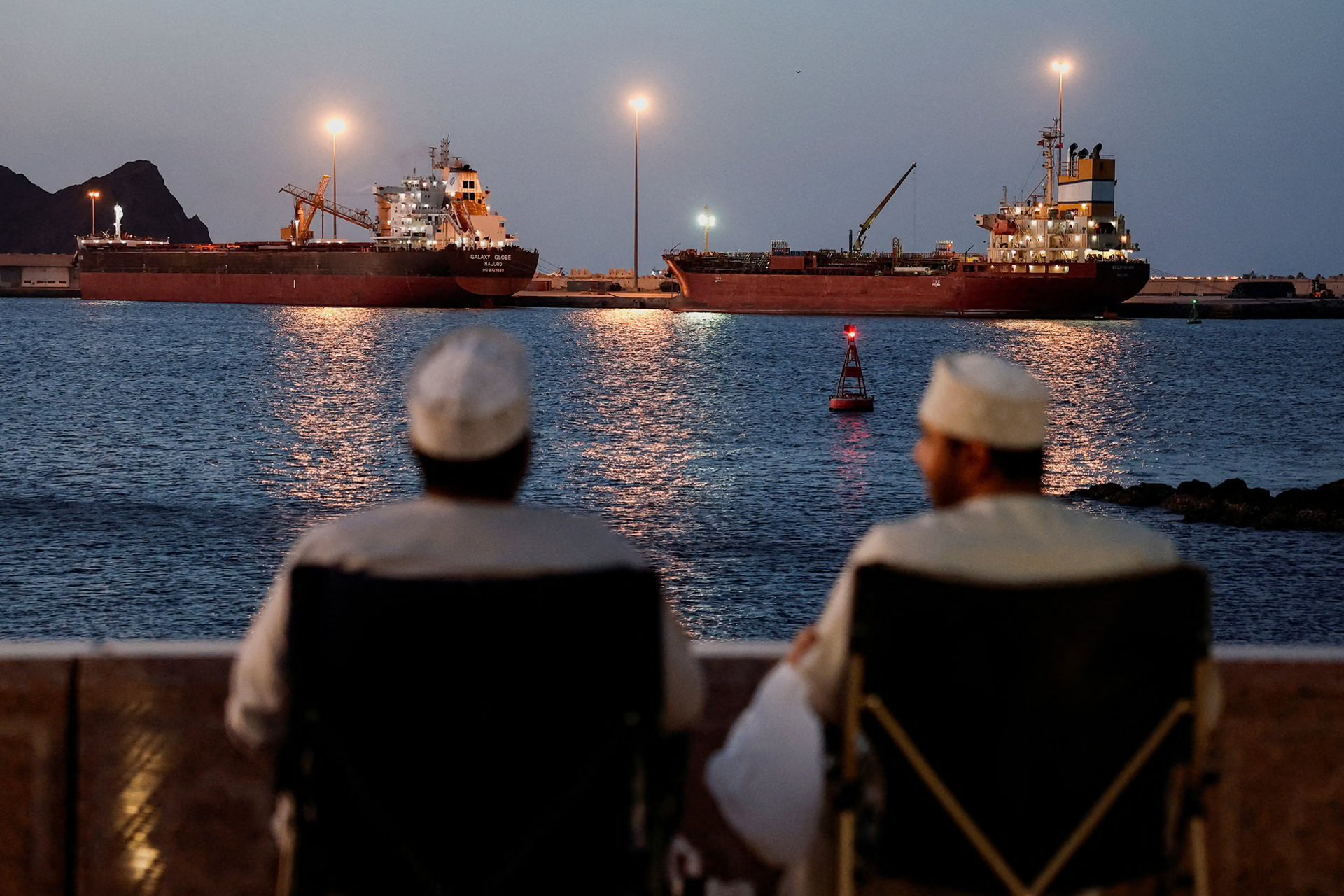
Shipowners must also consider advice from their own governments, maritime security organizations and insurers when deciding whether and how to send a vessel through the region, including the flag state under which a vessel is registered and the country responsible for the cargo.
Those decisions can affect delivery schedules and shipping costs, although the effect on any individual cargo depends on its route, contract and the conditions at the time.
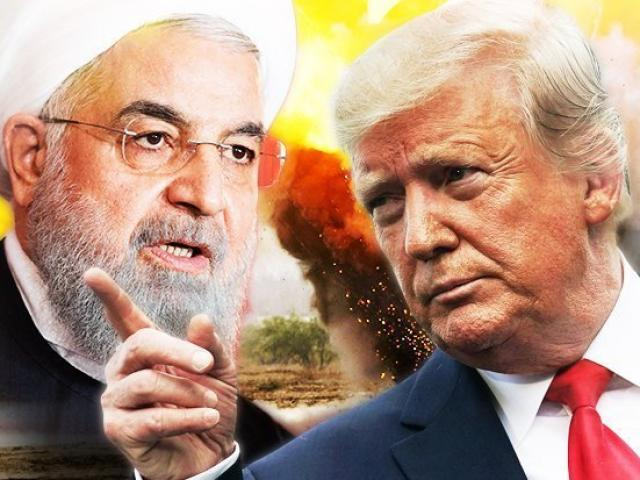
The latest warning comes amid a wider confrontation involving Iran and the United States, including a US naval blockade of Iranian ports and restrictions on maritime traffic.
Tehran has told Washington that normal passage depends on conditions including an end to the blockade and an end to the war on all fronts.
A proposal conveyed through Qatari mediators offered reopening the route within 48 hours after Washington met those conditions, according to reporting on the negotiations.
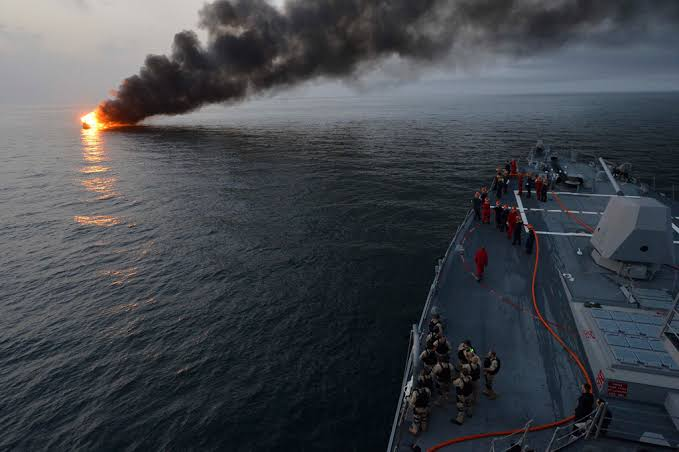
At the same time, Iran’s Revolutionary Guard said a vessel carrying liquefied gas struck a mine in the strait after turning off its positioning system.
Iran said the ship caught fire, but the vessel’s identity and the condition of its crew were not established in the publicly available accounts.
Separate warnings about other reported tanker incidents have increased attention to the risks of navigating in waters where commercial operators face competing military instructions.
The immediate demand for ships is to contact and coordinate with Iranian forces before entering the area and follow the passage routes designated by Tehran.
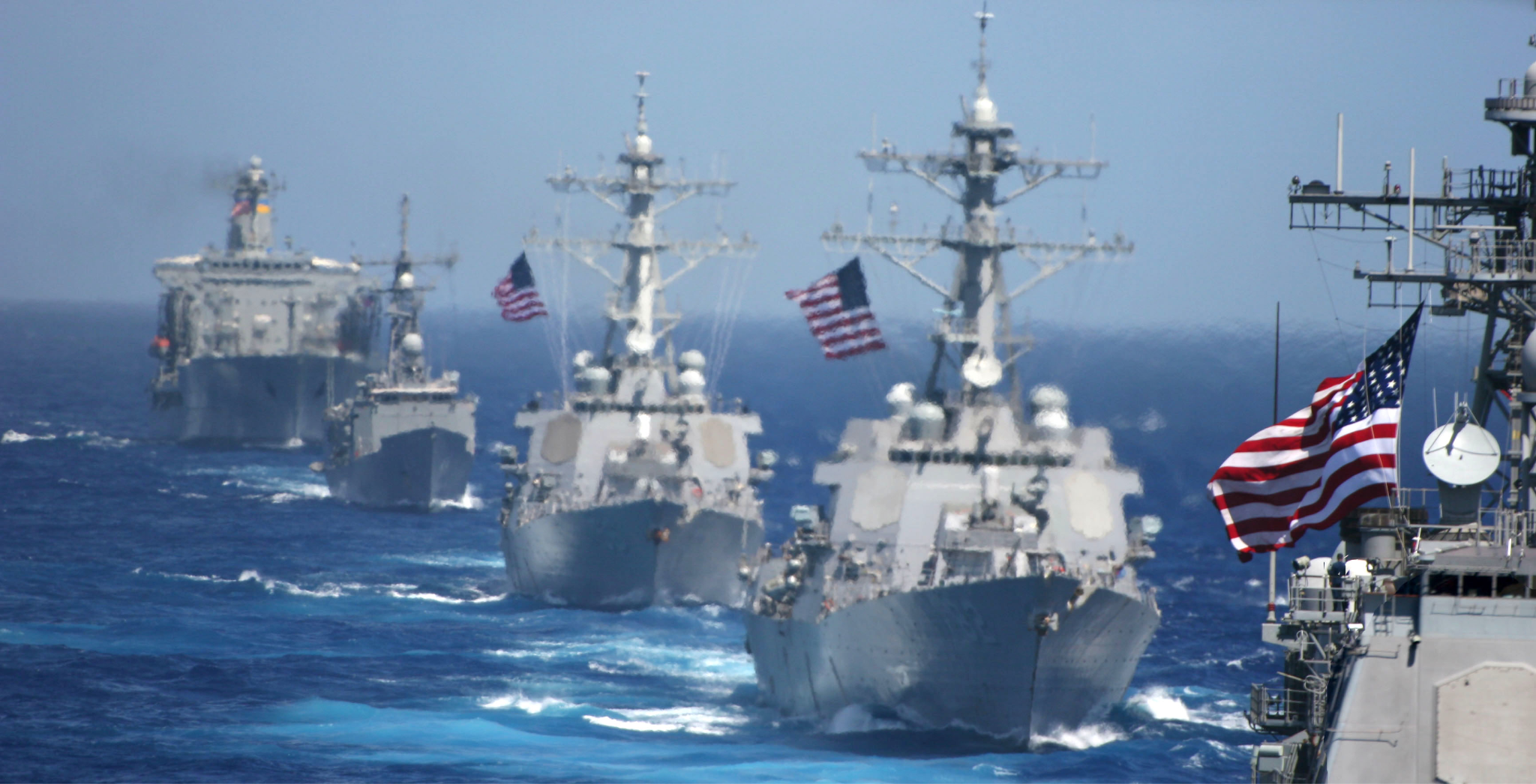
Iran has warned that vessels taking routes without that coordination face heightened danger, including the possibility of encountering mines in restricted waters.
Iran has also threatened to sink any foreign vessel it considers to be opposing its government, extending the warning beyond questions of navigation and route clearance.
For a captain or shipping company, the demand means providing advance notice to Iranian authorities and using an approved route instead of proceeding independently through the strait.
The military warning does not identify the gas carrier or establish what happened to its crew, leaving those details unresolved as operators assess the latest report as of this report.
Whether normal traffic can resume depends on developments in the wider confrontation and on what shipowners consider safe for their crews and cargoes.
Comments (0)
Loading comments...
May You Like


IOWA NIGHTMARE: SECOND ARMY BLAST, 10,000 EVACUATED, 201+ HOSPITALIZED!

IOWA MILITARY DISASTER: 5 TONS OF SUSPECTED BIOWEAPON WASTE LEAK—301+ HOSPITALIZED, 20 CRITICAL!










Popular Posts


