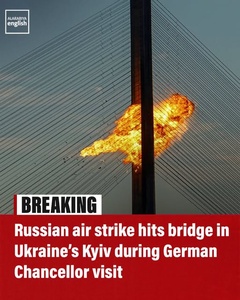
Iran Unveils Seven-Day Roadmap as War With U.S. Enters New Diplomatic Phase
NEW YORK — Iran has put forward a seven-day roadmap aimed at ending the conflict with the United States, linking the proposal to a possible reopening of the strategically important Strait of Hormuz.


Iranian Foreign Minister Abbas Araghchi announced the proposal while speaking to reporters in New York during the United Nations General Assembly, saying the plan had been transmitted to Washington through mediators.
The proposal calls for rapid steps toward ending hostilities and reopening the Strait of Hormuz, a critical waterway through which a substantial share of global energy supplies normally travels.
According to Iranian officials, the seven-day timetable would begin if Washington accepts Tehran’s conditions and takes steps toward reducing military pressure and lifting the blockade affecting Iranian ports.
Iran had already signaled earlier in September that it could reopen the strait within seven days if the United States eased military pressure and lifted its blockade.
The latest proposal reportedly seeks implementation of provisions from a memorandum previously negotiated between Washington and Tehran, including a cessation of hostilities and renewed negotiations over Iran’s nuclear program.
Under the roadmap described by Iranian officials, fighting across several regional fronts would stop, while Washington would take measures involving sanctions, frozen Iranian assets and the naval blockade.
Iran has also linked the reopening of Hormuz to progress on the wider conflict, making the waterway a central component of its diplomatic proposal rather than treating it separately.
The Strait of Hormuz has become one of the most important pressure points in the conflict because disruptions there have affected oil shipments, shipping routes and international energy markets.
Reuters reported that vessel traffic through the strait had fallen sharply during the conflict, with only a fraction of the normal number of commercial vessels continuing to transit.
The disruption has also contributed to volatility in crude markets. Reuters reported that oil prices responded to diplomatic signals concerning a possible reopening of Hormuz earlier this week.
Iran’s proposal comes after President Donald Trump told the United Nations that Washington was seeking major concessions from Tehran and suggested that a broader agreement could come later.
Trump has simultaneously called for economic isolation of Iran while maintaining that diplomacy could eventually produce an agreement, creating uncertainty about the timing and conditions for renewed negotiations.
Secretary of State Marco Rubio has indicated that Washington remains open to discussions if they could produce meaningful progress, although the administration has not accepted Tehran’s seven-day roadmap.
Iranian President Masoud Pezeshkian has also signaled willingness to pursue diplomacy, saying Tehran does not want to continue the conflict and that Washington must decide whether negotiations can resume.
The diplomatic effort comes after earlier negotiations collapsed. A memorandum reached in June established a framework for negotiations, but disagreements and renewed fighting subsequently prevented the arrangement from producing a lasting settlement.
Iran’s latest proposal therefore represents a renewed attempt to revive elements of that earlier framework, but the compressed seven-day timetable would require agreement on several complicated military, economic and nuclear issues.
The graphic accompanying the claim uses an image of former Supreme Leader Ayatollah Ali Khamenei. However, Ali Khamenei died in February, and his son Mojtaba Khamenei was subsequently named Iran’s new supreme leader.
That distinction matters when interpreting viral images about Iran’s current leadership. Recent reporting identifies Mojtaba Khamenei as supreme leader, although he has remained largely absent from public view since taking office.
For now, the documented development is Iran’s seven-day diplomatic roadmap, not a confirmed new missile attack plan. Tehran says it awaits Washington’s response, while the United States has not publicly accepted the proposal.
Comments (0)
Loading comments...
May You Like
OBAMA STUNS ON INSTAGRAM: MESSAGE MARKING 34-YEAR MILESTONE SPARKS A BUZZ
Barack Obama Draws Attention With New Literary Podcast
Obama Steps Back Into the Political Spotlight as Democrats Target Trump’s Senate Majority