Bessent Promises Prices Will Fall After Iran War — But Rising Oil Costs Put Trump’s Economic Strategy to the Test
U.S. Treasury Secretary Scott Bessent says Americans will eventually see relief from rising prices once the Iran conflict ends. But with inflation accelerating, oil prices surging and fuel costs straining household budgets, the administration faces growing questions about when that relief might arrive.
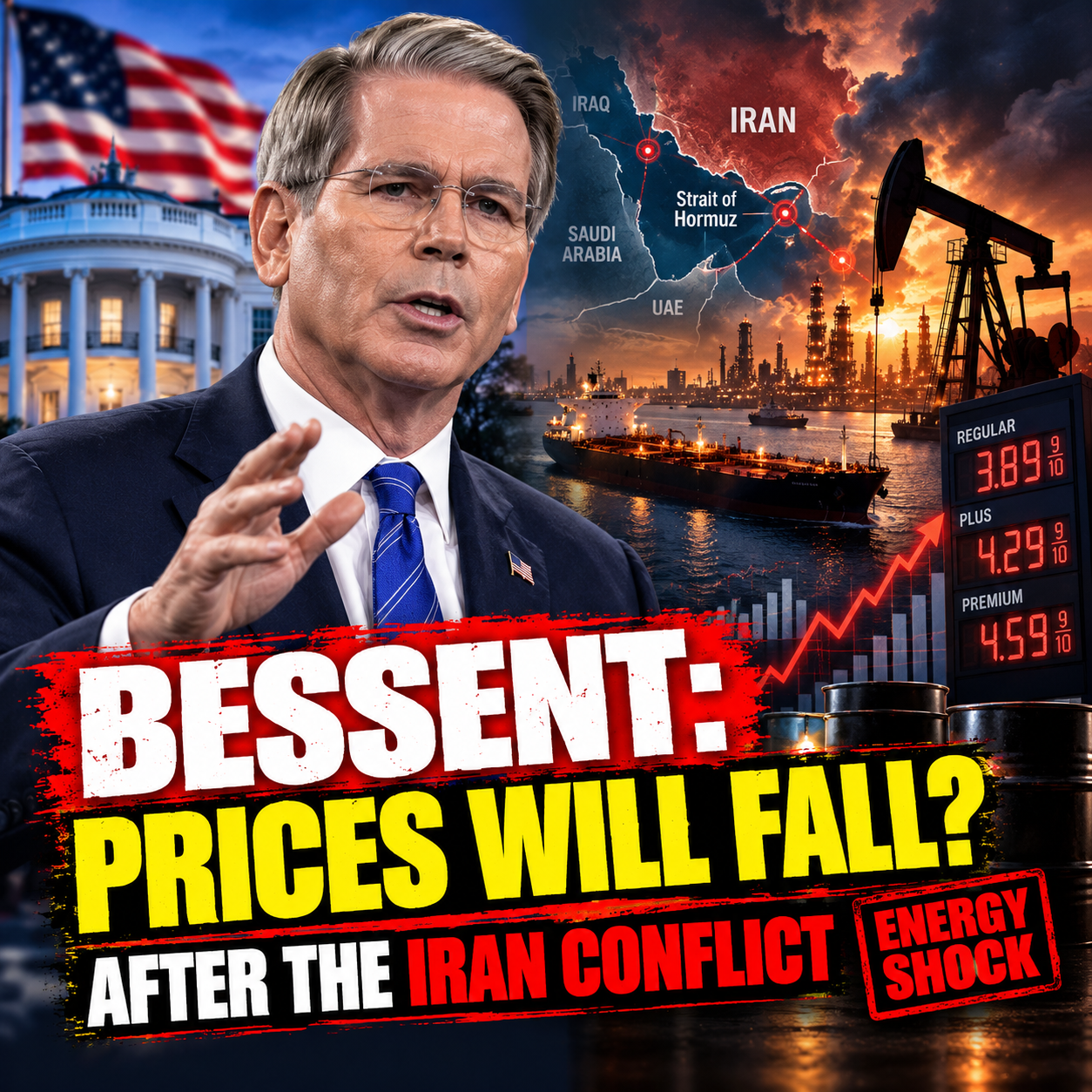
![Supplied news graphic showing Scott Bessent, the White House, oil infrastructure and rising fuel prices.]()
The supplied graphic illustrates the story’s central themes. The fuel prices displayed are part of the artwork and are not verified market quotations.
WASHINGTON, October 20, 2026 — Treasury Secretary Scott Bessent is defending the Trump administration’s economic outlook as rising energy costs complicate its efforts to bring inflation under control. In an appearance on NBC’s Meet the Press on October 18, Bessent argued that the current price shock would ease after the conflict involving Iran ends, expressing confidence that the United States would eventually emerge from the crisis with lower energy costs. His reassurance, however, came as international oil markets registered fresh gains and American consumers continued to feel the effects of higher prices.

Scott Bessent in a televised interview. This is an illustrative archival photograph, not confirmation of the October 18 NBC broadcast.
The economic backdrop helps explain why Bessent’s remarks matter. The U.S. Bureau of Labor Statistics reported that consumer prices rose 0.6% in September, bringing annual inflation to 3.7%, up from 3.4% in August. Gasoline prices increased 9.1% during the month and accounted for more than half of the monthly rise in the overall Consumer Price Index. Core inflation, which excludes food and energy, rose 0.3% in September and 2.6% over the year, indicating that the latest inflation picture cannot be explained entirely by fuel costs.
Bessent’s argument rests on the distinction between a temporary energy shock and persistent inflation. When oil becomes more expensive because of conflict or disrupted shipping, gasoline and diesel prices can rise quickly, adding pressure to transportation, manufacturing and distribution costs. If energy supplies recover and shipping becomes more reliable, some of that pressure can ease. But the timing is uncertain, and lower crude prices do not always translate immediately into lower prices for consumers.
The latest oil-market movements show why that uncertainty matters. On October 20, Brent crude reached $111.75 per barrel, its highest level in five months, as concerns about attacks on vessels and energy infrastructure in the Middle East intensified. Reuters reported that attacks claimed by Yemen’s Iran-aligned Houthi movement against Saudi targets had added to fears of further disruption. The claims and individual incidents require careful verification, but the market reaction demonstrates how quickly geopolitical risks can affect energy prices.
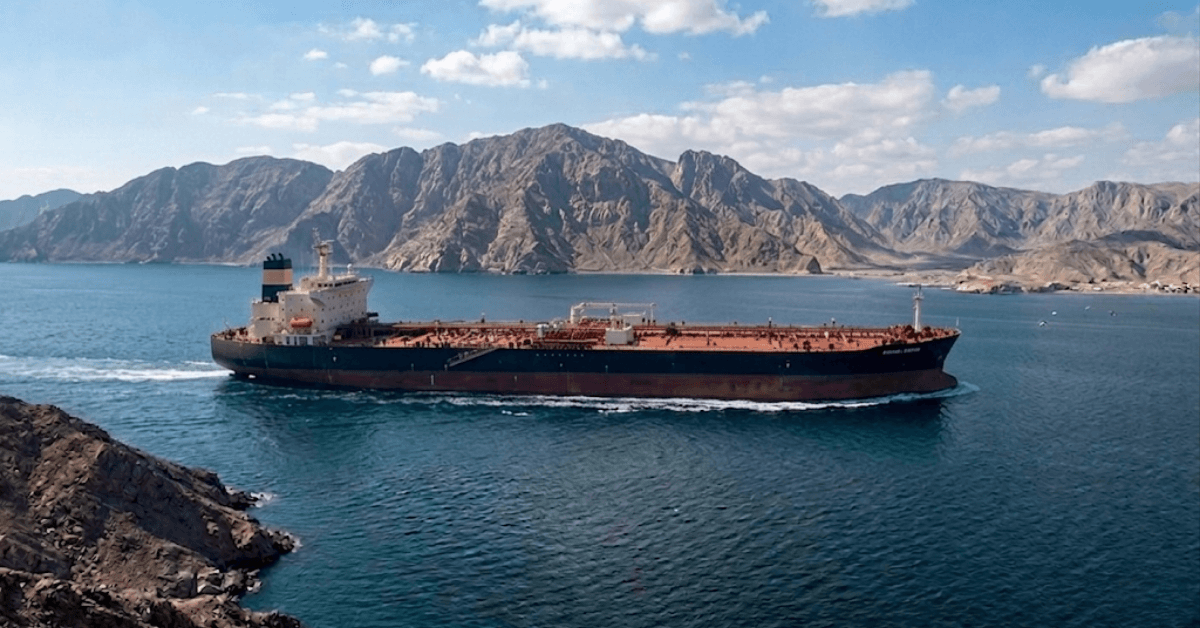
An illustrative photograph of an oil tanker in a strategic shipping route. It does not depict a verified incident from October 2026.
The Strait of Hormuz is particularly important because it carries a substantial share of globally traded oil and other energy supplies. Prolonged disruption could force shipping companies to reconsider routes, raise transport and insurance costs, and increase concerns about whether producers can deliver enough fuel to meet demand. Even without a complete interruption, the threat of disruption can add a risk premium to prices.
For American drivers, the impact is immediate. The Associated Press reported that the national average gasoline price reached approximately $4.33 per gallon on Friday, about 45% higher than before the war. Diesel prices were reported at roughly $6.33 per gallon, around 68% above their pre-war level. Those costs affect more than private motorists: diesel is essential to freight, agriculture and logistics, so sustained increases can also place upward pressure on the prices of food and other goods.
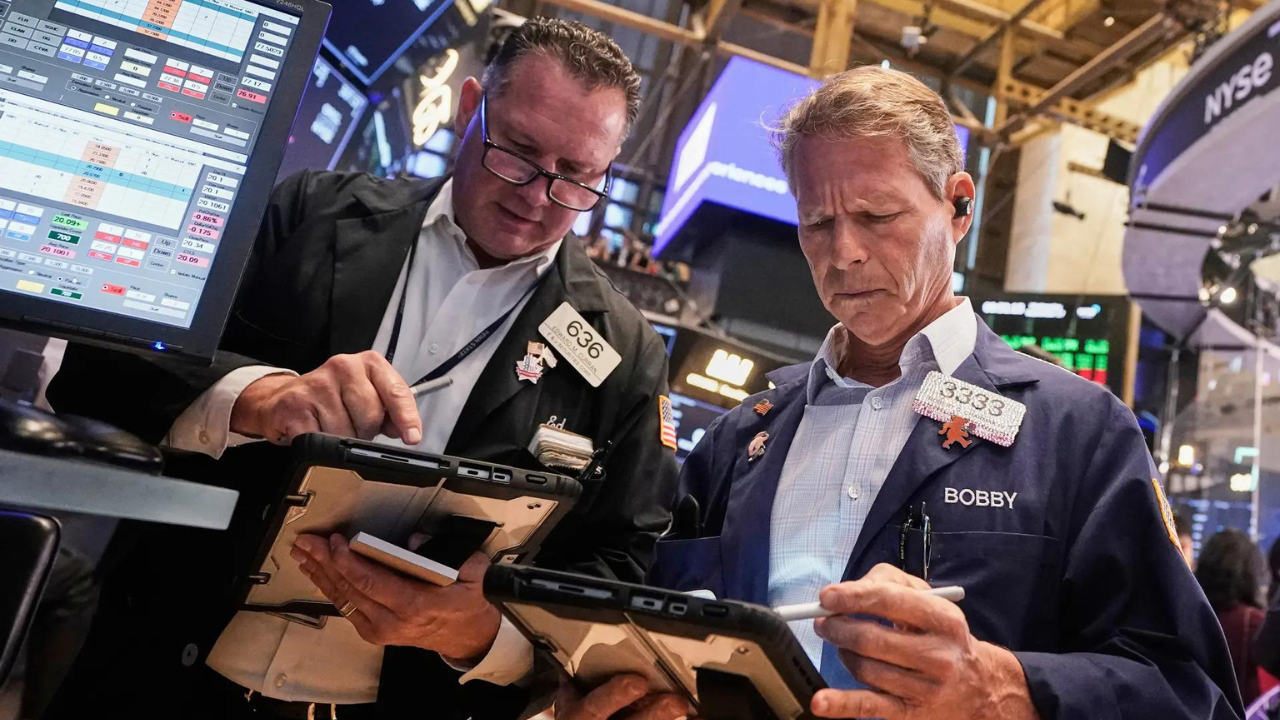
Stock-market traders monitor financial information amid uncertainty over inflation, interest rates and geopolitical developments.
The consequences extend beyond fuel stations. Airlines face higher jet-fuel expenses, shipping companies pay more to move goods, and manufacturers must decide whether to absorb additional costs or pass them to customers. Some businesses may delay price increases to protect sales, but persistent cost pressure can eventually reach retail prices. As a result, the end of a conflict could ease one important source of inflation without reversing every price increase that households have already experienced.
There is also a critical difference between inflation falling and prices falling. If inflation slows from 3.7% to a lower annual rate, consumer prices can continue to rise, just more slowly. For shoppers to pay less than they do now for a particular item, its actual price must decline. Bessent’s prediction that prices will come down therefore raises an important unanswered question: which prices does he expect to fall, by how much, and on what timeline?
The Federal Reserve faces a related dilemma. If the energy shock proves temporary, policymakers may decide that raising interest rates further would unnecessarily weaken economic activity. If higher fuel and transport costs spread into services and other goods, inflation could remain elevated for longer. That would complicate decisions about borrowing costs, business investment and household spending. The September data showed that shelter costs also rose, suggesting the pressure is not entirely confined to the energy market.
For the Trump administration, the political stakes are particularly significant with the November midterm elections approaching. Fuel prices are highly visible to voters, and repeated increases can affect public perceptions of economic management even when other indicators remain resilient. Bessent has argued that the administration’s broader economic policies will help support growth and improve conditions once the energy shock eases. Yet that outcome depends on developments that the Treasury secretary cannot directly control, including the trajectory of the Iran conflict, the security of shipping routes and the recovery of energy supplies.
The administration’s forecast is therefore best understood as a conditional economic argument rather than a guaranteed timeline. If fighting subsides, oil supplies stabilize and transportation risks decline, energy prices could retreat from recent highs. If attacks and supply disruptions continue, the cost of fuel may remain elevated, prolonging pressure on households and businesses. Even in the first scenario, reductions at the wholesale level may take time to reach consumers.
For now, the evidence presents a clear challenge for policymakers: inflation has accelerated, energy prices remain under pressure and financial markets are reacting to geopolitical uncertainty. Bessent believes the United States will get through the crisis and see prices fall after the war. Whether that relief arrives quickly—or proves sufficient to reverse the financial strain already experienced by households—will depend on the evolution of the conflict and the wider global economy.
Comments (0)
Loading comments...
May You Like
Barack Obama Makes a Major Midterm Announcement as He Steps Up Campaign Activity for Democrats

The Obamas’ Entertainment Move: What Their New Animated Series Really Reveals
Obama Is Back on the Political Front Line-Barack Obama stuns nation with announcement

Latest Posts






Popular Posts
Trump’s administration is threatening Europe
Oct 20, 2026
Trump Impeachment Debate Intensifies
Oct 20, 2026