
IRAN WAR COST HITS $48.3 BILLION — HOW MUCH MORE WILL AMERICANS PAY?
IRAN WAR COSTS AMERICANS $48.3 BILLION — AND THE PENTAGON ADMITS THE REAL PRICE IS EVEN HIGHER!
WASHINGTON, D.C. — NOVEMBER 20, 2026
$48.3 billion. That's the staggering price tag now attached to America's military campaign against Iran. And according to the Pentagon's own testimony, the figure doesn't even include the full cost of repairing American military bases damaged by Iranian missiles and drones.
On November 19, Pentagon budget official Arthur Miller told the Senate Armed Services Committee that the estimated cost of U.S. operations against Iran had reached $48.3 billion as of November 13, 2026.
The figure covers military operations, equipment replacement and munitions. But when senators asked how much it would cost to repair damaged American bases across the Middle East, Miller could not provide an answer.
The disclosure comes as Washington debates a proposed $1.5 trillion defense budget and lawmakers question the financial consequences of a conflict that began in February.
How much more will Americans have to pay? Where has the money gone? And could the final cost rise far beyond $50 billion?
AP News+1
The Pentagon's $48.3 Billion Admission
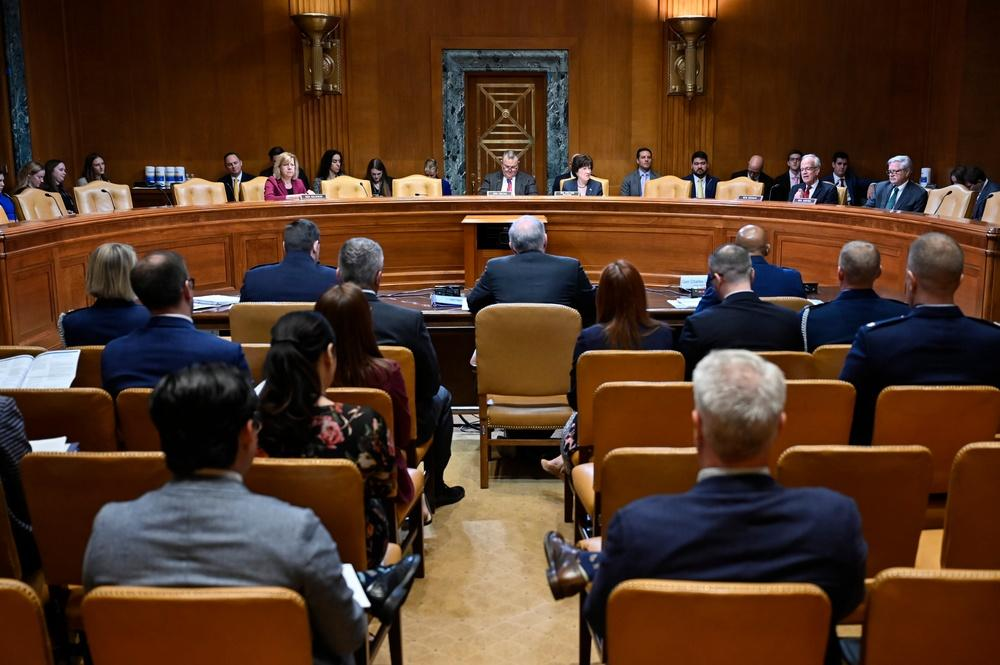
Arthur Miller, a Pentagon budget official nominated for a senior Navy financial position, appeared before the Senate Armed Services Committee on Thursday.
During the hearing, Democratic Senator Richard Blumenthal of Connecticut pressed him about the growing cost of the Iran conflict.
Miller confirmed the latest estimate: $48.3 billion.
But when Blumenthal asked about the destruction caused by Iranian attacks on American installations, Miller said he did not have a complete assessment.
Republican Senator Roger Wicker of Mississippi, the committee chairman, instructed Miller to provide the missing information as soon as possible.
That exchange exposed a significant gap in the public accounting of the war.
AP News
PENTAGON ESTIMATE THROUGH NOVEMBER 13
$48.3 billion
Reported U.S. military costs of the Iran conflict
Included
Military operations, munitions and equipment replacement
Not fully included
Damage to U.S. military installations in the Middle East
The estimate is substantial, but it is not a complete final accounting of the conflict's costs.
From $37.5 Billion to $48.3 Billion: How Fast Is the War Bill Growing?
Reported U.S. military costs of the Iran war
Cumulative estimates in billions of dollars.
015 T30 T45 T$60 TJulySept. 3Oct. 27Nov. 13
July, September, October and November estimates from Pentagon data reported by Reuters and the Associated Press. The October figure was reported as exceeding $47 billion; $47 billion is used as a conservative chart reference.
Investing.com+2
The increase has been substantial.
In July, Defense Secretary Pete Hegseth estimated that the war had cost approximately $37.5 billion.
By September 3, the reported figure had reached $43.6 billion.
By late October, it exceeded $47 billion.
And by November 13, the Pentagon's estimate stood at $48.3 billion.
That represents an increase of at least $10.8 billion from July.
But spending has not necessarily risen at a constant rate. Costs depend on the intensity of military operations, the weapons being used and the equipment requiring replacement.
The figures also describe cumulative spending, not the amount of new money that Congress must immediately appropriate.
Investing.com+1
Where Did the Money Go?
The conflict has consumed enormous quantities of military equipment and resources.
According to Pentagon data obtained by Reuters in October, the estimated replacement cost of expended munitions exceeded $29 billion.
Replacing lost military equipment and platforms, including aircraft and drones, was projected to cost more than $6 billion.
Other expenses included aircraft operations, naval deployments and supporting military activities.
Investing.com
These costs matter because modern military equipment can be expensive to replace.
Missile-defense interceptors, for example, are designed to destroy incoming threats, but each engagement consumes weapons that must eventually be replenished.
The war therefore creates two financial demands: paying for current operations and rebuilding military inventories for future contingencies.
The Missing Bill: American Bases Damaged Across the Middle East
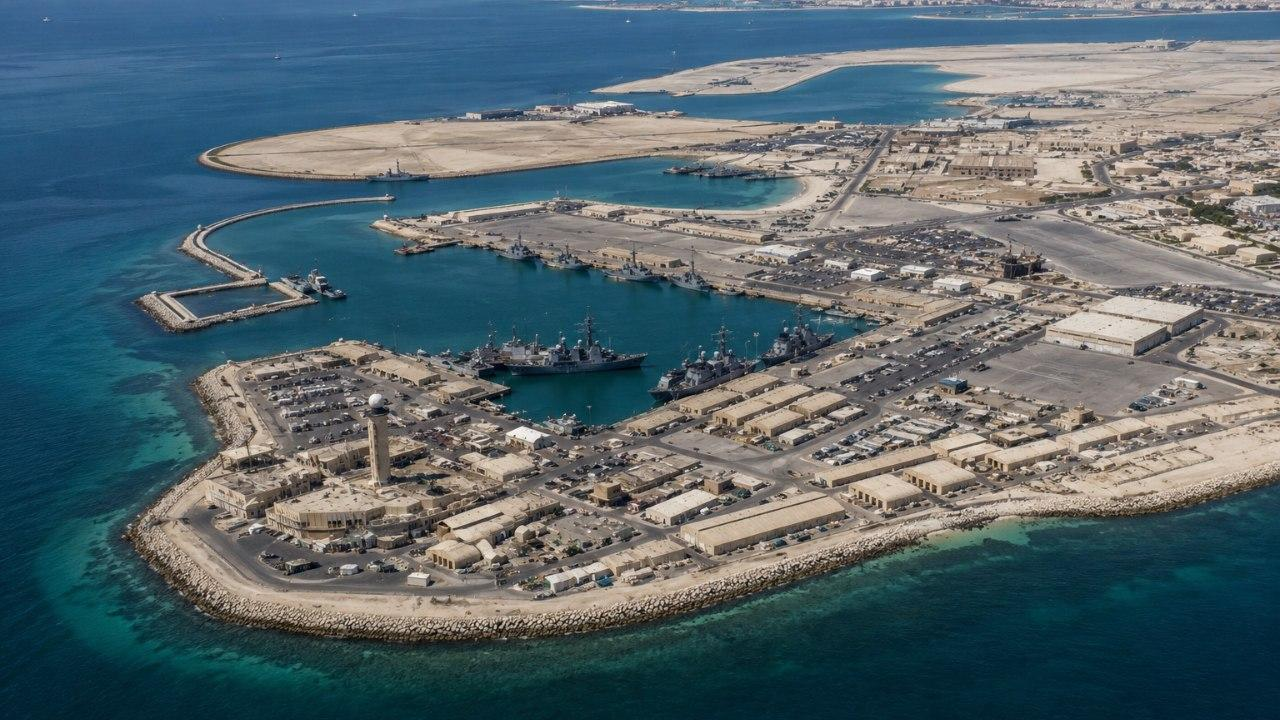
One of the most consequential omissions concerns the damage to American military installations.
An Associated Press analysis found that Iranian strikes damaged aircraft hangars, early-warning and detection systems, warehouses, troop housing and other infrastructure.
Earlier reporting identified damage at installations in Kuwait, Bahrain, Qatar, the United Arab Emirates, Saudi Arabia, Iraq, Oman and Jordan.
The destruction potentially represents billions of dollars in additional losses.
AP News+1
Senator Elizabeth Warren cited reports estimating at least $400 million in damage from an Iranian attack on the U.S. Navy's regional headquarters in Bahrain.
That figure is not a comprehensive Pentagon assessment of all damage in Bahrain.
Acting Navy Secretary Hung Cao said he could not provide a complete evaluation because access to the affected area remained restricted.
AP News
The $48.3 billion figure is therefore not the full cost of repairing America's damaged military infrastructure.
A Naval Blockade Costing $32.5 Million Every Day
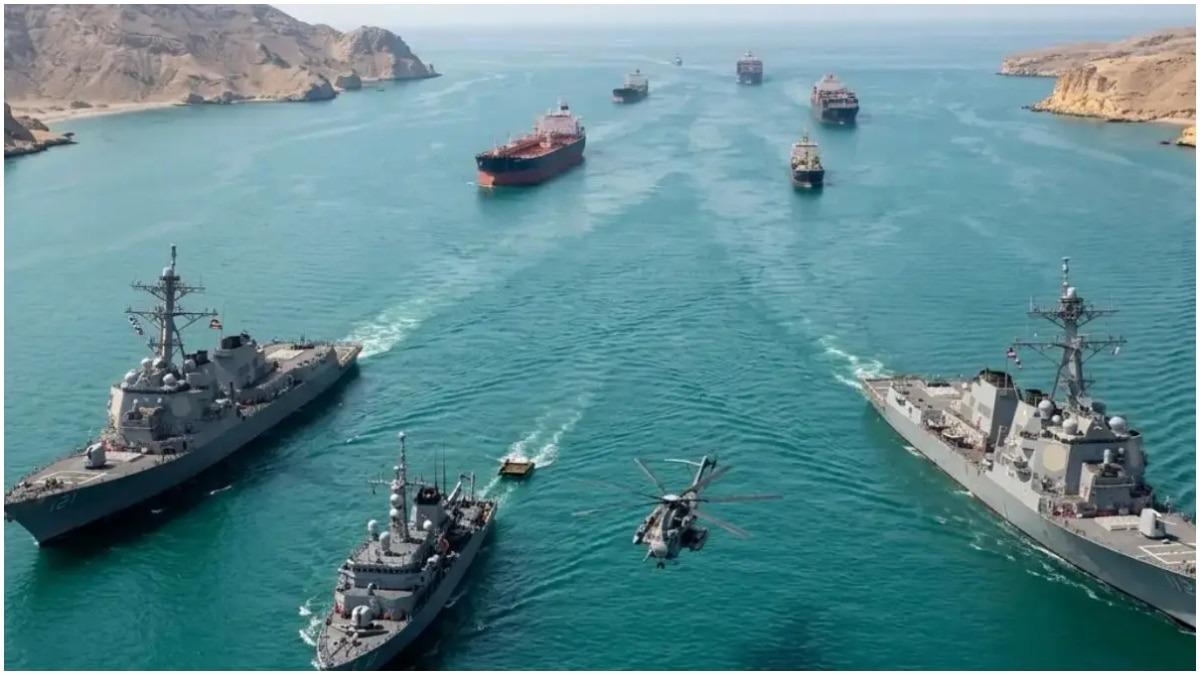
Another major expense is the American naval blockade targeting Iranian shipping.
At a Senate hearing, acting Navy Secretary Hung Cao confirmed an estimate that maintaining the blockade costs approximately $32.5 million per day.
AP News
That daily figure illustrates how quickly the expense of a sustained military operation can accumulate.
What the naval blockade could cost over time
Illustrative calculation using the reported daily cost of $32.5 million, assuming the same rate continues.
Additional days of operations
30 days
Estimated additional blockade operating cost
$0.97 billion
30 days$0.97B
90 days$2.92B
180 days$5.85B
Scenario only, not a Pentagon forecast. These operating expenses may overlap with costs already counted in the $48.3 billion estimate and must not simply be added to it.
At an unchanged daily rate, another 30 days would cost approximately $975 million.
Six additional months could approach $5.9 billion.
But those are hypothetical projections, not confirmed future expenditures. The actual cost would change if the blockade were expanded, reduced or ended.
How Much More Could American Taxpayers Have to Shoulder?
The answer depends on several factors that are not yet known.
The Pentagon has not publicly provided a complete repair estimate for damaged bases.
Future military operations could require additional munitions, aircraft maintenance and personnel support.
And longer-term expenses, including some medical and veterans' costs, may continue after combat operations end.
One way to understand the uncertainty is to examine hypothetical additional costs.
|
Scenario |
Additional costs
Combined total
Current Pentagon estimate
—
$48.3B
Limited additional expenses
$2B
$50.3B
Larger repair and operating bill
$5B
$53.3B
Extended military requirements
$10B
$58.3B
Major further escalation
$20B
$68.3B
These are illustrative arithmetic scenarios, not official estimates or predictions. Additional costs are assumed to be separate from amounts already included in the Pentagon's reported total.
The scenarios show how the final bill could exceed $50 billion.
But there is currently no verified basis for assigning a specific amount to the outstanding base repairs or forecasting the total cost of future operations.
What Does $48.3 Billion Mean for Ordinary Americans?

Military spending is paid through the federal budget.
That means the cost is ultimately financed through some combination of government revenues, borrowing and budget decisions.
It does not mean every American receives a separate tax bill for the war.
For a sense of scale, dividing $48.3 billion among 130 million hypothetical households produces an amount of approximately $372 per household.
That is not an actual household tax burden. It is simply a way to illustrate the size of the expenditure.
The economic consequences may also be indirect.
Conflict-related disruptions can affect oil prices, shipping costs and business confidence. Higher energy prices may increase transportation expenses and contribute to higher prices for some goods.
Reuters reported in October that the war's effects on global energy costs had become a major political issue in the United States.
Investing.com
However, consumer inflation has many causes, and not every increase in grocery or gasoline prices can be attributed to the war.
Congress Demands Answers as the Defense Budget Debate Intensifies
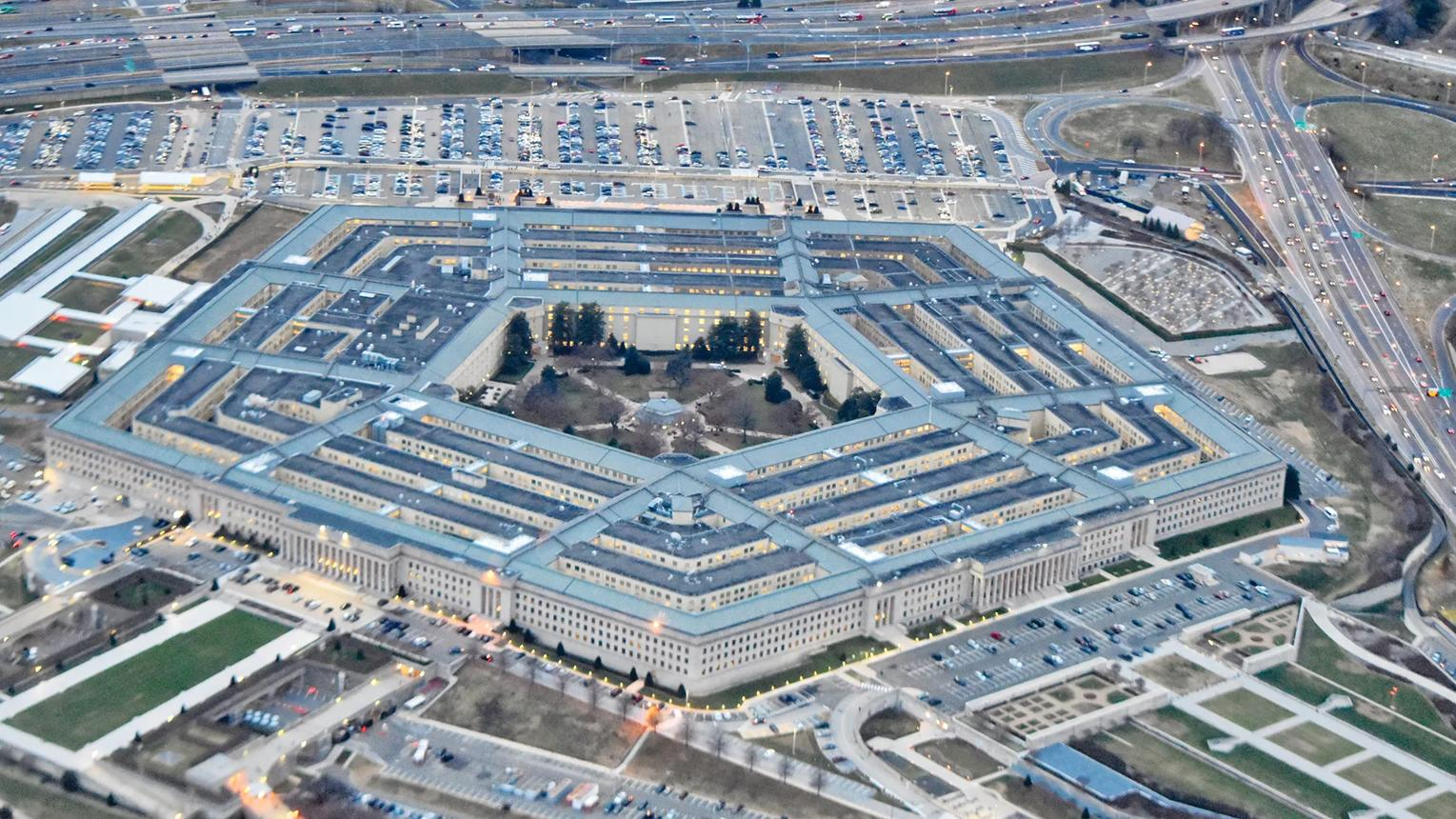
The Pentagon's disclosure arrived amid negotiations over a proposed $1.5 trillion defense budget.
Lawmakers are asking whether the administration has provided sufficient information about operational spending, equipment losses and damage to American installations.
Senator Blumenthal's questioning focused on the absence of a complete damage assessment.
Senator Warren pressed military officials about the costs of the blockade and damage in Bahrain.
Meanwhile, Republican committee chairman Roger Wicker called for the missing information to be provided promptly.
AP News
The disagreements are not limited to spending.
On November 19, the Senate also rejected a resolution seeking to constrain Trump's Iran war powers by a vote of 51–48.
NewsCord
That vote did not create new authorization for military action, but it demonstrated how divided lawmakers remain over the president's conduct of the conflict.
Could the War Cost More Than $60 Billion?
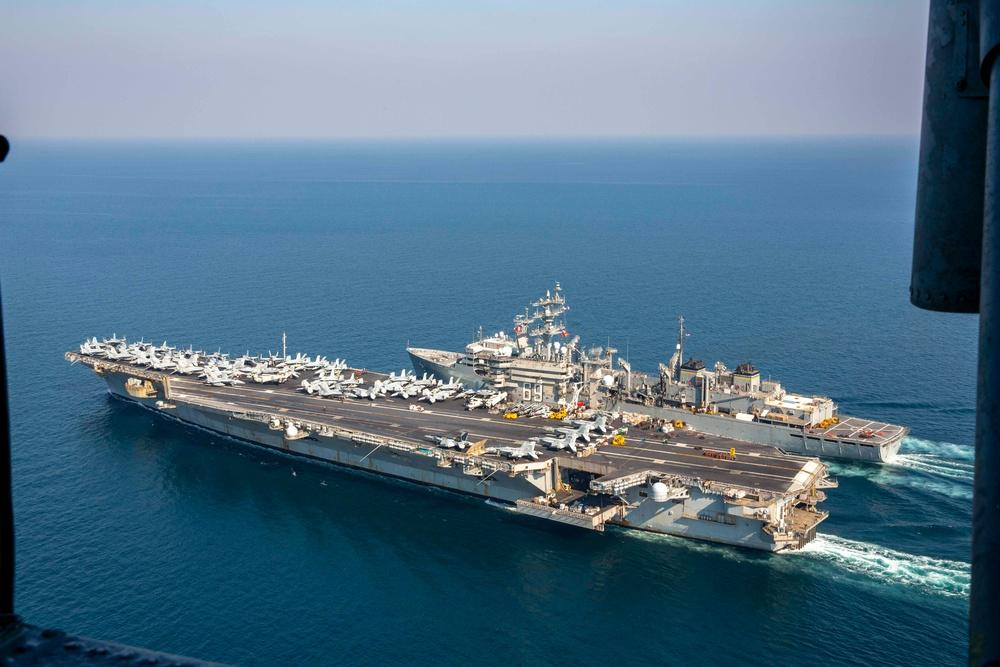
It is mathematically possible for cumulative spending to exceed $60 billion if military operations continue and additional costs accumulate.
But that outcome is not established by the current data.
Three developments will help determine the ultimate expense: the intensity and duration of future operations, the cost of restoring damaged facilities, and the amount required to replenish military inventories.
The administration could reduce some operating costs by scaling back deployments or ending particular missions.
Conversely, renewed heavy fighting could increase expenditures substantially.
The missing base-damage assessment is especially important because it could change the public understanding of how much the conflict has already cost.
The Human Cost Cannot Be Measured in Dollars Alone
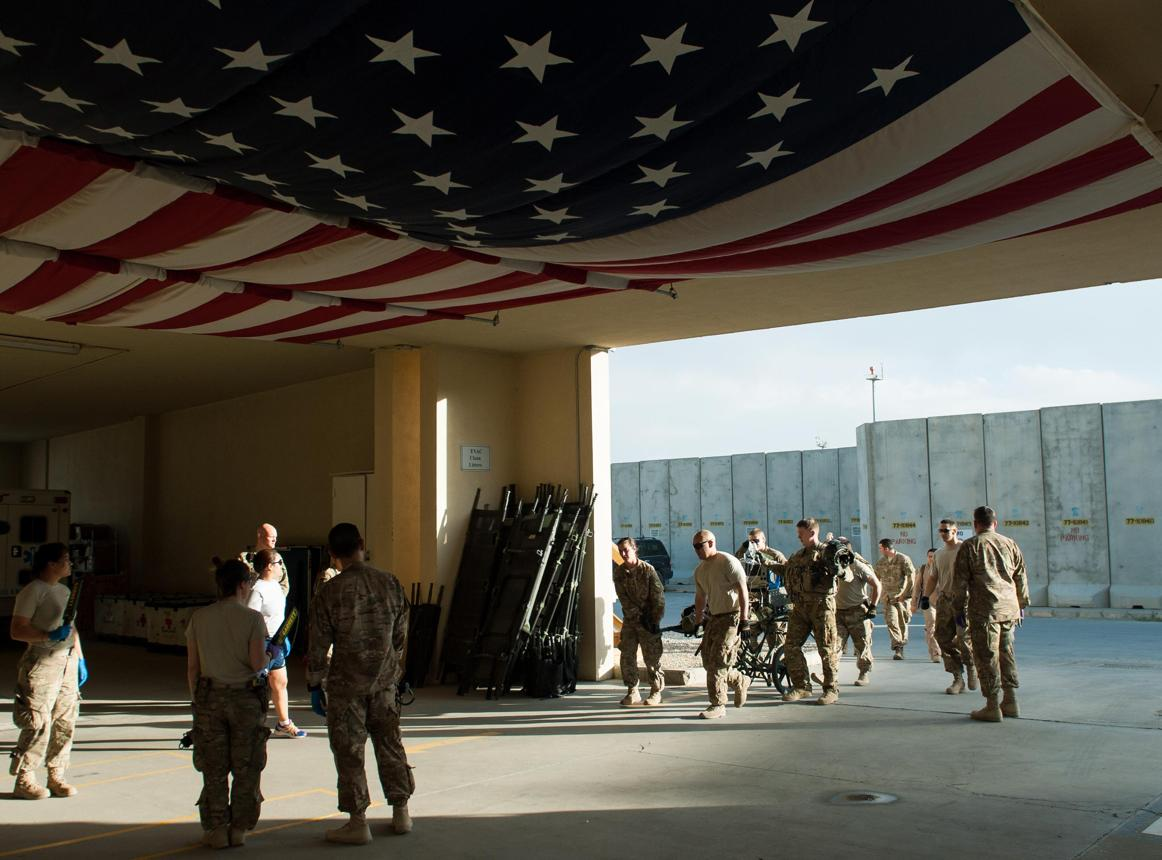
Financial figures tell only part of the story.
The conflict has also caused deaths and injuries among American service members.
An Associated Press report published in September cited Pentagon figures recording 18 U.S. military deaths and more than 830 wounded at that time. Those are historical figures, not a verified current casualty count.
The Washington Post
Military casualties can create lasting consequences for service members and their families.
Medical treatment, rehabilitation and veterans' support may also generate long-term costs beyond the immediate operating budget.
Civilian suffering across the region is another serious consequence that cannot be captured by a single dollar figure.
The Question Washington Still Hasn't Answered

The Pentagon has now acknowledged a $48.3 billion military cost for the Iran conflict.
That figure is already higher than previous estimates.
Yet it still excludes a complete accounting of damage to American bases.
Lawmakers are demanding additional information, and the administration faces difficult decisions about military operations, reconstruction and future defense spending.
Supporters of the campaign argue that military expenditures must be weighed against the national-security objectives they are intended to achieve.
Critics question whether those objectives justify the financial and human costs, particularly if the conflict continues without a clear endpoint.
The confirmed $48.3 billion estimate is not the end of the financial story. It is the latest available figure in an accounting that remains incomplete.
For American taxpayers, the most important unanswered questions are how much more the government will spend, how that spending will be financed and what measurable results it will produce.
Should Congress require a complete public accounting before approving additional funding for the Iran conflict?
And how much more should Washington commit to military operations while American households face their own financial pressures?
AMERICA, WHAT DO YOU THINK? SHARE YOUR OPINION IN THE COMMENTS BELOW!
Comments (0)
Loading comments...
May You Like

IOWA NIGHTMARE: SECOND ARMY BLAST, 10,000 EVACUATED, 201+ HOSPITALIZED!

PACIFICA PIER IN CALIFORNIA COLLAPSE REVEALS MASSIVE CRACK BENEATH THE OCEANs!










Popular Posts





