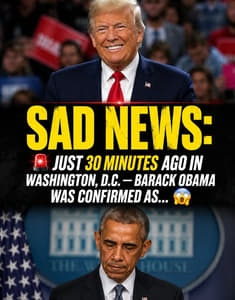
Iran War Costs Top $47 Billion as Obama Challenges Trump’s Strategy and Vance Faces Questions Over U.S. Miscalculations
October 30, 2026 | International Affairs | 9-minute read

A Costly Conflict Raises Difficult Questions in Washington
WASHINGTON — The financial and strategic costs of the U.S. war with Iran are coming under renewed scrutiny as the Trump administration approaches the November 3 midterm elections, with a new Pentagon estimate putting military spending on the conflict above $47 billion.
The figure, reported by Reuters on October 28, marks a substantial increase from the $37.5 billion estimate Defense Secretary Pete Hegseth provided in July. It also places the debate over the war’s cost well beyond the $30 billion figure circulating in viral social media posts.
The latest estimate has intensified questions about whether the campaign is delivering the security benefits promised by the administration, particularly as disruptions to energy markets, attacks on shipping and concerns about military resources continue to shape the conflict.
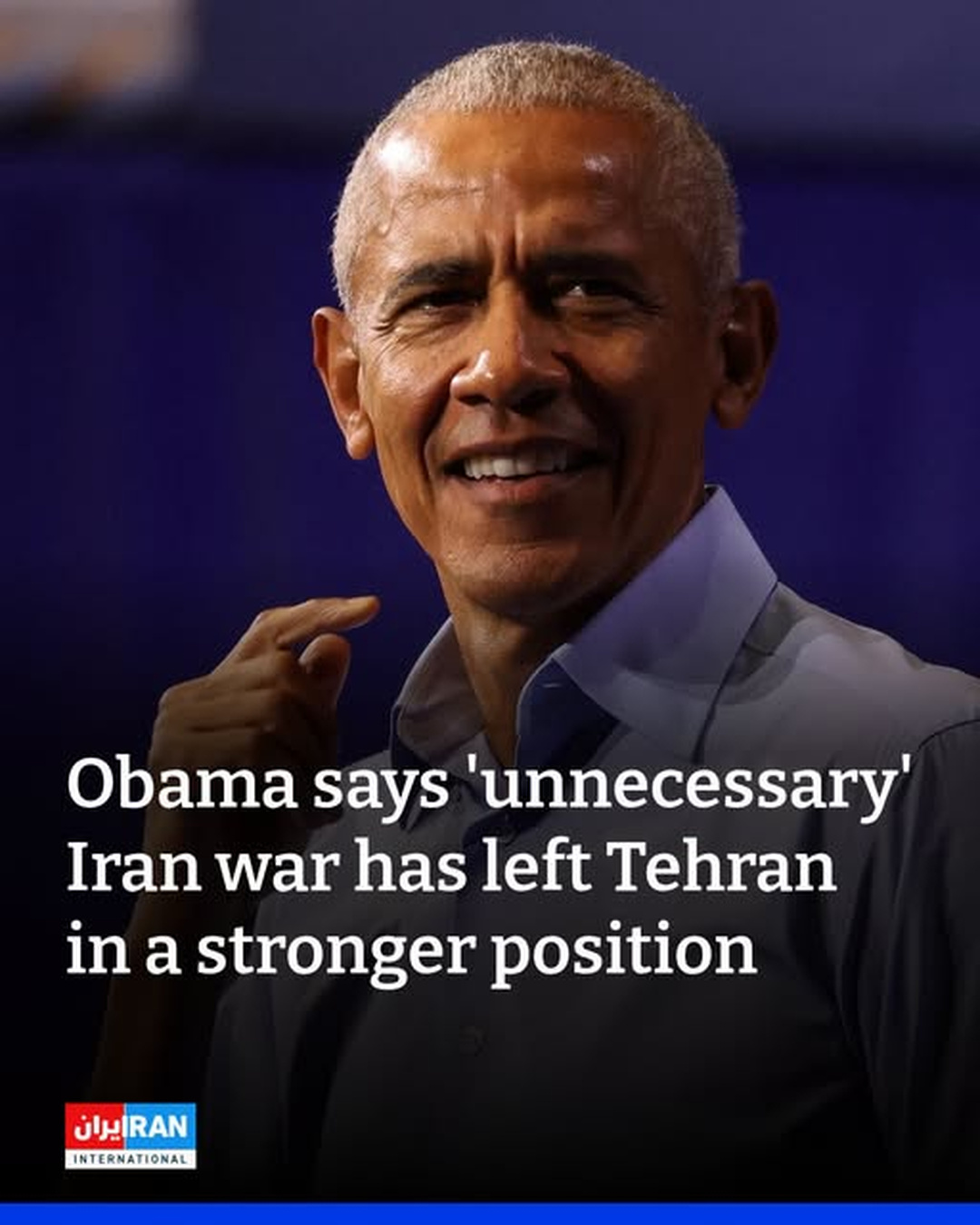
Former President Barack Obama has criticized the administration’s approach, arguing that the war has strengthened Iran’s leverage over the Strait of Hormuz while imposing significant costs on the United States. His comments have added a prominent political voice to a debate already involving military strategy, nuclear diplomacy and the economic consequences for American households.
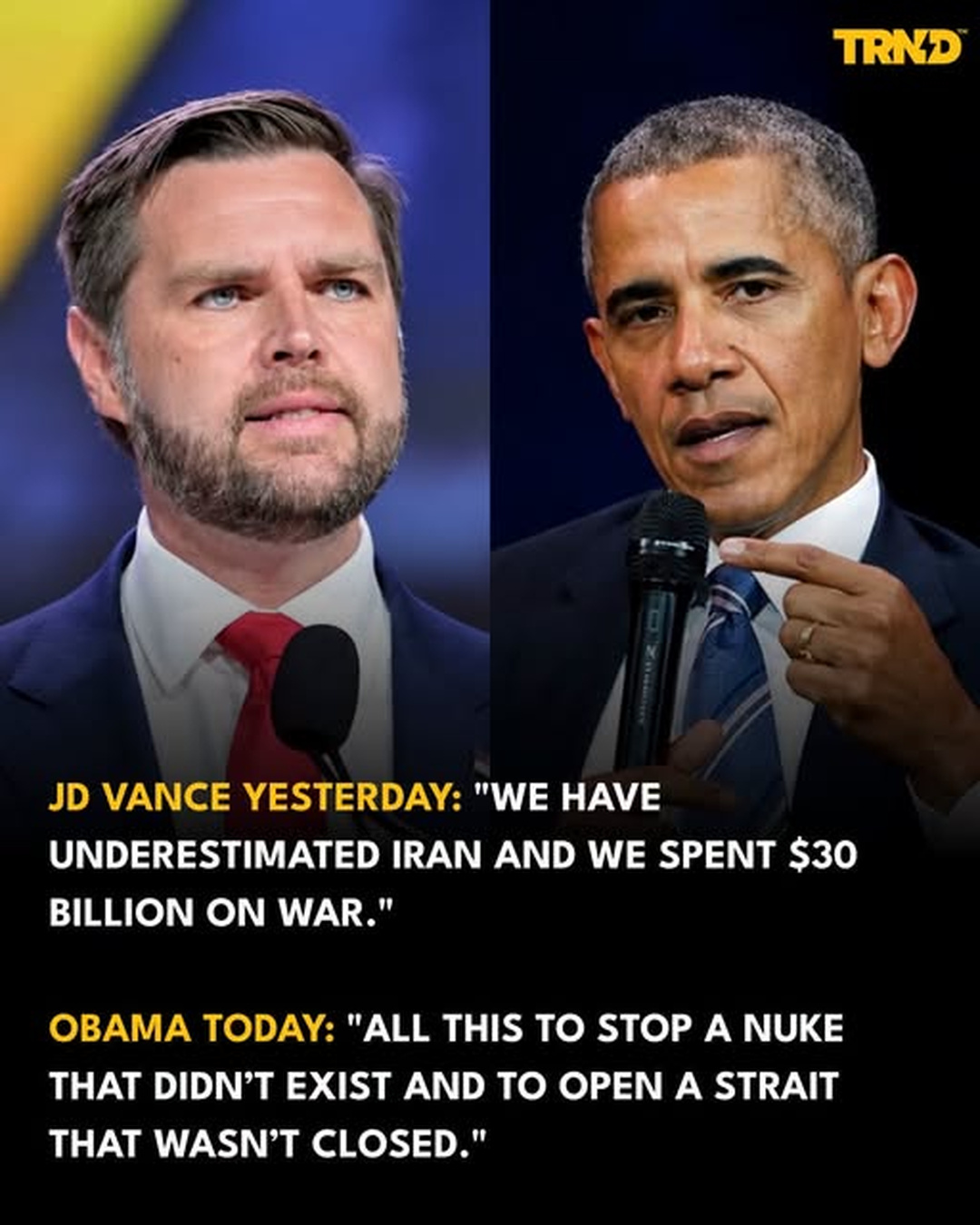
Meanwhile, social media users have circulated a purported statement from Vice President JD Vance acknowledging that Washington underestimated Iran. However, the widely shared wording has not been independently established as an authentic quotation, and it should not be treated as a confirmed admission.
The underlying questions remain significant regardless of the disputed wording: how much has the conflict cost, what has the United States achieved, and what would constitute a sustainable end to the fighting?
The $47 Billion Question: Where Is the Money Going?

The Pentagon’s reported estimate includes substantial expenses associated with replacing expended munitions and damaged military equipment.
The latest reported cost estimate provides a clearer picture of the financial burden created by the conflict.
According to Reuters, the Pentagon’s estimate includes more than $29 billion to replace ammunition and other munitions used during military operations, as well as more than $6 billion to replace damaged or lost equipment, including aircraft and drones. The estimate may not fully account for the cost of repairing U.S. bases damaged by Iranian missile and drone attacks.
These figures represent more than the immediate price of conducting airstrikes. Modern military operations consume expensive precision weapons, require extensive logistical support and create maintenance demands that can continue long after individual missions have ended.
Replacing depleted inventories can also compete with other defense priorities. Weapons used in one theater may be unavailable for future contingencies until production catches up, potentially placing additional pressure on military planners and defense contractors.
There is an important distinction between the reported cost of operations and the total long-term economic burden of war. The latter may include future equipment procurement, infrastructure repairs, additional support for injured personnel and other expenses that are not necessarily captured in an initial estimate.
The Pentagon has not publicly released the latest figure, Reuters reported, and the department had not responded to requests for comment at the time of publication. The $47 billion figure should therefore be understood as a reported estimate rather than a complete, independently audited accounting of every cost associated with the conflict.
Nevertheless, the increase from the previous estimate highlights the financial pressure created by a conflict that has continued far longer than the short campaign initially anticipated by President Donald Trump.
Did JD Vance Admit That Washington Underestimated Iran?

Vice President JD Vance has publicly defended the administration’s objectives in Iran, while questions about the conflict’s duration and cost have become increasingly prominent.
A statement attributed to Vance has spread across social media alongside the claim that the United States underestimated Iran and spent $30 billion on the war.
The graphic has attracted attention because the alleged admission appears to acknowledge two major weaknesses in the administration’s strategy: an inaccurate assessment of Iran’s capabilities and a military campaign whose costs have continued to grow.
However, the exact wording in the viral graphic has not been corroborated by the reliable reporting reviewed for this article. Without an authenticated video, a complete transcript or an official statement, it would be premature to describe the quotation as a confirmed admission by the vice president.
Vance’s documented public position is more complicated.
In an interview with Reuters published on October 6, Vance said that Iran would need to make a substantial and verifiable reduction in its uranium-enrichment capacity for Washington to agree to end the war. He rejected assurances that were not backed by concrete restrictions and emphasized the administration’s concerns about Iran’s nuclear activities.
Vance has also historically expressed reservations about prolonged American military interventions, reflecting a broader current within the Republican Party that favors limiting overseas commitments. Yet since the conflict began, he has publicly defended the administration’s stated objectives.
Those positions create a difficult political balance. An administration must demonstrate that its military campaign is advancing its goals while also explaining why the operation has lasted longer and cost more than initially anticipated.
If the conflict continues without a clear diplomatic outcome, questions about the original assumptions behind the campaign are likely to persist.
The most reliable way to assess whether Washington underestimated Iran is to examine the observable results: the resilience of Iranian military capabilities, the continued risks to shipping, the costs of protecting American forces and the progress made toward the administration’s nuclear objectives.
A viral quotation cannot substitute for that evidence.
Obama’s Criticism: Has the War Strengthened Iran’s Strategic Position?

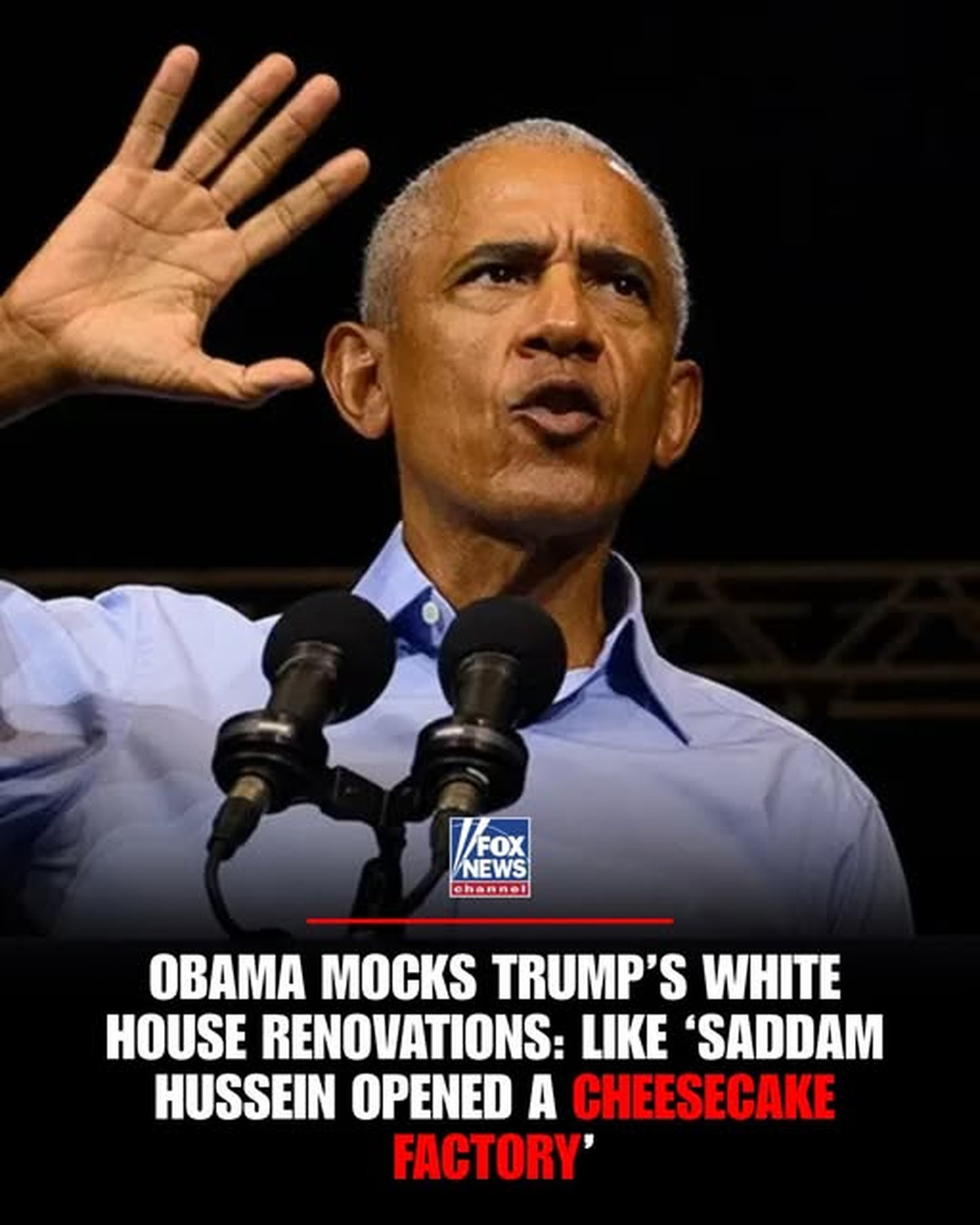
Obama criticized the administration’s Iran strategy during campaign appearances in Ohio and Michigan, arguing that the conflict has increased Tehran’s leverage over global oil shipments.
Obama’s criticism focuses on a central strategic paradox: a military campaign intended to constrain Iran may have increased Tehran’s ability to impose economic costs on the United States and other countries.
During campaign appearances on October 24, Obama argued that Iran had gained leverage over global oil shipments through its ability to threaten the Strait of Hormuz. He also criticized the administration over the conflict’s costs and the broader consequences of its foreign policy decisions.
A separate viral post attributes to Obama the line that the war was launched to stop a nuclear weapon that did not exist and reopen a strait that had not been closed. That wording should be treated as an unverified social media quotation rather than a confirmed verbatim statement.
The underlying criticism, however, is consistent with the broader argument Obama has made about the conflict: military action must be evaluated against the threat it was intended to address and the consequences it has produced.
The Strait of Hormuz is a particularly important part of that calculation. Before the war, approximately one-fifth of global oil and liquefied natural gas flows passed through the waterway. Its disruption has created substantial risks for energy supplies and international shipping.
Iran’s ability to threaten commercial vessels gives Tehran a means of exerting pressure beyond the battlefield. Even when shipments continue, attacks and uncertainty can increase insurance premiums, divert vessels and push energy prices higher.
Reuters reported on October 23 that attacks on commercial shipping in the Strait of Hormuz and surrounding waterways had reached record levels for the month, according to data from the Washington Institute for Near East Policy. The report documented 28 confirmed and reported attacks during October and 113 since the war began.
Those developments support the argument that maritime security remains a major challenge. They do not, by themselves, establish that Iran has become stronger in every strategic dimension.
A full assessment must also consider the damage inflicted on Iran, its remaining military capabilities, the state of its nuclear program and the long-term economic consequences it faces.
The Nuclear Question at the Center of the War

Iran’s nuclear activities remain a central issue in the dispute, with Washington demanding verifiable limits on enrichment and Tehran insisting on its position regarding nuclear rights.
The administration’s justification for its approach rests heavily on preventing Iran from acquiring nuclear weapons.
Vance has argued that Iran must accept substantial, verifiable restrictions on uranium enrichment before the United States can agree to end the war. Iran, meanwhile, has maintained that its right to enrich uranium must be recognized, leaving the two sides divided over the terms of a potential settlement.
The distinction between possessing nuclear technology, enriching uranium and having an operational nuclear weapon is essential to understanding the debate.
A country may possess nuclear facilities and produce enriched uranium without having assembled a functioning nuclear weapon. Determining how close it is to producing one requires technical intelligence, assessments of its capabilities and information about its intentions.
Consequently, the statement that a nuclear weapon did not exist does not, on its own, settle whether policymakers faced a serious proliferation risk. The relevant questions include what Iran could produce, how quickly it could do so, what monitoring was available and what safeguards could reliably constrain its activities.
The United States has previously pursued diplomacy through the 2015 Joint Comprehensive Plan of Action, negotiated under the Obama administration. Trump withdrew the United States from that agreement in 2018, and Iran subsequently reduced its compliance with several nuclear restrictions.
Supporters of diplomacy argue that verifiable restrictions can limit nuclear risks without the costs of war. Supporters of military action contend that diplomatic agreements may prove insufficient if an adversary continues to expand capabilities that could support a future weapons program.
The current conflict has not eliminated the need to resolve that disagreement. Ultimately, a durable settlement would need to address nuclear restrictions, verification, sanctions and the broader security concerns that have contributed to the confrontation.
Rising Energy Prices Spread the Consequences Beyond the Battlefield

Uncertainty surrounding Gulf shipping has pushed energy markets to account for continued supply risks, affecting consumers and businesses far from the conflict zone.
The war’s economic consequences have become increasingly difficult to separate from its military objectives.
On October 28, Reuters reported that Brent crude futures rose 1.4% to $115.47 per barrel, while U.S. West Texas Intermediate increased to $101.33. The move followed a reported attack on a major Saudi Arabian refinery, which heightened concerns about further disruptions to regional energy supplies.
Higher oil prices can affect consumers through gasoline, diesel, air travel, freight transportation and the production of energy-intensive goods.
The effects can also reach food prices. Farmers rely on fuel and transportation to operate equipment and move produce, while manufacturers and retailers face higher costs when freight and energy become more expensive.
Reuters reported on October 27 that major consumer-goods companies, including Coca-Cola, Procter & Gamble, Nestlé and PepsiCo, were warning of additional cost pressures and potential price increases extending into 2027.
These developments illustrate how a regional military conflict can spread into the wider economy. Even countries that do not import oil directly from the Gulf can face higher costs because global energy markets are interconnected.
The duration of the disruption matters. A short-lived price increase may be absorbed through inventories, alternative supplies or temporary adjustments. Prolonged instability can have more persistent consequences for inflation, business investment and household budgets.
For the Trump administration, that creates a political challenge. Officials must explain not only the security objectives of the war but also how the costs and risks are expected to translate into a more stable outcome.
The Midterm Elections Add Pressure to the Administration

With the November 3 midterm elections approaching, the war’s financial and economic consequences have become part of the broader debate over the administration’s record.
The timing of the controversy is significant. Americans are preparing to vote in the November 3 midterm elections, which will determine control of Congress and influence the administration’s ability to advance its agenda.
Democrats have criticized the war’s costs, the rise in living expenses and what they describe as a lack of clear strategic benefits. Obama’s campaign appearances have helped bring those arguments to a wider audience.
Republicans, meanwhile, have defended the administration’s emphasis on preventing Iran from acquiring nuclear weapons and have argued that national security cannot be measured exclusively by short-term financial costs.
Both arguments raise legitimate questions for voters to examine.
The central issue is whether the military campaign is achieving its stated objectives and whether those objectives could be secured through a more sustainable combination of diplomacy, deterrence and international cooperation.
The financial figures also matter because military expenditures compete with other government priorities. Replacing weapons, repairing bases and maintaining operational readiness can require additional funding, potentially leading to further debate in Congress over defense appropriations.
However, the political consequences of the war cannot be determined from its price tag alone. Voters may weigh national security, economic conditions, the conduct of the administration and competing domestic priorities differently.
The election will not immediately settle the conflict, but it will shape the political environment in which future decisions about military operations, funding and negotiations are made.
What Happens Next?
The immediate outlook depends on whether Washington and Tehran can move toward an agreement that addresses nuclear concerns while reducing threats to regional shipping.
Reuters reported on October 27 that Qatar and Pakistan were pursuing diplomatic efforts involving regional governments to help de-escalate the conflict. The talks come amid continued tensions over the Strait of Hormuz, Iran’s oil exports and the possibility of renewed U.S. military action.
Several questions will determine whether those efforts can produce a lasting result:
-
Nuclear restrictions: Can the two sides agree on measurable limits to Iran’s enrichment capacity and a credible verification process?
Maritime security: Can commercial shipping resume more reliably through the Strait of Hormuz without creating new military confrontations?
Military spending: Will the United States need to allocate substantially more funding to replenish weapons, repair damaged facilities and sustain operations?
Regional diplomacy: Can neighboring countries help establish arrangements that reduce the risk of further attacks and escalation?
None of these issues has an easy solution. An agreement that addresses only the nuclear program may leave maritime security unresolved, while a temporary reduction in fighting may fail to settle the underlying political disputes.
A lasting settlement would require both sides to make decisions about security guarantees, sanctions, nuclear verification and the conditions under which military operations would end.
Until then, the United States faces the challenge of maintaining pressure on Iran while managing the financial, military and economic costs of the conflict.
The Bottom Line
The debate over the Iran war has moved beyond a dispute about individual statements. The reported cost of more than $47 billion, continued threats to Gulf shipping and rising energy prices have created concrete questions about the campaign’s strategic and economic consequences.
Obama’s criticism highlights the possibility that military action has increased Iran’s leverage over a critical international shipping route. The administration’s position remains that preventing Iran from acquiring nuclear weapons is a vital security objective.
The viral quotations attributed to Vance and Obama should not be presented as authenticated statements without stronger evidence. But the underlying debate is real: how should the United States measure the success of a war, and what costs are justified by the security outcomes it seeks?
As the midterm elections approach, that question is likely to remain central to the national conversation.
The decisive measure will not be the popularity of a social media graphic or the sharpness of a campaign speech. It will be whether the conflict ultimately produces verifiable nuclear constraints, more secure shipping routes and a more stable regional environment — without imposing further avoidable costs on American service members, taxpayers and the wider global economy.
Comments (0)
Loading comments...
May You Like

Latest Posts

Popular Posts