
IRAN WARNS WASHINGTON — HOW SERIOUS IS THE THREAT TO U.S. MILITARY BASES?
IRAN WARNS WASHINGTON: ARE U.S. MILITARY BASES ACROSS THE MIDDLE EAST UNDER THREAT?
WASHINGTON, D.C. / TEHRAN — NOVEMBER 27, 2026
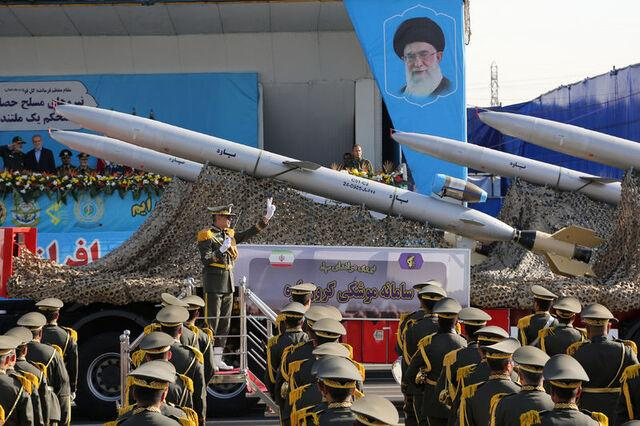
A reported military warning from Tehran is raising serious concerns about the safety of American forces stationed across the Middle East. Iran claims that all U.S. military bases throughout the region are within reach of its weapons.
The warning highlights the growing importance of regional military security and the potentially devastating consequences of a direct confrontation between Washington and Tehran.
But how credible is Iran's threat? Could American defensive systems protect U.S. personnel, and what would a wider conflict mean for American families?
1. What Exactly Has Iran Threatened?
On November 11, 2026, Amir Kioumars Heydari, deputy chief of Iran's Armed Forces General Staff, warned during a televised interview that American military installations and interests were within reach of Iranian forces.
Heydari claimed that Tehran was prepared to retaliate beyond the Middle East if Washington resumed military attacks against Iran.
mobile.aa.com.tr
Mohsen Rezaei, secretary of Iran's Supreme National Security Council, reinforced the warning, declaring:
“No safe distance. No safe haven. No immunity.”
Rezaei also threatened military installations outside the Middle East if they were involved in renewed attacks against Iran.
mobil.aa.com.tr
These statements represent serious military warnings, although they do not establish that an imminent attack has been ordered.
2. How Dangerous Are Iran's Military Capabilities?
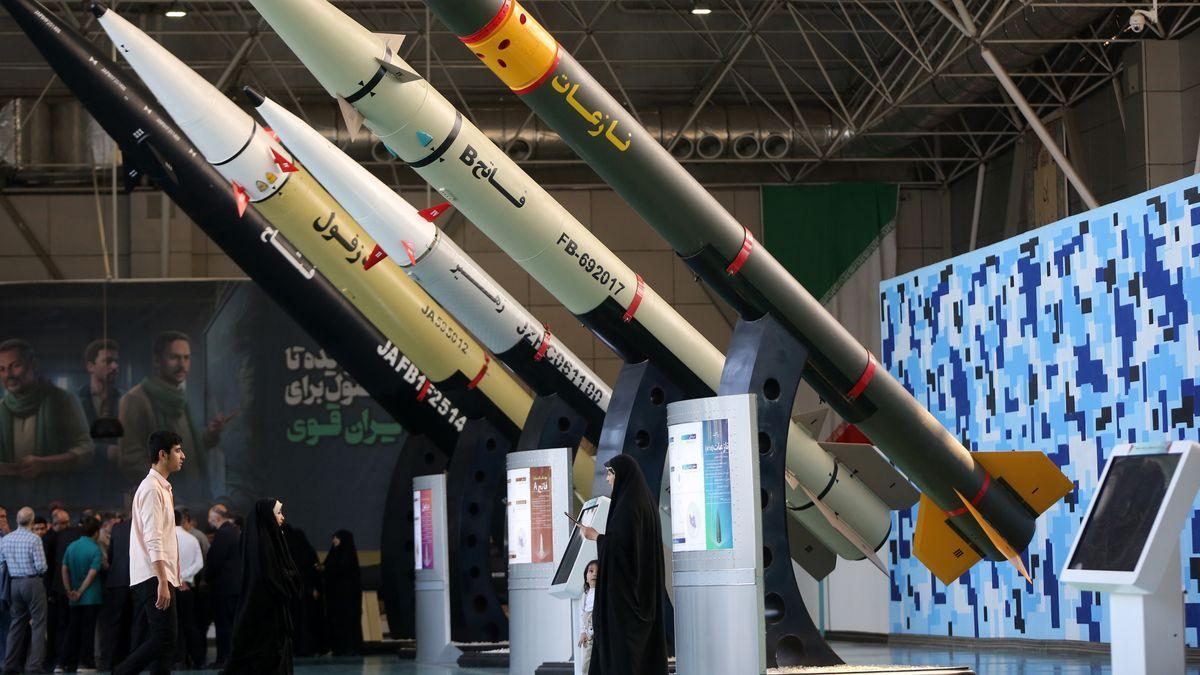
Iran has invested extensively in developing domestic military technology despite decades of international sanctions.
Its military capabilities include several major categories:
|
Military capability |
Strategic significance
Ballistic missiles
Regional military deterrence
Cruise missiles
Additional conventional strike capabilities
Unmanned aircraft
Relatively affordable military technology
Naval forces
Influence over regional maritime security
Electronic warfare
Potential disruption of military communications
Cyber capabilities
Digital security concerns
Iran's military capabilities represent a credible security concern. However, Tehran's assertion that every American installation is within striking range has not been independently established.
Military reach does not necessarily translate into the ability to successfully attack a defended installation.
3. Has Iran Already Demonstrated Its Willingness to Attack American Forces?
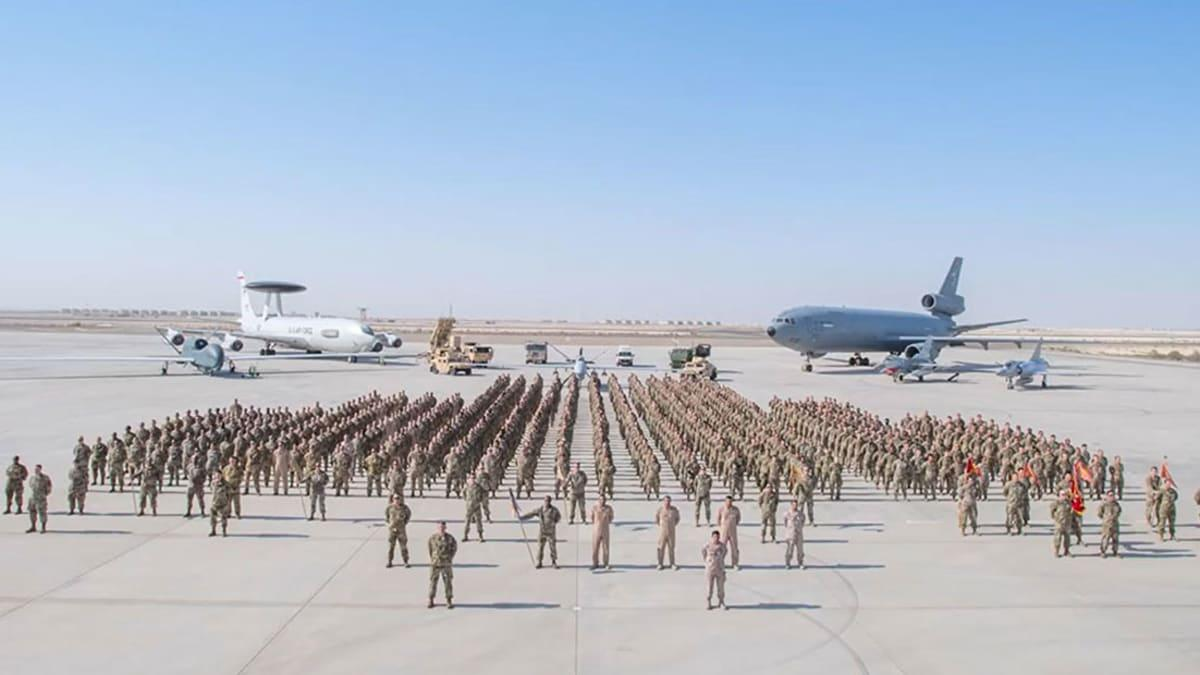
The confrontation between Washington and Tehran intensified significantly following American and Israeli military operations against Iran beginning on February 28, 2026.
Iran responded with military operations targeting Israel and American military interests throughout the region.
Al Jazeera
More recently, a situation report published by Israel's Institute for National Security Studies documented conflicting Iranian and American accounts of military incidents during November.
Some Iranian claims of successful attacks remain unverified, with American military officials disputing reported damage.
INSS
This demonstrates the importance of distinguishing confirmed military developments from wartime propaganda.
4. Can America's Defensive Systems Protect U.S. Troops?
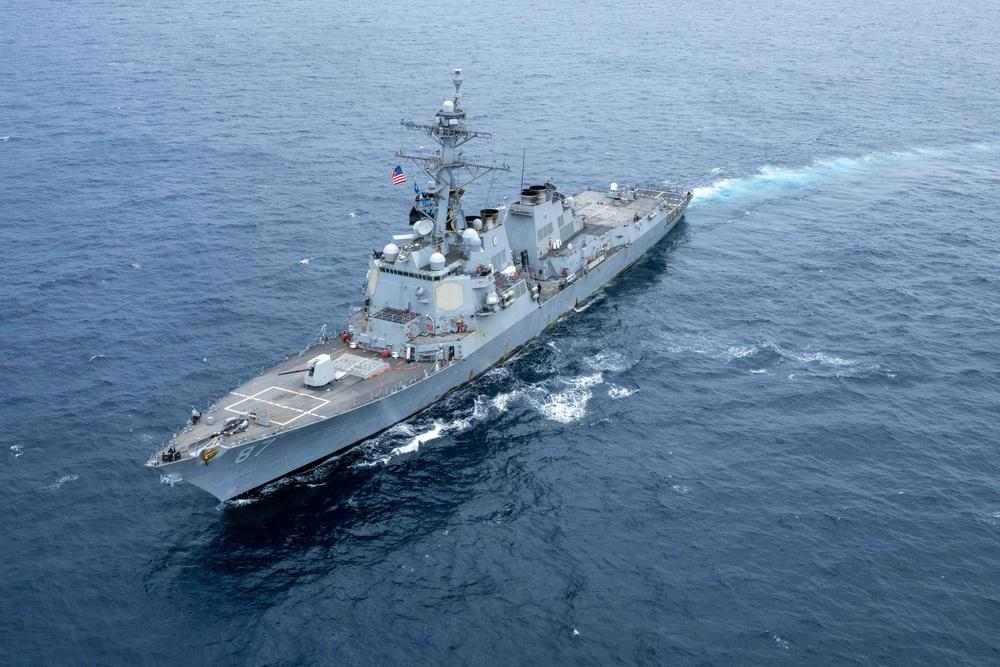
The United States maintains sophisticated defensive capabilities designed to protect military personnel and infrastructure against aerial threats.
These include missile defense systems, early-warning technology, protective infrastructure, naval defenses and emergency response procedures.
Nevertheless, no military defensive system can guarantee complete protection against every possible threat.
The Pentagon must balance its operational objectives with the responsibility to protect American service members and minimize risks to surrounding civilian populations.
5. U.S. Intelligence Has Already Warned of Increased Risks
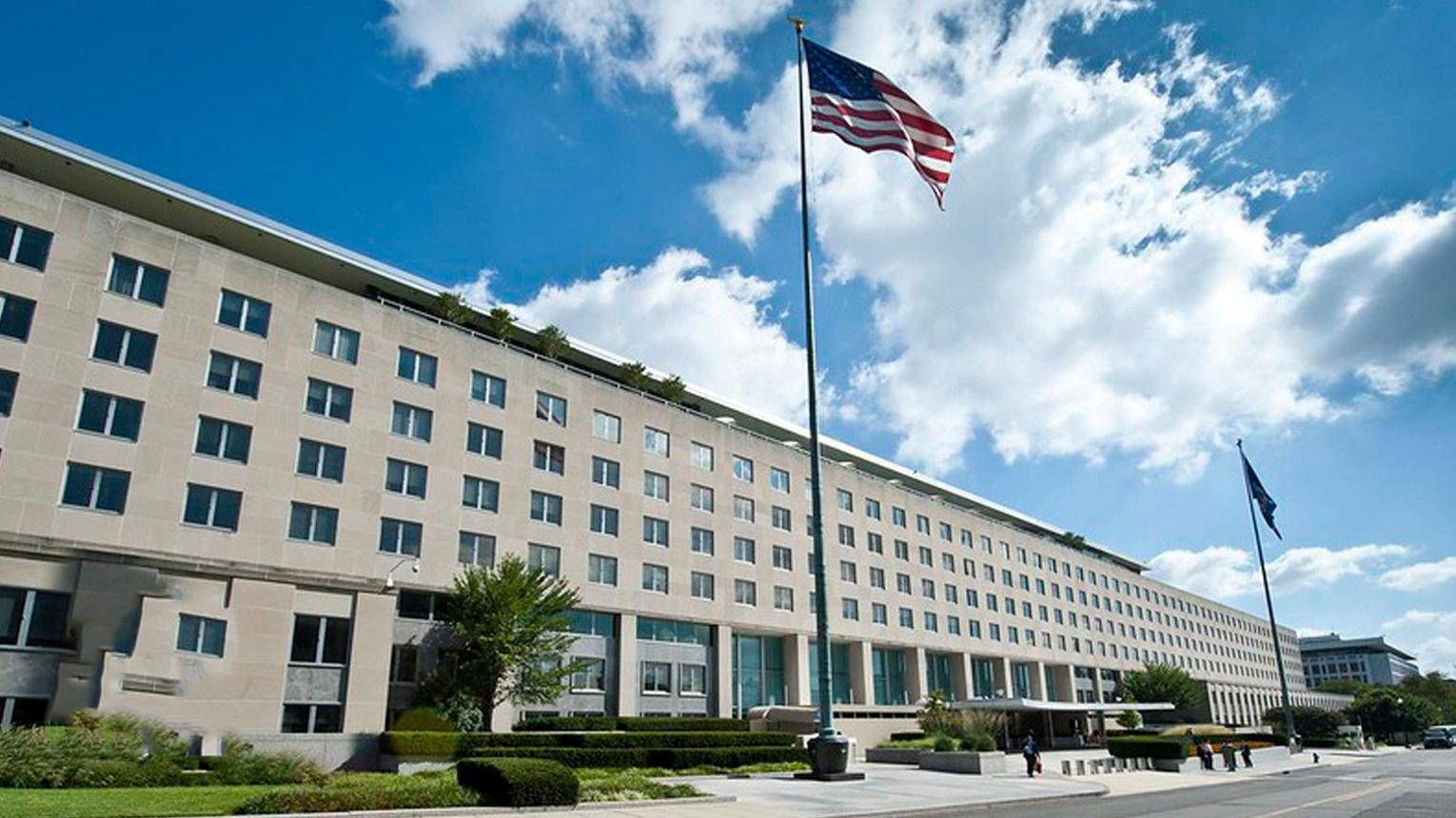
According to Reuters on October 24, an American intelligence memorandum warned that Iran had intensified efforts targeting U.S. personnel.
Washington subsequently reduced staffing at certain diplomatic facilities and revised travel advisories in response to heightened security concerns.
Reuters
These developments indicate that American authorities have taken the broader security situation seriously.
However, heightened security precautions should not be interpreted as confirmation that a specific attack is imminent.
6. Could This Conflict Spread Beyond the Middle East?
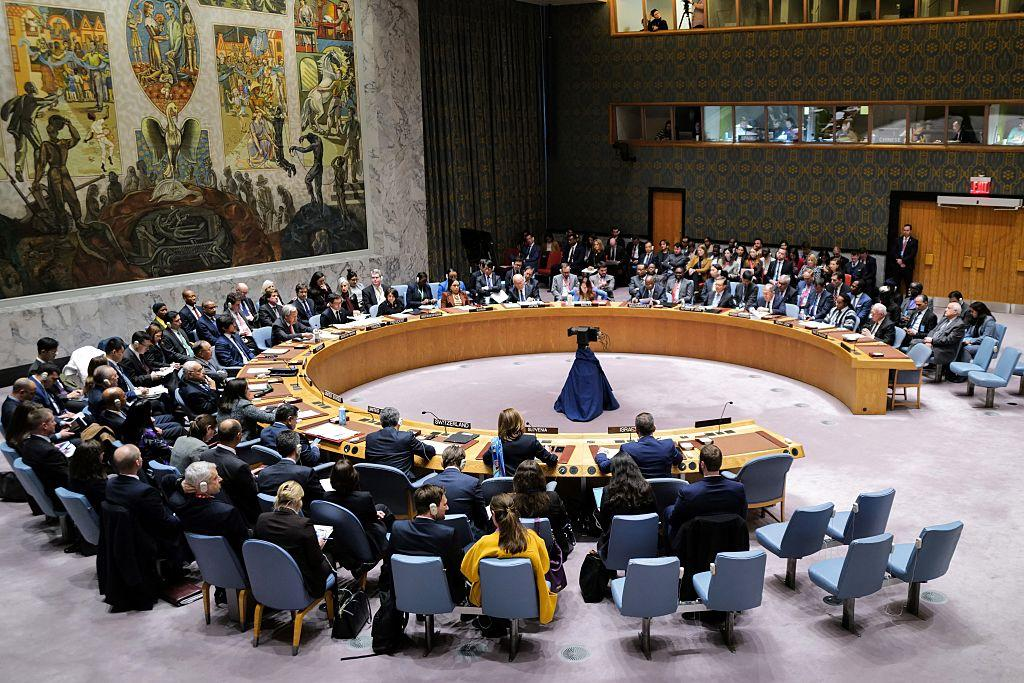
Iran's warnings concerning military installations beyond its immediate region introduce additional diplomatic concerns.
A wider confrontation could potentially involve more governments, strain international security partnerships and increase pressure on military resources.
Three possible developments include:
Diplomatic de-escalation
Washington and Tehran pursue negotiations and reduce military tensions.
Continued military confrontation
Hostilities persist while both governments attempt to prevent a broader conflict.
Regional escalation
Additional countries become involved, increasing humanitarian, military and economic consequences.
These are hypothetical scenarios rather than confirmed military plans or predictions.
7. Why Should Ordinary Americans Be Concerned?

A renewed military confrontation could have economic consequences extending far beyond the battlefield.
Disruptions to energy exports and commercial shipping could contribute to higher fuel prices, transportation expenses and manufacturing costs.
Additional military operations could also increase federal defense expenditure.
|
Economic sector |
Potential consequences
Gasoline
Higher prices if oil supplies are disrupted
Groceries
Increased transportation expenses
Airlines
Higher fuel and operating costs
Federal budget
Additional military expenditure
Financial markets
Increased uncertainty and volatility
These economic consequences would depend on the scale and duration of any renewed fighting.
8. How Much Could Rising Gas Prices Cost American Families?
Potential household fuel cost increase
Monthly gasoline consumption
80 gallons
Hypothetical price increase
$0.75/gal
Additional monthly expense
$60
Additional annual expense
$720
Illustrative calculation, not a forecast of future gasoline prices.
For American families already struggling with living expenses, even a relatively modest increase in energy prices could create additional financial pressure.
9. Can Diplomacy Still Prevent a Wider War?
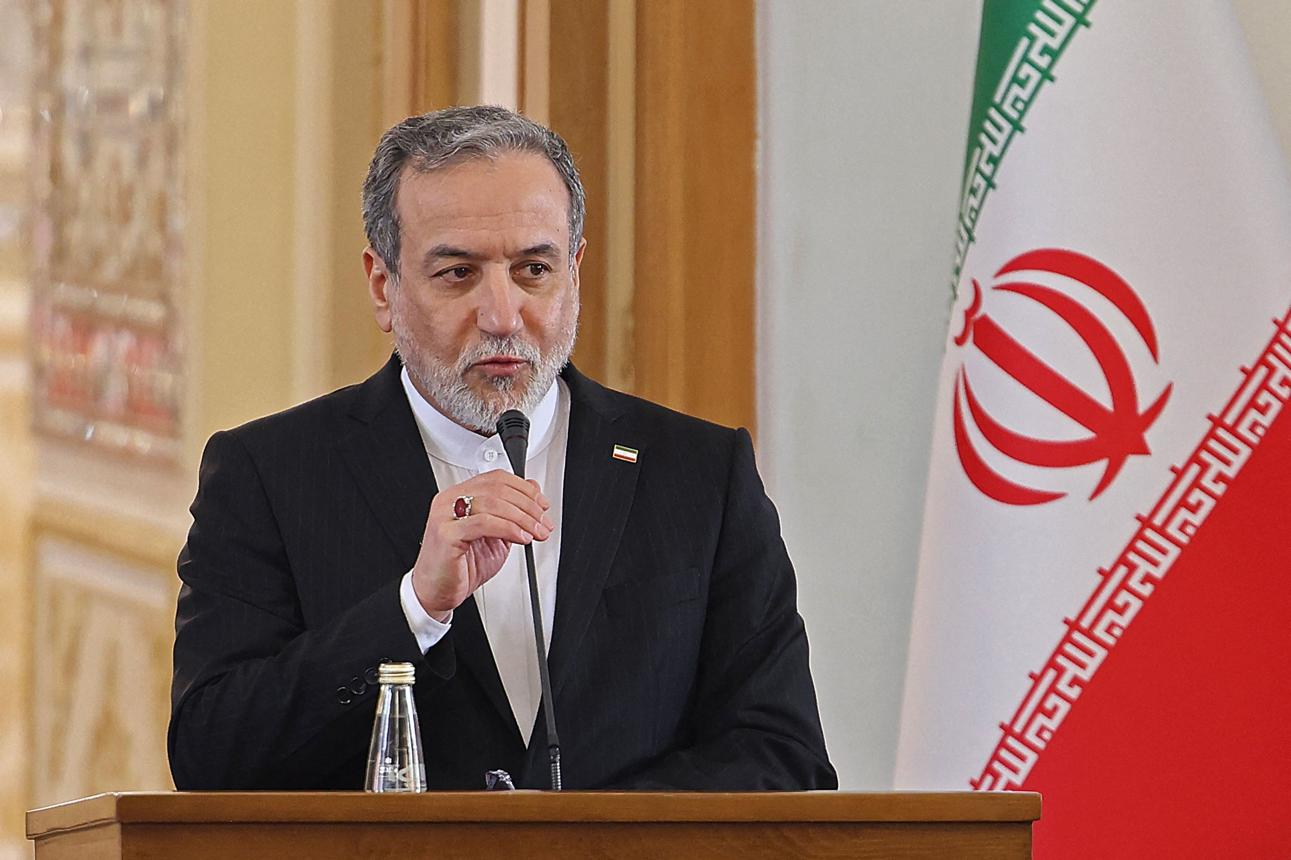
Despite increasingly confrontational rhetoric, diplomatic negotiations remain an important avenue for reducing tensions.
Washington and Tehran continue to disagree over several major issues, including economic sanctions, maritime security and the implementation of their June 18 memorandum reached in Islamabad.
mobile.aa.com.tr
Resolving these disagreements could help reduce the risk of renewed fighting.
Failure to reach an agreement, however, could leave American military personnel and civilians across the region facing continued uncertainty.
10. Is Iran's Warning a Declaration of War?
The reported statements are conditional threats of retaliation rather than a new formal declaration of war.
Their seriousness should not be underestimated, particularly considering the history of military confrontation between the two countries.
At the same time, military rhetoric does not necessarily mean that an immediate attack is inevitable.
Iran is sending Washington a forceful message about the potential consequences of renewed military operations. The challenge facing both governments is preventing further escalation while protecting military personnel, civilians and global economic stability.
AMERICA, WHAT DO YOU THINK? CAN DIPLOMACY PROTECT OUR TROOPS AND PREVENT A WIDER MIDDLE EAST WAR, OR WILL THE GROWING MILITARY TENSIONS LEAD TO ANOTHER COSTLY CONFRONTATION? SHARE YOUR OPINION IN THE COMMENTS BELOW!
Comments (0)
Loading comments...
May You Like

AMERICA'S LUCAS DRONE — A POTENTIAL GAME CHANGER IN THE SOUTH CHINA SEA?

CARIBBEAN PRINCESS: 5,000+ ABOARD, UNKNOWN VIRUS—CHINESE PASSENGER IS FIRST KNOWN CASE!

TRUMP'S NVIDIA STOCK DEALINGS — IS THERE ANY TRUTH TO THE $14 MILLION PROFIT CLAIM?












