
IRAN'S SECRET MISSILE CITY EXPOSED — CAN IT SURVIVE AMERICA'S BUNKER-BUSTER BOMBS?
IRAN UNVEILS A SECRET UNDERGROUND “MISSILE CITY” — TRUMP DISMISSES TEHRAN’S WEAPONS, BUT CAN AMERICA’S BUNKER-BUSTER BOMBS DESTROY THE FORTRESS?
TEHRAN, IRAN — NOVEMBER 20, 2026
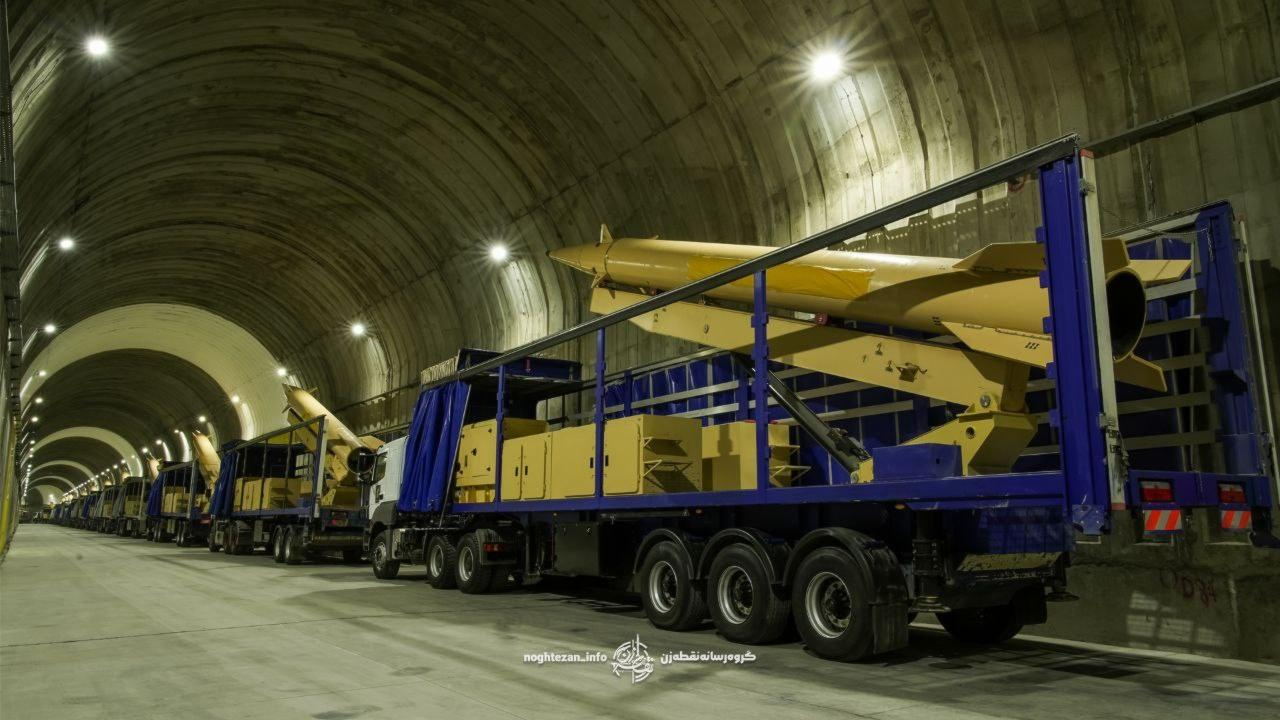
Iran has revealed a new underground missile complex, displaying ballistic missiles, cruise missiles and mobile launchers inside a network of tunnels. Tehran says its most important weapons can survive intense bombardment. But does the fortress really provide protection against America's most powerful bombs?
On November 10, Iran's Islamic Revolutionary Guard Corps (IRGC) unveiled what it described as a new underground missile city.
Iranian military commanders toured the installation as state-linked media published images of missiles and launch equipment.
The announcement came amid continuing military tensions between Tehran and Washington, raising a critical question:
Could Iran's underground missile infrastructure withstand another major American offensive — or could the facilities become vulnerable targets despite their heavy protection?
Iran says the complexes are designed to preserve its missile capabilities even during prolonged warfare. But the actual resilience of the newly displayed installation has not been independently established.
Tasnim News Agency+1
Inside Iran's Newly Revealed Missile City
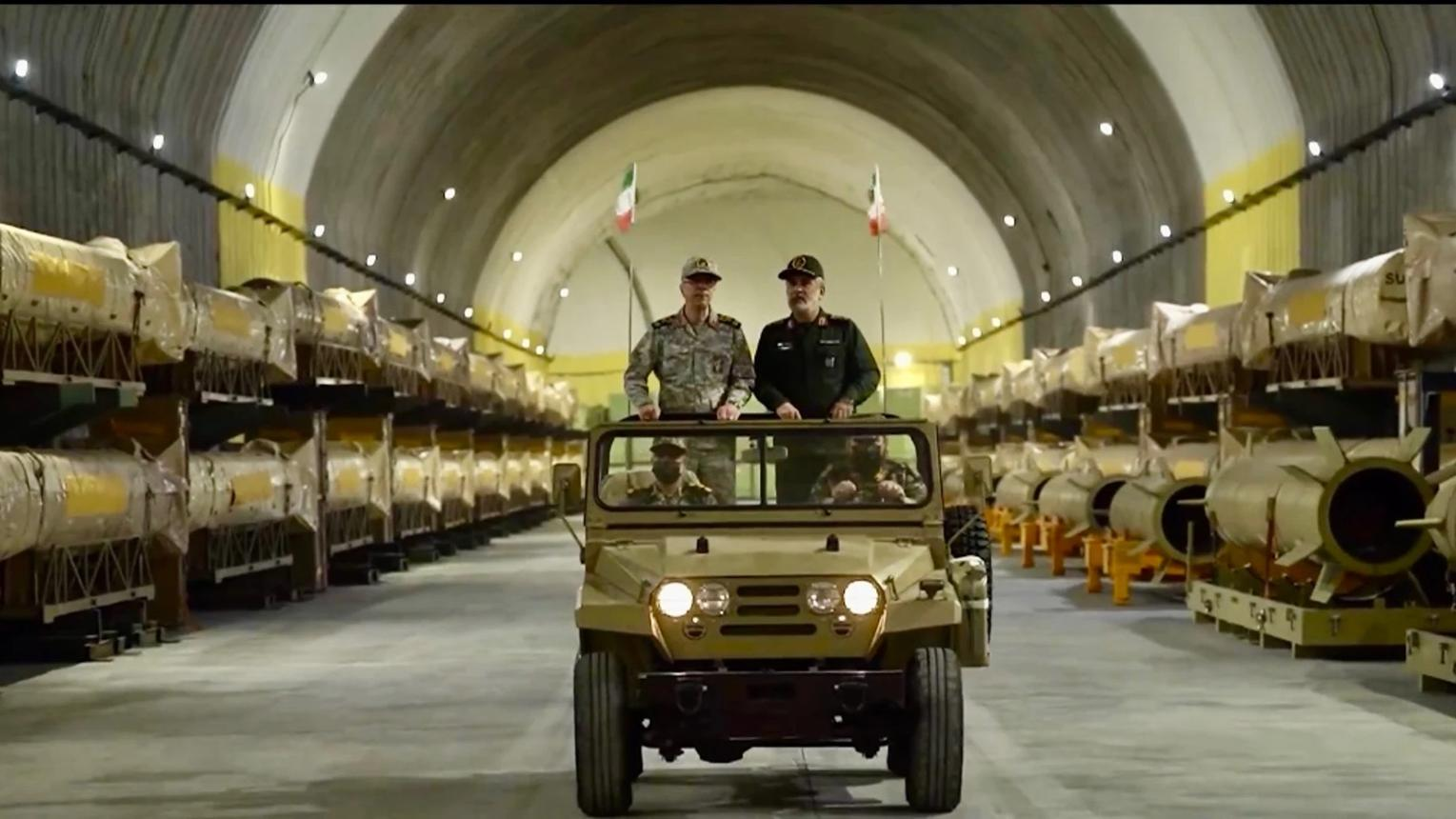
According to Iran's Tasnim News Agency, the November 10 unveiling was attended by senior military officials, including Armed Forces Chief of Staff Major General Ali Abdollahi and IRGC Aerospace Force commander Brigadier General Majid Mousavi.
The military display included ballistic missiles, cruise missiles and their associated launch systems.
Iranian officials presented the complex as evidence that the country's missile forces remain operational despite months of military pressure.
However, several essential details remain unknown: the facility's precise location, its depth, the number of weapons stored inside and the extent of any manufacturing infrastructure at that particular site.
The released footage establishes what Iran chose to display. It does not independently verify the full scale of the underground network.
The Thursday Times
Iran Claims Its Weapons Factories Have Moved Deep Underground
The latest announcement involves more than missile storage.
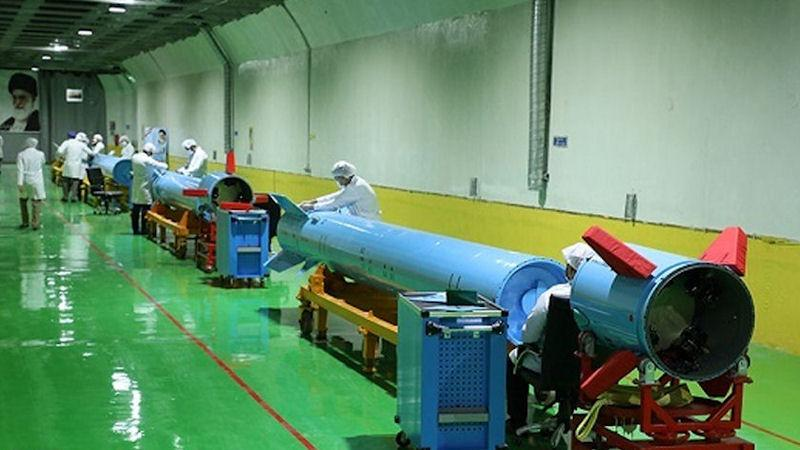
On November 7, IRGC spokesperson Brigadier General Hossein Mohebbi claimed that Iran had relocated missile and drone production lines from aboveground facilities to underground complexes.
According to Mohebbi, the purpose is to allow Iran to continue manufacturing weapons even while its military infrastructure is under attack.
Iran's military has described this approach as a way to protect its strategic capabilities from American and Israeli airstrikes.
Al Jazeera
But there is an important distinction between claiming that production can continue underground and demonstrating that the entire manufacturing system can survive sustained bombardment.
Weapons production also depends on machinery, raw materials, electricity, transportation and personnel. Underground protection does not eliminate all of those dependencies.
Trump Dismisses Iran's Military Strength — But What Has Washington Actually Confirmed?
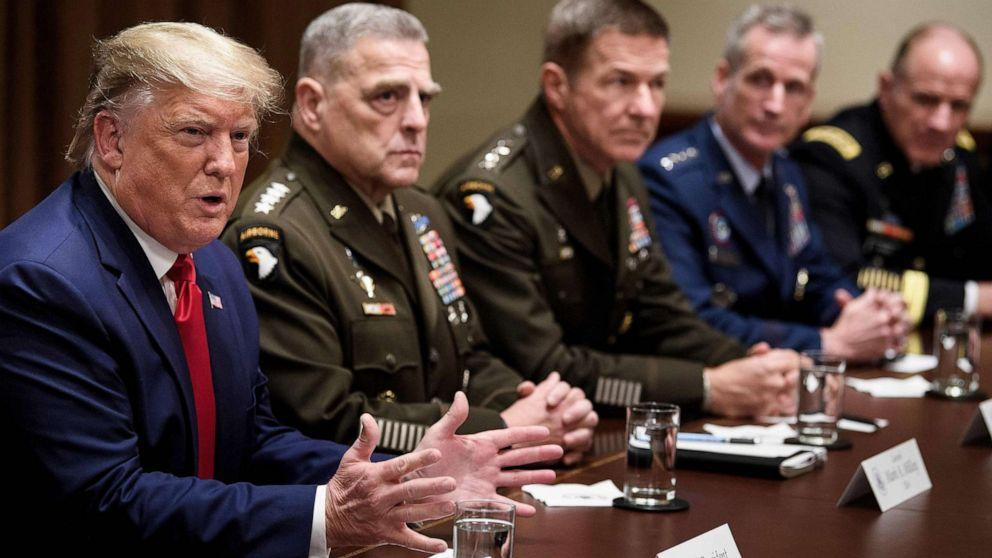
President Trump has repeatedly emphasized American military capabilities during confrontations with Iran.
However, the specific assertion that Trump called this newly unveiled November missile city “junk” could not be independently verified from the reporting reviewed for this article.
It should therefore not be presented as a confirmed quotation or an official American assessment of the facility.
Washington's broader military position is clear: American forces possess powerful precision-strike capabilities, including weapons designed to attack fortified or buried targets.
Whether those capabilities would be sufficient to destroy Iran's newest underground complex is a separate question.
America's Bunker-Buster Bombs: How Powerful Are They?

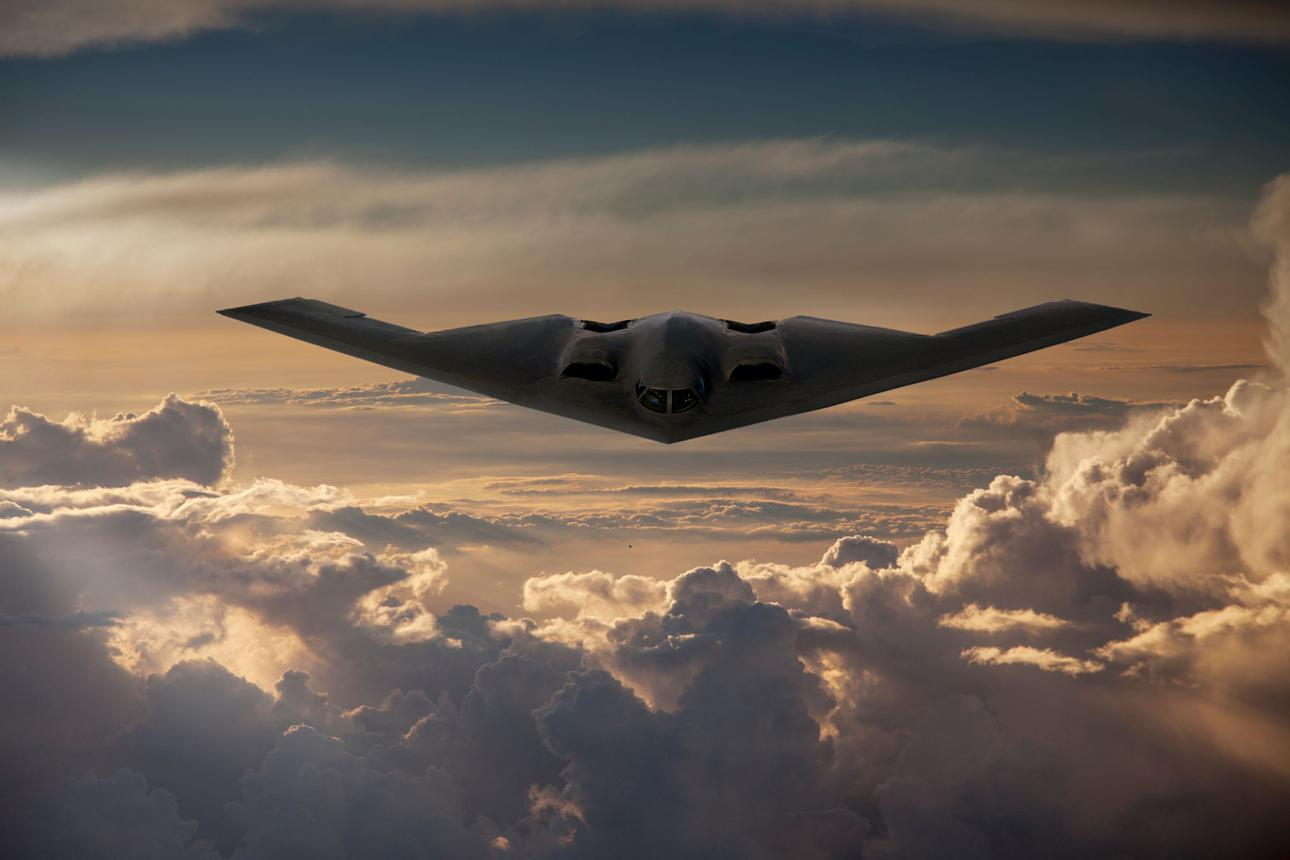
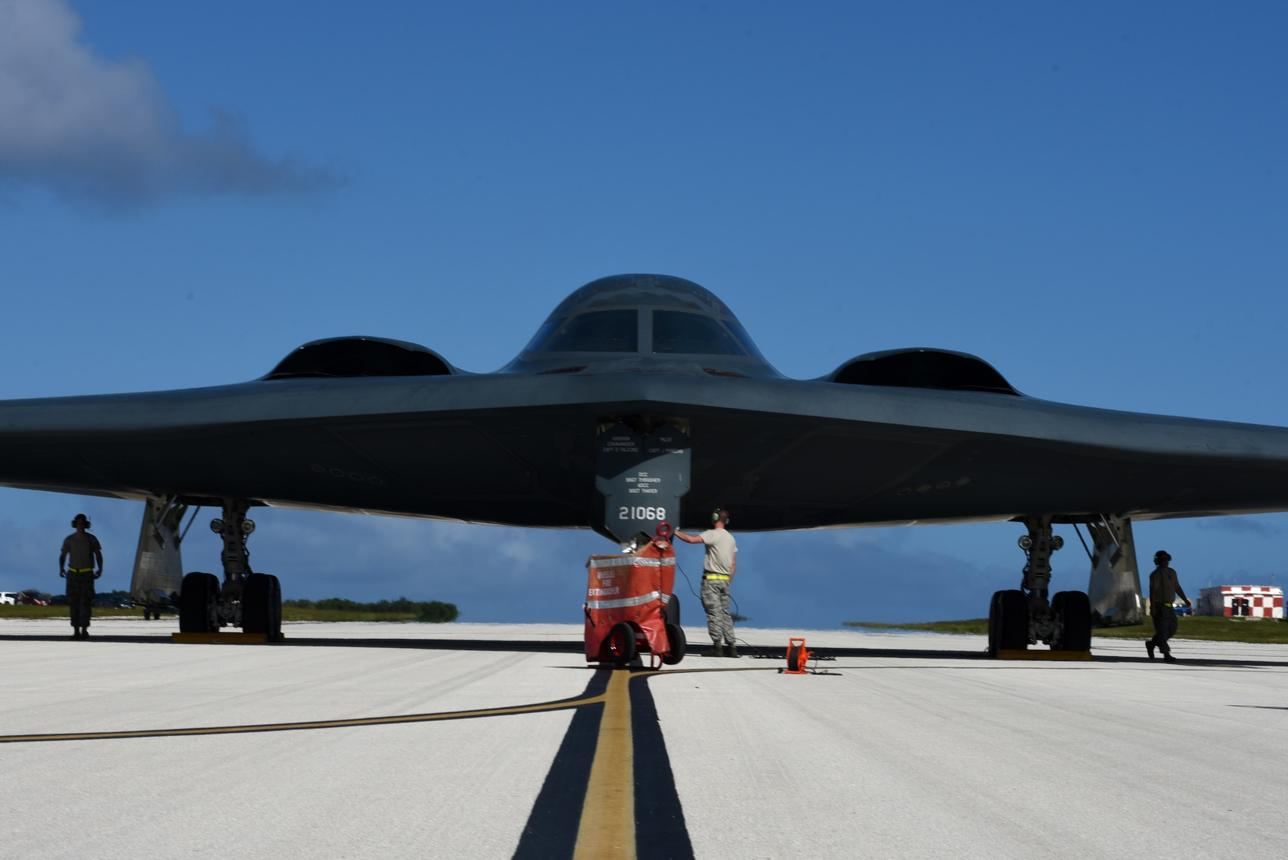
One of America's best-known weapons for attacking hardened underground targets is the GBU-57 Massive Ordnance Penetrator.
The weapon is designed to penetrate heavily protected structures before detonating.
U.S. GBU-57 MASSIVE ORDNANCE PENETRATOR
Approximate weight
30,000 lb
Weapon type
Conventional penetrating bomb
Intended targets
Hardened, deeply buried facilities
Delivery platform
B-2 bomber
Publicly reported characteristics. Actual effectiveness depends on the target and conditions.
The United States used penetrating weapons during its June 2025 strikes against Iranian nuclear facilities, including Fordow.
Reuters
That precedent demonstrates America's willingness to employ such weapons against deeply buried installations.
It does not establish that every underground target can be destroyed, however.
Could the New Missile City Survive an American Attack?
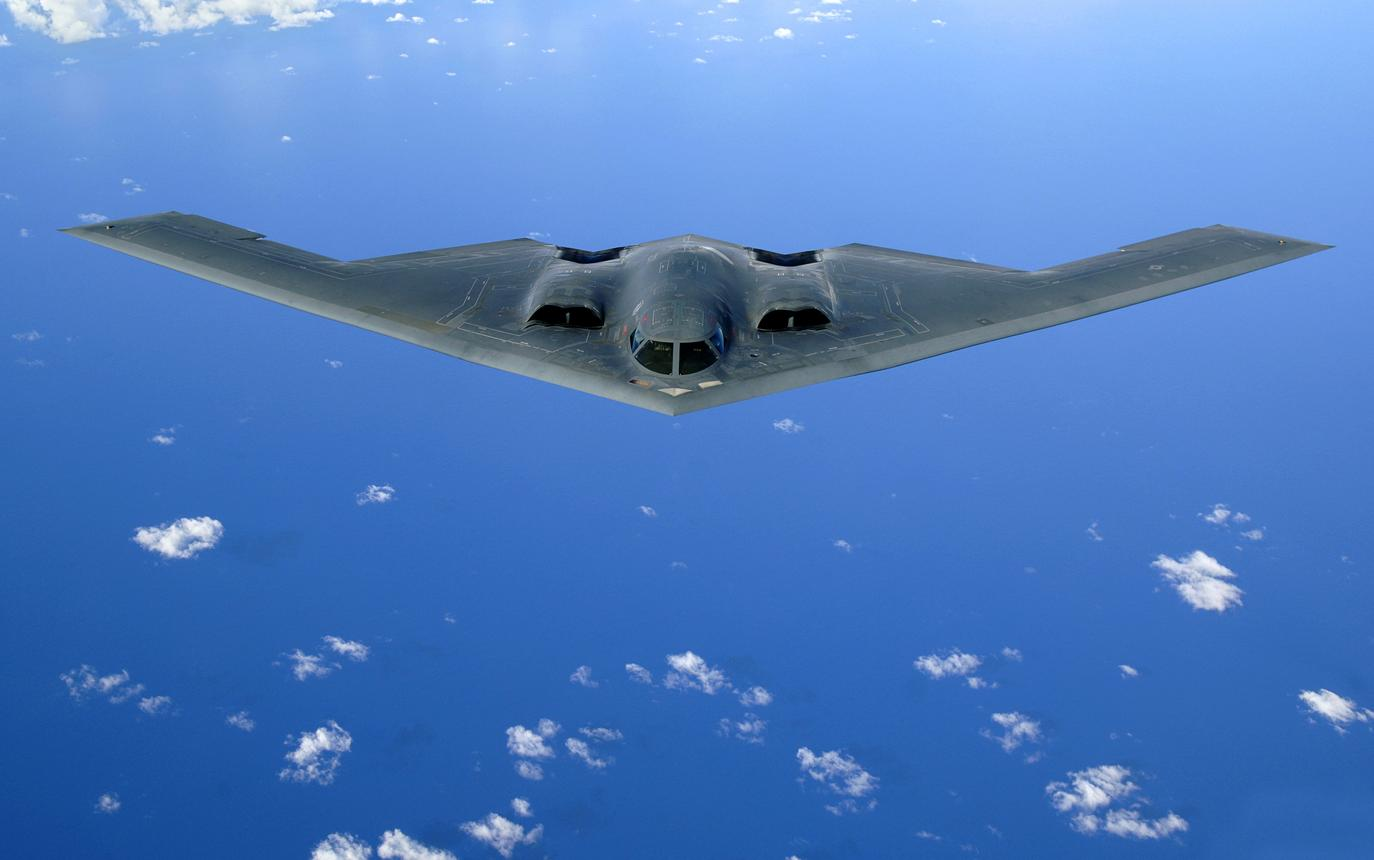
The answer is uncertain because the new facility's structural characteristics have not been independently verified.
Several broad factors influence the vulnerability of underground installations, including their construction, surrounding geology, the condition of supporting infrastructure and the nature of an attack.
A heavily protected underground complex may offer substantial protection against some forms of bombardment.
But being underground does not make a military installation invulnerable.
Likewise, possessing a bunker-busting weapon does not guarantee that every buried structure can be completely destroyed.
Without reliable information about the specific facility, no credible assessment can establish whether it would survive or be destroyed by a particular American weapon.
The Unexpected Weakness of Underground Missile Bases
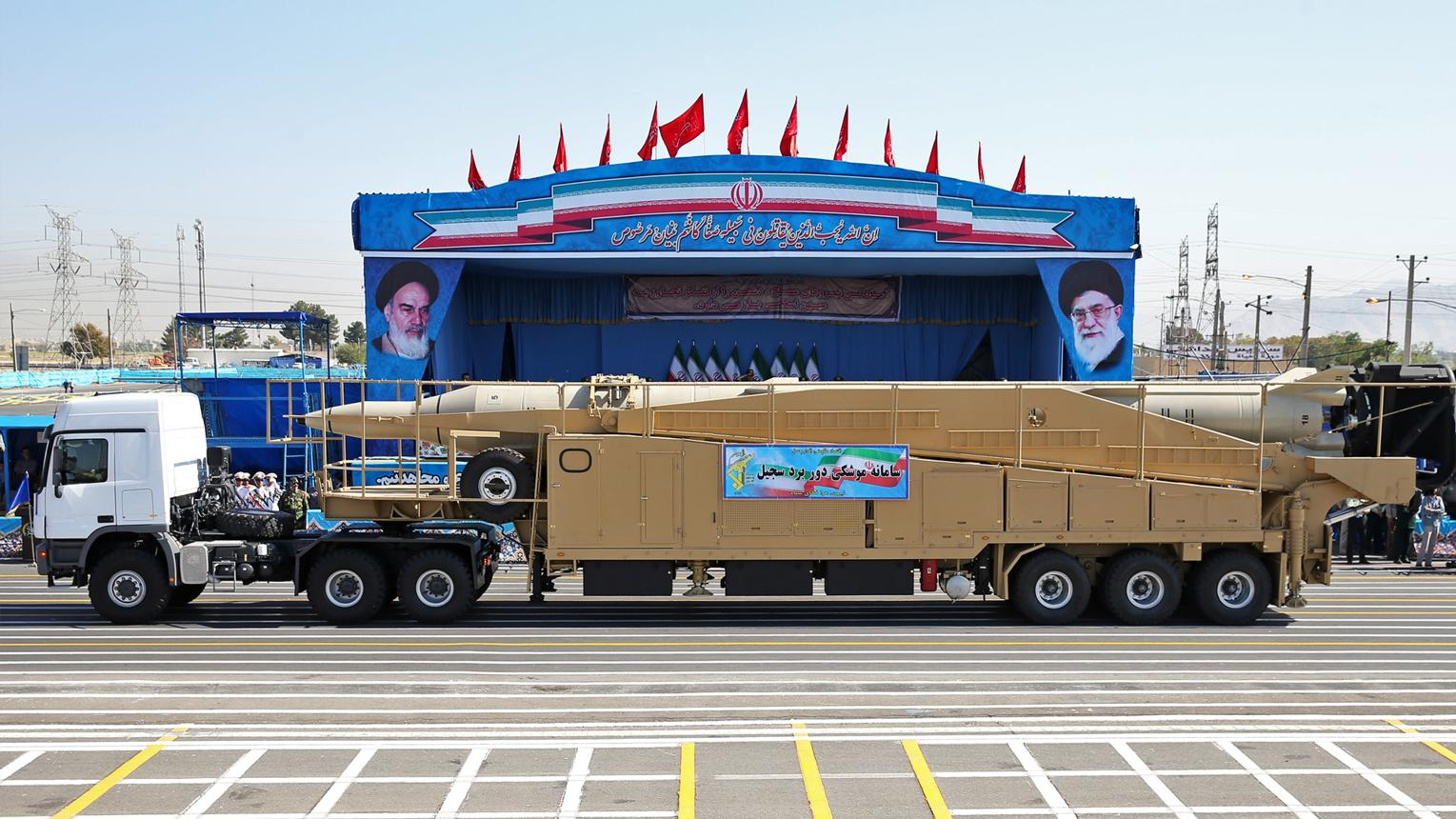
Underground facilities offer protection, but they also present operational challenges.
A March 2026 Wall Street Journal analysis reported that Iran's extensive network of underground missile bases had become vulnerable during American and Israeli operations.
According to that reporting, attacks on surface infrastructure and tunnel access points complicated the movement and deployment of weapons.
The report also described the challenges of operating missile forces when surveillance systems monitor known military facilities.
The Wall Street Journal
The broader lesson is that storing weapons underground and successfully deploying them are two different military requirements.
A missile that survives an attack may still be unavailable for immediate operations if the infrastructure needed to move or support it has been damaged.
At the same time, dispersed facilities and alternative operating arrangements could help a military force retain some capabilities after attacks.
What Makes Iran's Missile Arsenal Dangerous?
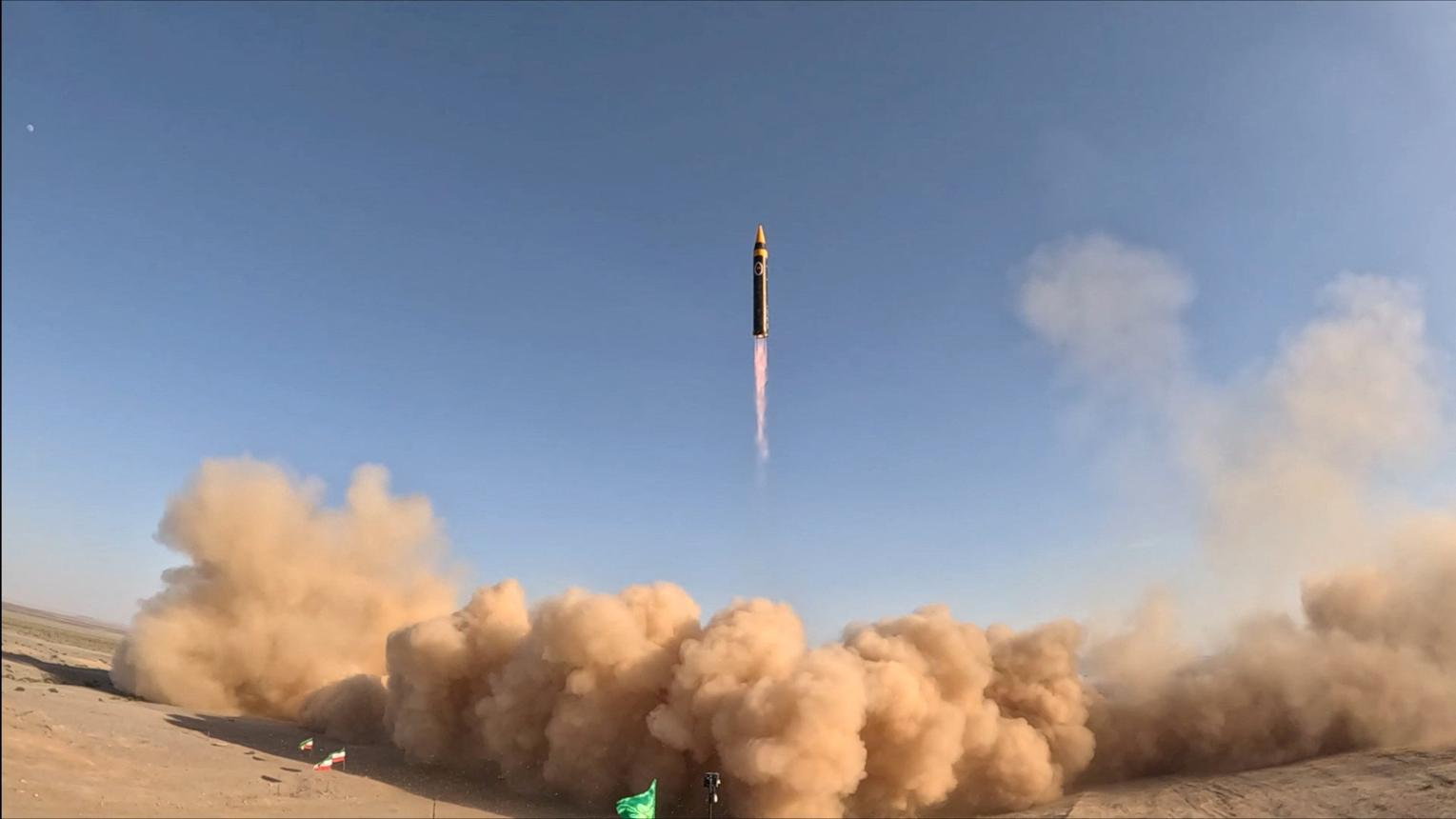
Iran has invested heavily in ballistic missiles and drones as part of its military strategy.
These weapons allow Tehran to threaten targets beyond its borders without relying on a large modern air force.
During the conflict, Iran has launched missiles and drones against Israel, American military facilities and regional targets.
The existence of a missile arsenal, however, does not reveal how many weapons remain operational or how many could be launched during a future confrontation.
Iranian announcements about new production facilities may be intended partly to demonstrate military resilience and deter further attacks.
They should not automatically be treated as independent proof of the arsenal's size or readiness.
Iran's Missile City: What Is Confirmed and What Remains Unknown?
|
Claim |
Current assessment
Iran unveiled a new underground missile complex
Confirmed as an Iranian military announcement on November 10
Footage shows missiles and launch equipment
Supported by released imagery
Iran moved weapons production underground
Claimed by IRGC officials
The new complex contains all of Iran's most important missiles
Not independently established
The complex can withstand any American bombardment
Unverified
Trump specifically called the new facility “junk”
Specific quotation not verified
U.S. bunker-buster bombs could destroy the entire complex
Cannot be determined from public information
Tasnim News Agency+2
The Worst-Case Scenario: A New Round of U.S.–Iran Escalation
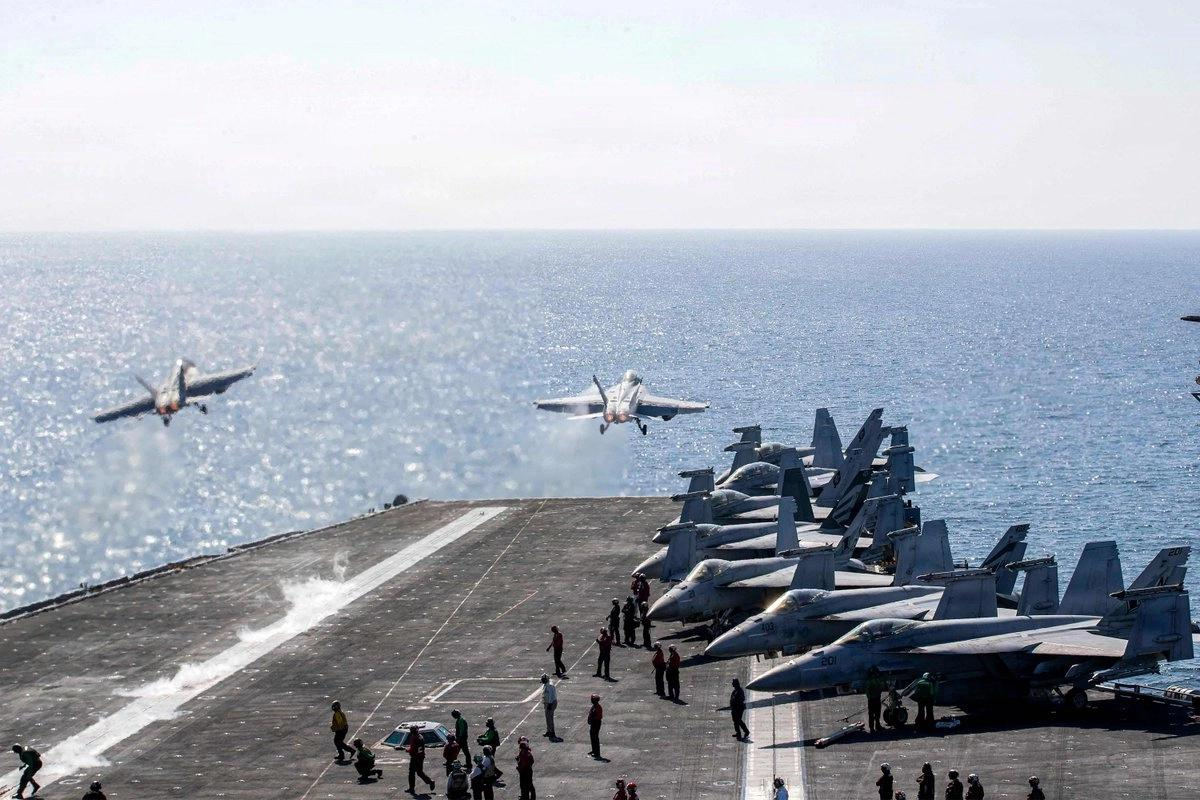
The most serious risk is not simply whether one underground complex survives an attack.
It is whether an attempt to destroy Iran's remaining missile capabilities triggers another cycle of military retaliation.
A renewed confrontation could involve additional strikes, missile launches, threats to regional infrastructure and further disruption to international shipping.
The humanitarian and economic consequences could extend beyond Iran and the United States.
American personnel stationed across the Middle East, civilians in neighboring countries and global energy markets could all face additional risks.
Iran has warned that it could respond to renewed attacks with a broader military campaign.
Al Jazeera
Those threats do not establish that escalation is inevitable, but they illustrate why further military action would carry significant consequences.
Is Iran's Missile City a Real Military Breakthrough — or a Message to Washington?
The November unveiling serves at least two purposes.
Militarily, Iran wants to preserve its weapons and production capacity.
Politically, Tehran wants adversaries to believe that its missile forces cannot be easily eliminated.
The footage therefore functions both as a display of military equipment and as a message of deterrence.
But public images alone cannot answer the central question: how much of Iran's missile capability would remain available after another sustained military campaign?
The answer would depend on factors that neither Iran nor the United States has fully disclosed.
Could America's Most Powerful Bombs End Iran's Missile Threat?
Iran has revealed a new underground missile city.
Its military claims that underground manufacturing can continue despite intense bombardment.
And the United States possesses weapons designed to attack some of the world's most heavily fortified military installations.
Yet neither side has publicly demonstrated that the newly unveiled complex is completely protected — or that it could be completely destroyed.
The deeper question is whether another round of military strikes would reduce the threat enough to prevent future attacks, or instead prolong a conflict that has already imposed enormous costs on the region.
Could Iran's underground missile network survive another American offensive?
Or would a new confrontation expose weaknesses that Tehran has worked for years to conceal?
AMERICA, WHAT DO YOU THINK? SHARE YOUR OPINION IN THE COMMENTS BELOW!
Comments (0)
Loading comments...
May You Like

IOWA EMERGENCY: TOXIC AIR, POLLUTED WATER, 3,000 FAMILIES FORCED OUT AFTER 5-TON WASTE BLAST!

WARNING: OVER 1 MILLION COULD LOSE POWER AND NEARLY 2 MILLION FACE WATER ALERTS ON THANKSGIVING!

IRAN WARNS WASHINGTON — HOW SERIOUS IS THE THREAT TO U.S. MILITARY BASES?










Popular Posts



