
ISRAEL’S SEVEN-DAY IRAN CAMPAIGN BLOWS UP AS TRUMP FACES TROOP DECISION
WASHINGTON — NOV 20, 2026 — President Donald Trump faces renewed questions about the course of the Iran conflict as Israel presses Washington to consider further military action and regional allies seek to prevent a wider war.
The debate involves American forces already deployed across the Middle East, Israeli concerns about Iran’s military capabilities and the risk that decisions in Washington could affect countries throughout the Gulf.
Israeli Ambassador Yechiel Leiter has entered the discussion publicly, placing the future of American troops alongside the broader question of how the United States and Israel define their objectives.
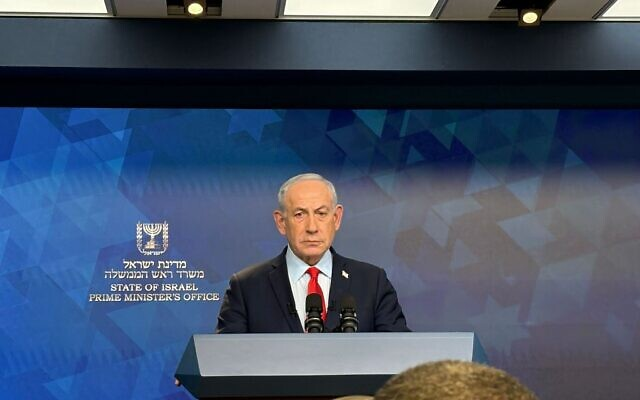
The United States and Israel began their current war against Iran on Feb 28, and the conflict has included Iranian attacks on regional targets and American military facilities.
The continuing confrontation has created a distinction between the existing war and proposals for another concentrated round of strikes, which would represent a decision about a new phase of military action.
According to regional officials, governments in the Gulf, together with Pakistan and Turkey, have contacted senior American officials to discourage a return to all-out fighting.
Those governments are concerned that renewed attacks on Iran could prompt retaliation against their own territory, including facilities connected to energy production and international shipping.
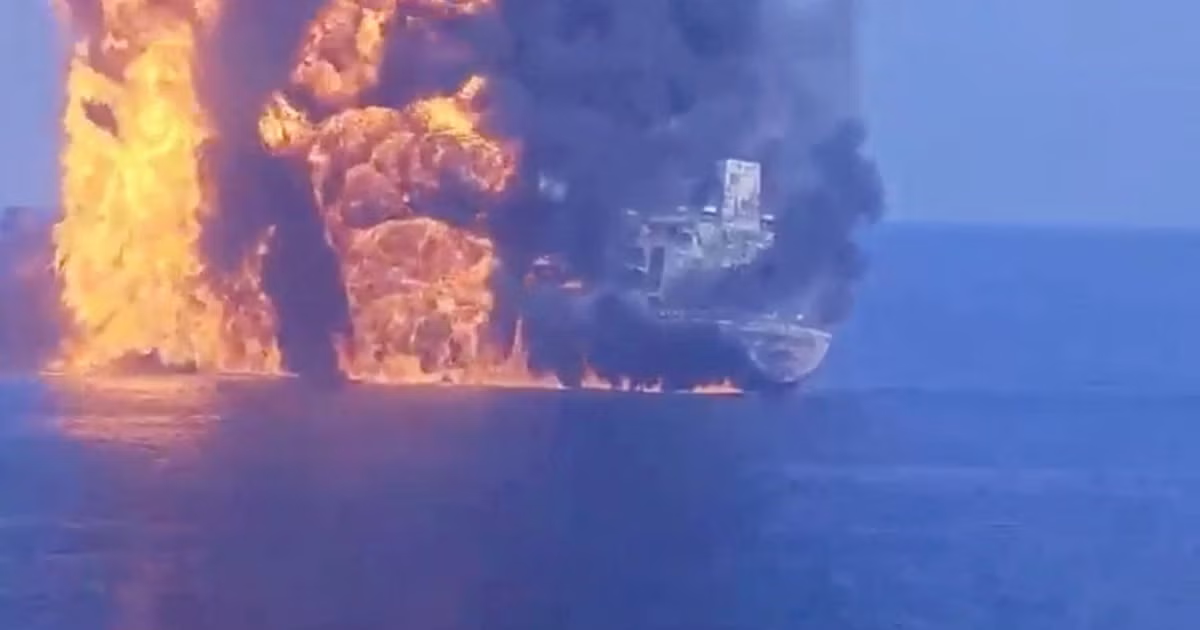
The Strait of Hormuz has remained central to those concerns because it is a major route for oil shipments and has faced repeated disruption during the conflict.
American military deployments also demonstrate the scale of the commitment already in the region, where the Navy has positioned aircraft carriers and other ships.
U.S. Central Command said the aircraft carrier USS Theodore Roosevelt arrived in the Middle East this week, joining two other American carriers already operating in the region.
The additional carrier brings thousands of personnel, though its arrival does not by itself establish that the president has approved a new campaign or ordered an invasion of Iran.
Congress has also debated the extent of presidential authority to continue military action, with lawmakers divided over efforts to restrict the use of American forces.
The Senate rejected a war powers measure that had previously passed the House, leaving a continuing political dispute over the conflict and the role of Congress.
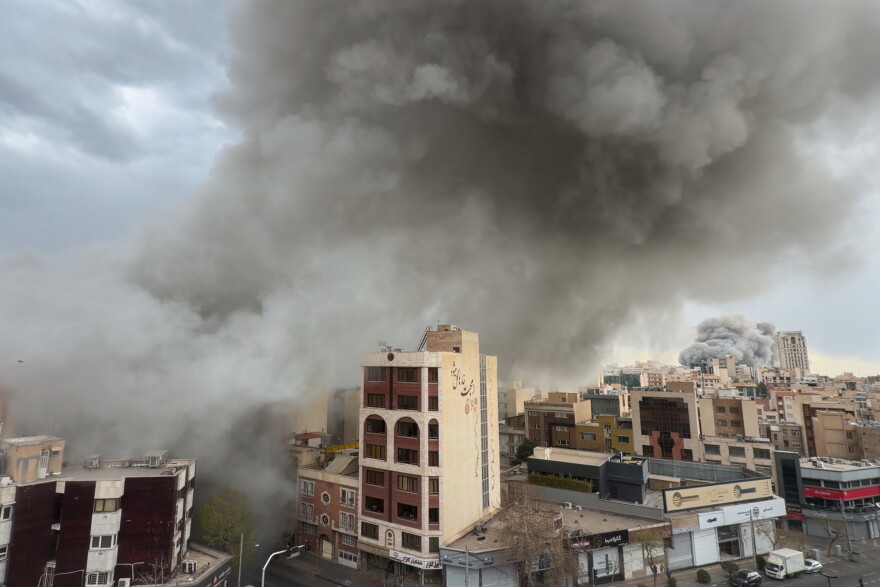
Meanwhile, renewed attacks on regional targets have illustrated the danger facing neighboring countries even while leaders debate whether to launch a larger military operation.
Iran targeted a U.S. air base in Kuwait and launched attacks on Bahrain on Nov 18, which appeared to follow an American strike the previous day, according to regional reporting.
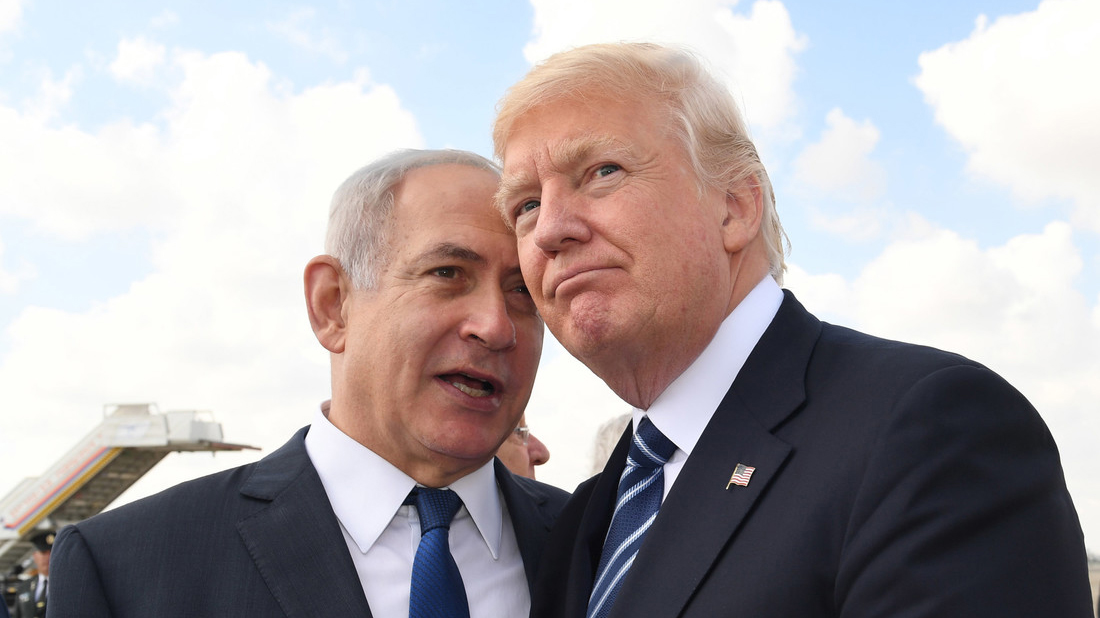
Separately, Israeli Prime Minister Benjamin Netanyahu has urged Trump to consider a joint air campaign lasting four to seven days, according to reporting based on officials briefed on the discussions.
That timetable describes a proposal rather than a campaign already completed, and it does not establish how Iran would respond or how long a broader confrontation might last.
Leiter said American soldiers could return to their families when Iran is defeated, while also stating that Trump would decide whether the United States undertakes renewed military action.
The ambassador’s statement is an argument about the war’s objectives, not an American announcement setting a withdrawal date or a binding condition for bringing troops home.
As for Trump’s next move, he says he is not rushing a decision and is weighing options, while the White House has requested assessments of possible Iranian retaliation.
Comments (0)
Loading comments...
May You Like


PACIFICA PIER IN CALIFORNIA COLLAPSE REVEALS MASSIVE CRACK BENEATH THE OCEANs!

BANGCHAK REFINERY IN THAILAND SHUT DOWN, U.S. OIL PRICES JUMP 10%!









Popular Posts




