Japan’s GMO Cyberattack Sparks National Security Alarm: Stolen Data, a $50 Million Ransom Demand and Growing Questions About Cyber Defense

TECHNOLOGY | CYBERSECURITY | JAPAN | OCTOBER 28, 2026 | 8-MINUTE READ
An escalating cyberattack involving Japanese internet services has raised concerns about stolen customer data, financial losses and national cybersecurity. But are claims of U.S. intelligence involvement supported by evidence?
Japan is confronting a serious cybersecurity incident after hackers reportedly gained unauthorized access to systems associated with GMO Internet Group, a major Japanese internet services provider.
The incident has drawn attention to the vulnerabilities of cloud infrastructure, the potential exposure of customer information and the growing financial consequences of sophisticated cybercrime.
Reports published in late October described a multimillion-dollar ransom demand and the publication of information allegedly stolen during the intrusion. Meanwhile, Japanese authorities have been investigating the incident as concerns mount over the security of essential digital services.
Yet one of the most dramatic claims circulating online—that Tokyo has publicly accused American intelligence agencies of conducting the attack—remains unverified by the reporting reviewed for this article.
A Cybersecurity Crisis Unfolds in Japan
The incident reportedly involved GMO's Onamae.com Desktop Cloud service, which provides virtual desktop environments used by customers, including operators of automated foreign-exchange trading systems.
After discovering unauthorized access, the company suspended the affected service while investigating the scope of the intrusion.
Reports indicated that approximately 26,739 servers may have been affected. Several financial service providers also reported customer damage associated with unauthorized trading activity.
Japan's Finance Ministry said five firms had reported customer damage linked to the incident. Protective measures included suspending certain trading operations and resetting affected passwords.
The potential scale of the disruption illustrates how a breach at one technology provider can create risks for thousands of systems and businesses that depend on its services.
Investigators now face several crucial questions: How did the attackers enter the systems? What information was accessed? And could the intrusion have exposed other connected services to further attacks?
The $50 Million Ransom Demand
The situation escalated when the suspected attackers reportedly demanded approximately $50 million and threatened to release information they claimed to have stolen.
GMO refused to comply with the demand.
The attackers subsequently published material they claimed was connected to the company and one of its customers. GMO began examining the material, warning that some of the information might be inaccurate.
The incident highlights a familiar dilemma facing organizations targeted by digital extortion: paying a ransom does not guarantee that stolen information will be deleted, that systems will be restored or that the attackers will not strike again.
The publication of allegedly stolen material also creates risks beyond the initial intrusion. Customers may face attempts to exploit exposed credentials, impersonation schemes or other forms of fraud.
However, the authenticity and full extent of the allegedly leaked information must be established through further investigation.
What Information Was Stolen?
One of the most important unanswered questions concerns the precise information accessed during the breach.
Unauthorized access to virtual desktop environments can potentially expose customer records, login credentials and information associated with applications running on affected systems.
For customers using these environments to operate financial applications, compromised access could create additional risks involving unauthorized transactions and account security.
Nevertheless, the reporting cited here does not establish a complete inventory of the information allegedly stolen. Nor does it provide a publicly verified malware signature that conclusively identifies the attackers.
Until investigators release further findings, claims about specific classified documents, intelligence files or sensitive government secrets should be treated cautiously.
For potentially affected customers, securing accounts, changing compromised passwords and following official security guidance remain important precautionary measures.
Tokyo Responds as Cybersecurity Concerns Grow
The incident has renewed calls for stronger cybersecurity measures across Japan.
GMO reportedly urged the government to implement more robust active cyberdefense measures, arguing that private-sector organizations need stronger support against increasingly sophisticated cybercriminals.
Japanese authorities have also been coordinating their response. Government officials have emphasized the seriousness of the incident and the need to establish the facts while protecting affected individuals.
The response reflects a broader challenge facing governments worldwide: defending digital infrastructure that is largely operated by private companies but supports services essential to the economy.
Japan's experience could strengthen calls for closer cooperation between government agencies, technology providers, financial institutions and cybersecurity specialists.
However, the government's response to a serious cyberattack should not be confused with confirmation that a foreign government ordered it.
Did Japan Accuse U.S. Intelligence Agencies?
This is the most dramatic claim circulating alongside the incident—and the one that requires the greatest scrutiny.
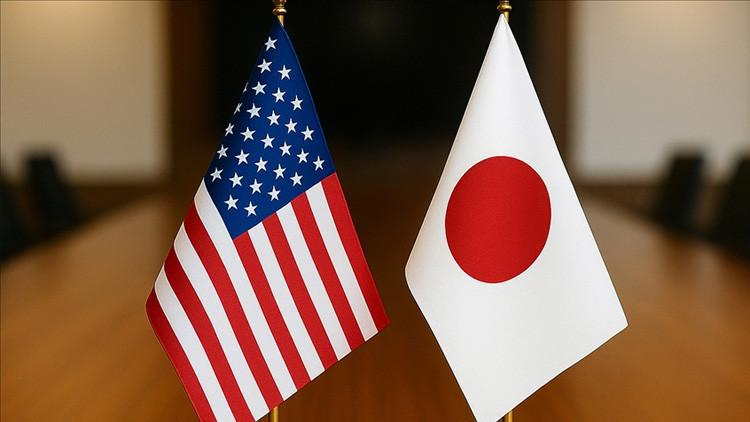
The available reporting documents a cyberattack involving GMO Internet, a ransom demand, alleged data publication and an ongoing investigation. It does not substantiate the claim that Japan has publicly accused the U.S. National Security Agency, the CIA or another American intelligence agency of orchestrating the breach.
The cited reports also do not establish that Washington issued an official response to such an accusation.
Cyberattacks can have geopolitical implications, and identifying their perpetrators is often difficult. Investigators may examine malware, network infrastructure, command-and-control systems, operational patterns and intelligence assessments before attributing an operation to a particular group.
Even when technical evidence points toward a known hacking group, that does not automatically prove that a government directed its activities.
A claim of state-sponsored cyberwarfare therefore requires considerably stronger evidence than an anonymous online allegation or an unverified social media post.
For now, the reported breach and its potential consequences deserve attention independently of the unconfirmed geopolitical narrative.
Why the Incident Matters Beyond Japan
The GMO incident highlights the risks created by the interconnected nature of modern digital services.
Businesses increasingly rely on external providers to host applications, manage information and operate essential systems. When one provider is compromised, the consequences can spread across customers, financial platforms and connected organizations.
The incident raises three critical questions for the technology industry:
-
Infrastructure security: Are cloud providers adequately protecting remote access systems and customer environments?
Customer protection: How quickly can organizations identify compromised credentials, limit unauthorized activity and notify affected users?
Cyberattack attribution: What level of evidence should be required before governments publicly identify a foreign actor as responsible?
These questions extend beyond Japan. Organizations around the world face similar challenges as cybercriminals increasingly target service providers whose systems connect large numbers of customers.
What Happens Next?
Several developments could clarify the situation in the coming days.
The police investigation: Investigators may uncover additional information about how the unauthorized access occurred and who carried it out.
The scope of the breach: Further forensic analysis could establish which systems, credentials and customer records were affected.
Financial consequences: GMO and affected financial service providers may release additional information about customer protection, losses and compensation.
Government policy: Japan's response could lead to stronger cybersecurity requirements and closer coordination between public institutions and private technology companies.
International attribution: Any allegation involving a foreign government should be evaluated against credible technical evidence, reliable reporting and attributable official statements.
The next phase of the investigation could reveal whether the incident was primarily a criminal extortion operation or part of a broader campaign. Until investigators establish responsibility, however, neither conclusion should be treated as confirmed.
The Bigger Picture: Cybersecurity, Trust and International Relations
The GMO cyberattack demonstrates how a technical security failure can quickly become an issue involving financial stability, public trust and national security.
For Japan, the immediate priorities are determining what happened, limiting further damage and protecting customers whose information may have been exposed.
For the wider international community, the incident is another reminder that cybersecurity threats do not respect national borders. Cooperation between governments and technology companies remains essential, even when the identity or motives of the attackers are uncertain.
The political dimension should not be overlooked, but it must be grounded in evidence. A confirmed breach is not automatically proof of espionage, and an unverified allegation cannot establish a diplomatic crisis.
As investigators continue their work, the facts that emerge will matter far more than the most sensational claims circulating online.
The Bottom Line
The reported GMO Internet breach is a significant cybersecurity incident involving alleged data theft, a multimillion-dollar ransom demand and potential financial consequences for customers.
Japan's response underscores the importance of stronger digital defenses, effective investigations and better protection for interconnected services.
But the claim that Tokyo has accused American intelligence agencies of conducting the attack remains unverified by the sources reviewed for this article.
The crucial questions remain unanswered: who was responsible, what information was compromised, and how can a similar incident be prevented?
Until reliable evidence establishes those facts, the story should be treated as a serious cybercrime investigation with potential national security implications—not a confirmed rupture in the U.S.–Japan alliance.
Comments (0)
Loading comments...
May You Like

"THE WAR WON'T END"! ★ TRUMP'S DIRE MESSAGE...

TRUMP'S TARIFF CHAOS! ★ EXEMPTS CANADA — BUT ADDS NEW TAXES...

Latest Posts




Popular Posts