
JD VANCE CALLS FOR AN END TO THE IRAN WAR — IS 2028 ALREADY ON HIS MIND?
JD VANCE BREAKS WITH TRUMP OVER IRAN WAR AFTER GOP ELECTION DISASTER — IS HE FIGHTING FOR AMERICAN FAMILIES OR PREPARING FOR 2028?
WASHINGTON, D.C. — NOVEMBER 21, 2026
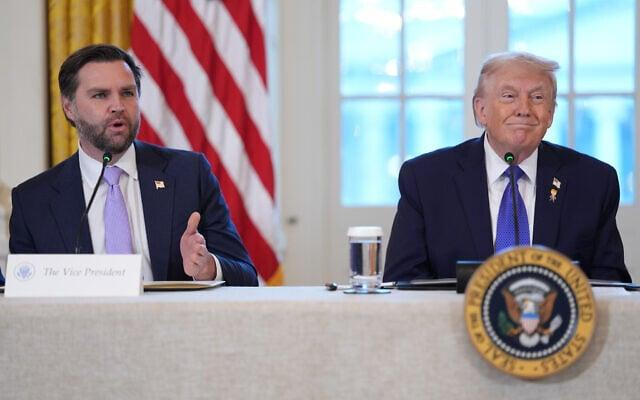
Vice President JD Vance has delivered one of the most striking political assessments of Donald Trump's second presidency: the Iran war helped cost Republicans control of Congress, and American voters want Washington to focus on ending the conflict and bringing down the cost of living.
Following the Republican Party's devastating November 3 midterm election defeat, Vance publicly acknowledged the anger of voters who supported Trump in 2024 but switched to Democrats two years later.
His message was unusually direct. Americans were frustrated by the war, rising prices and what they perceived as a failure to prioritize problems at home.
But Vance's remarks have created a political dilemma.
While he is urging a different approach, President Trump continues to defend his decision to attack Iran. And during a tense White House news conference on November 20, Vance declined to say whether he would have made the same decision.
Is the vice president trying to rescue the Republican Party, distance himself from an unpopular war, or establish his own political identity ahead of the 2028 presidential election?
Reuters+1
“The Reason We Lost Is the War” — Vance's Stunning Admission
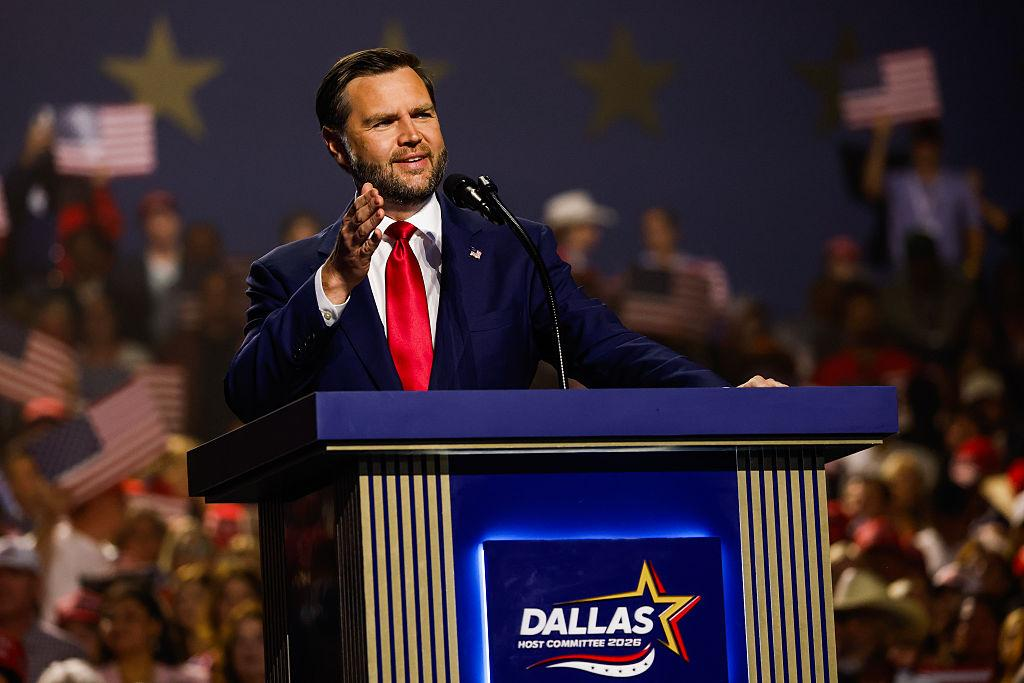
On November 4, the morning after Democrats won control of both chambers of Congress, Vance published a lengthy assessment on X.
His central argument was unmistakable:
“The reason we lost is the war.”
The vice president said the Republican Party needed to confront why voters who had supported the Trump-Vance ticket in 2024 were willing to vote for Democrats in 2026.
He identified four major concerns: ending the Iran war, addressing inflation and living costs, restoring an America First focus, and reconsidering the U.S. relationship with Israel.
Vance also suggested that Republicans had failed to communicate effectively about economic problems in the final weeks of the campaign.
CBS News+1
His statement was remarkable because it placed responsibility for the electoral defeat partly on the administration's own decisions.
Rather than blaming turnout alone, Vance argued that many former Republican supporters had deliberately changed their votes.
The Midterm Defeat That Changed Everything
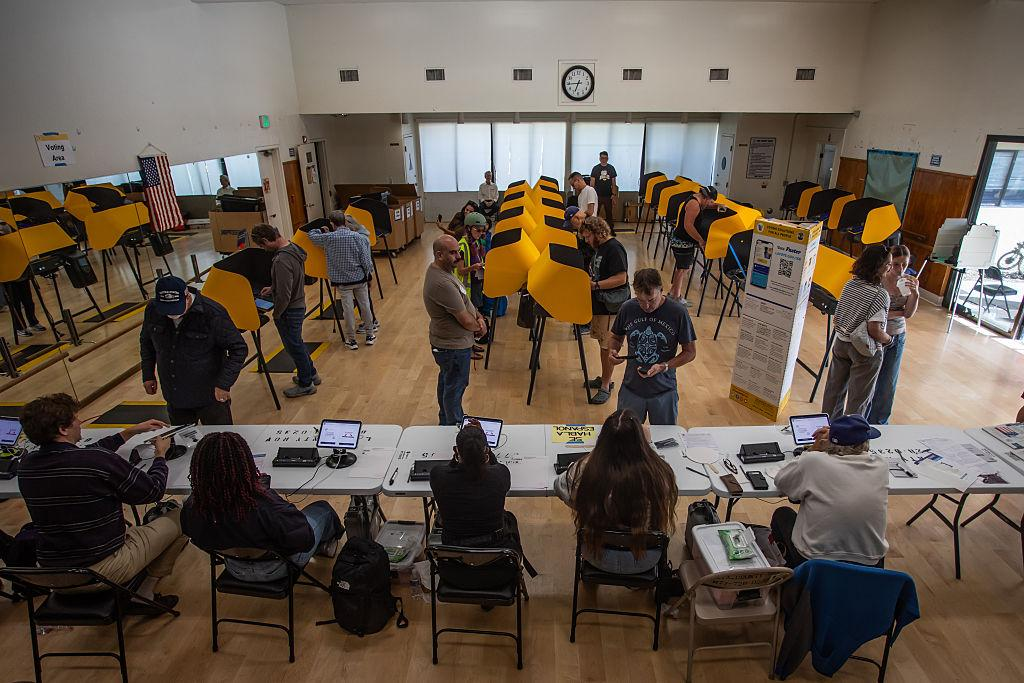
The November elections delivered a major setback for the Republican Party.
Democrats secured control of both the House of Representatives and the Senate, dramatically weakening Trump's legislative position for the remainder of his presidency.
The results reflected widespread dissatisfaction over several issues, including the Iran conflict and the economy.
According to reporting by Axios, exit polling identified the cost of living and government corruption as leading voter concerns.
Axios
That distinction matters.
The war was a major political issue, but it was not necessarily the only reason Republicans lost.
Inflation, tariffs, household finances and perceptions of government performance also influenced voters.
Vance's argument is that the administration underestimated how strongly those frustrations were connected.
Why Vance Wants the Iran War to End
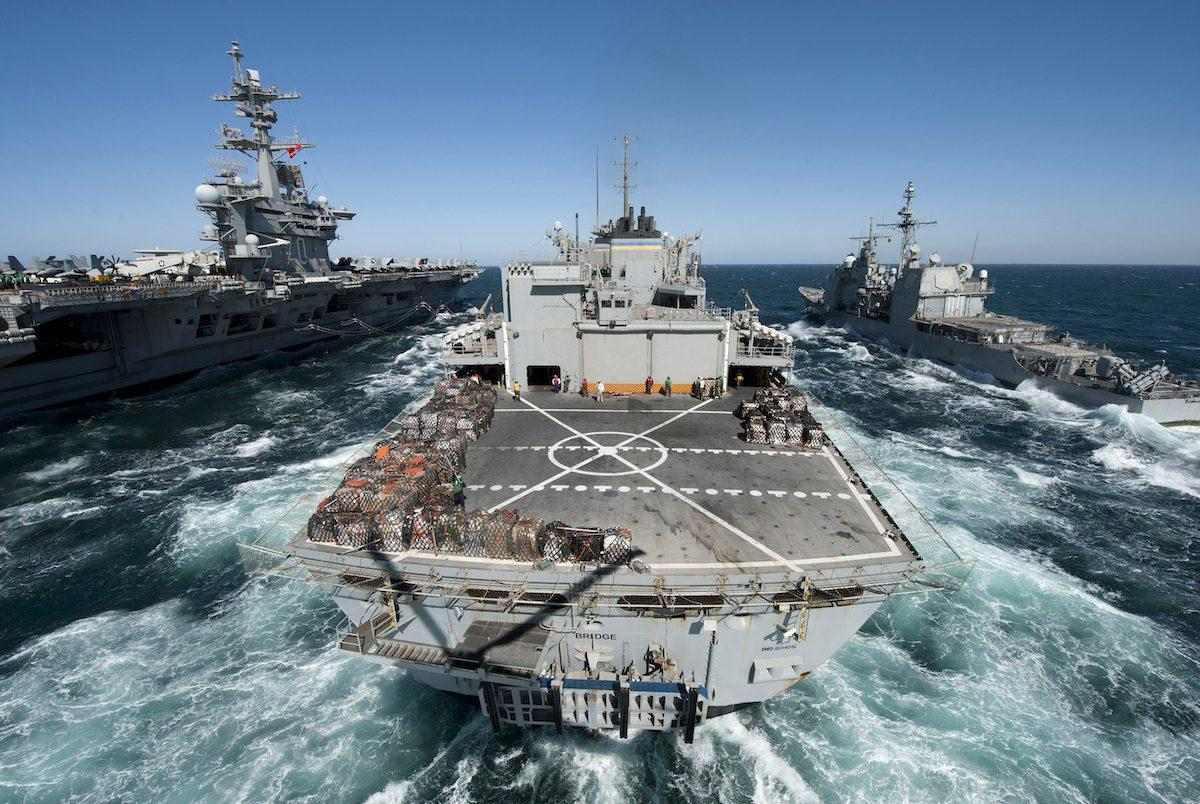
Vance's skepticism toward prolonged American military involvement overseas predates the 2026 elections.
A Marine Corps veteran who served in Iraq, he has frequently argued that American foreign policy should avoid open-ended military commitments.
During the Iran conflict, Vance helped lead diplomatic negotiations intended to halt the fighting.
Those efforts included talks with Iranian officials in Pakistan and Switzerland, but they failed to produce a lasting peace agreement.
The Washington Post
His post-election statement reinforced his preference for diplomacy.
Vance endorsed calls for a negotiated resolution, arguing that Republican leaders should listen to voters who want the conflict brought to an end.
However, he has not announced a unilateral plan to withdraw American forces, and as vice president, he cannot independently order an end to the war.
That authority ultimately rests with the president, subject to applicable law and congressional powers.
The Economic Argument: American Families Are Paying the Price

For many Americans, the debate over Iran is no longer limited to foreign policy.
It is also about gasoline prices, household budgets and the cost of maintaining a prolonged military campaign.
The conflict has contributed to instability in global energy markets, affecting transportation costs and consumer prices.
At the same time, federal military spending creates pressure on government finances.
The Pentagon has reported tens of billions of dollars in costs associated with the campaign, while some additional expenses remain uncertain.
But war-related disruptions are only one factor behind inflation. Domestic economic conditions, tariffs, supply chains and monetary policy also affect prices.
Vance's political argument is that Republicans must demonstrate they understand those everyday pressures.
He is effectively telling his party that national-security arguments alone will not persuade voters who feel financially worse off.
Trump and Vance Face an Awkward White House Confrontation
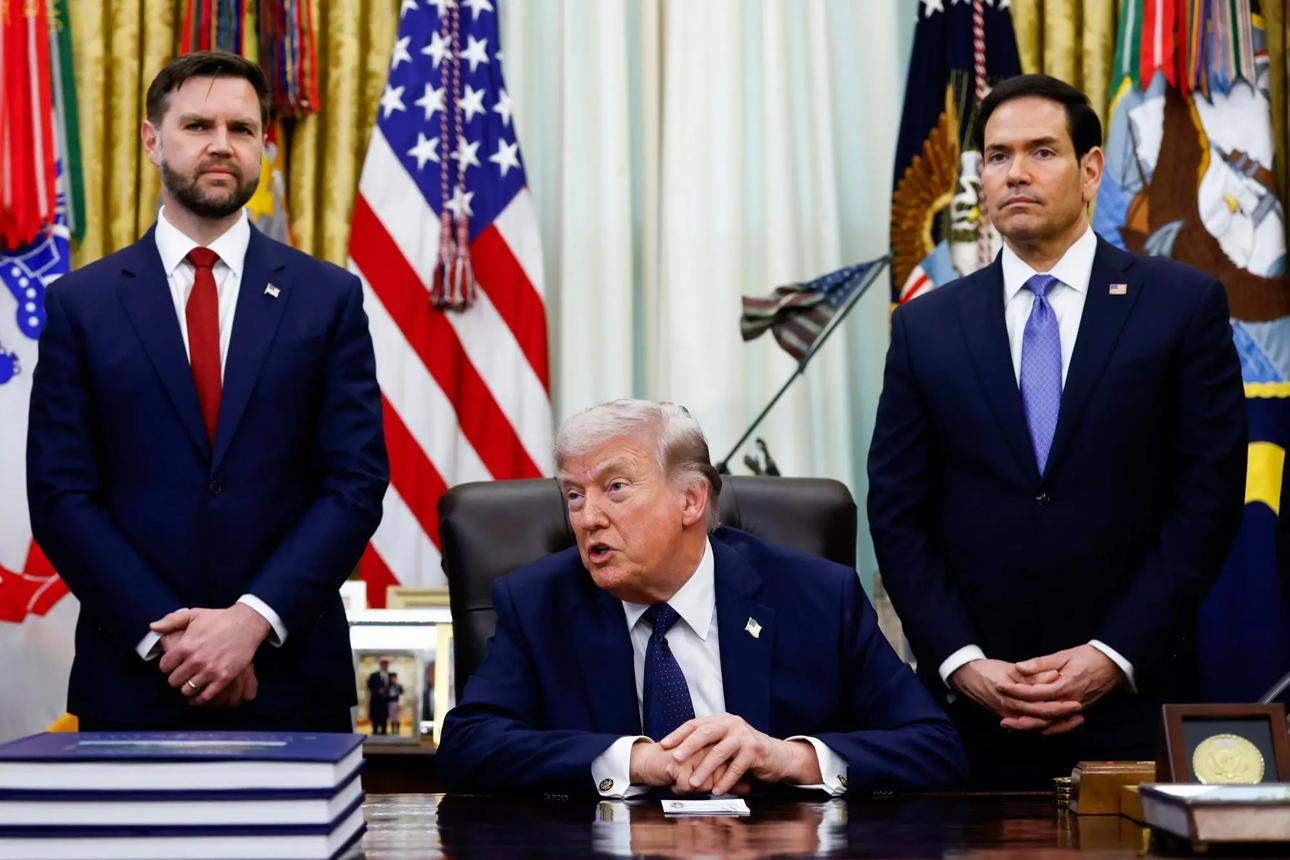
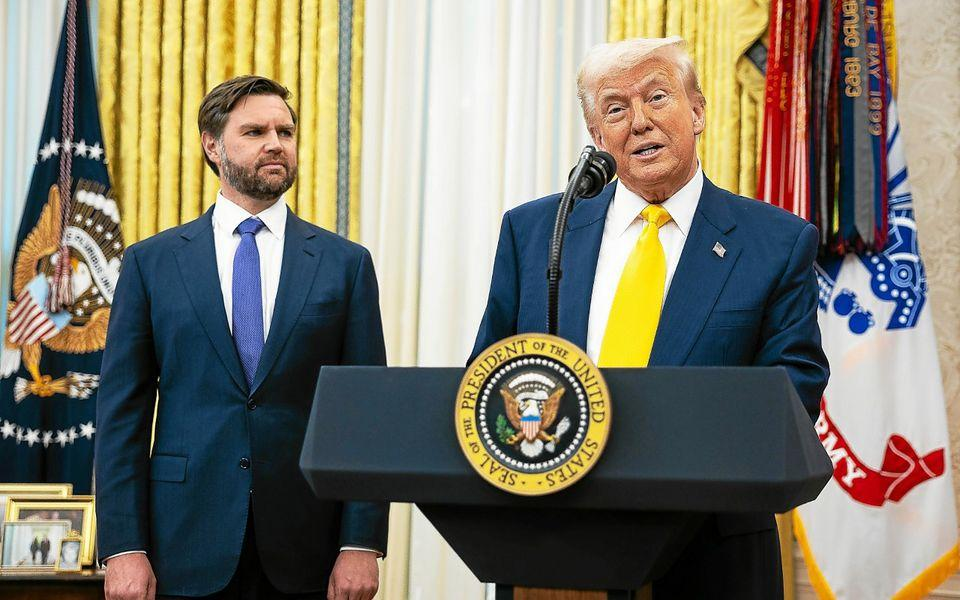
The disagreement became especially visible on Friday, November 20.
During a White House news conference following Trump's return from Asia, a reporter asked Vance whether the Iran war had been worth the political cost of losing the Senate.
Vance did not directly answer.
Instead, he emphasized that preventing Iran from obtaining a nuclear weapon remained a central national-security objective.
He then explained that the decision to launch the February strikes belonged to Trump and that his responsibility was to support the president.
Reuters+1
Trump, meanwhile, said he considered Vance's election analysis largely accurate.
But he also made clear that he believed the military campaign had been necessary and that he would make the same decision again.
That difference is politically significant.
Vance is questioning the consequences of the war. Trump is defending the original decision to fight it.
Neither has publicly announced a complete break with the other.
Is Trump Losing Confidence in His Vice President?
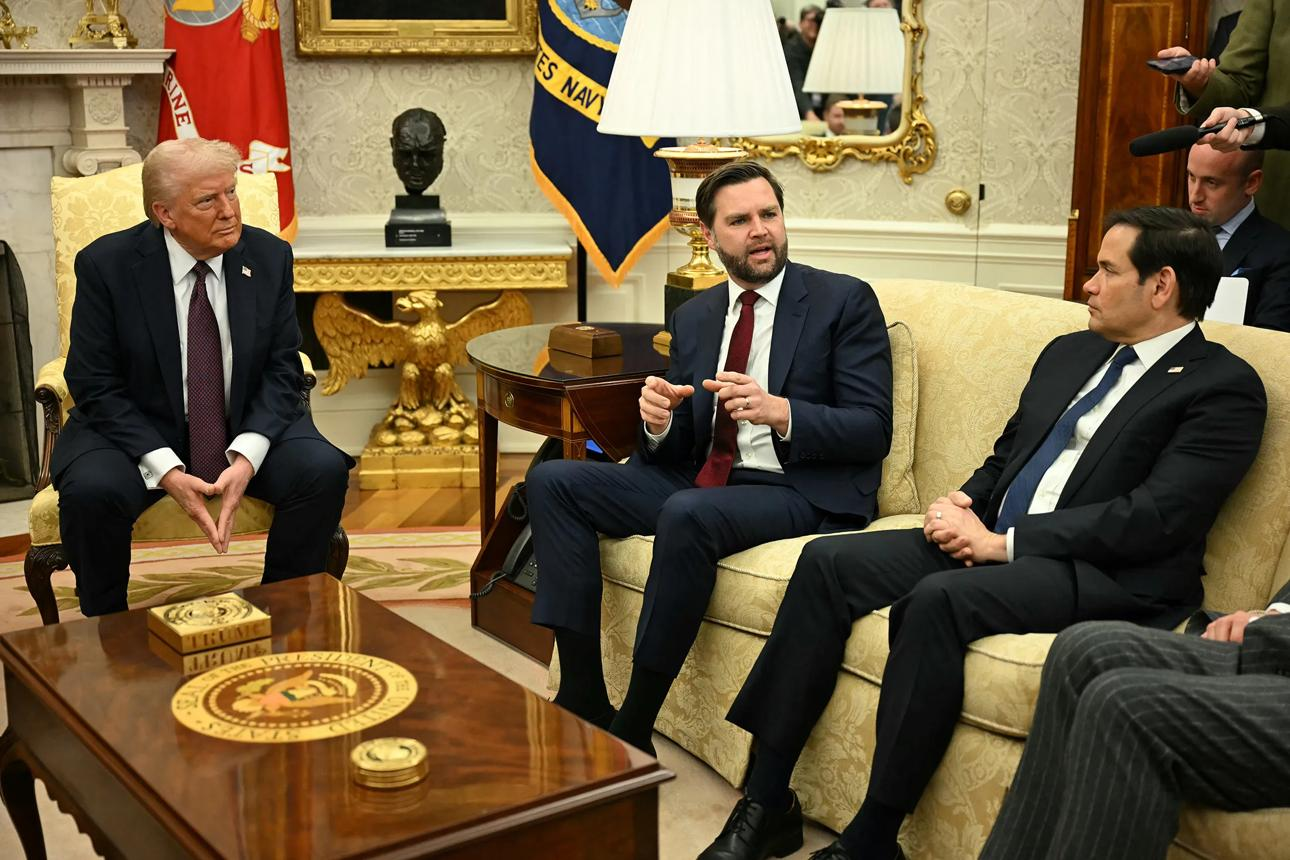
Reports suggest that Vance's comments have frustrated Trump.
According to reporting cited by The Independent, Trump privately complained that his vice president should have acknowledged that attacking Iran was the correct decision despite the political consequences.
The Independent
However, the president has also publicly described Vance's assessment as accurate.
That creates a complicated picture.
There are signs of disagreement over political messaging and the war's consequences, but no confirmed announcement that Trump intends to remove Vance from his role or exclude him from future political plans.
The White House has also pushed back against suggestions of a complete rupture between the two men.
The Washington Post
For now, the tension is better described as a policy and political disagreement than an established personal break.
Is This the Beginning of Vance's 2028 Presidential Campaign?
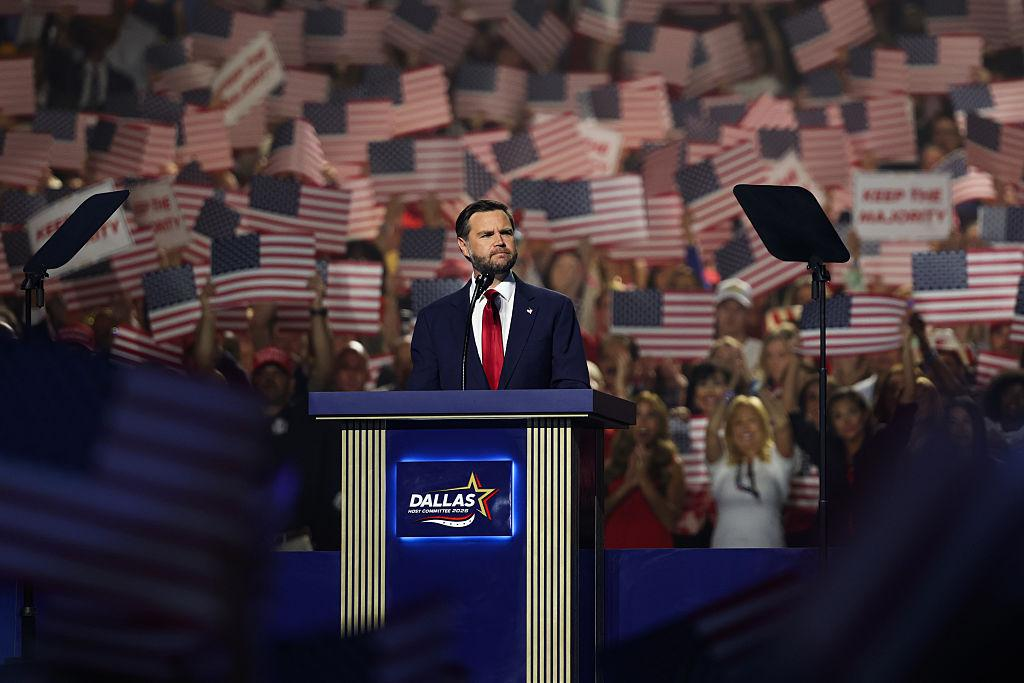
Vance is widely regarded as a potential contender for the 2028 Republican presidential nomination.
His response to the midterm defeat could help him develop a political identity distinct from Trump's.
By emphasizing diplomacy, affordability and voters' concerns, Vance is positioning himself closer to Republicans who want less foreign military involvement and greater attention to domestic issues.
But this approach also carries risks.
Trump remains a major influence within the Republican Party, and a candidate perceived as disloyal could struggle to win over the president's supporters.
Secretary of State Marco Rubio is another possible contender, adding pressure on Vance to maintain strong relationships within the administration.
Reuters reported that some political observers viewed Vance's post-election comments as a possible early move toward a 2028 campaign.
Investing.com
Still, Vance has not formally announced a presidential campaign, and his motivations cannot be established from one public statement.
His comments may reflect genuine policy concerns, electoral strategy or a combination of both.
Three Political Paths Ahead for JD Vance
Path 1: Help negotiate an end to the war
Vance could continue advocating diplomacy while remaining publicly loyal to Trump. A successful peace agreement could strengthen his credibility.
Path 2: Become the administration's affordability advocate
He could focus more heavily on household expenses, energy prices and economic policy as Republicans prepare for the next election.
Path 3: Build a distinct political identity for 2028
He could emphasize a less interventionist foreign policy while attempting to retain support from Trump's political base.
These are possible political scenarios, not confirmed plans.
Vance's future will depend on decisions by Trump, developments in Iran, the economy and the Republican presidential field.
Does Vance Really Represent What Americans Want?
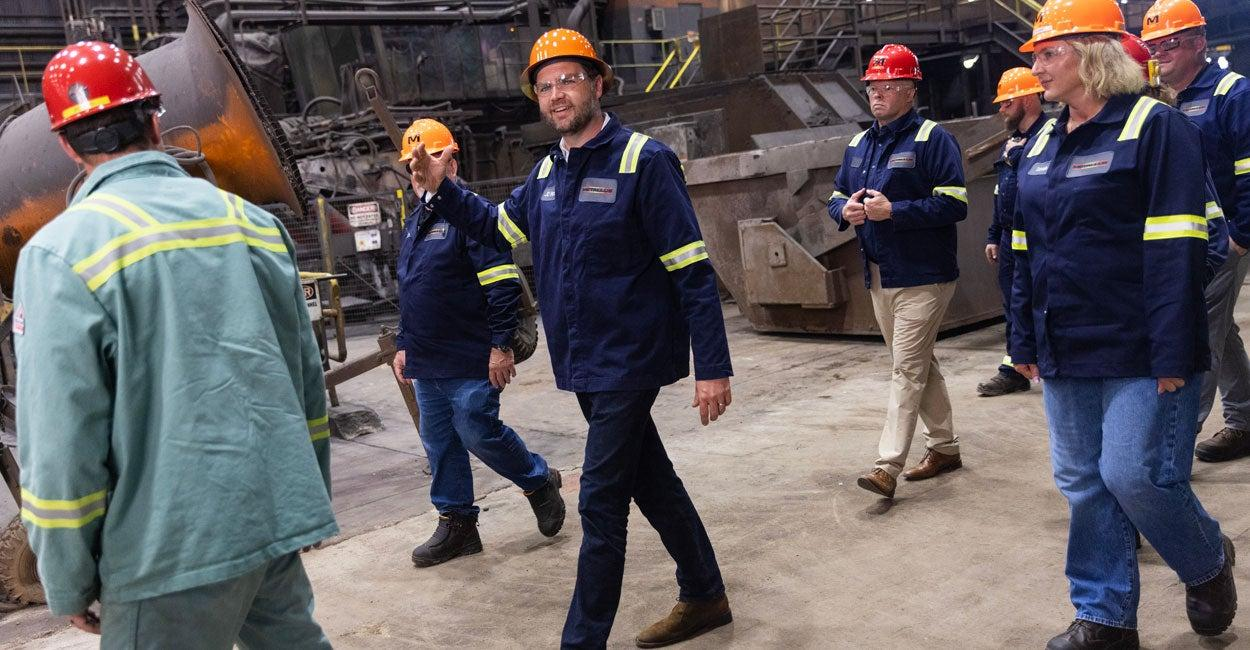
Vance's message addresses concerns that have appeared prominently in election reporting.
Many voters want an end to prolonged overseas conflict.
Others want more attention paid to inflation, wages and the cost of living.
But acknowledging those concerns is different from solving them.
Vance remains part of the administration whose policies he is discussing.
His influence will ultimately be judged by whether he can help deliver concrete results, including diplomatic progress and economic improvements.
There is also no single position shared by every American.
Some voters support military pressure against Iran because they believe it is necessary for national security.
Others believe continued operations impose unacceptable financial and human costs.
The political challenge is finding a policy that addresses those competing concerns.
What Happens Next?
The immediate test is whether the Trump administration moves toward a diplomatic settlement or renewed military escalation.
Vance has made clear that he believes voters want the war to end and the government to concentrate on problems at home.
Trump has made equally clear that he stands by his original decision to attack Iran.
The vice president must now balance those positions while navigating a Republican Party shaken by its election defeat.
His response could influence his standing with voters, the administration and potential rivals for the 2028 nomination.
But the most important question is whether his words produce any meaningful change.
Vance has acknowledged the political and economic costs of the Iran war. Whether that makes him a voice for ordinary Americans or a politician preparing for his next campaign will depend on what he does next.
Should JD Vance push harder for an end to the Iran war, even if that means publicly disagreeing with President Trump?
Or should the vice president continue supporting the administration's military strategy?
AMERICA, WHAT DO YOU THINK? SHARE YOUR OPINION IN THE COMMENTS BELOW!
Comments (0)
Loading comments...
May You Like

IRAN WARNS WASHINGTON — HOW SERIOUS IS THE THREAT TO U.S. MILITARY BASES?

TRUMP'S NVIDIA STOCK DEALINGS — IS THERE ANY TRUTH TO THE $14 MILLION PROFIT CLAIM?

AMERICA'S LUCAS DRONE — A POTENTIAL GAME CHANGER IN THE SOUTH CHINA SEA?












